
Tag: smartwatch comparison

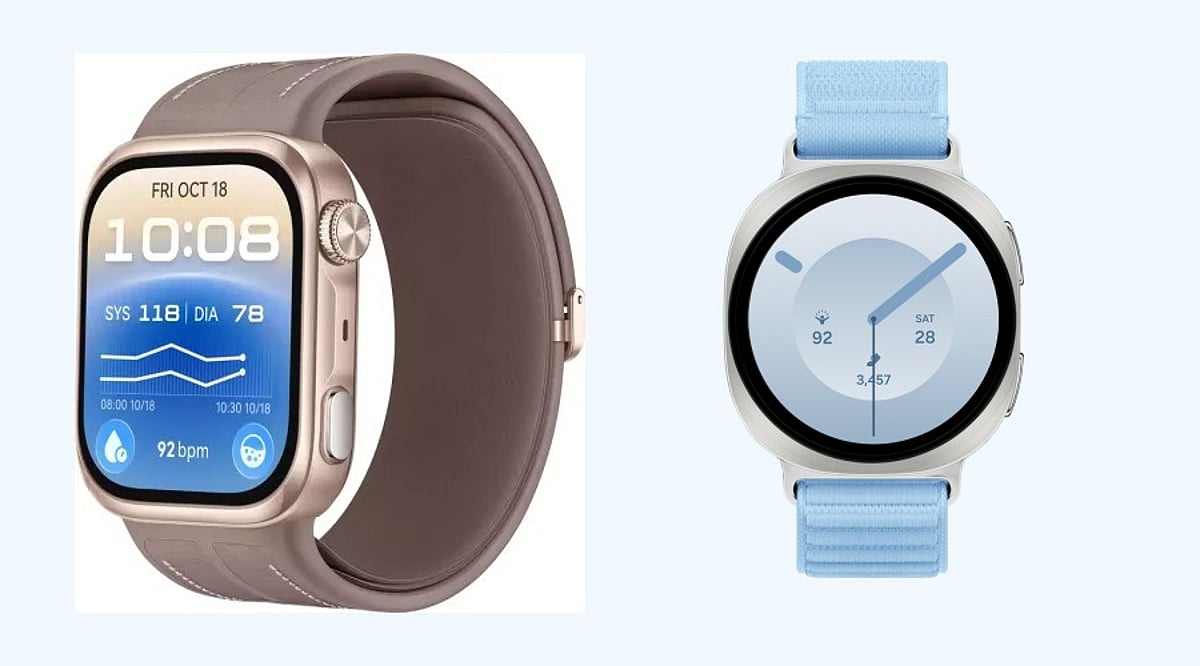
  • Huawei Watch D3 vs Samsung Galaxy Watch9: Which Smartwatch Delivers Better Health Tracking in 2026?

    Huawei Watch D3 vs Samsung Galaxy Watch9: Which Smartwatch Delivers Better Health Tracking in 2026?

    Smartwatches have evolved far beyond step counting and notifications. Today, a wearable health tracker is expected to flag irregular heart rhythms, monitor blood pressure, and support long-term wellness goals. Two devices leading this shift in 2026 are the Huawei Watch D3 and the Samsung Galaxy Watch9, each built with a distinct philosophy toward health monitoring.

    The Huawei Watch D3 takes a clinical approach, centered around genuine cuff-based blood pressure readings. The Samsung Galaxy Watch9, meanwhile, blends everyday smartwatch convenience with an expanding suite of optical health metrics. This comparison breaks down their sensors, specifications, and health capabilities to help buyers decide which wearable health tracker suits their needs.

    Design and Display

    The Huawei Watch D3 measures 46.5 x 41 x 11.3mm and weighs only 40 grams — remarkably light for a watch carrying a mechanical airbag inside its strap. Its 1.92-inch LTPO AMOLED display reaches 3,000 nits at peak brightness.

    The Samsung Galaxy Watch9 comes in two sizes, 40mm and 44mm, both using Super AMOLED panels protected by sapphire glass. Brightness also reaches 3,000 nits, giving strong outdoor visibility. Build quality feels premium on both: Huawei uses aluminium alloy, while Samsung uses brushed aluminium. Neither offers a titanium option this generation.

    Health Sensors Compared

    Sensor choices reveal the biggest gap between these two smartwatches. The Huawei Watch D3 combines a nine-axis IMU, ECG sensor, temperature sensor, and barometer. Its most distinctive component is a differential pressure sensor tied to a physical airbag that inflates around the wrist, briefly restricting blood flow — a mechanical method mirroring clinical upper arm monitors.

    The Samsung Galaxy Watch9 instead relies on its upgraded BioActive sensor, merging optical heart rate tracking, electrocardiography, and bioelectrical impedance analysis. A skin temperature sensor and ambient light sensor round out the package. Samsung also introduced an Antioxidant Index, measuring carotenoid levels through the fingertip using multi-wavelength light.

    Blood Pressure Monitoring

    This is where the two watches truly part ways. Huawei’s cuff-based system holds CE MDR certification in Europe and NMPA approval from Chinese regulators — a strong clinical signal. The Watch D3 performs ambulatory blood pressure monitoring across a full day, automatically taking up to 20 daytime readings and seven overnight readings. A dedicated exercise mode checks blood pressure within two minutes post-workout.

    Samsung’s approach is lighter: the Galaxy Watch9 offers a blood pressure trend feature through Samsung Health but still needs periodic calibration against a traditional cuff for meaningful accuracy. In short, Huawei treats blood pressure as its central purpose; Samsung treats it as one wellness metric among many. Buyers managing hypertension will likely notice this difference quickly.

    Heart, Sleep, and Recovery Tracking

    Both smartwatches handle cardiovascular monitoring seriously. Huawei adds atrial fibrillation alerts through its PPG sensor, beat-by-beat ECG readings, and arterial stiffness detection. Its Health Glance feature checks 11 biometric indicators within about a minute — a single-tap convenience for a quick daily snapshot.

    Samsung leans harder into structured fitness coaching. The Galaxy Watch9 includes a Heart Health Score, Daily Cardio Load metric, and FDA-cleared sleep apnea detection that adds real medical weight to its sleep tracking. Advanced sleep coaching and a three- to five-week Running Coach program target active users, making the Galaxy Watch better suited to structured training routines.

    Performance and Battery Life

    The Galaxy Watch9 runs Wear OS 7 with One UI 9 Watch software on a Snapdragon SW6100 Wear Elite chipset (3nm process). Battery capacity sits at 390mAh (40mm) or 445mAh (44mm). Samsung rates both for up to 30 hours with always-on display, meaning daily charging remains part of the routine. Fast wireless charging helps offset this shorter runtime.

    The Huawei Watch D3 runs HarmonyOS instead of Wear OS. Its 540mAh battery delivers up to six days under typical use, with a 75-minute fast charge keeping downtime minimal.

    Price and Value

    The Huawei Watch D3 launched at £399.99 in the UK (approx €449 in Europe), reflecting its medical-grade hardware and certification — positioning it closer to a diagnostic tool than a lifestyle gadget. The Samsung Galaxy Watch9 starts at USD 379.99 (40mm Bluetooth) and rises to USD 459.99 (44mm LTE), placing it firmly within mainstream smartwatch territory.

    Final Words

    Choosing between these two wearables comes down to personal priorities. Anyone managing blood pressure concerns will benefit from Huawei’s clinical accuracy, certification, and ambulatory monitoring. The Samsung Galaxy Watch9 suits those wanting an all-round smartwatch experience with Google integration, plus unique features like the Antioxidant Index and sleep apnea detection. Neither watch is objectively better across every category — both represent thoughtful, well-researched approaches to modern health tracking. The right pick simply depends on what health priority matters most.
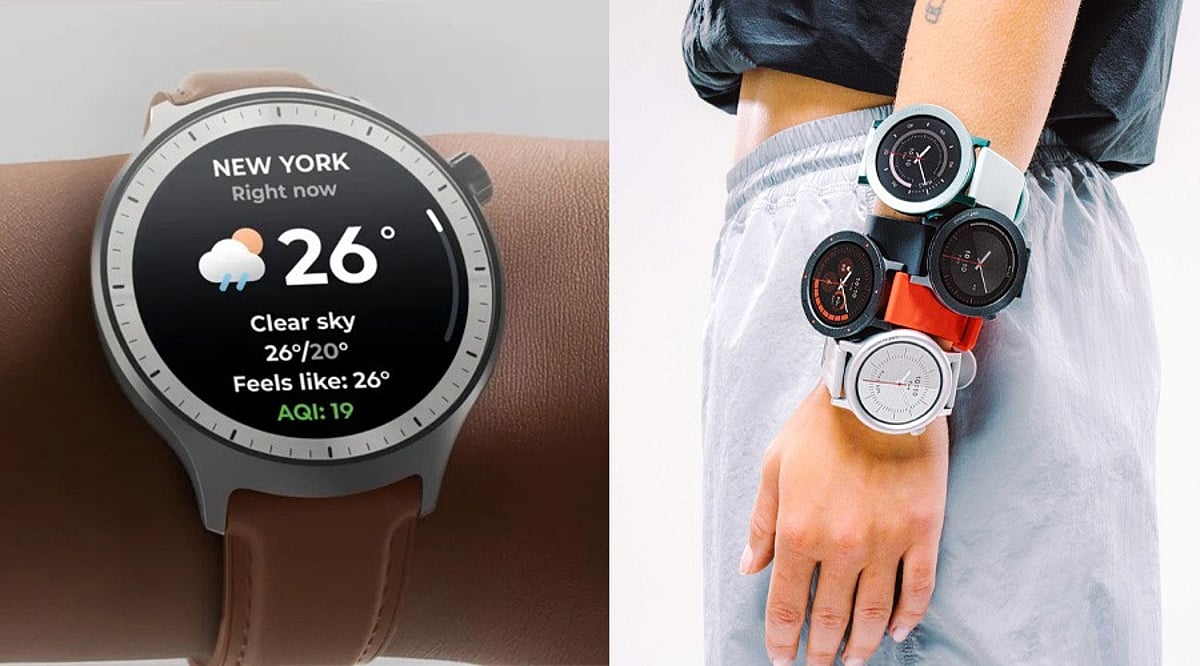
  • Budget Smartwatch Showdown: Moto Watch (2026) vs CMF Watch 3 Pro

    Budget Smartwatch Showdown: Moto Watch (2026) vs CMF Watch 3 Pro

    Smartwatch buyers on a budget have two compelling options in 2026: the Moto Watch (2026) and the CMF Watch 3 Pro. Both deliver long battery life, essential fitness tracking, and everyday smart features, but they take different approaches to design and value.

    Design and Display

    The Moto Watch (2026) features a 47mm round case and weighs only about 35 grams, making it an excellent choice for anyone who prefers a lightweight, comfortable fit. It uses a 1.43-inch OLED display and carries an IP68 rating for dust and water resistance.

    The CMF Watch 3 Pro also has a 1.43-inch screen, but its AMOLED panel stands out with a sharper 466 x 466-pixel resolution, an always-on display mode, and up to 650 nits of brightness. If screen quality matters most, CMF takes the win; if a lighter wrist feel is your priority, Motorola has the edge.

    Fitness and Health Tracking

    Both watches cover heart-rate monitoring, SpO2, sleep tracking, GPS, and daily activity tracking. However, the CMF Watch 3 Pro goes further with 131 sports modes and dual-band GPS, making it better suited for varied training routines.

    The Moto Watch (2026) is no slouch either. It includes dual-frequency GPS and health features powered by Polar, giving active users reliable workout and outdoor tracking. Still, CMF offers more workout modes and fitness-focused extras overall.

    Battery Life

    Both smartwatches are rated for up to 13 days of battery life, so you can expect similar endurance. Real-world results will vary depending on GPS usage, Bluetooth calling, and health features, but neither watch should leave you hunting for a charger every night.

    Smart Features

    Bluetooth calling, notifications, music controls, and standard smartwatch conveniences are included on both models. The CMF Watch 3 Pro adds voice assistance and camera shutter controls, making it slightly more versatile for daily use.

    It is worth noting that neither watch offers the full Wear OS app ecosystem, so buyers who need third-party apps or deep smartphone integration should look at more advanced options.

    Verdict: Which Should You Buy?

    The Moto Watch (2026) is the smarter pick if you want a simple, affordable, lightweight watch with solid essentials. The CMF Watch 3 Pro is the better-equipped device for users who value a superior AMOLED display, more sports modes, and additional fitness features.

    Overall winner: CMF Watch 3 Pro.

    Frequently Asked Questions

    Which smartwatch has a better display?

    The CMF Watch 3 Pro offers the better display with its 1.43-inch AMOLED panel, 466 x 466-pixel resolution, always-on support, and 650 nits brightness.

    Does the Moto Watch (2026) last longer than the CMF Watch 3 Pro?

    No. Both are rated for up to 13 days of battery life. Actual endurance depends on GPS, tracking, and calling habits.

    Which watch is better for fitness tracking?

    The CMF Watch 3 Pro has more sports modes and dual-band GPS, while the Moto Watch provides reliable Polar-powered health tracking. CMF is more feature-rich for fitness.

    Are both watches good for everyday use?

    Yes. Both support notifications, Bluetooth calling, heart-rate monitoring, sleep tracking, and music controls. Your final choice should come down to display, fitness needs, weight, and budget.

  • Best Fire-Boltt AMOLED Smartwatches: A Complete 2026 Lineup Comparison

    Best Fire-Boltt AMOLED Smartwatches: A Complete 2026 Lineup Comparison

    The smartwatch market has evolved quickly, and AMOLED displays have become one of the most sought-after features. Fire-Boltt’s growing portfolio includes models that cater to different lifestyles, making it easier to find a smartwatch that balances display quality, comfort, features, and value.

    AMOLED panels work on a fundamentally different principle than traditional LCD screens. Each pixel produces its own light, giving the display deeper blacks, better contrast, and more vibrant colors. In everyday use, this translates to a screen that is comfortable to read indoors, holds up well under direct sunlight, and feels polished regardless of what you paid for it. Fire-Boltt has put this technology at the center of its latest smartwatch lineup, and the watches reflect that commitment in ways that are easy to notice from the first time you use one.

    Finding an AMOLED smartwatch is not difficult, as the market offers plenty of options. The real challenge is finding the one that actually fits your exact lifestyle. Each watch in the lineup focuses on a different priority, making it easier to choose the right one.

    Fire-Boltt Visionary: The Safest All-Round Choice

    The Fire-Boltt Visionary is the model most buyers should consider first. It combines Bluetooth calling, health monitoring, smart notifications, and a sharp AMOLED display in a package that works across different daily situations. It suits first-time smartwatch buyers, everyday users, and anyone who wants one device that handles work, fitness, and personal use without compromise.

    Fire-Boltt Legacy: When Design Matters as Much as Function

    The Fire-Boltt Legacy is built for buyers who treat a watch as a style statement. Its slim profile, lightweight construction, and refined finish set it apart from the bulkier smartwatches that dominate the budget segment. The AMOLED display adds to that premium feel. Style-conscious buyers and office professionals will find it difficult to look past.

    Fire-Boltt Quantum: Built for the Boardroom

    Most smartwatches look like fitness trackers regardless of the occasion. The Fire-Boltt Quantum breaks that pattern. Its metal construction and classic round dial give it a traditional watch aesthetic that fits naturally in formal settings. Business professionals who want smart features without sacrificing a polished appearance will find the Quantum far more appropriate.

    Fire-Boltt Legacy Nova: The Practical Daily Companion

    The Fire-Boltt Legacy Nova is designed around visibility and ease of use. Its larger AMOLED display makes notifications, health data, and incoming call information easier to read throughout the day. It targets daily smartwatch use without overcomplicating things.

    Fire-Boltt Axiom: For Users Who Take Fitness Seriously

    The Fire-Boltt Axiom is built around health and activity tracking. Heart rate monitoring, sleep tracking, and workout data are its core strengths. The AMOLED display serves a practical purpose here. During outdoor workouts, readability matters, and the Axiom ensures users can comfortably view the screen.

    Choosing the Right Model

    The Fire-Boltt Visionary suits buyers who want versatility. The Legacy appeals to those who prioritise appearance. The Quantum fits professional environments. The Legacy Nova serves general daily use. The Axiom belongs on the wrist of anyone committed to fitness. Each model has a clear identity, and matching that identity to your lifestyle is the only decision that matters.

    Frequently Asked Questions

    1. Why is an AMOLED display better than an LCD on a smartwatch? AMOLED displays offer deeper blacks, higher contrast, and more vibrant colors than LCD screens. They also improve outdoor visibility and give watch faces a more premium appearance.
    2. Which Fire-Boltt AMOLED smartwatch is best for everyday use? The Fire-Boltt Visionary is one of the strongest all-round options for everyday use because it combines an AMOLED display, Bluetooth calling, health tracking, and smart notifications in a balanced package.
    3. Are Fire-Boltt AMOLED smartwatches good for fitness tracking? Yes. Most Fire-Boltt AMOLED smartwatches include fitness and health features such as activity tracking, heart-rate monitoring, sleep tracking, and multiple sports modes.
    4. Do Fire-Boltt AMOLED watches support Bluetooth calling? Many Fire-Boltt AMOLED models support Bluetooth calling, allowing users to make and receive calls directly from the watch when connected to a smartphone.
    5. Which Fire-Boltt AMOLED smartwatch is best for professional use? The Fire-Boltt Quantum is a strong choice for professional settings because its traditional watch-inspired design blends more naturally with business and formal wear.