Tag: smartwatch

  • Motorola Unveils Edge 70 Plus and Moto Watch Ultra at IFA 2026

    Motorola Unveils Edge 70 Plus and Moto Watch Ultra at IFA 2026

    At IFA 2026, Motorola took the stage to introduce two major additions to its lineup: the Edge 70 Plus smartphone and the Moto Watch Ultra smartwatch. The former emphasizes camera prowess, battery longevity, and a refined design, while the latter marks the company’s push into premium Wear OS wearables with deep health tracking integration.

    Motorola Edge 70 Plus: A Camera-First Flagship

    The Edge 70 Plus is built around a 200-megapixel main sensor — Motorola’s highest-resolution smartphone camera to date. It includes optical image stabilization, 10x Super Zoom, and 4K video recording. A dedicated macro camera and a 32-megapixel selfie shooter round out the photography suite, with AI enhancements that automatically optimize image quality.

    Under the hood, the device runs on the Snapdragon 7s Gen 3 processor, paired with a massive 6,500mAh battery. Motorola claims up to 42 hours of talk time and 34 hours of video streaming. The phone supports 45W TurboPower charging and bypass charging — a feature that reduces heat buildup during gaming sessions by powering the device directly.

    The display is a 6.78-inch Extreme AMOLED panel with a 144Hz refresh rate, designed to make scrolling and gaming feel fluid. Dolby Atmos stereo speakers enhance media consumption, and the quad-curved design gives the phone a premium in-hand feel.

    Moto Watch Ultra: Premium Wear OS Smartwatch

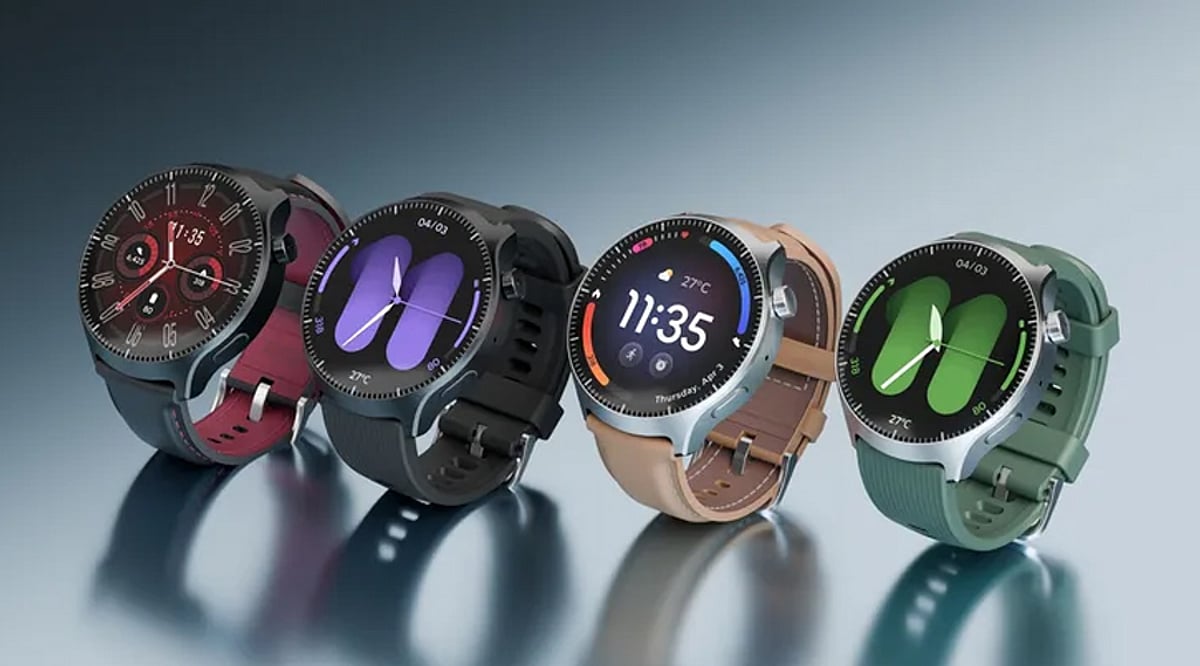
    The Moto Watch Ultra is Motorola’s answer to high-end smartwatches, running Wear OS by Google. It features a 46mm stainless steel body and a 1.5-inch OLED display with peak brightness of 2,700 nits. LTE connectivity, dual-band GPS, and Google Wallet support are built-in, enabling calls, texts, and contactless payments without needing a phone nearby.

    Health tracking is powered by a partnership with Polar, offering sleep tracking, recovery insights, activity scores, stress management tools, calorie tracking, and a Running Coach. Features like Nightly Recharge and Sleep Plus Stages provide deeper wellness analysis.

    Battery life is rated at up to two days of active use, and a 15-minute charge can deliver up to 24 hours of usage. The watch supports popular Wear OS apps including Google Maps, Google Messages, YouTube Music, and Gemini.

    Both devices are expected to hit markets in the coming months, with pricing and availability to be announced regionally.

  • Apple Watch Ultra 4: Blood Pressure Monitoring, Satellite Messaging, and Faster Performance Lead the Upgrades

    Apple Watch Ultra 4: Blood Pressure Monitoring, Satellite Messaging, and Faster Performance Lead the Upgrades

    The Apple Watch Ultra 4 is generating significant buzz ahead of its expected launch, promising meaningful upgrades that focus on health, connectivity, and performance. Here are three standout features that have me particularly excited.

    Smarter Health Tracking with Blood Pressure Monitoring

    Apple is reportedly introducing blood pressure monitoring to the Ultra 4, allowing users to track this vital metric directly from their wrist. This addition complements the existing heart rate and ECG capabilities, providing a more holistic view of cardiovascular health and early insights into potential issues.

    Satellite Connectivity for Off-Grid Communication

    One of the most anticipated features is satellite messaging, which would enable wearers to send messages even without cellular or Wi-Fi coverage. This is a game-changer for hikers, outdoor enthusiasts, and anyone who ventures into remote areas, offering peace of mind during emergencies.

    Faster Performance with a New Chip

    A next-generation Apple chip is expected to boost overall speed, battery efficiency, and app responsiveness. This means smoother navigation, quicker workout tracking, and improved multitasking for everyday tasks and fitness sessions.

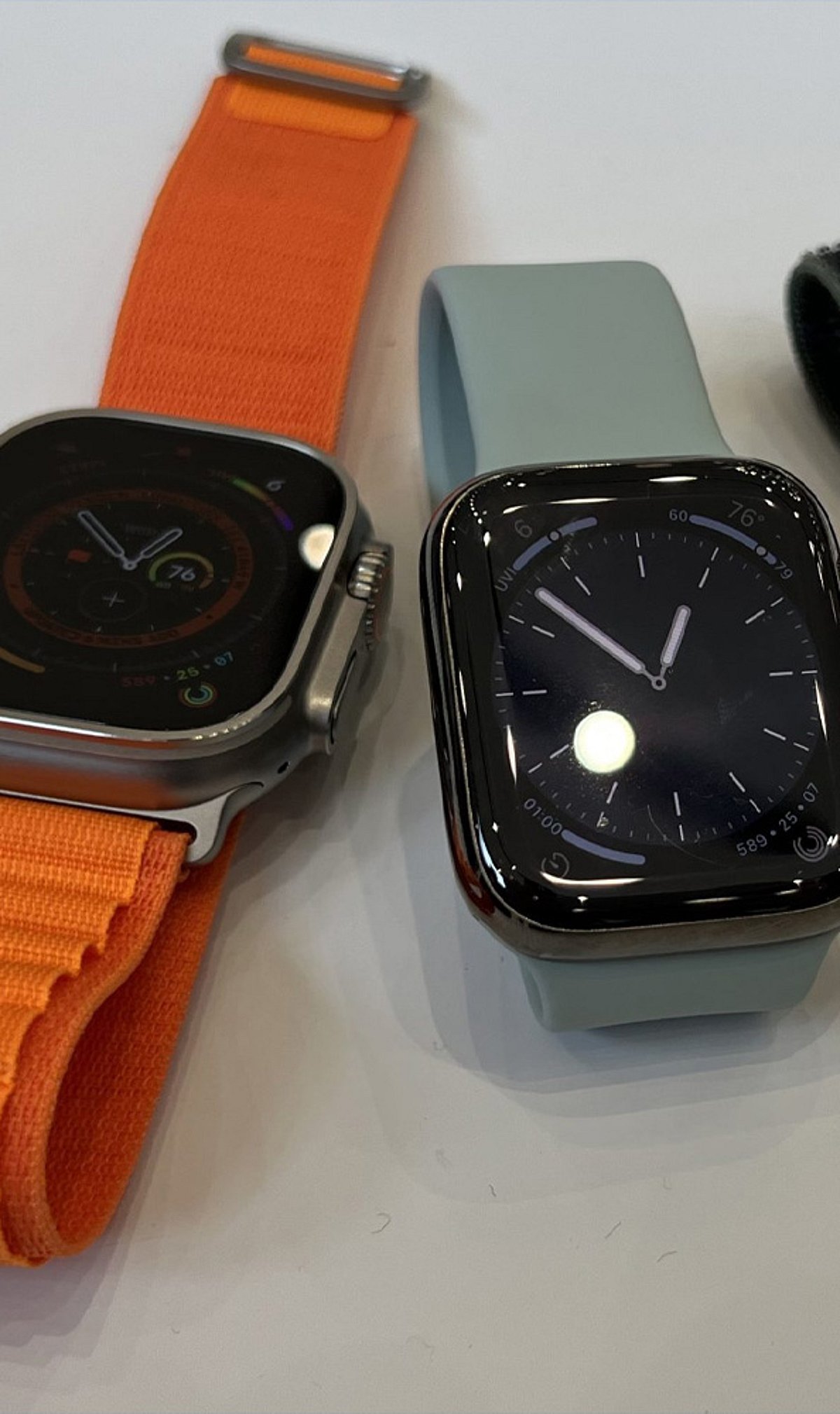
    Beyond these three core upgrades, the Ultra 4 is also rumored to feature a brighter, more efficient display for better sunlight visibility, extended battery life, enhanced fitness tracking with smarter recovery insights, and a refined yet rugged titanium design. Combining health breakthroughs with outdoor-ready connectivity and powerful performance, the Apple Watch Ultra 4 is shaping up to be one of the most exciting smartwatch releases of the year.

  • Samsung Galaxy Watch 9 Unveiled: 3,000-Nit Always-On Display and AI-Powered Health Features

    Samsung Galaxy Watch 9 Unveiled: 3,000-Nit Always-On Display and AI-Powered Health Features

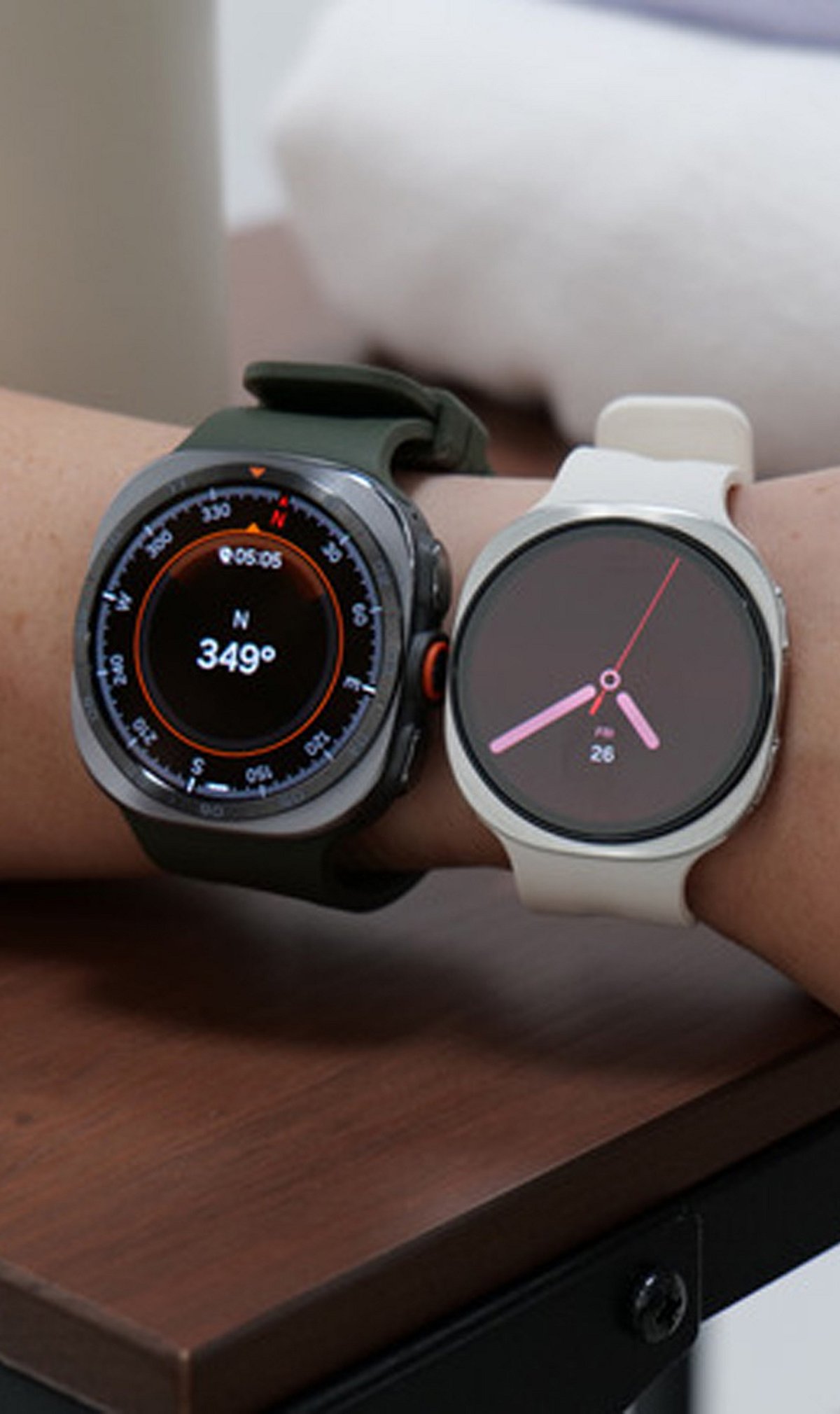
    Samsung has officially launched the Galaxy Watch 9, introducing a significantly brighter 3,000-nit always-on display alongside a refined design and enhanced everyday usability. The new AMOLED screen ensures clear visibility even under direct sunlight, making notifications, maps, and fitness stats easy to read outdoors.

    The watch features a slimmer profile and premium materials for improved comfort during all-day wear. A new processor delivers smoother performance, faster app launches, and better power efficiency, elevating the overall smartwatch experience.

    Advanced health tracking capabilities monitor heart rate, sleep patterns, stress levels, and workouts with greater accuracy. Battery life improvements reduce charging interruptions while supporting continuous fitness tracking, notifications, and other essential features.

    Galaxy AI integration provides smarter health summaries, personalized fitness suggestions, and convenient assistance for daily tasks. The watch pairs seamlessly with Galaxy smartphones, enabling call handling, message replies, payments, navigation, and control of connected devices.

    With its brighter display, improved performance, AI features, and comprehensive health tracking, the Samsung Galaxy Watch 9 represents a strong upgrade in the smartwatch market.

  • Google Pixel Watch 5 Leak: New Colors and Design Details Emerge

    Google Pixel Watch 5 Leak: New Colors and Design Details Emerge

    New leaks have revealed the design and color options of the Google Pixel Watch 5 ahead of its expected August launch, along with a few anticipated upgrades. The latest leak, posted on X by tipster Evan Blass, showcases both the 41mm and 45mm sizes.

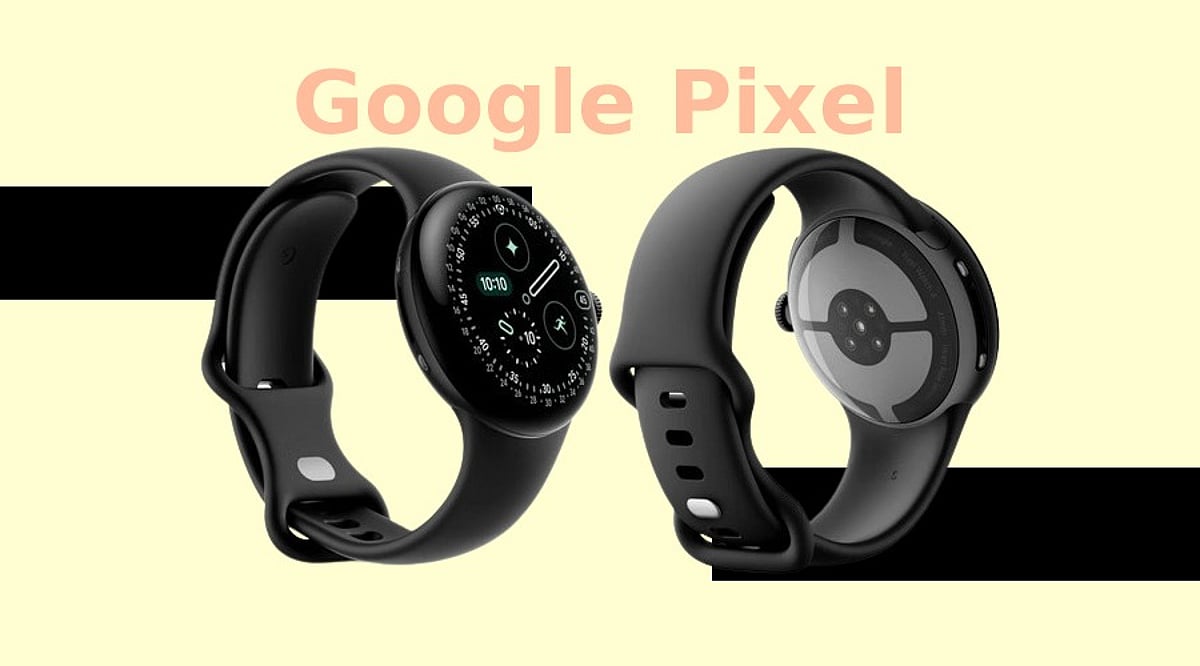
    The leaked images show the 41mm model in Dark Anthracite finish, and the 45mm version in Pyrite finish paired with an olive strap. Additional finishes expected include Natural Silver and Warm Gold.

    The tipster reveals that Google will likely include a circular domed display, a rotating crown, the existing button layout, and Google’s proprietary band attachment system. External changes will be minor compared to the Pixel Watch 4. The sensor system on the back is expected to remain unchanged. A Gemini shortcut is also anticipated.

    Reports indicate better battery life, improved health tracking, and the latest version of Wear OS. Google has not confirmed these details, but the leaked images suggest the company is focusing on refining the watch rather than giving it a completely new look. The overall design remains very similar to the current Pixel Watch, indicating Google is building on a familiar and liked design.

    Why Google Prefers Small Upgrades Over Big Changes

    Google has followed this approach with many Pixel products. Instead of redesigning every year, the company improves what matters most—battery life, software, speed, and everyday features. This helps users enjoy a better experience without adapting to a completely new device. It also allows Google to enhance software while keeping hardware familiar. Apple and Samsung have adopted similar strategies with recent devices.

    A Familiar Watch with Better Features

    The Pixel Watch 5 may not look drastically different, but the expected upgrades could significantly improve daily use. Better battery life, new colors, and advanced software are changes many users will notice. If the leaks are accurate, the Pixel Watch 5 continues Google’s tradition of incremental improvements that compound over time.

  • 7 Essential Tech Gadgets to Boost Safety, Health, and Independence for Seniors

    7 Essential Tech Gadgets to Boost Safety, Health, and Independence for Seniors

    Technology can make everyday life safer, healthier, and more convenient for seniors. From health monitoring to easier communication, these gadgets are designed to improve independence. Here are seven smart devices every older adult should consider.

    Smartwatch with Health Monitoring

    A smartwatch can track heart rate, blood oxygen, sleep, and daily activity. Many models also include fall detection and emergency SOS features. Medication reminders help users stay on schedule. It is a reliable companion for everyday health monitoring.

    Voice Assistant Smart Speaker

    Smart speakers respond to simple voice commands. Seniors can ask about weather, news, reminders, or play their favorite music without touching a screen. They also make hands-free calls and control compatible smart home devices. Daily tasks become easier and more enjoyable.

    Video Calling Tablet

    A large-screen tablet makes staying connected effortless. Seniors can enjoy crystal-clear video calls with family and friends from anywhere. The simple interface makes navigation easy even for beginners. It also supports entertainment, reading, and online learning.

    GPS Medical Alert Device

    A wearable GPS medical alert device offers peace of mind both indoors and outdoors. With one press, users can quickly contact emergency services or caregivers. Many devices also include fall detection and real-time location tracking. Safety is always within reach.

    Robot Vacuum Cleaner

    Cleaning becomes effortless with a robot vacuum. It automatically removes dust and debris while avoiding obstacles. Scheduled cleaning keeps floors tidy without physical strain. Seniors can enjoy a cleaner home with minimal effort.

    Digital Photo Frame

    A Wi-Fi-enabled digital photo frame continuously displays family photos without manual updates. Loved ones can send new pictures instantly from anywhere. Bright displays bring cherished memories to life every day. It helps seniors stay emotionally connected with family.

  • Noise ALT Watch 1 Review: Feature-Packed Smartwatch with AMOLED Display and AI Capabilities at an Affordable Price

    Noise ALT Watch 1 Review: Feature-Packed Smartwatch with AMOLED Display and AI Capabilities at an Affordable Price

    Introduction

    The Noise ALT Watch 1 is a feature-loaded smartwatch that offers an array of impressive qualities including AMOLED display, AI functionalities, Bluetooth call, and accurate health tracking, all of which come at a cost-effective price point. While the watch comes with a lot of appealing features, there are some advanced ones that do not meet the standard expectation.

    General Specifications

    Here are the Noise ALT Watch 1 specifications: (detailed specifications not provided in source, but assume standard smartwatch specs).

    Pros and Cons

    • Pros: AMOLED display, AI features, Bluetooth calling, accurate health tracking, affordable price.
    • Cons: Some advanced features fall short, AI impact is not noticeable, missing certain high-end qualities.

    Final Verdict

    This smartwatch is quite a powerful device and good enough in the basics such as display, health tracking, notifications, and even the software experience. However, there is no noticeable impact from the AI elements and some high-end qualities are missing. The Noise ALT Watch 1 is a reliable smartwatch with affordable pricing. In conclusion, this smartwatch can be recommended for anyone who is looking for a powerful device with fitness tracking capabilities.

  • Samsung Galaxy Unpacked 2026: Fold 8, Flip 8, Watch 9, and AI Glasses Revealed in London

    Samsung Galaxy Unpacked 2026: Fold 8, Flip 8, Watch 9, and AI Glasses Revealed in London

    Samsung held its Galaxy Unpacked event in London on July 23, 2026, unveiling a comprehensive lineup of new devices including the Galaxy Z Fold 8, Galaxy Z Fold 8 Ultra, Galaxy Z Flip 8, Galaxy Watch Ultra 2, Galaxy Watch 9, and AI-powered smart glasses. The event underscored Samsung’s commitment to expanding its foldable ecosystem and integrating artificial intelligence across its hardware.

    New Foldable Phones with Wider Displays and Durable Hinges

    The Galaxy Z Fold 8 introduces a redesigned form factor featuring a near 4:3 inner display that reduces black bars and enhances video streaming, gaming, multitasking, and social media experiences. Samsung has incorporated a titanium hinge to minimize the display crease and improve overall durability.

    The Galaxy Z Fold 8 Ultra is positioned as Samsung’s most premium foldable, equipped with an upgraded titanium hinge, a 5,000mAh battery, and a 200MP primary camera. Meanwhile, the Galaxy Z Flip 8 retains its classic clamshell design while receiving updated hardware and new Galaxy AI capabilities.

    Galaxy AI Expands Across Devices

    All three foldable devices run One UI 9, which is based on Android 17. The software includes AI-powered tools such as the AI Assistant Activity Dashboard and My FanCam, which automatically tracks subjects and adjusts video framing.

    Samsung also refreshed its smartwatch lineup with the Galaxy Watch Ultra 2 and Galaxy Watch 9. The Watch Ultra 2 features a brighter display, a Snapdragon Wear Elite processor, advanced fitness tracking, and improved battery life. The Watch 9 focuses on everyday wellness through AI-driven health monitoring.

    AI Smart Glasses Preview

    Samsung previewed intelligent smart glasses developed in collaboration with Google, Warby Parker, and Gentle Monster. The upcoming wearable supports notifications, voice features, and Gemini-powered AI, signaling Samsung’s expansion beyond smartphones into an AI-connected ecosystem.

    The event highlighted Samsung’s strategy to strengthen its premium device lineup ahead of increased competition in the foldable market later this year.

  • Top Smartwatches Under Rs. 25,000: Style, Performance, and Battery Life Compared

    Top Smartwatches Under Rs. 25,000: Style, Performance, and Battery Life Compared

    Finding a good smartwatch under Rs. 25,000 is easier than ever. Whether you want Google apps, advanced fitness tracking, or long battery life, this price range has strong options across multiple platforms. Here are the models that stand out for different types of users.

    Smartwatches under Rs. 25,000 now offer a wide range of choices, from full Wear OS devices with Google apps to fitness-focused platforms that prioritize battery life and health tracking. Buyers can choose between productivity features, advanced sports tracking, premium AMOLED displays, long battery life, or stylish everyday designs based on their needs instead of settling for one-size-fits-all devices. Models from Samsung, OnePlus, Garmin, Amazfit, Titan, and Noise each balance software, performance, battery life, and design differently, making the platform and intended use more important than specifications alone.

    Before You Buy

    Start with what matters most. Anyone who wants Google apps, Play Store access, and full notifications should go with Wear OS, though it means charging more often. Garmin and Zepp OS trade a smaller app selection for longer battery life and stronger fitness tracking. Titan and Noise keep prices low by skipping built-in GPS and app stores, which makes them a better fit for everyday use than for serious training. iPhone owners should note that most Wear OS watches work best on Android, and some features may not work as well on iOS.

    Samsung Galaxy Watch FE

    The Galaxy Watch FE is the easiest way into Wear OS at this price. It runs the full platform with a 1.2-inch Super AMOLED screen, NFC for tap-to-pay, and regular Wi-Fi and Bluetooth. The catch is battery life — expect about a day of use, not the multi-day numbers that cheaper watches claim. It sells for around Rs. 12,999, roughly half its launch price.

    Best for: Samsung phone owners who want the full software experience without paying flagship prices.

    OnePlus Watch 2R

    The Watch 2R addresses Wear OS’s battery issue with smarter hardware. A Snapdragon W5 chip runs the main system, while a second, smaller chip handles step counts and heart rate in the background, only waking the full system when needed. This is how it reaches up to 100 hours in Smart Mode and 12 days in Power Saver Mode. It has a 1.43-inch AMOLED display, GPS built for sharper outdoor tracking, and fast charging that fills the battery in about an hour. It’s priced near Rs. 17,999, often lower during sales.

    Best for: Android users who want Wear OS without charging it every single night.

    Garmin Vivoactive 5

    The Vivoactive 5 skips Wear OS altogether, and that’s exactly why it lasts 11 days on a charge while still having a decent AMOLED screen. Its sensor feeds Garmin’s health tools: energy tracking, sleep stages, stress scores, and over 30 sports apps with real GPS, not phone guesswork. It also supports Garmin Pay, though not many Indian banks are on board yet. Price ranges from Rs. 18,999 to Rs. 24,990 depending on the color.

    Best for: Runners and swimmers who want real training data and don’t need a big app store.

    Amazfit Balance 2

    The Balance 2 skips Wear OS too, running its own software built for the outdoors. It has a bright sapphire display, water resistance rated for diving down to 45 meters, and offline maps for over 40,000 golf courses. Battery life reaches 21 days. Next to the Vivoactive 5, it leans more into outdoor and adventure use, while Garmin still wins on training detail. Price sits close to Rs. 24,999.

    Best for: Divers, golfers, and anyone who wants a rugged outdoor watch, not just a notification screen.

    Titan Smart 3

    The Smart 3 drops GPS and app support to keep the price low, and it still feels solid. It has an always-on AMOLED screen, calling support, over 110 sports modes tracked through your phone, and fast charging that adds a day of battery in ten minutes. The price runs from Rs. 5,000 to Rs. 12,000.

    Best for: First-time buyers who want AMOLED and calling without the Wear OS price tag.

    NoiseFit Halo 3

    The Halo 3 goes for looks over specs, shaped like a classic dress watch with metal, leather, and silicone strap options. Its best feature is Noise AI Pro, which handles voice notes, daily briefings, and QR tickets. Like the Titan, it skips GPS and apps. Price ranges from Rs. 4,499 to Rs. 7,999.

    Best for: Buyers who want a watch that looks traditional first, smart second.

    How They Compare

    Matching the Watch to the Buyer: Anyone on Android who wants Google apps and full notifications gets the most out of Samsung. If daily charging is a dealbreaker but Wear OS still matters, OnePlus is the better pick. Runners and swimmers who care about training data more than apps will find Garmin’s battery and sensor accuracy hard to beat. Divers, golfers, and anyone who spends time outdoors get more from Amazfit’s offline maps and dive certification. Budget-conscious first-time buyers get AMOLED and calling from Titan without paying Wear OS prices, and anyone who cares about looks over specs will find Noise’s dress watch design and AI features a rare combination at this price.

    Software support tends to follow the same lines. Samsung and OnePlus, running Wear OS, usually get clearer update commitments over time. Titan and Noise, on the other hand, typically ship with a fixed set of features and get maintenance updates rather than real upgrades. This gap matters more the longer someone plans to keep the watch.

    Final Thought

    Three years ago, a smartwatch under Rs. 25,000 meant picking one flaw to live with: bad battery, weak software, or a design that looked like every other watch on the shelf. Now it means choosing which trade-off works for you. This shift says more about how far this market has come than any single watch on this list.

    FAQs

    1. Which is the best smartwatch under Rs. 25,000 in India? The best smartwatch depends on your needs. Samsung Galaxy Watch FE is ideal for Wear OS users. OnePlus Watch 2R offers excellent battery life with Wear OS, while the Garmin Vivoactive 5 is better for fitness tracking.
    2. Is Wear OS better than Garmin OS or Zepp OS? Wear OS offers Google apps, Play Store access, and richer smartwatch features. Garmin OS and Zepp OS focus more on battery life, health tracking, and sports performance than third-party apps.
    3. Which smartwatch under Rs. 25,000 offers the longest battery life? Among these options, the Amazfit Balance 2 offers up to 21 days of battery life. The Garmin Vivoactive 5 lasts up to 11 days, while the OnePlus Watch 2R can deliver up to 12 days in Power Saver Mode.
    4. Are smartwatches under Rs. 25,000 compatible with iPhones? Most smartwatches support iPhones, but Wear OS models typically provide the best experience with Android devices. Some features, such as replies to notifications and certain apps, may be limited on iOS.
    5. What should I consider before buying a smartwatch under Rs. 25,000? Choose based on your priorities. Wear OS is best for productivity and Google apps. Garmin and Amazfit suit fitness enthusiasts with longer battery life, while Titan and Noise are ideal for everyday use with essential smartwatch features at lower prices.

  • Top Affordable Smartwatches Under ₹10,000: Expert Picks for 2025

    Top Affordable Smartwatches Under ₹10,000: Expert Picks for 2025

    Finding a feature-packed smartwatch on a budget is easier than ever. Here are the best options under ₹10,000 that offer AMOLED displays, GPS, health tracking, and long battery life without breaking the bank.

    1. Amazfit Bip 6

    Offers an AMOLED display, built-in GPS, accurate health tracking, and up to 14 days of battery life — making it one of the best value-for-money smartwatches available.

    2. NoiseFit Endeavour Pro

    Combines an AMOLED display, GPS, Bluetooth calling, a premium design, and comprehensive fitness tracking for users seeking advanced features on a budget.

    3. CMF Watch 3 Pro

    Delivers reliable health monitoring, a stylish metal design, long battery life, and accurate activity tracking for everyday use.

    4. Titan Celestor

    Features a premium aluminum build, vibrant AMOLED display, comfortable straps, and dependable battery performance backed by Titan’s trusted quality.

    5. Lava Prowatch X

    Includes an AMOLED display, advanced fitness tracking, Bluetooth connectivity, and impressive battery life, making it a strong budget-friendly option.

    6. boAt Valour Watch 1 GPS

    Offers built-in GPS, multiple sports modes, Bluetooth calling, and essential health monitoring features at an affordable price.

    7. Noise ColorFit Pro 6 Max

    Provides an AMOLED display, Bluetooth calling, health monitoring, customizable watch faces, and smooth everyday performance.

    8. Realme Watch S5

    Combines a sleek design, AMOLED screen, smart notifications, comprehensive fitness tracking, and dependable battery backup for daily use.

    9. Xiaomi Mi Watch Revolve Active

    Delivers an AMOLED display, built-in GPS, multiple workout modes, comprehensive health tracking, and excellent battery life within the ₹10,000 budget.

    Whether you prioritize fitness tracking, display quality, or battery life, these smartwatches prove that you don’t need to spend a fortune to get premium features.

  • Samsung Teases AI-Powered Galaxy Watch 9 with Advanced Health Tracking Ahead of Unpacked 2026

    Samsung Teases AI-Powered Galaxy Watch 9 with Advanced Health Tracking Ahead of Unpacked 2026

    Samsung has begun building anticipation for its next-generation smartwatch by teasing an AI-powered wearable ahead of the Galaxy Unpacked 2026 event scheduled for July 22. While the company has not officially confirmed the product name, industry speculation strongly points to the Galaxy Watch 9 series. The teaser highlights artificial intelligence, redesigned internal hardware, and improved battery performance, indicating Samsung’s continued push to strengthen its position in the premium smartwatch market as AI becomes central to wearable technology.

    AI Takes Center Stage in Samsung’s Wearable Strategy

    In the teaser, Samsung seems to focus on health-centric artificial intelligence rather than new innovations in hardware. According to the teaser, the smartwatch will be an advanced version of the Galaxy Watch, which provides health insights through a new level of intelligence about individual health. By incorporating Galaxy AI into the health-centric watch, Samsung will use its intelligence to evaluate a person’s activities, sleeping habits, heart health, and fitness levels.

    Analysts consider this a move to a larger trend in the smartwatch industry, whereby software intelligence becomes the competitive edge, more than any new innovations in hardware.

    Hardware Upgrades Could Improve Performance and Battery Life

    While Samsung has been tight-lipped about technical specifications, it has stated that the upcoming wearable device will contain “all-new internal components” in addition to improved battery life. According to reports, the Galaxy Watch 9 might get a new processor, which can provide better performance along with less consumption of energy, thus ensuring battery longevity without enlarging the physical size of the device.

    Leaks have also pointed out that Samsung will most likely continue with its signature round design but will include some improvements in the internal structure and health sensors. Improved biometric sensing, processing, and energy efficiency could help in providing the AI-based features demonstrated by Samsung. These enhancements might help Samsung gain an edge over competitors like Apple, Google, and Garmin, who are also increasingly focusing on providing health-related AI-based features in their wearables.

    Galaxy Unpacked Expected to Showcase a Broader AI Ecosystem

    The announcement of the smartwatch is expected to be held during the Galaxy Unpacked event, where Samsung will reveal its next-generation foldable smartphones like Galaxy Z Fold 8 and Galaxy Z Flip 8. As seen by Samsung’s recent actions, Galaxy AI is expected to become the uniting element for smartphones, tablets, wearables, and any connected devices.

    The CEO of Samsung TM Roh has recently pointed out that the future of AI development lies in devices that can recognize individual user preferences and provide more personal experiences rather than just perform some commands. Such an approach is likely to be applied to wearable devices, where AI is also expected to ensure excellent privacy through Samsung Knox technology.

    Smarter Wearables Signal Samsung’s Next Growth Phase

    With the competitive space becoming heated up in the realm of high-end smartwatches, Samsung is more and more relying on AI as the unique element that is supposed to define future wearable gadgets. Although the Galaxy Watch 9 is not officially released yet and should be revealed on July 22, the recent teaser by Samsung indicates that the emphasis is going to shift from technical aspects to more advanced health management and battery performance.