Tag: Snapdragon 8 Elite Gen 5

  • RedMagic Astra 2 Review: A Compact Android Gaming Tablet with a 185Hz OLED Display

    RedMagic Astra 2 Review: A Compact Android Gaming Tablet with a 185Hz OLED Display

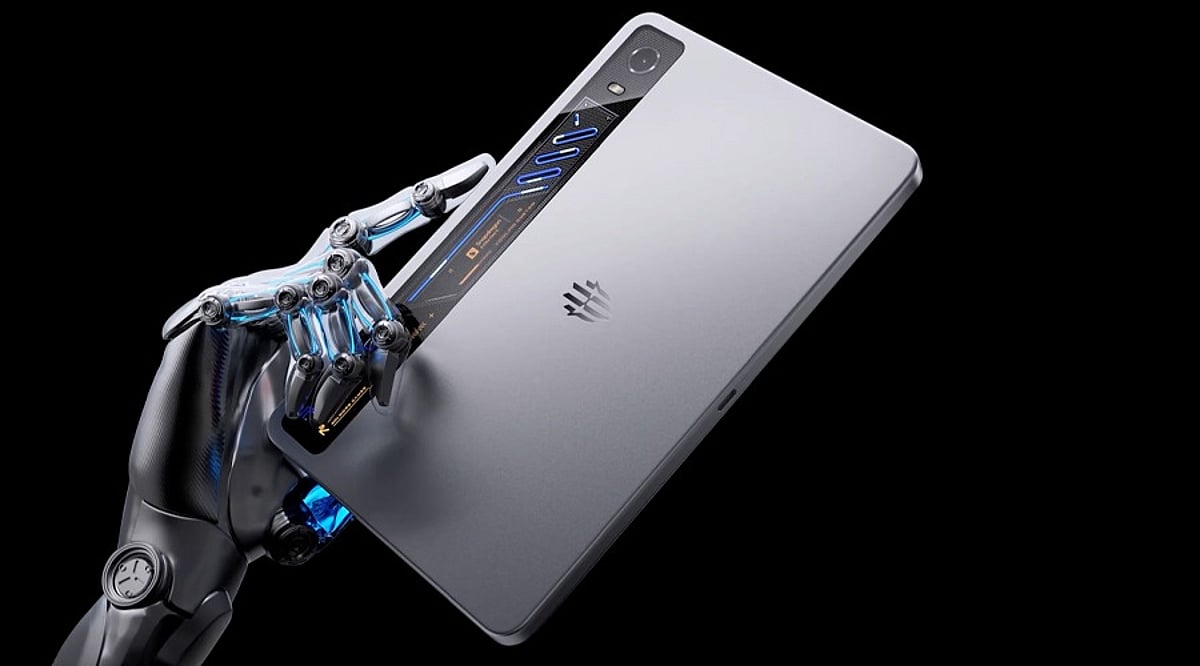
    The RedMagic Astra 2 is a small and compact Android gaming tablet designed for enthusiasts who demand top-notch performance in a portable form factor. Powered by the Qualcomm Snapdragon 8 Elite Gen 5 processor, it features a 9.06-inch OLED screen with an astonishing 185Hz refresh rate, an advanced liquid cooling system, and gaming-optimized software. Together, these specs deliver a superior gaming experience for an Android tablet.

    However, the device does exhibit significant performance throttling under heavy load and lacks cellular connectivity. Despite these drawbacks, it remains a strong contender in the Android gaming tablet market.

    Specifications at a Glance

    • Processor: Qualcomm Snapdragon 8 Elite Gen 5
    • Display: 9.06-inch OLED, 185Hz refresh rate
    • Cooling: Advanced liquid cooling system
    • Software: Gaming-optimized custom OS
    • Connectivity: Wi-Fi only (no cellular)

    Pros and Cons

    Pros

    • Exceptional gaming performance with top-tier processor
    • Ultra-smooth 185Hz OLED display
    • Effective liquid cooling reduces heat buildup
    • Compact and portable design
    • Dedicated gaming software for enhanced experience

    Cons

    • Noticeable performance throttling during sustained heavy use
    • No cellular connectivity for on-the-go data

    Final Verdict

    The RedMagic Astra 2 is an excellent Android gaming tablet that packs premium specifications into a small, portable body. The Snapdragon 8 Elite Gen 5 chipset, along with the lightning-fast 185Hz OLED display, robust cooling system, and specialized gaming software, create a truly immersive experience for casual and professional gamers alike. While the sustained throttling and lack of cellular support prevent it from being perfect, these issues are relatively minor given the tablet’s overall capabilities. For gamers seeking a dedicated, high-performance Android tablet, the RedMagic Astra 2 is a compelling choice.

  • iPhone 18 Pro vs Galaxy S26 Ultra: Price, Cameras, Battery, and Performance Face-Off (2026)

    iPhone 18 Pro vs Galaxy S26 Ultra: Price, Cameras, Battery, and Performance Face-Off (2026)

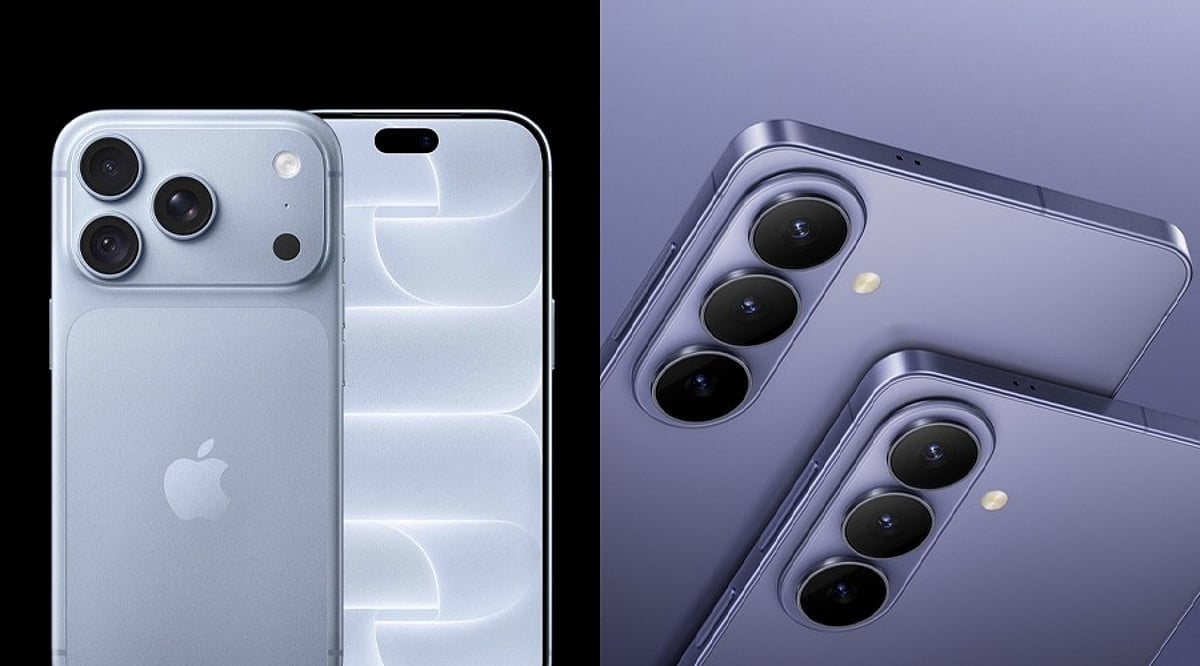
    Apple’s iPhone 18 Pro and Samsung’s Galaxy S26 Ultra battle for flagship supremacy in 2026. This guide compares pricing, chips, cameras, battery life, and software to help you pick the right phone.

    Price Comparison

    Apple raised prices this year, breaking its recent habit of holding steady across generations. The iPhone 18 Pro costs $100 more than its predecessor, partly due to memory chip costs jumping from $13 to $51 per unit. Samsung kept the Galaxy S26 Ultra price flat against the S25 Ultra. Both brands dropped the 128GB base option; every buyer now starts at 256GB minimum.

    Specifications and Design

    Display Details

    The iPhone 18 Pro carries a 6.3-inch OLED screen; the Pro Max stretches to 6.9 inches. Samsung’s Galaxy S26 Ultra also measures 6.9 inches. Both phones refresh at 120Hz for smooth scrolling.

    Processing Power

    Apple’s A20 Pro chip uses a 2-nanometer process for the first time. It pairs a 6-core CPU with a 7-core GPU, delivering 40 percent faster graphics than the A19 Pro. A 32-core Neural Engine doubles AI processing speed. Samsung runs the Snapdragon 8 Elite Gen 5 for Galaxy with 12GB of RAM standard. Early benchmarks show Apple leading in single-core tasks; Qualcomm’s chip holds its own during long gaming sessions.

    Camera Systems

    Apple introduced a mechanical variable aperture on the 48MP main camera, shifting between f/1.48 and f/4.0 using six blades. This gives photographers real control over depth and light. Samsung stuck with its proven quad-camera formula, anchored by a 200MP main sensor, relying more on Galaxy AI tools for deeper image processing. Each brand chose a different path: Apple bet on mechanical innovation, Samsung on resolution and computational photography.

    Battery and Charging

    Apple says its battery gains come from chip efficiency, not a bigger cell. The Pro Max now reaches 45 hours of video playback — the largest battery jump in company history. Samsung’s 60W charging still beats Apple’s fastest wired speed, giving Galaxy owners a quicker top-up.

    Software and AI Features

    Apple’s Approach

    The iPhone 18 Pro runs iOS 27 out of the box. Siri received a major overhaul, now running on Google Gemini’s foundation models. A new Ask Siri button sits alongside a redesigned interface.

    Samsung’s Approach

    The Galaxy S26 Ultra ships with Android 16. Samsung expanded its Galaxy AI toolkit, including a built-in Privacy Display feature that blocks nearby onlookers from seeing the screen.

    Final Verdict

    Choosing between these two flagships depends on personal priorities. Apple delivers real innovation through its variable aperture camera and the 2-nanometer chip, but at a steeper price. Samsung counters with a sharper 200MP sensor and faster charging, with stable pricing. Neither phone falls short on power, camera quality, or battery life. The decision often comes down to ecosystem loyalty: Apple loyalists will find the upgrade worthwhile; Samsung loyalists gain a refined phone without losing everyday value.

    FAQs

    • Which phone offers better value for money in 2026? The Galaxy S26 Ultra offers stronger value since its price stayed flat. The iPhone 18 Pro costs $100 more due to rising memory chip costs.
    • Does the iPhone 18 Pro have a better camera than the Galaxy S26 Ultra? The iPhone adds a variable aperture for manual light control; the Galaxy relies on a 200MP sensor. Each excels in different conditions.
    • Which flagship has the longer battery life? The iPhone 18 Pro Max reaches 45 hours of video playback, ahead of the Galaxy S26 Ultra’s 5,000 mAh cell. Samsung compensates with faster 60W charging.
    • Is the A20 Pro chip faster than the Snapdragon 8 Elite Gen 5? Early benchmarks show the A20 Pro leading in single-core performance and power efficiency, while the Snapdragon stays competitive during sustained gaming.
    • When did the Galaxy S26 Ultra and iPhone 18 Pro launch? The Galaxy S26 Ultra launched on March 11, 2026. The iPhone ải Pro and Pro Max became available on S eptember 18,2026., after their September 9 announcement.
  • Oppo Find N6 vs Motorola Razr Fold: Comparing Design, Performance, and Cameras

    Oppo Find N6 vs Motorola Razr Fold: Comparing Design, Performance, and Cameras

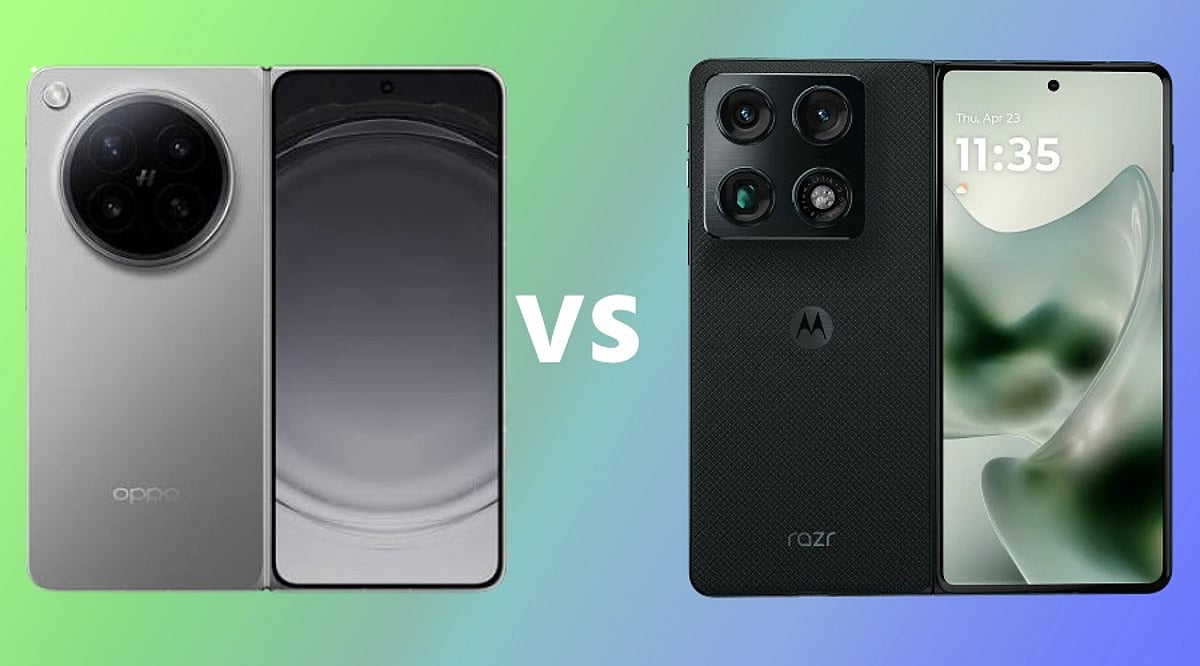
    The foldable smartphone market continues to heat up, with Oppo and Motorola each offering book-style devices that combine large screens with portability. The Oppo Find N6 and Motorola Razr Fold share several core specs—including 6,000mAh batteries, 80W wired charging, and 50W wireless charging—but differ significantly in design, camera systems, performance, and software support. This comparison breaks down the key differences to help you decide which foldable fits your needs.

    Design and Display

    The Oppo Find N6 features an 8.12-inch inner LTPO OLED display and a 6.62-inch cover screen, while the Motorola Razr Fold comes with an 8.1-inch internal display and a 6.6-inch cover panel. Both use LTPO OLED technology for the main screens, but the Razr Fold’s cover display supports a 165Hz refresh rate compared to the Find N6’s 120Hz cover screen.

    Oppo’s design focus is its second-generation Titanium Flexion Hinge, which the company says produces a ‘Zero-Feel Crease’—meaning the crease is barely visible under normal viewing angles, though it is still physically present. The Find N6 is also lighter and thinner: it weighs 225g and measures 4.2mm when unfolded (8.93mm folded), versus the Razr Fold’s 243g and 4.55mm unfolded (10.04mm folded).

    Performance and Software

    Under the hood, the Oppo Find N6 is powered by the Snapdragon 8 Elite Gen 5 Mobile Platform, while the Motorola Razr Fold uses the Snapdragon 8 Gen 5 chipset. Both are flagship-level processors, but the Elite variant in the Find N6 may offer a slight edge in raw performance.

    On the software side, the Find N6 runs Android 16 with ColorOS 16, which includes a Free-Flow Window feature that lets users run up to four apps simultaneously on the inner display. It also supports the optional OPPO AI Pen. The Razr Fold runs Android 16-based My UX and stands out with a promise of seven years of OS and security updates—a major advantage for long-term users.

    Camera Systems

    Camera hardware is one of the biggest differentiators. The Oppo Find N6 boasts a 200-megapixel Hasselblad Ultra-Clear Main Camera, a 50-megapixel ultra-wide lens, a 50-megapixel 3x periscope telephoto, and a dedicated True Color Camera. It supports 4K 120fps Dolby Vision recording on the main camera and 4K 60fps Dolby Vision on all three rear cameras.

    The Motorola Razr Fold uses a triple 50-megapixel setup: a main, ultra-wide, and telephoto camera. While still capable, it lacks the high-resolution main sensor and dedicated color camera found on the Oppo. For photography enthusiasts, the Find N6 clearly has the upper hand.

    Battery and Charging

    Both devices pack identical 6,000mAh silicon-carbon batteries and support 80W wired charging plus 50W wireless charging. In this area, neither phone holds a clear advantage—users can expect similar endurance and charging speeds from either foldable.

    Which One Should You Choose?

    The Oppo Find N6 excels in hardware: a more powerful processor, a superior 200MP Hasselblad camera system, a lighter and thinner design, and a nearly invisible crease. It’s the better choice for users who prioritize camera quality, performance, and a premium feel.

    The Motorola Razr Fold counters with a smoother 165Hz cover display, a versatile triple 50MP camera, and an industry-leading seven-year software update commitment. It appeals to those who value long-term support and a slightly more fluid cover screen experience.

    Ultimately, your decision should hinge on whether you want top-tier camera and performance hardware (Oppo) or extended software longevity and a higher refresh rate cover display (Motorola).

    Frequently Asked Questions

    Which phone has the larger display?

    The Oppo Find N6 has an 8.12-inch inner display, while the Motorola Razr Fold features an 8.1-inch internal display.

    Which foldable has a better camera?

    The Oppo Find N6 features a 200MP Hasselblad main camera, while the Motorola Razr Fold offers three 50MP rear cameras. The Oppo’s camera system is more advanced overall.

    Do both phones have the same battery capacity?

    Yes, both the Oppo Find N6 and Motorola Razr Fold pack 6,000mAh batteries with 80W wired charging and 50W wireless charging.

    Which phone is lighter?

    The Oppo Find N6 weighs 225g, making it lighter than the Motorola Razr Fold, which weighs 243g.

    Which phone offers longer software support?

    The Motorola Razr Fold offers seven years of OS and security updates, providing extended software support for users.

  • Vivo X300 Ultra vs OPPO Find X9 Ultra: Value Flagship vs Zoom King

    Vivo X300 Ultra vs OPPO Find X9 Ultra: Value Flagship vs Zoom King

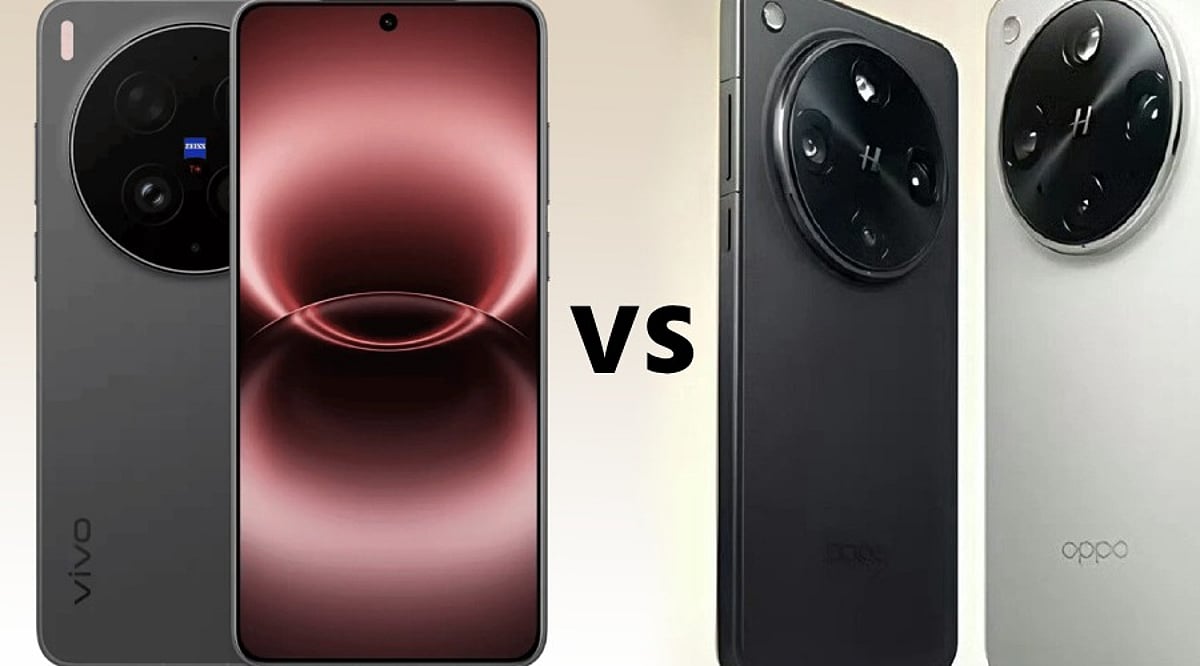
    The Vivo X300 Ultra and OPPO Find X9 Ultra are two of the most advanced Android flagships of 2026, each with a distinct focus. While both phones share the same Snapdragon 8 Elite Gen 5 processor, they diverge sharply in camera strategy, display brightness, battery capacity, and pricing. Here’s a breakdown of how they compare and which one suits different user priorities.

    Vivo X300 Ultra: Better Value and Brighter Display

    The Vivo X300 Ultra is priced at Rs. 1,59,999 in India for the 16GB RAM and 512GB storage variant. That’s Rs. 10,000 less than the OPPO Find X9 Ultra, which costs Rs. 1,69,999 for its 12GB/512GB model. Vivo also offers 4GB more RAM, making it a stronger choice for multitaskers and power users.

    Vivo’s 6.82-inch 2K AMOLED display reaches a peak brightness of 4,500 nits, significantly higher than OPPO’s 3,600 nits. Both screens feature a 144Hz refresh rate, ensuring smooth scrolling and gaming, but Vivo’s panel is better for outdoor visibility and HDR content.

    OPPO Find X9 Ultra: Superior Zoom and Bigger Battery

    OPPO’s main camera is a 200MP sensor with an f/1.5 aperture, while Vivo uses a similar 200MP sensor with an f/1.85 aperture. The real difference lies in the telephoto cameras. OPPO equips the Find X9 Ultra with a 200MP 3x telephoto and a 50MP 10x optical telephoto lens, offering up to 120x digital zoom. This makes it ideal for wildlife, sports, and distant subjects. Vivo’s 200MP telephoto offers 3.7x optical zoom with a 85mm focal length, which is better suited for portraits and close-up work.

    Battery capacity is another clear win for OPPO: 7,050mAh versus Vivo’s 6,600mAh. Both support 100W wired charging, but OPPO also offers faster 50W wireless charging versus Vivo’s 40W.

    Video and Software Features

    Vivo counters with superior video capabilities: 4K 120fps Dolby Vision, Log video support, and 60fps autofocus tracking. Its ZEISS camera system covers 35mm, 14mm, and 85mm focal lengths, giving creative users more flexibility. OPPO focuses more on still photography and zoom reach.

    Which One Should You Buy?

    If you prioritize value, display brightness, RAM, and video tools, the Vivo X300 Ultra is the better all-rounder. If you need extreme zoom range and longer battery life, the OPPO Find X9 Ultra is the clear winner. Both are flagship devices, but your choice depends on which features matter most.

    FAQs

    Which phone is better overall?

    The Vivo X300 Ultra offers better value with more RAM, a brighter display, and advanced video features at a lower price.

    Which phone has the best camera?

    OPPO wins for long-range zoom with its 10x optical telephoto; Vivo is better for portraits and video recording.

    Which has the bigger battery?

    OPPO Find X9 Ultra has a 7,050mAh battery, versus Vivo’s 6,600mAh.

    Which phone is more affordable?

    Vivo X300 Ultra is priced at Rs. 1,59,999, making it Rs. 10,000 cheaper than OPPO’s model.