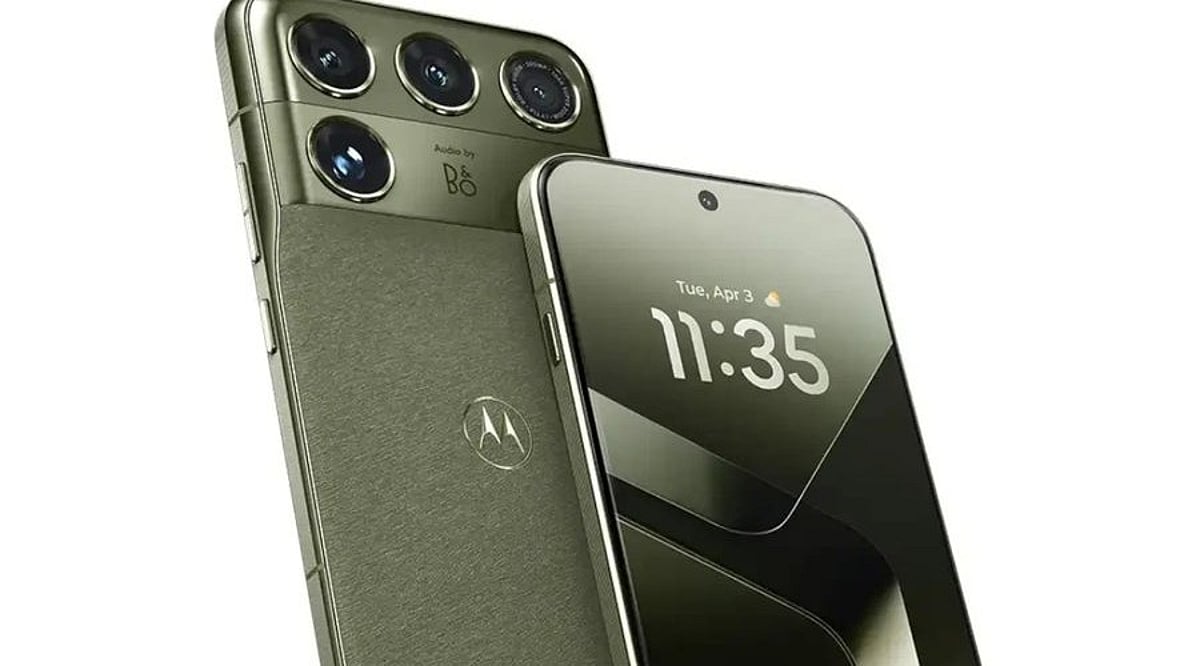
Motorola has officially unveiled the Motorola Signature 27, the second-generation model in its premium Signature family, at the Snapdragon Summit 2026. The device is one of the first smartphones to feature Qualcomm’s new Snapdragon 8 Elite Extreme Gen 6 Mobile Platform, and it is designed to deliver flagship performance, on-device AI, advanced photography, sustained cooling, and a premium design. While several core specifications remain undisclosed, Motorola has confirmed key features that position the Signature 27 as a high-end contender in the smartphone market.
Snapdragon 8 Elite Extreme Gen 6 Performance
The Signature 27 is powered by Qualcomm’s Snapdragon 8 Elite Extreme Gen 6 Mobile Platform, which Motorola says enables stronger on-device AI, responsive gaming, enhanced camera processing, and faster downloads. The phone also uses six antennas working together to support connectivity and cloud-based AI applications. Motorola has not yet detailed the processor’s clock speeds, memory configuration, or benchmark performance.
AI Features with Google Gemini
The smartphone integrates Google Gemini for tasks that go beyond conventional question answering. Motorola says Gemini can help users plan activities, make bookings, and find event tickets. Gemini Omni can turn prompts, photos, or existing footage into videos, while Lyria can generate original music and custom soundtracks. These features require compatible services, languages, and an internet connection.
50MP Sony LYTIA 910 Main Camera
Motorola has confirmed a 50MP Sony LYTIA 910 main sensor for the Signature 27. The company highlights its ability to capture detailed images with strong colour reproduction and contrast. The camera system combines dedicated hardware with computational photography and intelligent processing. Motorola has not yet provided full sensor dimensions, aperture details, or a complete list of camera modes.
200MP Periscope Telephoto Camera
A 200MP periscope telephoto camera is another major component of the phone’s camera system. Motorola says it is designed for photographing distant subjects, architectural details, and landscapes. The camera also combines Qualcomm Technologies’ image stabilisation with 3.5-degree OIS hardware.
AI-Powered Video Enhancement
Motorola’s Video Enhancement Engine adds an AI layer to video recording. It analyses a scene before and during capture and adjusts colour tones in real time. Motorola says the system is designed to support low-light recording, sharper footage, and natural-looking colours. The company did not publish detailed technical information about the processing pipeline or supported recording resolutions.
ArcticMesh Cooling System
The Signature 27 introduces Motorola’s ArcticMesh cooling system, combining diamond-infused thermal gel, liquid metal, copper mesh, and a redesigned 3D vapour chamber. Motorola says the vapour chamber is 40 percent larger than the previous generation. The system is intended to manage heat during sustained gaming, AI workloads, and video use, helping maintain performance over longer sessions.
Audio by Bang & Olufsen
The Signature 27 will be Motorola’s first smartphone featuring Audio by B&O, following the company’s recently announced multi-year partnership with Bang & Olufsen. The collaboration brings B&O’s audio expertise and design approach into Motorola’s premium smartphone range. Motorola has not yet revealed detailed speaker specifications, supported audio formats, or other hardware information related to the partnership.
Premium Design and Finishes
The phone features an aluminium silhouette with contoured edges and a distinctive camera housing combining ceramic and brushed aluminium. Motorola has announced two finishes: PANTONE Coal Smoke with a Tactical Weave texture and PANTONE Capulet Olive with a brushed, textile-inspired finish. The company says the textures are intended to provide a distinctive tactile experience and improved grip.
Seven Years of Software Updates
Motorola is promising seven OS upgrades and up to seven years of security updates, starting from the global launch date. The company notes that support can vary by market, network provider, and model. The Signature 27 is expected to launch with Android 17, although Motorola has not yet disclosed the precise software rollout schedule.
Availability and Specifications yet to be Confirmed
Motorola did not announce the Signature 27’s price or exact sale date. Several important specifications also remain undisclosed, including display size and refresh rate, battery capacity, charging speeds, RAM, storage, and the complete camera configuration. Motorola says the phone is expected to reach markets worldwide in 2026 and will provide additional details closer to availability.
Frequently Asked Questions
What processor does the Motorola Signature 27 use?
The Motorola Signature 27 uses Qualcomm’s Snapdragon 8 Elite Extreme Gen 6 Mobile Platform, supporting on-device AI, gaming, camera processing, and connectivity.
What AI features are available on the Motorola Signature 27?
The phone integrates Google Gemini, Gemini Omni, and Lyria, enabling assistance, video creation from prompts or footage, music generation, and personalised soundtracks.
What cameras does the Motorola Signature 27 feature?
Motorola has confirmed a 50MP Sony LYTIA 910 main sensor and 200MP periscope telephoto camera, alongside Qualcomm stabilisation and 3.5-degree OIS.
How long will Motorola support the Signature 27?
Motorola promises seven OS upgrades and up to seven years of security updates, beginning from the global launch date, subject to market variations.
When will the Motorola Signature 27 launch?
Motorola says the Signature 27 is expected to reach markets worldwide in 2026, but it has not announced pricing or an exact sale date.