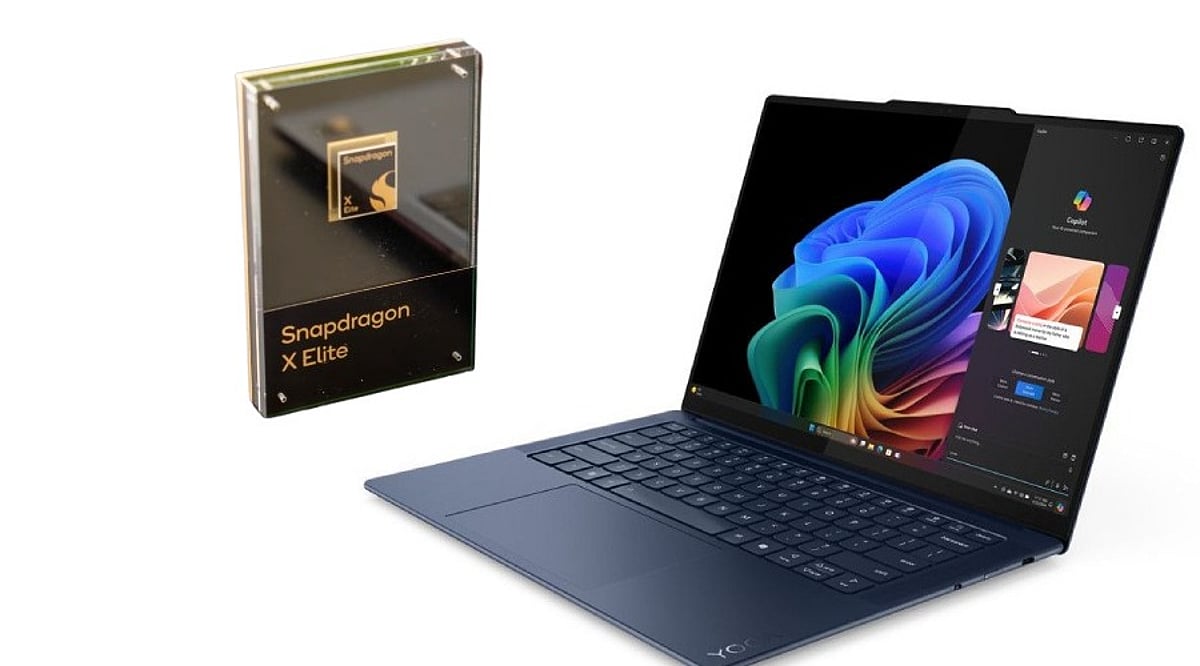
Qualcomm’s Snapdragon X2 generation is pushing AI PCs beyond marketing language. The platform pairs dedicated neural processing with efficient CPUs and GPUs, aiming to make AI-assisted work feel more native on laptops. Here are five areas where the new Snapdragon AI PCs are expected to make a difference.
1. More capable on-device AI
The centerpiece is the NPU. Snapdragon X2 Elite processors are listed with up to 85 TOPS of NPU performance in some configurations, while other listings cite 80 TOPS. The NPU works alongside the CPU and GPU, so supported apps can run AI workloads locally instead of sending every request to the cloud. That opens the door to multimodal tasks involving text, images, video, and audio, with faster responses and smoother AI tools when software is optimized.
2. AI agents that can handle multi-step tasks
Snapdragon X2 platforms are built to support agentic AI experiences. Rather than only answering a question, supported applications can break a user’s goal into steps and use available tools to carry out parts of the workflow. Qualcomm has demonstrated native agentic apps for document search, content creation, web research, and workflow automation. The caveat: real-world usefulness will depend on developer support and app integration.
3. Battery life and efficient processing
Performance matters only if a laptop can sustain it. Snapdragon PCs continue to emphasize power efficiency, and Qualcomm says Snapdragon X Series devices can reach up to 22 hours of battery life. Actual mileage will vary by hardware, software, display, and workload. The architecture spreads tasks across processing units, so AI work can use the NPU instead of overloading the CPU. That can help laptops stay responsive while cutting unnecessary power draw.
4. Smarter cameras, audio, and connectivity
AI features are also moving into everyday communication. Snapdragon platforms support AI-enhanced camera and audio processing, which can improve video calls, background effects, voice handling, and related tools. Snapdragon X2 systems include Wi-Fi 7 support and advanced display capabilities, with some configurations able to drive up to three 5K displays at 60Hz. That makes these PCs relevant for mobile productivity and workstation-style setups.
5. Local processing with more privacy
On-device AI can offer more than speed. When suitable tasks are processed locally, less sensitive data has to leave the device. Qualcomm also highlights chip-to-cloud security across Snapdragon X2 platforms. This does not remove the cloud from the picture. Demanding workloads can still use cloud services, while the PC follows a hybrid model: local processing for appropriate tasks and cloud capacity when needed.
What the next Snapdragon AI PCs could mean for users
The next generation of Snapdragon laptops is becoming more AI-focused. Dedicated NPUs are getting faster, and software is catching up. Agentic AI may be one of the most noticeable shifts, moving AI tools from simple Q&A toward workflow assistance. Battery efficiency remains a major advantage for mobile users, and local processing could make some AI experiences faster and more private. Still, hardware specifications alone do not guarantee a better AI experience. The final result will depend on the device, the applications, and how well developers use the platform.
FAQ
What are Snapdragon AI PCs?
They are computers powered by Qualcomm Snapdragon platforms with dedicated AI processing. Their NPUs can handle supported AI workloads alongside the CPU and GPU, enabling local AI features and AI-assisted applications.
What is the Snapdragon X2 Elite NPU?
It is a dedicated neural processing unit for AI workloads. The article cites up to 80 TOPS of NPU performance, with some configurations listed at up to 85 TOPS. Actual capabilities depend on the specific device and software.
What can on-device AI do on Snapdragon PCs?
On-device AI can process supported workloads directly on the computer, including tasks involving text, images, audio, and other content. This can reduce dependence on cloud processing for suitable workloads.
What is agentic AI on a Snapdragon PC?
Agentic AI goes beyond simple question-and-answer interactions. Supported applications can break a user’s goal into multiple steps and use applications and tools to complete parts of that workflow.
Do Snapdragon AI PCs have better battery life?
Snapdragon PCs emphasize power efficiency alongside performance. Qualcomm says Snapdragon X Series devices can deliver up to 22 hours of battery life. Actual battery performance varies by device, software, workload, display, and usage conditions.