Tag: Snapdragon

  • Motorola Razr Flex: Wide Foldable Phone with 165Hz OLED and Snapdragon Chip Expected in December

    Motorola Razr Flex: Wide Foldable Phone with 165Hz OLED and Snapdragon Chip Expected in December

    Motorola is preparing to introduce a new book-style foldable smartphone, the Razr Flex (codenamed Parker), which could launch in December 2026. The device marks Motorola’s entry into the wide foldable segment, expanding beyond its traditional clamshell designs.

    Design and Display

    The Razr Flex is expected to feature a compact design with a 6.92-inch inner OLED display offering a 2,364 × 1,728 resolution and a smooth 165Hz refresh rate. On the outside, a 4.97-inch OLED cover display with 1,736 × 1,140 resolution provides quick notifications and selfie previews. The phone measures 110 × 149 × 5.8mm unfolded and 110 × 76 × 12.6mm folded, weighing around 215 grams.

    Performance and Battery

    Under the hood, the device is rumored to pack Qualcomm’s Snapdragon 8 Elite Gen 5 processor, 12GB of RAM, and 256GB of storage. A 5,000mAh battery supports 25W wireless charging, and the phone will run Android 17 at launch. It also boasts IP48 and IP49 protection for dust and water resistance.

    Camera System

    The Razr Flex is said to include dual 50MP cameras, enabling high-resolution photography and video. This setup aligns with Motorola’s focus on imaging capabilities in its foldable devices.

    Launch and Availability

    Motorola has not officially confirmed the name or launch date, but leaks point to a mid-December release. Pricing and market availability are still unknown. More details are expected as the launch window approaches.

  • Qualcomm Unveils Agentic Smartphone Vision: On-Device AI to Automate Tasks Across Apps

    Qualcomm Unveils Agentic Smartphone Vision: On-Device AI to Automate Tasks Across Apps

    Qualcomm has unveiled its ambitious vision for the next generation of smartphones at the Snapdragon Summit 2026 in Maui. The company’s handset chief, Christopher Patrick, and premium mobile leader Dino Bekis introduced the concept of the ‘agentic smartphone’ — a device that acts as an intelligent assistant capable of understanding user intent and autonomously completing multi-step tasks across different applications.

    For example, if someone emails you their contact details, instead of manually copying that information into your contacts app and forwarding it, the phone’s AI agent could handle the entire process automatically, only pausing to ask for your approval when necessary.

    However, this level of automation raises significant privacy concerns. To function effectively, the AI needs access to personal data such as emails, photos, and app accounts. Qualcomm’s solution is to process as much of this data as possible on the device itself, minimizing reliance on cloud servers. Users would have clear control over permissions, able to grant or revoke access at any time.

    The strategy is powered by Qualcomm’s newest processors: the Snapdragon 8 Elite Extreme Gen 6 and the Snapdragon 8 Elite Gen 6. Both chips feature the company’s Oryon CPU and Hexagon NPU, along with a low-power Sensing Hub that continuously monitors context without draining the battery. The Extreme version offers enhanced performance for graphics, camera, and video workloads.

    Qualcomm is also collaborating with Liquid AI to develop a system that builds a user profile from device data (with permission), giving AI agents the context they need without constant cloud access. Heavier AI workloads will still be offloaded to the cloud, but the goal is to split tasks based on privacy, speed, and cost considerations.

    While the chips are ready, the full realization of this vision depends on smartphone manufacturers and app developers building the necessary permission systems and app connections. Qualcomm has laid the foundation, but the ecosystem must catch up to make the agentic smartphone a reality in everyday life.

  • Qualcomm’s Agentic AI Vision Could Reshape Smartphones — But Raises Data Privacy Concerns

    Qualcomm’s Agentic AI Vision Could Reshape Smartphones — But Raises Data Privacy Concerns

    Qualcomm CEO Cristiano Amon recently outlined a future where smartphones evolve from simple command receivers into proactive AI agents capable of understanding user intent and completing tasks autonomously. Speaking at the Snapdragon Summit 2026 in Maui, Amon described the transition to an ‘agentic age,’ where artificial intelligence becomes the central driver of the mobile experience.

    “We are going from a phone-centric model to an agent-centric model. Going forward, agents will become the center of experience. We can finally see what an AI phone truly means,” Amon said.

    To support this vision, Qualcomm unveiled two new mobile platforms: the Snapdragon 8 Elite Gen 6 and Snapdragon 8 Elite Gen 6 Extreme. These chips are designed to handle substantial AI workloads locally, reducing the need to offload every task to the cloud. This local processing could enable faster, more private interactions — but it also requires the phone to access more personal data, such as calendars, messages, and shopping details, to anticipate user needs.

    Amon acknowledged the importance of user permission and context, stating, “The permission to use will be very important. And, so is context. Because the phone is very personal and specific to you. Agentic AI will need your phone to do a lot more than just execute tasks for you.”

    The shift could fundamentally change how users interact with their devices. Instead of manually controlling every step, users might only need to approve key actions while the phone handles the rest. Qualcomm expects this agentic model to extend beyond smartphones to PCs, smart glasses, wearables, and cars, creating a seamless ecosystem of interconnected devices.

    As AI agents take on more responsibility, the balance between convenience and privacy becomes critical. Users will need clear visibility into what their devices access and when they are allowed to act. Transparent permission controls and user oversight will be just as important as AI performance in earning trust.

  • Honor Robot Phone Pre-Orders Begin: 200MP Camera, Robotic Gimbal, and Up to 16GB RAM Teased

    Honor Robot Phone Pre-Orders Begin: 200MP Camera, Robotic Gimbal, and Up to 16GB RAM Teased

    Honor has officially opened pre-orders for the highly anticipated Robot Phone in China, ahead of its official launch on August 12. The futuristic smartphone has generated significant buzz thanks to its innovative robotic camera system and AI-powered imaging features, positioning it as one of the year’s most exciting flagship devices.

    Camera Details Revealed

    The Honor Robot Phone is expected to feature a 200MP main camera mounted on a robotic gimbal, complemented by a 200MP periscope telephoto lens and a 50MP ultra-wide camera. This setup promises advanced stabilization, intelligent subject tracking, and professional-grade video capabilities.

    AI Imaging Features

    Honor has equipped the Robot Phone with its AiMAGE imaging platform and the self-developed Yuguang H1 imaging chip. The phone also supports ARRI LogC3, cinematic LUTs, and Wide Gamut 3 colour profiles, targeting professional creators and filmmakers.

    RAM and Storage Variants

    The company has teased multiple memory configurations. Leaks indicate options including 12GB RAM with 256GB or 512GB storage, while higher-end versions may offer up to 16GB RAM and 1TB internal storage for power users.

    Robotic Camera System

    Unlike conventional smartphones, the Robot Phone houses a titanium alloy robotic gimbal that automatically extends, tracks subjects in 360 degrees, and delivers mechanical stabilization. The movable camera is designed to enhance photography, vlogging, and video calling experiences.

    Performance Expectations

    The Robot Phone is expected to run on Qualcomm’s Snapdragon 8 Elite Gen 5 processor. It is also tipped to feature a 1.5K flat display, an AI-powered YOYO assistant, fast charging support, and premium flagship hardware for demanding workloads.

    Launch Timeline

    Honor will officially unveil the Robot Phone on August 12 in China. The launch event is expected to reveal pricing, complete specifications, availability, and global rollout plans, while showcasing the company’s latest AI-powered imaging technologies and robotic innovations.

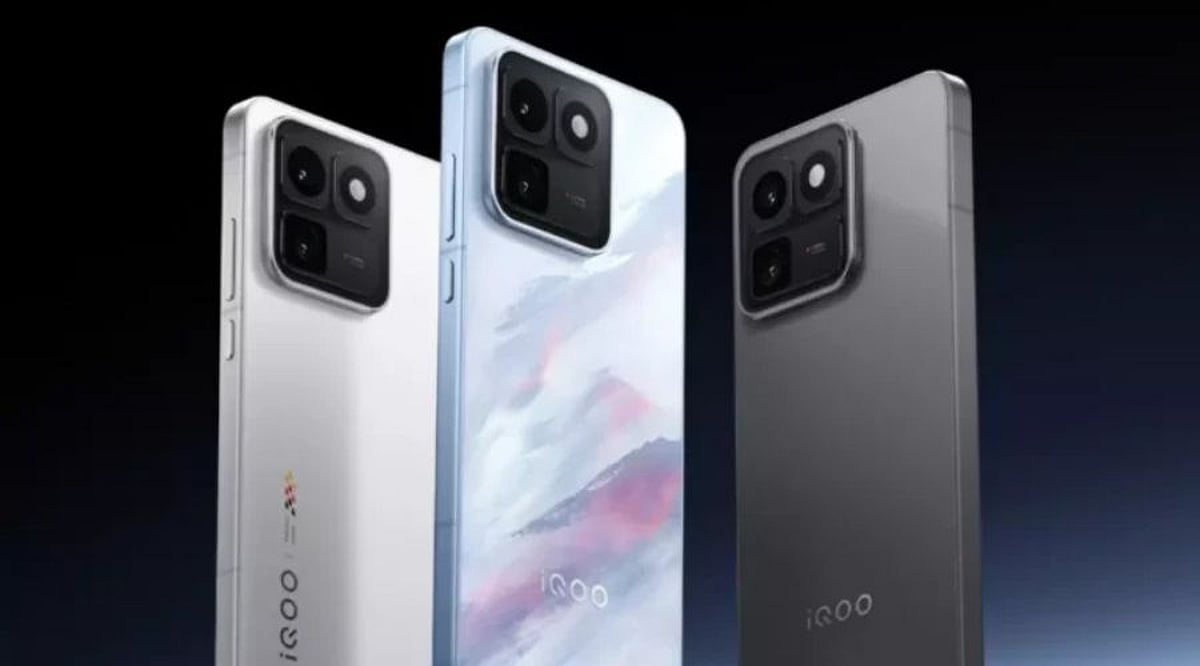
  • iQOO 16T Leak Reveals Flagship Specs: Snapdragon Chip, 144Hz Display, 7,000mAh Battery

    iQOO 16T Leak Reveals Flagship Specs: Snapdragon Chip, 144Hz Display, 7,000mAh Battery

    Recent leaks suggest that the iQOO 16T is shaping up to be a premium performance-focused smartphone, targeting gamers, creators, and power users. The device is expected to bring significant upgrades in processing power, display technology, battery capacity, and AI-powered software features. While iQOO has not officially confirmed the specifications, early reports paint a picture of a flagship competitor.

    Powerful Processor Could Drive Performance

    According to leaks, the iQOO 16T may feature one of Qualcomm’s latest flagship Snapdragon chipsets, delivering faster processing speeds and improved power efficiency. Combined with high-speed LPDDR5X RAM and UFS 4.1 storage, the smartphone is expected to offer smooth multitasking, faster app loading, and enhanced gaming performance for demanding workloads and intensive mobile applications.

    Display May Offer Smooth Visual Experience

    Leaks indicate the iQOO 16T could feature a large AMOLED display with a refresh rate of up to 144Hz, providing smoother scrolling and responsive gaming. The screen is also expected to deliver high brightness, vibrant colors, and excellent HDR support, making it ideal for streaming, gaming, reading, and everyday use under various lighting conditions.

    Bigger Battery and Faster Charging Expected

    Battery performance is expected to be a major highlight. Reports suggest the phone may include a battery exceeding 7,000mAh along with ultra-fast wired charging support. This combination could allow extended gaming sessions, video streaming, and productivity tasks with minimal charging interruptions, even during heavy usage.

    Camera System May Receive AI Enhancements

    Latest leaks indicate iQOO could introduce improved AI-powered camera features on the 16T. Expected upgrades include better night photography, enhanced portrait processing, faster autofocus, and improved video stabilization. AI image optimization may also help users capture sharper photos with natural colors across different lighting conditions without manual adjustments.

    Software Could Focus on AI Productivity

    The iQOO 16T is expected to launch with the latest Android version alongside an updated custom interface featuring new AI capabilities. Leaks mention smarter voice assistance, AI-powered photo editing, real-time translation, intelligent battery optimization, and productivity tools designed to improve everyday smartphone usage while delivering smoother overall system performance.

    Launch Details Still Await Official Confirmation

    Although multiple leaks have revealed expected specifications, iQOO has yet to officially announce the 16T. Final hardware, pricing, regional availability, and launch dates may differ from current reports. If the leaked information proves accurate, the smartphone could become a strong competitor in the flagship Android segment by combining premium hardware, AI features, and fast charging technology.


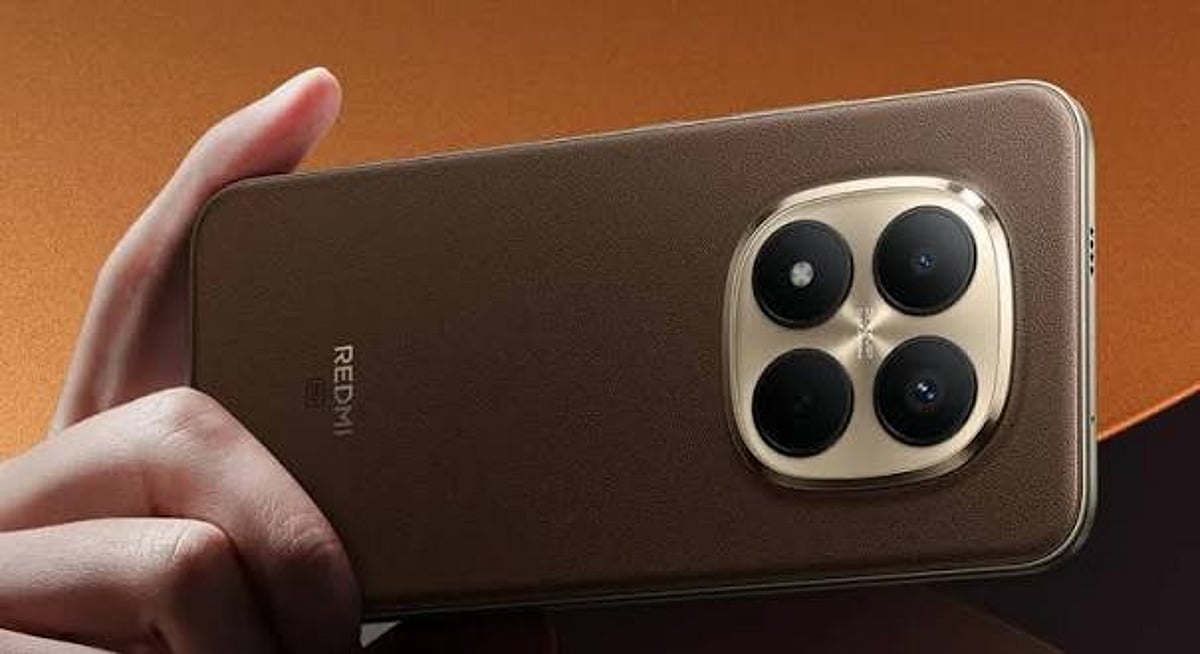
  • Redmi Note 17 Series Leak: Snapdragon Power, Brighter OLED, and Bigger Batteries

    Redmi Note 17 Series Leak: Snapdragon Power, Brighter OLED, and Bigger Batteries

    Xiaomi is on the verge of launching the Redmi Note 17 series, and new leaks have revealed key details about the upcoming devices. According to information shared on Weibo, the Redmi Note 17 and Redmi Note 17 Pro are expected to deliver faster performance, brighter OLED displays, and significantly larger batteries—continuing the line’s tradition of offering strong features at a competitive price.

    Snapdragon Chips and Massive Batteries

    The Redmi Note 17 is rumored to be powered by a Snapdragon 4 Gen 4 chipset, paired with a bright 7-inch OLED display. The phone is also said to include a 50MP main camera and an 8,000mAh battery supported by 45W wired charging. The Pro model is expected to step up to a Snapdragon 6s Gen 4 processor, along with a 7-inch OLED screen, a 50MP primary camera, and a dedicated 50MP telephoto lens for improved zoom photography. Its battery may reach 9,000mAh, with Xiaomi offering a five-year warranty on battery replacements, according to the leak.

    Are 7-Inch Phones Making a Comeback?

    The rumored near-7-inch screens are a major talking point. A larger display benefits gaming, video watching, reading, and multitasking, catering to users who spend hours on their phones daily. However, oversized phones can be less comfortable for one-handed use and may feel bulky in pockets. With foldable devices normalizing large screens, some users may be ready for this shift, though practicality remains a consideration.

    Xiaomi Leading a Battery War?

    The Redmi Note 17 Pro appears poised to be one of the most aggressive mid-range offerings, combining a massive battery, bright OLED, and strong Snapdragon performance. Battery life has become a crucial differentiator as smartphone usage for gaming, streaming, work, and social media increases. Competitors such as Vivo, Honor, and Realme have also been boosting battery capacities, but Xiaomi could push the trend further with a budget-friendly device. If that happens, it could prompt rivals to follow suit, benefiting consumers with longer-lasting phones.

    Xiaomi has not officially confirmed these details as of press time. The company is expected to launch the Redmi Note 17 series in China on July 14.

  • Best Smartphones with Snapdragon Chips for Mobile Gaming in 2025

    Best Smartphones with Snapdragon Chips for Mobile Gaming in 2025

    Snapdragon flagship processors deliver exceptional CPU and GPU power, ensuring smooth gameplay, faster loading times, and consistent high frame rates across demanding mobile titles. Here are the top phones powered by Snapdragon chips that excel in mobile gaming.

    ASUS ROG Phone 9 Pro

    Built specifically for gamers, it combines the Snapdragon 8 Elite chipset, AirTriggers, advanced cooling, and a 185Hz AMOLED display for immersive gaming.

    RedMagic 11 Pro

    Featuring active cooling, Snapdragon 8 Elite Gen 5, and a massive battery, this gaming phone maintains peak performance during extended, graphics-intensive gaming sessions.

    OnePlus 15

    Offering flagship Snapdragon power with vapor chamber cooling, the OnePlus 15 balances gaming, photography, productivity, and long-lasting battery life in one premium package.

    iQOO 15

    Powered by Snapdragon 8 Elite Gen 5, the iQOO 15 delivers sustained gaming performance, responsive touch controls, and excellent value for competitive mobile gamers.

    iQOO Neo 10

    The iQOO Neo 10 combines flagship Snapdragon performance, fast charging, efficient cooling, and a smooth high-refresh display at a competitive mid-premium price point.

    Realme GT 7

    Equipped with a powerful Snapdragon chipset and advanced thermal management, the Realme GT 7 delivers stable frame rates and responsive gameplay for enthusiasts.

    POCO F7

    The POCO F7 offers flagship-grade Snapdragon performance, excellent display quality, efficient cooling, and aggressive pricing, making it ideal for budget-conscious gamers.

    Choosing the Right Snapdragon Chip

    Snapdragon 8 Elite and 8 Elite Gen 5 lead in gaming performance, while Snapdragon 8 Gen 3 and 8s Gen 4 offer excellent value.

  • Top Smartphones for GTA 6 Remote Play: Performance and Features Compared

    Top Smartphones for GTA 6 Remote Play: Performance and Features Compared

    With the highly anticipated release of Grand Theft Auto 6 on PS5 and Xbox Series X|S, gamers are eager to play on the go using Remote Play. To deliver a console-quality experience, your smartphone needs a flagship processor, a high-refresh-rate display, low-latency connectivity, and efficient cooling. We’ve rounded up the best phones that meet these demands for smooth, responsive GTA 6 remote play sessions.

    ASUS ROG Phone 9 Pro

    The ASUS ROG Phone 9 Pro is built for gaming. Its Snapdragon 8 Elite chipset ensures fluid video decoding minimal input lag. The 185Hz AMOLED display delivers buttery visuals, while AirTriggers and advanced cooling maintain peak performance over fast Wi-Fi.

    RedMagic 11 Pro

    With active cooling, a Snapdragon 8 Elite Gen 5 processor, shoulder triggers, and a massive 7,500mAh battery, the RedMagic 11 Pro lets you stream GTA 6 for hours without interruption.

    Samsung Galaxy S26 Ultra

    Samsung’s flagship features the Snapdragon 8 Elite Gen 5, a premium AMOLED display, and Wi-Fi 7 support — perfect for responsive gameplay with outstanding visual quality.

    OnePlus 15

    Combining Snapdragon flagship performance, vapor chamber cooling, and fast touch response, the OnePlus 15 is ideal for PlayStation Remote Play sessions.

    iQOO 15

    Equipped with the Snapdragon 8 Elite Gen 5 chipset, responsive display, and excellent sustained performance, the iQOO 15 shines in cloud and remote gaming scenarios.

    POCO F6 Pro

    Powered by the Snapdragon 8 Gen 3, the POCO F6 Pro offers flagship-grade streaming performance, efficient cooling, and exceptional value for gamers on a budget.

    Essential Features for GTA 6 Remote Play

    When choosing a phone for Remote Play, look for Wi-Fi 6E or Wi-Fi 7 support, a 120Hz or faster display, stereo speakers, and a large battery. These features ensure low latency, immersive audio, and extended playtime.

    Since GTA 6 launches on PS5 and Xbox Series X|S, Remote Play demands fast networking, powerful hardware, and responsive displays. The phones listed above deliver precisely that, letting you take Los Santos wherever you go.