Tag: software updates

  • Google Accelerates Chrome Updates to Every Two Weeks Beginning September 2026

    Google Accelerates Chrome Updates to Every Two Weeks Beginning September 2026

    Overview

    Google is overhauling Chrome’s release schedule, moving from a four-week update cycle to a two-week cycle starting with Chrome 153 on September 8, 2026. This change affects desktop, Android, and iOS users, delivering faster security patches, quicker feature rollouts, and simpler bug fixes. Enterprise users and Chromebooks will continue on an eight-week extended stable schedule.

    History Behind Chrome’s Release Schedule

    Chrome hasn’t always updated this fast. Five years ago, Google shifted from a six-week cycle to a four-week cycle, a move that most Chromium-based browsers (including Microsoft Edge) followed. Mozilla Firefox also adopted a similar rhythm. In 2023, Google introduced weekly security updates and an early stable release option, laying the groundwork for this acceleration.

    What Actually Changes from September 2026

    Chrome 153 marks the start of the new schedule. Its stable release lands on September 8, 2026. Key details include:

    • New beta and stable versions ship every two weeks.
    • Chrome Beta versions release three weeks before each stable version.
    • Dev and Canary channels remain unchanged.
    • Extended Stable retains its eight-week cycle for enterprise use.
    • Chromebooks continue receiving updates after separate platform testing.

    Under the old system, Chrome 153’s stable cut was set for October 6. Under the new system, that date moved to September 8 — nearly a month earlier.

    Why Google Made This Decision

    Google’s stated reason: the web platform evolves rapidly, and a four-week wait no longer fits the pace. Developers need faster access to new capabilities, and users need quicker protection against emerging threats.

    Smaller Updates Reduce Complications

    Shorter cycles mean each update carries fewer changes, making them easier to test and fix. Engineers can pinpoint problems faster when fewer changes ship at once. This reflects a common software principle: frequent, smaller releases cause less disruption than large, infrequent ones.

    Faster Security Response

    Security is a major driver. A shorter cycle narrows the window between finding a vulnerability and patching it. Combined with the weekly security updates from 2023, this two-week cycle strengthens Chrome’s overall defense. Hackers often exploit known flaws before users update; cutting the cycle in half reduces that exposure significantly.

    Meeting Developer Demands

    Web developers build for a fast-changing internet. New APIs, performance tools, and browser capabilities emerge constantly. A four-week wait often felt slow. By halving the cycle, Google aligns Chrome more closely with developer expectations and pressures other browser makers to consider similar changes.

    How to Update Chrome Properly

    With updates arriving twice as often, knowing how to update matters more. Automatic updates remain the easiest option. For manual updates:

    1. Open Chrome and click the three-dot menu.
    2. Select Help, then About Google Chrome.
    3. Let Chrome check for and download any update.
    4. Click Relaunch to finish installing.

    Checking manually once in a while helps avoid missing important patches.

    What This Means for Enterprises

    Enterprise administrators still rely on Extended Stable, which keeps its eight-week cycle. Large organizations need time to test updates before wide deployment. Chromebooks follow a similar pattern, receiving updates after dedicated platform testing to protect schools and businesses.

    Final Words

    Google’s decision to shorten the Chrome update cycle reflects a browser built for speed. This is not a small technical tweak — it represents a shift in how Google views its responsibility toward users and developers. The change follows a familiar pattern: from six weeks to four, and now from four to two. Each step aims at faster fixes and quicker access to new features. For regular users, keep automatic updates on. For developers, the shorter beta window means testing schedules need more discipline. As Chrome tightens its release rhythm, Google intends to keep pace with the web, not lag behind it.

    FAQs

    1. When does Chrome’s new two-week update cycle start?

    The new cycle begins with Chrome 153’s stable release on September 8, 2026, replacing the four-week schedule.

    2. Does this update cycle apply to mobile Chrome users as well?

    Yes, the two-week cycle covers desktop, Android, and iOS platforms equally.

    3. Will enterprise users also receive updates every two weeks?

    No, Extended Stable keeps its eight-week cycle for enterprise administrators and Chromium embedders.

    4. What is the easiest way to keep Chrome updated automatically?

    Chrome updates automatically when the browser restarts periodically. You can also check manually via the three-dot menu, Help, About Google Chrome, then Relaunch.

    5. Why did Google choose to shorten the Chrome release schedule?

    Google wants developers and users to access new features, improvements, and security fixes faster, as the evolving web platform made the older four-week cycle feel increasingly slow.

  • Google Chrome 153 Introduces Two-Week Release Cycle to Deliver Faster Security Fixes

    Google Chrome 153 Introduces Two-Week Release Cycle to Deliver Faster Security Fixes

    Google has launched Chrome 153 with a new two-week release cycle across desktop, Android, and iOS. The accelerated schedule is designed to deliver security fixes, bug patches, performance updates, and new features more quickly while reducing the gap between vulnerability discovery and patch deployment.

    Under the previous system, major Chrome versions arrived every four weeks. Before 2021, the browser followed a six-week schedule. Google says the faster cycle will help its teams release smaller updates more often. The Chrome team described the change as ‘a win for the entire web.’ Shorter development windows also mean web developers receive browser fixes and new web features sooner.

    Chrome users on desktop, Android, and iOS will now receive more frequent stable releases. Each update is expected to include fewer changes because development work is divided across shorter release periods. Chrome 154 is scheduled to arrive on September 22, continuing the new two-week pattern.

    Security is a key driver behind the change. Google has increased its use of AI tools to search for software flaws and support vulnerability research. Community researchers continue to report security bugs through Chrome’s existing programs. Shorter release cycles can reduce the ‘N-day patch gap’—the period between public discovery of a security problem and delivery of a fix. A shorter gap limits the time attackers have to exploit known vulnerabilities before users receive patches.

    The faster schedule also makes it easier to isolate software regressions. Smaller releases contain fewer changes, helping developers identify the source of a problem when a new update causes an error. Google previously moved Chrome from a six-week to a four-week cycle in 2021.

    Enterprise customers have more flexibility under the new system. Google recommends the two-week Stable channel for most organizations. Companies that cannot manage updates every two weeks can use Chrome’s Extended Stable channel, which follows an eight-week schedule.

    Google is also preparing other changes. Starting with Chrome 155, Android users will see a redesigned notification permission interface aimed at reducing prompt fatigue. Other browser developers like Microsoft Edge, Mozilla Firefox, and Brave have also introduced or explored shorter update cycles.

    With Chrome 153, Google has formally moved its main browser to a two-week stable release cycle, supporting faster security patches, more frequent feature delivery, and quicker updates across major operating systems.

  • Samsung Galaxy F70 Pro 5G Launched in India: Price, Specs, and Key Features Revealed

    Samsung Galaxy F70 Pro 5G Launched in India: Price, Specs, and Key Features Revealed

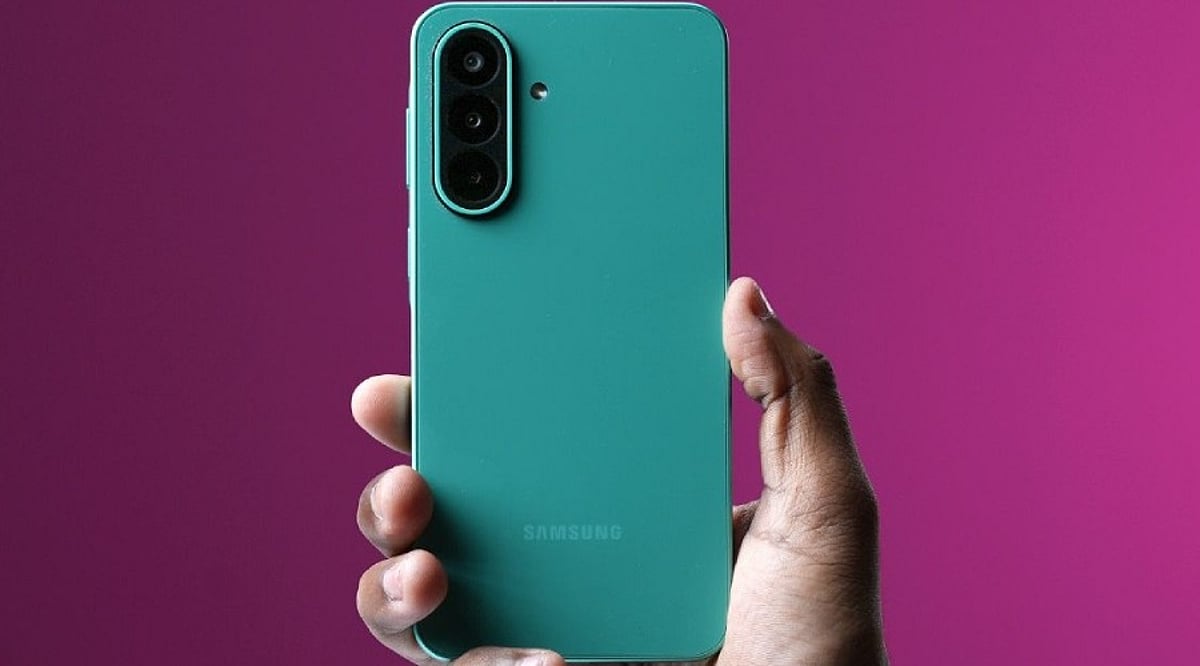
    Samsung has officially introduced the Galaxy F70 Pro 5G in India, offering a compelling mid-range package with a large AMOLED display, a capable Snapdragon processor, a massive battery, and long-term software support. The phone goes on sale starting August 8, 2026, in Alpha Black and Aura Green color options.

    Pricing and Availability

    The Galaxy F70 Pro 5G is available in three configurations:

    • 6GB RAM + 128GB storage: ₹23,999
    • 8GB RAM + 128GB storage: ₹29,999
    • 8GB RAM + 256GB storage: ₹34,999

    Display: 6.7-Inch Super AMOLED with 120Hz

    Samsung equips the F70 Pro 5G with a 6.7-inch Super AMOLED display featuring Full HD+ resolution and a 120Hz refresh rate. The panel supports HDR content, delivering vibrant colors and deep contrast for an immersive viewing experience. Slim bezels and a punch-hole front camera maximize screen real estate.

    Performance: Snapdragon 6 Gen 3 and One UI 8

    Under the hood, the Qualcomm Snapdragon 6 Gen 3 chipset powers the device, paired with LPDDR5X RAM. The phone runs Android 16 with Samsung’s One UI 8, offering a smooth and feature-rich interface. Storage options include 128GB and 256GB internal memory, expandable via microSD.

    Camera: 50MP Triple Rear Setup with OIS

    The rear camera system comprises a 50MP primary sensor with Optical Image Stabilization (OIS), a 5MP ultra-wide lens, and a 2MP macro shooter. The front-facing camera is a 12MP HDR sensor capable of 4K video recording. OIS helps capture sharp photos even in low light.

    Battery and Charging: 6,000mAh with 45W Fast Charging

    A standout feature is the 6,000mAh battery, which supports 45W fast charging via USB Type-C. This combination ensures long hours of use and quick top-ups.

    Software Updates: Six Years of Support

    Samsung promises six major Android OS upgrades and six years of security updates, significantly extending the phone’s useful life and value.

    Additional Features

    • In-display fingerprint scanner
    • Stereo speakers
    • Samsung Knox security
    • 5G connectivity
    • Dual SIM support
    • IP64 dust and water splash resistance

    FAQs

    What is the starting price of the Samsung Galaxy F70 Pro 5G?

    The Galaxy F70 Pro 5G starts at ₹23,999 in India for the 6GB RAM + 128GB storage variant.

    Which processor powers the Galaxy F70 Pro 5G?

    It is powered by the Qualcomm Snapdragon 6 Gen 3 processor.

    How large is the battery?

    The phone packs a 6,000mAh battery with 45W fast charging support.

    How many software updates will the phone receive?

    Samsung promises six Android OS upgrades and six years of security patches.

    When does the Galaxy F70 Pro 5G go on sale?

    Official sales begin on August 8, 2026, across online and retail channels in India.

  • Determining Fault When Driver Assistance Technology Fails

    Determining Fault When Driver Assistance Technology Fails

    Despite steady improvements in vehicle safety technology, the World Health Organization reports that nearly 1.19 million people die in road accidents every year. While driver assistance features can reduce certain risks, they do not replace the legal obligations of drivers or the rules of the road. When these systems malfunction, determining who is liable becomes complex, hinging on driver behavior, software performance, vehicle design, and digital evidence.

    Driver Assist Does Not Replace Your Legal Duty

    Many drivers assume that activating lane centering, adaptive cruise control, or automatic emergency braking makes the car fully responsible for avoiding hazards. However, most current driver-assistance systems are Level 1 or Level 2, meaning the driver must remain engaged and attentive. Courts and insurers scrutinize whether the driver followed manufacturer instructions, ignored warnings, or misused the technology—factors that heavily influence fault and compensation.

    Digital Evidence Often Tells the Real Story

    Modern vehicles record far more than speed and braking. They capture steering input, driver alerts, sensor readings, camera activity, software versions, GPS data, and driver-monitoring system status. This wealth of digital evidence—from event data recorders, telematics, repair records, over-the-air updates, mobile phone logs, and traffic cameras—helps reconstruct accidents. Preserving such data early is as critical as photographing vehicle damage.

    When Human Error and Technology Collide

    When both driver actions and automated system failures contribute to a crash, liability often falls under comparative negligence rules, allowing fault to be divided among multiple parties. If you are injured in such an accident, expert legal assistance is vital to preserve evidence, analyze vehicle data, and navigate state contributory negligence laws to protect your compensation.

    Software Updates Can Quietly Shift Liability

    Many high-end vehicles now receive over-the-air software updates that improve object detection, braking, lane recognition, and driver monitoring. While convenient, these updates introduce legal questions. If a manufacturer released a safety update that the owner postponed, investigators may examine whether the delay contributed to the crash. Conversely, if an update introduced unexpected behavior, the manufacturer could face product liability claims. Software documentation and update timing become critical evidence.

    Product Defects Extend Beyond Software

    Driver assistance depends on an ecosystem of hardware and software working together: cameras, radar, ultrasonic sensors, steering components, braking systems, wiring, processors, and AI models. Defects in manufacturing, calibration after repairs, or insufficient testing can cause failures. Regulators like the U.S. National Highway Traffic Safety Administration monitor such defects through recalls and investigations. If a defective component causes a collision, manufacturers or suppliers may share liability.

    Insurance Companies Are Scrutinizing Technology Closer

    Claims involving driver-assist systems often face extra scrutiny. Insurers request repair histories, software versions, vehicle diagnostics, maintenance records, and recall information before determining fault. The Insurance Institute for Highway Safety notes that while these features reduce certain crash types, confusing system design or driver overconfidence can undermine safety benefits.

    Your Maintenance Choices Matter More Than You Think

    Many owners focus on engine maintenance but neglect the electronic systems supporting driver assistance. Damaged sensors, windshield replacements, wheel alignment issues, and aftermarket modifications can affect performance. Manufacturers often require recalibration after replacing windshields, bumpers, cameras, or radar units. Skipping these procedures increases safety risks and legal exposure. Keeping detailed service records demonstrates reasonable maintenance.

    Artificial Intelligence Raises New Legal Questions

    AI makes vehicles smarter at recognizing objects and reacting to hazards, but it can struggle with rare situations it wasn’t trained to handle. When AI makes a wrong decision, responsibility becomes complicated. Future legal battles will determine whether drivers, automakers, software developers, or other parties share the blame.

    Stay Ahead of Liability

    Driver assistance technology can reduce crashes but does not eliminate legal responsibility or the need for careful driving. Understanding how technology, maintenance, software updates, and digital evidence affect liability will put you in a stronger position after an accident. Stay informed and take practical steps to protect your safety and your ability to establish fault when driver assistance fails.