Tag: spatial audio

  • How Augmented Reality Glasses Overlay Digital Content on the Real World

    How Augmented Reality Glasses Overlay Digital Content on the Real World

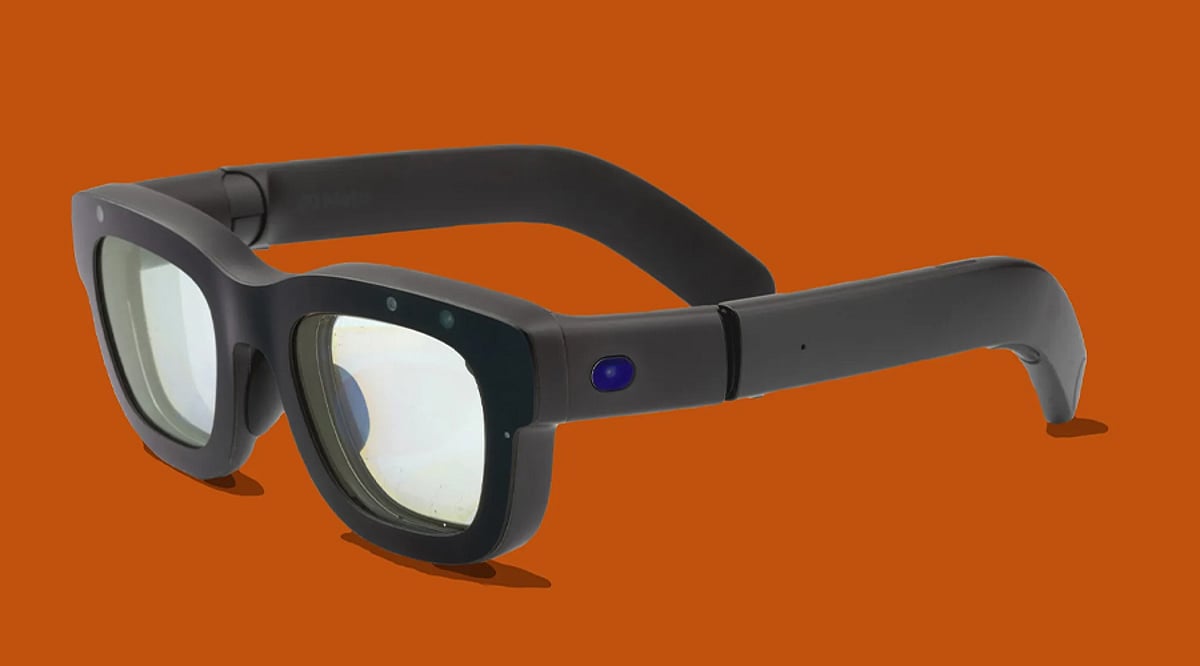
    AR glasses blend digital information with the physical world instead of replacing your surroundings entirely. They use displays, sensors, cameras, processors, and software to place virtual content within your view. The result can make directions, notifications, information, and interactive graphics feel part of the real environment.

    Tiny Displays Create the Overlay

    AR glasses need a way to place digital images where the wearer can see them. Compact display systems project or guide light toward the eyes, creating virtual images that appear over the physical environment. This optical system is central to making augmented reality feel convincing.

    Cameras and Sensors Understand the Scene

    Cameras and sensors help AR glasses understand what is happening around the wearer. Depending on the device, they can capture images, detect movement, estimate position, and recognize surfaces. That information allows software to determine where digital elements should appear within the surrounding environment.

    Tracking Keeps Objects in Place

    One major challenge is keeping virtual objects stable while your head moves. AR systems combine sensor information with software tracking to estimate the glasses’ position and orientation. This allows digital content to remain anchored to the environment instead of appearing to float randomly as you move.

    Processors Make Real-Time Decisions

    AR glasses need computing power to process sensor data, images, and software instructions with very low delay. The system continuously works out what the wearer is seeing and where virtual content should appear. Faster processing can help create smoother interactions and more responsive augmented experiences.

    Spatial Audio Adds Another Layer

    Some AR glasses also use speakers to provide spatial or directional audio alongside visual information. Sounds can help users understand where alerts or digital objects are coming from without constantly looking at a screen. This creates a more immersive experience by combining visual and audio cues.

    The Future Is Smaller and Smarter

    The challenge for AR glasses is packing displays, sensors, processors, cameras, batteries, and connectivity into a lightweight wearable. Advances in optics and computing are helping manufacturers explore slimmer designs and richer experiences. As these components improve, AR glasses could become increasingly useful for navigation, communication, and hands-free information.

  • Beats 360 Over-Ear Headphones Launch with Interchangeable Cushions and Advanced Active Noise Cancellation

    Beats 360 Over-Ear Headphones Launch with Interchangeable Cushions and Advanced Active Noise Cancellation

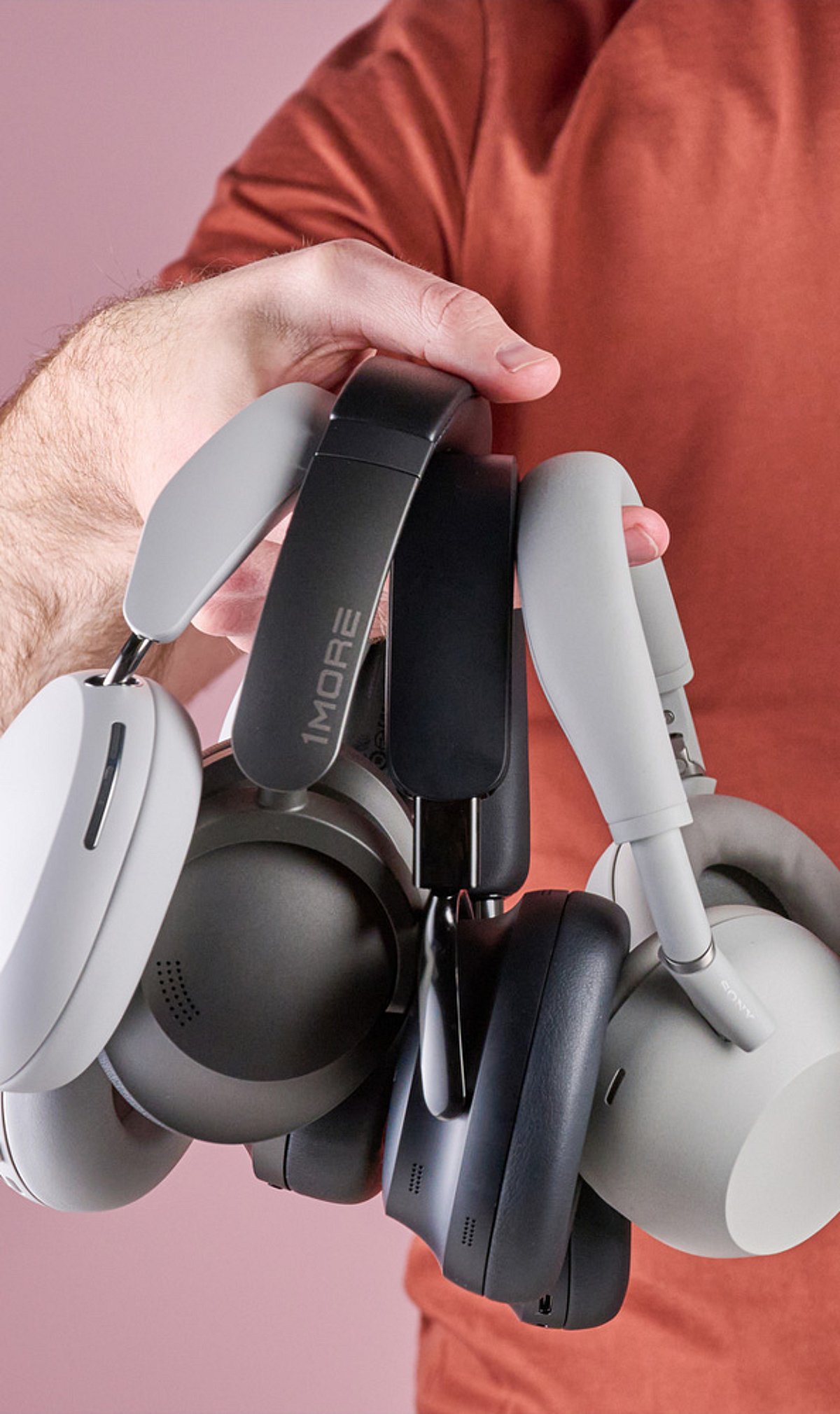
    Beats has officially launched its latest over-ear flagship headphones, the Beats 360, in India and global markets. Priced at Rs. 42,900 in India and $349.99 in the US, the new headphones offer interchangeable ear and headband cushions, active noise cancellation (ANC), personalized Spatial Audio, and up to 32 hours of battery life.

    The Beats 360 are available in Black, Cloud, Pink, and Sky color options. Customers can purchase additional cushion kits separately, allowing them to change the headphones’ color and material. The detachable cushions use memory foam for comfort, and the headphones automatically adjust acoustic tuning based on the installed cushion configuration. The design folds flat and comes with a woven ripstop carrying case.

    These are Beats’ first over-ear headphones with an IPX4 rating, providing resistance against sweat and water splashes. The ANC system delivers up to 1.75 times more combined active and passive noise cancellation than the Beats Studio Pro. The headphones also support Transparency mode, Adaptive EQ, and personalized Spatial Audio with dynamic head tracking.

    Internally, Beats uses custom-designed drivers with dual neodymium magnets and a three-layer diaphragm. Nine microphones handle noise cancellation and voice pickup, with beam-forming technology to improve call clarity.

    Battery life is rated at up to 32 hours with ANC and Spatial Audio enabled. A five-minute Fast Fuel charge provides up to one hour of playback. Charging is via USB Type-C. Connectivity includes Bluetooth 5.3, with support for both Apple and Android devices. Apple users get one-touch pairing, Automatic Switching, Audio Sharing, and Find My, while Android users get Fast Pair, Audio Switch, and Find Hub support.

    Orders opened through Apple’s website on September 22, with retail and in-store availability beginning September 24.

  • Apple AirPods 5 Review: Enhanced ANC, Adaptive Audio, and Improved Battery Life

    Apple AirPods 5 Review: Enhanced ANC, Adaptive Audio, and Improved Battery Life

    Overview

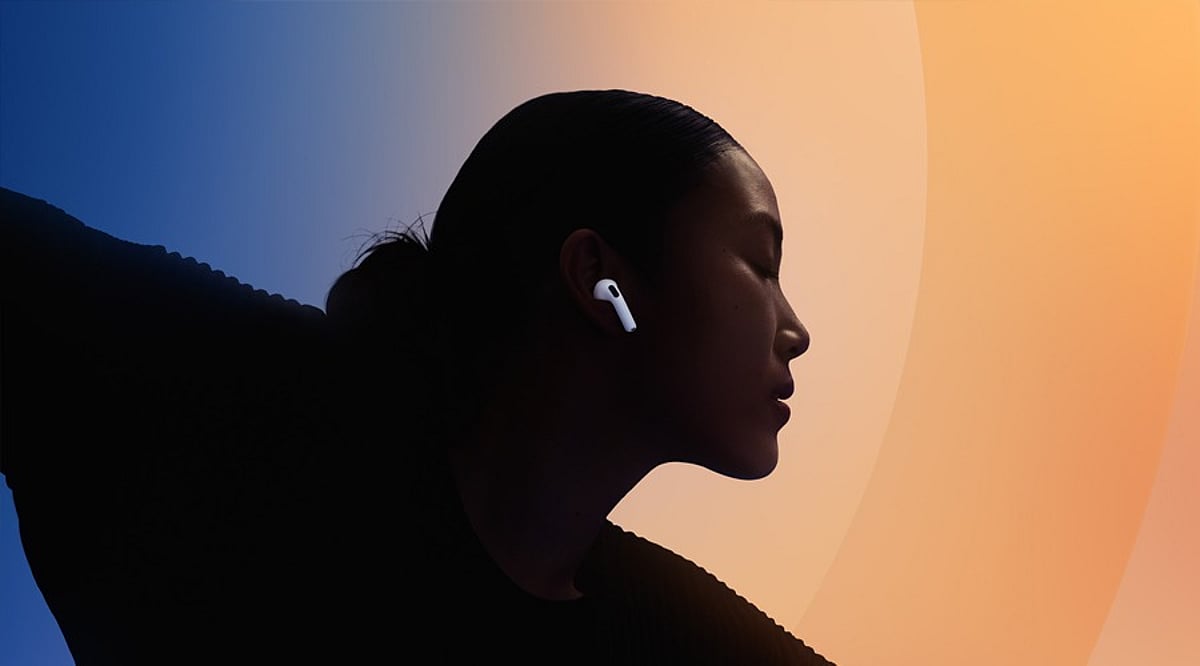
    The latest Apple AirPods 5 bring significant improvements to Apple’s standard wireless earbuds while retaining the familiar open-ear design. These earbuds now feature active noise cancellation (ANC), adaptive EQ, adaptive audio, and personalized spatial audio. Apple has notably enhanced noise cancellation performance, and the updated acoustic system delivers richer, more balanced sound quality. Additionally, the AirPods 5 offer increased resistance to dust, sweat, and water, along with better battery life and hands-free Siri voice commands.

    General Specifications

    • Design: Open-ear, stem-style
    • Active Noise Cancellation: Yes (improved over previous generation)
    • Adaptive EQ: Yes
    • Adaptive Audio: Yes
    • Spatial Audio: Personalized with dynamic head tracking
    • Dust, Sweat, and Water Resistance: IPX4-rated (increased)
    • Battery Life: Up to 6 hours (ANC on), up to 30 hours with charging case
    • Voice Assistant: Siri with voice activation
    • Connectivity: Bluetooth 5.3, Apple H2 chip
    • Weight: 4.0 g per earbud

    Pros and Cons

    Pros

    • Excellent active noise cancellation for open-ear design
    • Rich, detailed sound with adaptive EQ
    • Seamless integration with Apple ecosystem
    • Improved durability against dust, sweat, and water
    • Longer battery life compared to AirPods 4
    • Hands-free Siri and adaptive audio features

    Cons

    • Open-ear design limits passive noise isolation
    • Bass response not as deep as in-ear models like AirPods Pro
    • No customizable fit options (one-size-fits-all)
    • Price premium over competitors

    Final Verdict

    Overall, the AirPods 5 are an excellent choice for Apple users who prefer open-ear earbuds but still want advanced features like ANC, adaptive audio, and spatial sound. The improved audio quality, enhanced noise cancellation, increased durability, and seamless compatibility with Apple devices make them a great everyday listening companion. However, if you require maximum noise isolation or deep, punchy bass, in-ear alternatives such as the AirPods Pro series may be more suitable. For those seeking a well-rounded upgrade with strong value, the AirPods 5 deliver a compelling package.

    Rating: 4.5 / 5

  • SoundPEATS POP Clip2 Review: Affordable Open-Ear Clip-On Earbuds with Impressive Sound

    SoundPEATS POP Clip2 Review: Affordable Open-Ear Clip-On Earbuds with Impressive Sound

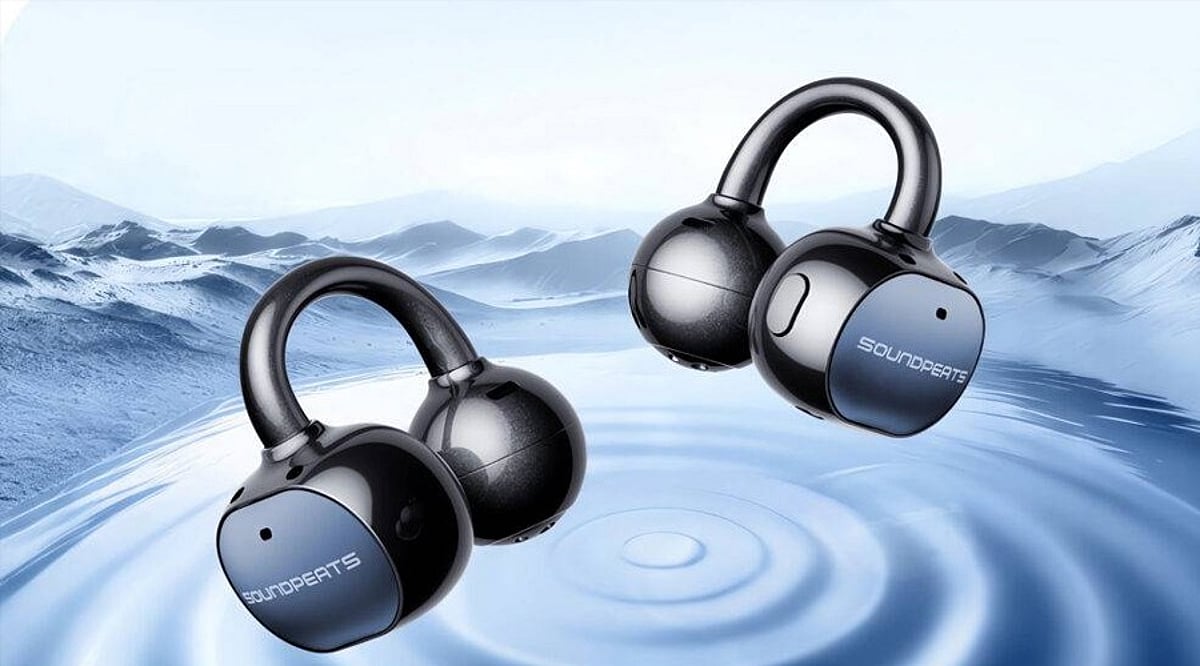
    The SoundPEATS POP Clip2 is a budget-friendly open-ear clip-on earbud designed for users who want a comfortable listening experience without traditional ear tips. Featuring 12mm drivers, LDAC support, customizable EQ, and spatial audio, these earbuds deliver surprisingly rich sound for their price point. With 10 hours of playback per charge and up to 42 hours with the charging case, they are built for all-day use.

    General Specifications

    • Drivers: 12mm dynamic
    • Audio Codec: LDAC, AAC, SBC
    • Battery Life: 10 hours (earbuds) + 32 hours (case) = 42 hours total
    • Connectivity: Bluetooth 5.3
    • Features: Spatial audio, customizable EQ, IPX5 water resistance
    • Weight: Lightweight clip-on design

    Pros and Cons

    Pros

    • Excellent sound quality with deep bass and clear highs
    • Comfortable open-ear design ideal for workouts and outdoor use
    • Long battery life (10 hours per charge, 42 total)
    • LDAC support for high-resolution audio
    • Affordable price

    Cons

    • Occasional connectivity drops
    • Charging case can be finicky
    • Not suitable for noise isolation (open-ear design)

    Final Verdict

    The SoundPEATS POP Clip2 delivers impressive sound quality, all-day comfort, and exceptional battery life at a low cost. Its open-ear clip-on form factor makes it a great choice for athletes, gym-goers, and anyone who dislikes in-ear buds. The 12mm drivers, LDAC support, and customizable EQ add significant value. However, intermittent connectivity and charging issues may frustrate some users. Overall, it’s a solid budget option for active lifestyles.

  • From Wired to Wireless to AI: The Complete Evolution of Headphones

    From Wired to Wireless to AI: The Complete Evolution of Headphones

    Headphones have come a long way since their early days as bulky, cable-bound devices. Today, they are intelligent wearables that adapt to our hearing, environment, and even our health. This article traces the key milestones in headphone technology, from the first wired models to the AI-driven smart headphones of the future.

    Wired Beginnings

    Early headphones delivered reliable stereo sound through cables, becoming essential for music, broadcasting, gaming, and professional audio applications worldwide.

    Portable Music Revolution

    Walkman and MP3 players popularized lightweight headphones, making personal music listening convenient, affordable, and accessible for millions everywhere daily.

    Bluetooth Connectivity

    Wireless technology removed cables, offering greater mobility, seamless device pairing, improved battery efficiency, and freedom during workouts, commuting, and travel.

    True Wireless Earbuds

    Compact earbuds eliminated connecting wires entirely, combining portability, charging cases, touch controls, and premium sound into everyday listening experiences effortlessly.

    Active Noise Cancellation

    Advanced microphones reduce surrounding noise, creating immersive listening environments that improve focus, travel comfort, productivity, and entertainment in busy locations.

    Spatial Audio Technology

    Three-dimensional sound positioning enhances movies, games, and music by creating realistic audio depth and immersive surround listening experiences naturally.

    Voice Assistant Integration

    Built-in AI assistants enable hands-free calls, reminders, navigation, music control, and smart home management using simple voice commands efficiently.

    Personalized AI Audio

    Artificial intelligence adapts sound profiles based on hearing preferences, environment, and listening habits, delivering customized audio experiences for every user.

    Future Smart Headphones

    Next-generation devices combine AI translation, health monitoring, adaptive noise control, and contextual awareness for intelligent, personalized, and connected listening experiences.