Tag: Spatial Computing

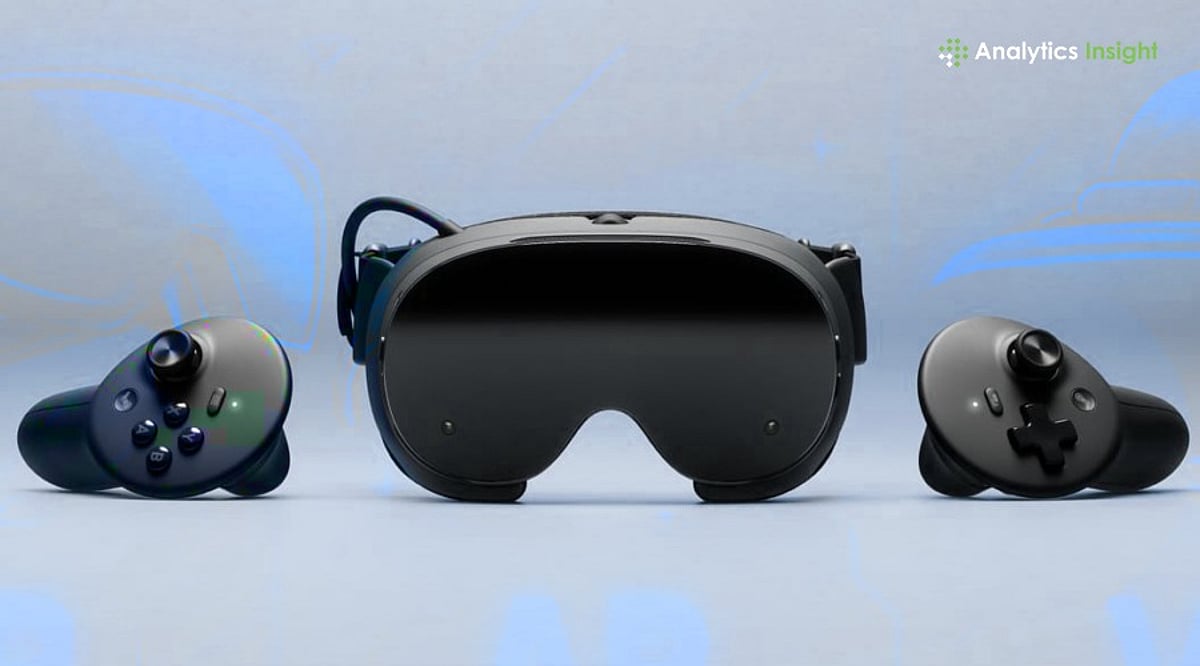
  • Top 5 VR Headsets of 2026: Standalone Gaming, PC Visuals, and Spatial Computing Compared

    Top 5 VR Headsets of 2026: Standalone Gaming, PC Visuals, and Spatial Computing Compared

    The virtual reality market in 2026 offers an unprecedented range of choices, from all-in-one standalone headsets to high-end PC-tethered systems and premium spatial-computing devices. Whether you are a gamer, a simulation enthusiast, or a productivity-focused user, there is a headset tailored to your needs. Below, we break down five standout VR headsets available this year and what makes each one unique.

    1. Meta Quest 3: Versatile All-in-One VR with Mixed Reality

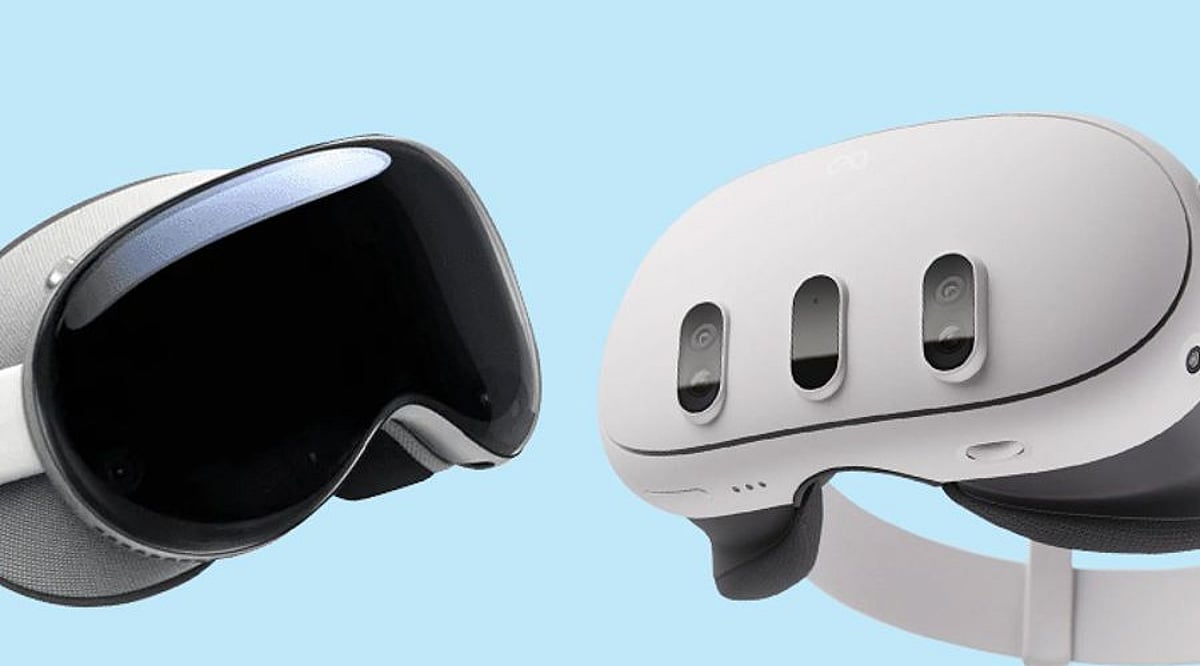
    The Meta Quest 3 continues to dominate the standalone VR segment by combining immersive virtual reality with color passthrough mixed reality. Powered by the Snapdragon XR2 Gen 2 platform and featuring pancake lenses, it requires no PC or console to operate. This headset is ideal for users who want a broad library of games and apps without the hassle of wires, while still offering the option to connect to a PC for more demanding experiences.

    2. PlayStation VR2: Console Gaming at Its Finest

    Designed exclusively for the PlayStation 5, the PS VR2 delivers a console-focused VR experience with stunning OLED displays, integrated eye tracking, and haptic headset feedback. Its advanced Sense controllers provide precise motion tracking and adaptive triggers. This headset is perfect for gamers who already own a PS5 and want access to a curated library of high-quality VR titles.

    3. Valve Steam Frame: Wireless PC VR Freedom

    Valve’s Steam Frame bridges the gap between standalone and PC VR. It runs on a Snapdragon 8 Gen 3 processor with 16GB of RAM and supports wireless connection to a gaming PC. With built-in eye tracking and standalone functionality, it targets users who want the flexibility of untethered play combined with the power of SteamVR’s extensive library. This is a strong choice for those who value both mobility and high-fidelity PC gaming.

    4. Pimax Crystal Light: Visual Fidelity for Simulation Enthusiasts

    The Pimax Crystal Light focuses on delivering exceptional image quality for PC VR. It features high-resolution displays, glass aspheric lenses, and a refresh rate of up to 120Hz. A DisplayPort connection ensures minimal compression and maximum detail, making it a top pick for flight and racing simmers, as well as anyone who prioritizes sharp visuals over standalone convenience.

    5. Apple Vision Pro: Redefining VR as Spatial Computing

    Apple’s Vision Pro takes a different approach by emphasizing spatial computing over gaming. Equipped with dual Micro-OLED displays, Apple silicon, and advanced eye tracking, it enables immersive experiences for productivity, entertainment, and creative work. Spatial video capture and seamless integration with the Apple ecosystem position it as a premium device for users seeking a versatile mixed-reality headset beyond gaming.

    Each of these headsets caters to a distinct audience. The Meta Quest 3 is the jack-of-all-trades; the PS VR2 is for console gamers; the Valve Steam Frame offers wireless PC flexibility; the Pimax Crystal Light delivers uncompromised visuals; and the Apple Vision Pro opens the door to spatial computing. Understanding your primary use case — from gaming and simulations to productivity and media consumption — will guide you to the perfect VR headset in 2026.
  • 2027 Augmented Reality Outlook: AI Glasses, Spatial Computing, and Privacy Take Center Stage

    2027 Augmented Reality Outlook: AI Glasses, Spatial Computing, and Privacy Take Center Stage

    Augmented reality is entering a new phase in 2027, driven by AI-powered smart glasses, spatial computing, enterprise adoption, immersive shopping, gaming, translation, and growing privacy concerns. Here’s what to expect.

    AI-Powered Smart Glasses Go Mainstream

    The most significant shift is the integration of AI assistants into smart glasses, enabling them to recognize what users see, hear, and ask. Google’s Android XR glasses, powered by Gemini, offer hands-free directions, messaging, and photography. IDC reports global smart-glass shipments jumped 167% year over year in Q1 2026, signaling strong momentum for 2027.

    Lightweight AR Glasses Replace Bulky Headsets

    Consumers prefer sleek, normal-looking frames over heavy headsets. Omdia forecasts XR headwear shipments to reach 6.5 million units in 2027, with growth driven by lighter XR glasses. Expect better battery life, improved displays, and wireless connectivity.

    Practical Spatial Computing

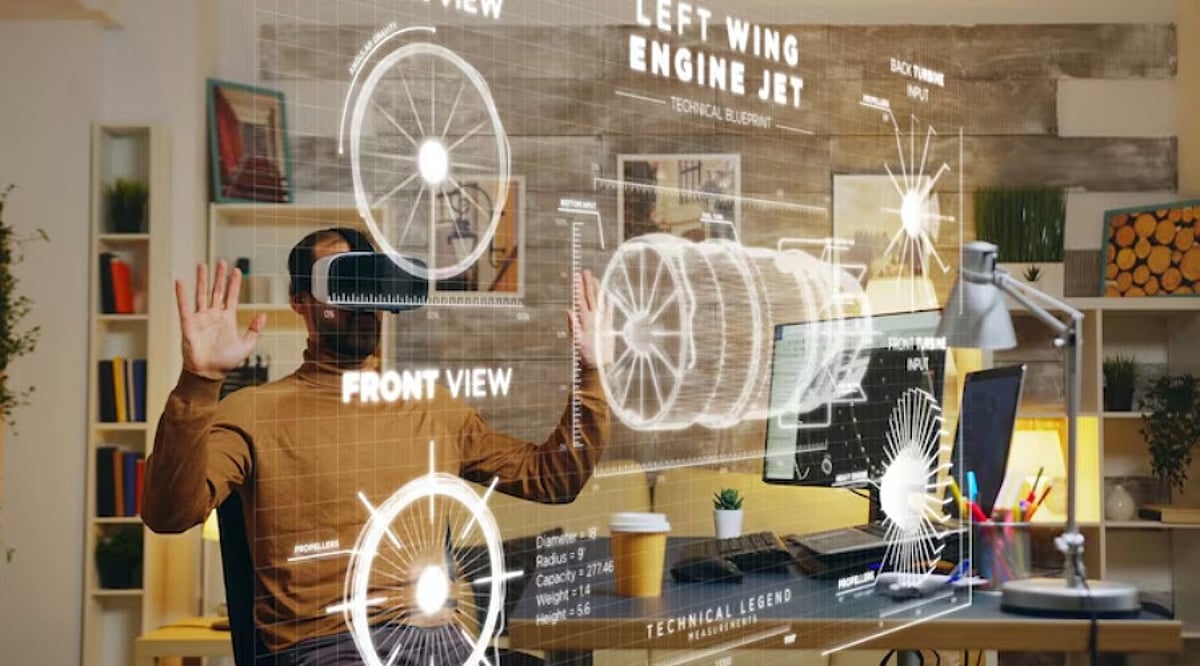
    AR will understand physical environments, anchoring digital information and 3D objects to real-world spaces. This makes AR useful for work, navigation, education, design, retail, and entertainment. The integration with AI creates systems that know where users are and what they need.

    Enterprise AR Expansion

    Manufacturing, healthcare, energy, and utilities remain strong adopters. Applications include remote assistance, training, maintenance, surgical support, and digital-twin visualization. AI agents using video, audio, and sensor data will assist workers in real time.

    Generative AI Simplifies AR Content Creation

    Developers will create 3D objects, scenes, and animations using natural language prompts, reducing costs and lowering technical barriers. Generative AI also makes AR experiences more contextual.

    AR Navigation and Real-Time Translation

    Hands-free directions and contextual assistance through glasses become normal. Real-time translation via integrated microphones, cameras, and AI will aid international travel, business meetings, and learning.

    AR Shopping and Location-Aware Gaming

    Retailers increasingly let customers visualize products before purchase. AR gaming incorporates real places and objects into gameplay, making streets and homes part of the game.

    Privacy Becomes a Major Debate

    Always-on cameras and microphones raise concerns about recording, facial recognition, data collection, and consent. As smart glasses become common, clearer rules will be required.

    The Big Picture

    The defining trend of 2027 is the convergence of AI, smart glasses, spatial computing, and real-time context. IDC expects optical see-through display glasses to grow from 3 million units in 2026 to 12.2 million by 2030. Omdia sees the XR market returning to growth as lighter glasses replace bulky headsets. AR is evolving from something we deliberately ‘use’ to something that quietly works around us.

  • 2026’s Breakthrough AR and VR Trends Transforming Work, Learning, and Daily Life

    2026’s Breakthrough AR and VR Trends Transforming Work, Learning, and Daily Life

    Augmented reality (AR) and virtual reality (VR) have moved far beyond gaming and entertainment. By 2026, these technologies have become practical tools that help businesses train employees, improve customer experiences, and streamline everyday operations. From AI-driven smart glasses to immersive VR workspaces, the next wave of innovation is redefining how people work, learn, shop, and connect.

    Top Augmented Reality Trends in 2026

    AI-Powered AR Experiences

    AI is supercharging AR with real-time object recognition, contextual assistance, and personalized content. Scene understanding and automated content creation allow businesses to deliver deeply interactive experiences in retail, healthcare, and education.

    Spatial Computing and Smart AR Glasses

    Spatial computing enables devices to track and understand their environment. Lightweight smart glasses now blend digital information seamlessly into the physical world, enabling hands-free navigation, workplace assistance, and natural interactions.

    Enterprise AR for Training and Maintenance

    Companies use AR for employee training, remote support, equipment maintenance, and process optimization. Visual instructions reduce errors and accelerate learning, making AR a must-have for modern enterprises.

    Why This Matters: AR is evolving from a novelty into a business solution. Integrating AI, spatial computing, and enterprise tools boosts productivity, enhances customer experience, and simplifies complex workflows across sectors.

    Top Virtual Reality Trends in 2026

    Hyper-Realistic Immersive Environments

    Advances in graphics, AI, and spatial audio create incredibly realistic virtual worlds. These environments benefit not only entertainment but also training, education, architecture, and virtual tourism.

    VR for Collaboration and Remote Working

    VR transforms remote work with immersive meeting spaces and virtual offices. Teams can collaborate on designs, conduct training, and solve problems together without geographical barriers.

    Industry-Specific VR Simulations

    Healthcare, education, manufacturing, and retail increasingly adopt VR simulations for realistic, risk-free practice and scenario-based learning.

    Why This Matters: VR is no longer just for gaming. Its ability to simulate real-life scenarios, enable collaboration, and support specialized software helps organizations train, cooperate, and solve real-world problems in virtual settings.

    Final Takeaway

    With improvements in hardware and software, AR and VR are steadily integrating into daily life—boosting workplace productivity, revolutionizing education, and elevating customer experiences. Early adoption gives businesses a significant competitive edge.

    Frequently Asked Questions

    What is the biggest AR trend in 2026?

    AI-powered augmented reality is a top trend, enabling smarter object recognition, personalized experiences, and real-time assistance across retail, healthcare, manufacturing, and education.

    How are smart AR glasses changing everyday technology?

    Smart glasses display digital information directly in the user’s field of view, enabling hands-free navigation, workplace assistance, remote collaboration, and more natural interactions with digital content.

    Why is VR becoming popular outside gaming?

    VR is now widely used for employee training, virtual meetings, education, healthcare simulations, and product design because it creates immersive, realistic environments that improve learning, collaboration, and decision-making.

    Which industries benefit the most from AR and VR?

    Healthcare, manufacturing, retail, education, construction, and logistics are among the biggest adopters, using AR and VR to improve training, customer experiences, operational efficiency, and workplace safety.

    Should businesses invest in AR and VR technologies now?

    Businesses that adopt AR and VR early can improve productivity, reduce training costs, enhance customer engagement, and gain a competitive advantage as immersive technologies become mainstream.

  • 2026 XR Headset Buyer’s Guide: How to Pick the Perfect VR or AR Device

    2026 XR Headset Buyer’s Guide: How to Pick the Perfect VR or AR Device

    Choosing an XR headset in 2026 involves more than comparing specs. With budget standalone devices, premium spatial computers, console headsets, and lightweight AR glasses now available, the decision depends on your budget, purpose, comfort, and compatibility. This guide breaks down the key factors to help you make a smart purchase without getting lost in technical jargon.

    Checklist for Choosing a VR Headset in 2026

    Start by defining your primary use case. Gaming, fitness, design work, and remote meetings each require different hardware. List your top three planned activities to narrow your options.

    Check compatibility carefully. Some headsets require a console, a powerful PC, or a specific phone. Many buyers assume cross-platform support exists, which can lead to early disappointment.

    Explore app availability in each platform’s store, as libraries vary widely. Comfort matters more than expected—proper weight distribution prevents fatigue during long sessions. Beware of marketing gimmicks; don’t choose based on resolution numbers alone. An ‘AR-ready’ label does not guarantee full VR support, and battery life is crucial in multi-user modes.

    Insights & Cost Analysis

    Price remains the clearest dividing line. Total cost of ownership tells a better story than the sticker price.

    • Entry-level standalone headsets: Meta Quest 3S at $299, Meta Quest 3 at $499. No subscription needed; accessories are affordable.
    • Mid-range devices: Samsung Galaxy XR around $599. Offers on-device AI but has a smaller software library.
    • Premium spatial computers: Apple Vision Pro at $3,499, plus AppleCare and software pushing first-year cost near $3,900.

    For most shoppers, a standalone headset delivers great value. A premium pick makes sense only when spatial anchoring is essential for your work.

    Better Solutions & Competitor Analysis

    No single headset suits everyone. Developers building spatial apps often prefer Apple Vision Pro for its mature platform. Enterprise buyers needing industrial precision choose Varjo XR-4 or Magic Leap 2. Educators running large VR labs favor Meta Quest 3S for easy management. Remote teams can use Android XR devices for smoother workplace tool integration.

    Customer Feedback Synthesis

    Standalone headsets earn praise for easy setup and reliable tracking. Premium devices excel in eye-tracking accuracy and audio quality, but battery drain during long sessions remains a complaint. Passthrough camera quality is a common drawback across budget and mid-range models—users describe it as soft or low contrast. On the positive side, motion sickness complaints have dropped sharply due to higher refresh rates and smarter rendering in 2026 models.

    Maintenance, Safety & Legal Considerations

    Extend your headset’s life by cleaning lenses with a microfiber cloth only—avoid alcohol or rough materials. Store in a cool, dry place (below 30°C). Keep firmware updated to prevent tracking drift. No government currently regulates headset use at work, but general safety guidelines recommend a 20-minute break per hour of near-eye display use.

    Conclusion

    First-time buyers wanting gaming or fitness will do well with a standalone headset like Quest 3S. Professionals needing precise spatial anchoring should consider a premium spatial computer. Those tied to a specific phone ecosystem may find hybrid AR devices the smoothest fit, accepting a smaller app library. For personal screens during travel or media consumption, light AR glasses are often better than a full headset. Match the device to your real use case for the best purchase.

    FAQs

    1. What is the difference between VR and AR headsets? VR creates a fully virtual environment; AR overlays digital content onto the real world. Mixed reality combines both.
    2. Which XR headset is best for beginners in 2026? Standalone headsets like Meta Quest 3S are affordable, easy to set up, and require no PC or console.
    3. Is Apple Vision Pro worth buying in 2026? It’s best for professionals, developers, and enterprise users needing advanced spatial computing. Casual users may find better value in standalone headsets.
    4. What should I check before buying? Primary use case, compatibility, app availability, comfort, battery life, and total ownership cost.
    5. How to maintain my headset? Clean lenses with microfiber cloth, store in a cool dry place, update firmware, avoid heat and direct sunlight.
  • 9 Breakthrough Technologies Set to Transform Our World by 2026

    9 Breakthrough Technologies Set to Transform Our World by 2026

    From artificial general intelligence to fusion energy, the next few years will witness the real-world deployment of technologies that were once confined to science fiction. Here are nine groundbreaking innovations becoming reality in 2026.

    Artificial General Intelligence

    AI systems are evolving to perform increasingly complex reasoning, automate professional workflows, and assist industries with faster, smarter, and more reliable decision-making capabilities.

    Quantum Computing

    Quantum processors are now tackling specialized computational problems beyond the reach of traditional computers, accelerating scientific research, cryptography, logistics, and pharmaceutical discoveries worldwide.

    Humanoid Robots

    Human-like robots are entering workplaces, assisting in manufacturing, healthcare, hospitality, and logistics with improved mobility, intelligence, adaptability, and collaborative automation capabilities.

    6G Connectivity

    Next-generation wireless networks promise ultra-fast communication, minimal latency, immersive experiences, and seamless connections supporting billions of smart devices globally.

    Fusion Energy

    Experimental fusion reactors are achieving significant milestones, bringing cleaner, sustainable electricity generation closer while reducing dependence on fossil fuels worldwide.

    Brain-Computer Interfaces

    Advanced neural interfaces improve communication, rehabilitation, accessibility, and medical treatments by enabling direct interaction between human brains and digital devices.

    Autonomous Transportation

    Self-driving vehicles, delivery robots, and autonomous drones are expanding commercial deployment, improving logistics efficiency, urban mobility, and transportation safety significantly.

    Spatial Computing

    Mixed reality technologies merge physical and virtual environments, transforming education, entertainment, engineering, healthcare, and collaborative workplace experiences across industries.

    AI Drug Discovery

    Artificial intelligence accelerates pharmaceutical research by identifying promising compounds, reducing development timelines, improving precision, and supporting personalized medicine innovations.

  • Apple Vision Pro Launch Ushers in Spatial Computing Era

    Apple Vision Pro Launch Ushers in Spatial Computing Era

    Apple has officially announced the launch date for its first headset, the Apple Vision Pro, marking the company’s entry into the spatial computing market. The device will be available in the United States starting February 2, 2024, with pre-orders opening on January 19, 2024. CEO Tim Cook shared the news on Twitter, declaring, “The era of spatial computing has arrived!” The release is currently limited to the US, with no global availability timeline confirmed.

    Priced at $3,499 for the 256GB model, the Vision Pro is Apple’s most expensive product since the original iPhone and costs roughly three times as much as Meta’s top-tier headset. The device runs on Apple’s M2 chip alongside a new R1 chip designed to process data from sensors, cameras, and microphones in real time. Users can control the interface without a physical controller, using eye, head, and hand movements.

    Spatial computing—the integration of virtual objects with the real world—is expected to become a dominant force in technology over the next decade, leveraging AI, extended reality (XR), IoT, and advanced sensors. The Vision Pro aims to blend digital content seamlessly with physical environments, potentially transforming industries such as education and professional training.

    Despite the hype, skepticism remains. Some Apple executives reportedly referred to the project as a “science project” in 2023, according to CNBC. Meanwhile, Meta continues to lead the headset market with its Quest 3, which offers mixed reality at a starting price of $500. Apple’s stock has faced recent pressure, losing $177 billion in market value in January 2024, making the Vision Pro a critical test for the company’s future growth.

  • Top AR/VR and AI Developments: From Apple Vision Pro to Generative AI in Gaming

    Top AR/VR and AI Developments: From Apple Vision Pro to Generative AI in Gaming

    The world of augmented reality (AR), virtual reality (VR), and artificial intelligence (AI) continues to evolve rapidly. Recent headlines highlight how these technologies are converging to reshape industries from entertainment to manufacturing. Here’s a roundup of key stories.

    Apple Vision Pro Ushers in a New Era of Spatial Computing

    Apple’s Vision Pro headset marks a significant milestone in AR technology. With spatial computing expected to dominate the global tech market, the device is poised to test multiple industries, from healthcare to education, by blending digital content seamlessly with the physical world.

    Microsoft and Inworld AI Partner on Generative AI for Xbox

    Microsoft has joined forces with Inworld AI to develop generative AI tools for Xbox game developers. This collaboration showcases how AI is extending beyond business digital transformation into entertainment, enabling more dynamic and responsive gaming experiences.

    Web3, AI, and the Metaverse Transform the Music Industry

    The metaverse is revolutionizing the music industry, with artists like Robbie Williams venturing into Web3 spaces. Virtual concerts and AI-driven experiences are creating new revenue streams and fan engagement models.

    Asian Games 2023 Embraces AI and Eco-Friendly Tech

    Held in Hangzhou, China, the Asian Games 2023 features esports as a medal event for the first time. The event also showcases AI and eco-friendly technologies, highlighting digital transformation on a global stage.

    Deloitte: Industrial Metaverse to Transform Manufacturing

    A report from Deloitte reveals that most manufacturing companies are leveraging the industrial metaverse. However, cybersecurity and data protection remain key concerns as factories become more digitized.

    Virtual Marriage: Woman ‘Marries’ AI-Powered Partner

    In a sign of emerging trends, a woman has entered into a virtual ‘marriage’ with an AI-powered partner. This unconventional union raises questions about the future of relationships and markets in a digitally connected world.

    Top 10 Augmented Reality Companies for Business

    Augmented reality is building on the Internet of Things (IoT) to unlock new commercial opportunities. From Pokémon Go to enterprise solutions, AR is expected to redefine how businesses interact with the physical world.

    Stay tuned for more updates as AR, VR, and AI continue to shape our future.