
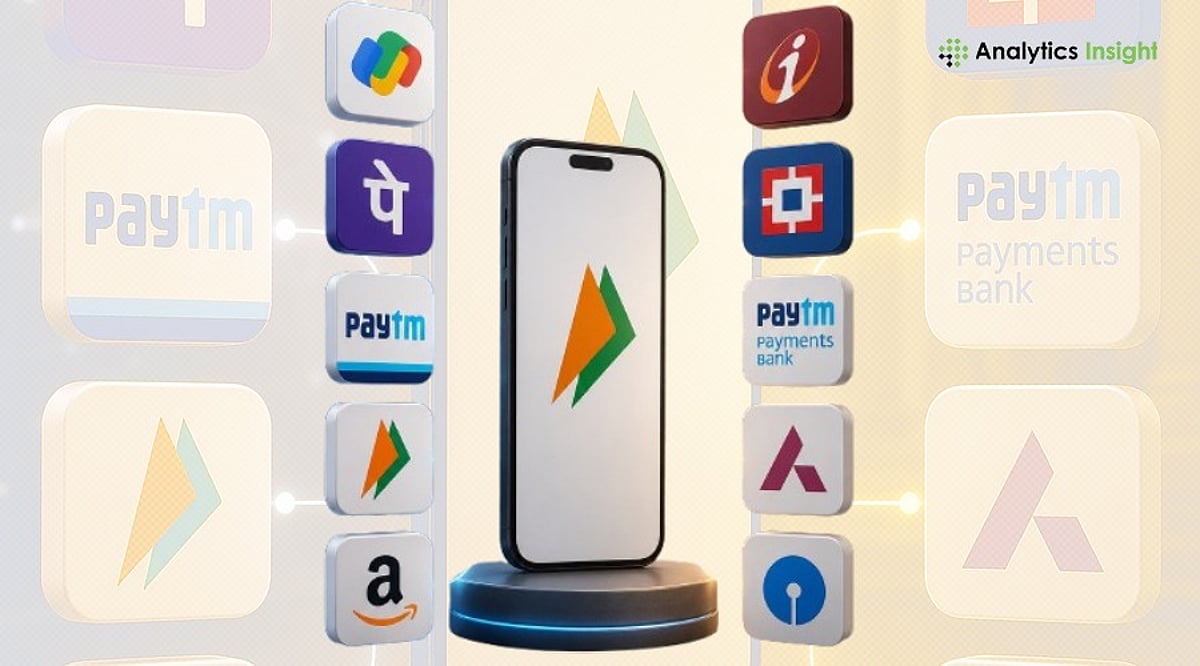
India’s digital payment revolution runs on a simple interface that millions open daily, yet the banking infrastructure behind it remains largely invisible. Every transaction through apps like PhonePe, Google Pay, and Paytm passes through a sponsor bank before reaching the National Payments Corporation of India (NPCI) settlement system. This partnership defines transaction speed, dispute resolution, and overall reliability.
What Is a Sponsor Bank?
UPI apps—technically third-party application providers—do not hold banking licenses. They rely on regulated banks called Payment Service Provider (PSP) banks or sponsor banks to authenticate transactions, connect to NPCI’s core network, and settle funds. Without such a tie-up, no UPI app can process a single payment.
The importance of sponsor banks became starkly visible in 2020 when the Reserve Bank of India placed a moratorium on Yes Bank, which then supported about 20 of the 32 third-party UPI apps. The disruption forced many apps to adopt multi-bank partnerships—a practice now standard across the industry.
Which Banks Sponsor India’s Top UPI Apps?
| UPI App | Sponsor Banks |
|---|---|
| PhonePe | Yes Bank, ICICI Bank, Axis Bank |
| Google Pay | Axis Bank, ICICI Bank, HDFC Bank, State Bank of India |
| Paytm | Axis Bank, HDFC Bank, SBI, Yes Bank |
PhonePe originally launched with Yes Bank as its sole partner in 2016. After the 2020 crisis, it added ICICI Bank and Axis Bank, distributing transaction load across three institutions. Google Pay entered with Axis Bank and gradually expanded to include ICICI Bank, HDFC Bank, and SBI, ensuring high success rates even during peak volumes.
Paytm underwent the most significant restructuring. After the RBI restricted Paytm Payments Bank from onboarding new customers in early 2024, NPCI approved a multi-bank model. Axis Bank, HDFC Bank, SBI, and Yes Bank now jointly handle its UPI traffic, with user handles like @ptaxis and @ptsbi.
How Sponsor Banks Work in the UPI Ecosystem
A sponsor bank performs several critical functions that a UPI app cannot legally do alone:
- Issuing and managing the Virtual Payment Address (VPA) handle
- Authenticating the user’s linked bank account via NPCI’s mapper system
- Routing payment requests to the beneficiary bank in real time
- Settling funds between payer and payee banks
- Handling regulatory compliance and dispute escalation
When a payment fails, the sponsor bank is the first point of technical accountability, though the app remains the customer’s primary support contact. Apps with a single sponsor bank face greater risk during outages; those with multiple partners recover faster.
Why Multiple Sponsor Banks Matter
NPCI enforces a volume cap that restricts any single third-party app to 30% of total UPI transaction volume. This rule, expected to take fuller effect by year’s end, pushes apps and sponsor banks toward diversification. Benefits include:
- For users: Clearer path for dispute escalation
- For businesses: Better reliability when evaluating payment integrations
- For regulators: Reduced systemic risk if one sponsor bank faces trouble
- For developers: Ability to plan redundancy before launching new UPI products
Final Thoughts
The sponsor bank model forms the structural foundation of every UPI transaction in India. From PhonePe’s early reliance on Yes Bank to Paytm’s pivot to a four-bank arrangement, the pattern is clear: diversification protects both the app and the user from single-point failures. As UPI expands globally and transaction volumes continue climbing, strong banking partnerships will become even more critical to maintaining the seamless experience users expect.
Frequently Asked Questions
What is a sponsor bank in the UPI ecosystem?
A sponsor bank (PSP bank) connects a third-party UPI app to NPCI’s network and handles authentication, routing, and settlement for every transaction.
Which bank sponsors PhonePe?
PhonePe operates through three sponsor banks: Yes Bank, Axis Bank, and ICICI Bank—a structure adopted after the 2020 Yes Bank moratorium.
Why did Paytm switch to multiple sponsor banks?
After regulatory restrictions on Paytm Payments Bank in 2024, NPCI approved a multi-bank model using Axis Bank, HDFC Bank, SBI, and Yes Bank to keep its UPI services uninterrupted.
Does BHIM need a sponsor bank?
BHIM operates as a direct extension of NPCI and does not require a separate sponsor bank, unlike third-party apps such as PhonePe and Google Pay.
Why do UPI apps prefer multiple sponsor banks?
Multiple sponsor banks reduce dependency risk, distribute transaction load, and help apps maintain uptime even if one partner bank faces technical or regulatory disruption.