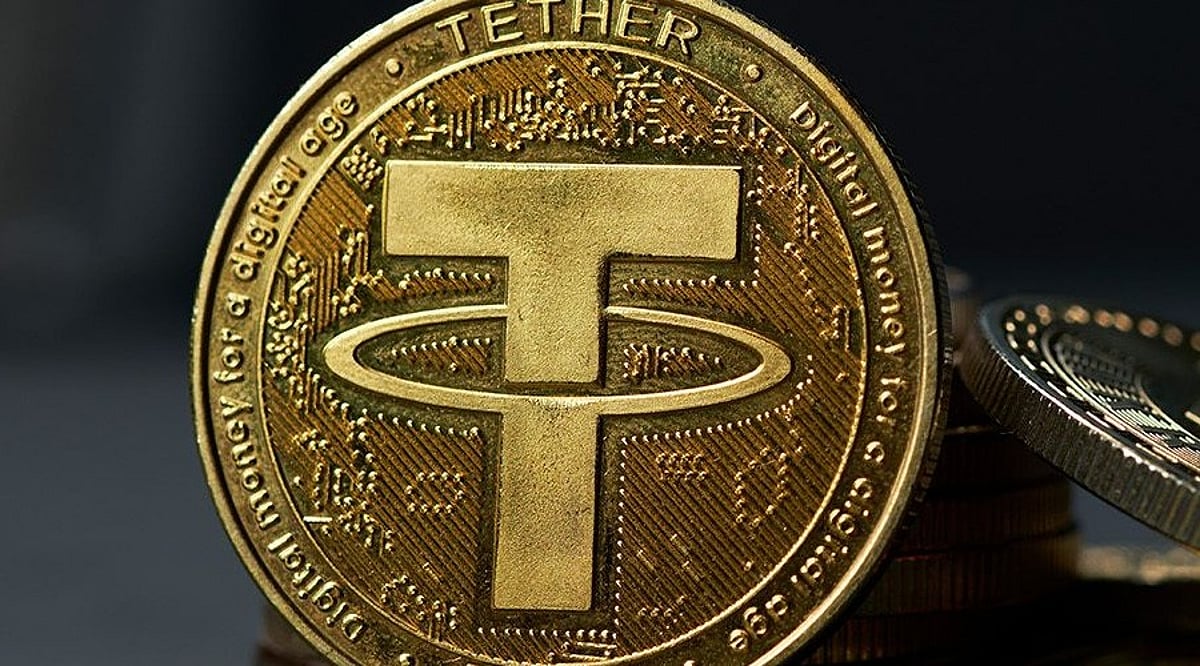
Tether’s USDT is the world’s largest stablecoin, with a market capitalization of $183.3 billion as of September 8, 2026. Yet no single regulator oversees USDT worldwide. Its treatment depends on the issuer, user location, distribution platform, and rules of each jurisdiction. CoinGecko data also showed daily USDT trading volume above $48.09 billion on September 8.
Tether Is Regulated in El Salvador
Tether has established significant operations in El Salvador, where the National Commission of Digital Assets (CNAD) regulates the country’s digital-asset market. CNAD lists USDT among the stablecoins authorized for trading, with its public-offering authorization dated May 19, 2025.
Tether’s legal framework also identifies Tether International, S.A. de C.V. as operating under El Salvador’s digital-asset regime. However, authorization there does not automatically give USDT regulatory approval in other countries.
United States Is Building a Different Framework
The U.S. regulatory environment changed with the GENIUS Act. The Treasury said its expected effective date is January 18, 2027. From then on, a person generally cannot issue a payment stablecoin in the United States without an appropriate federal or state license.
Treasury issued proposed implementation rules in August 2026. FinCEN and the Office of Foreign Assets Control have also proposed anti-money-laundering and sanctions-compliance requirements for permitted stablecoin issuers.
Foreign-issued stablecoins face additional conditions, including requirements connected to compliance with lawful U.S. orders and recognition of comparable foreign regulatory regimes.
Tether Created a Separate U.S. Stablecoin
Tether launched USA₮ in January 2026 rather than making USDT its dedicated U.S.-regulated product. USA₮ is issued by Anchorage Digital Bank, N.A., a federally chartered bank supervised by the Office of the Comptroller of the Currency.
Tether says USDT continues operating globally while progressing toward GENIUS Act compliance. USA₮ and USDT therefore remain separate products despite belonging to the broader Tether ecosystem.
Europe Operates Under MiCA
The European Union regulates crypto assets through Markets in Crypto-Assets (MiCA). The final transitional period for crypto-asset service providers expired on July 1, 2026, according to the European Securities and Markets Authority.
After that date, firms serving EU customers generally need MiCA authorization. Whether a platform can offer USDT depends on the applicable MiCA requirements, the stablecoin’s status, and the platform’s own authorization.
Why This Matters
USDT’s regulatory status cannot be reduced to one regulator or license. Users need to consider the issuer, jurisdiction, and platform involved, as reserve, sanctions, licensing, and availability requirements can differ substantially across markets.
Final Thoughts
USDT remains a globally used stablecoin, but oversight is increasingly jurisdiction-specific. El Salvador authorizes USDT, while the U.S. and EU are applying separate frameworks. As stablecoin rules mature, regulatory compliance will increasingly determine where and how USDT can be offered.
Also Read: How Long Does USDT Take to Transfer? TRC20 vs ERC20 Transfer Times, Fees
FAQs
- Who regulates Tether USDT?
There is no single regulator responsible for USDT worldwide. Oversight depends on where Tether operates, where USDT is offered, and the regulatory framework of each jurisdiction. - Is USDT regulated in El Salvador?
Yes. El Salvador’s National Commission of Digital Assets (CNAD) lists USDT among the stablecoins authorized for trading under the country’s digital-asset framework. - How will the GENIUS Act affect USDT in the United States?
The GENIUS Act introduces federal and state licensing requirements for payment stablecoin issuers. Foreign-issued stablecoins also face conditions involving lawful orders, sanctions compliance, and recognition of comparable regulatory regimes. - What is the difference between USDT and USA₮?
USDT is Tether’s globally used stablecoin, while USA₮ is a separate product launched for the U.S. market. USA₮ is issued by Anchorage Digital Bank under U.S. federal oversight. - How does MiCA affect USDT in Europe?
MiCA sets licensing, reserve, governance, and compliance requirements for crypto-asset firms serving EU customers. Whether platforms can offer USDT depends on MiCA rules, the token’s status, and each platform’s authorization.