Tag: stablecoins

  • Morning Tech Brief: Foldable Phones, Startup Funding, Government Jobs, AI Hardware, and Crypto Trends

    Morning Tech Brief: Foldable Phones, Startup Funding, Government Jobs, AI Hardware, and Crypto Trends

    Good morning, tech enthusiasts! Here’s your quick roundup of the biggest headlines making waves today, from foldable phone launches and state-level startup initiatives to government job exams, AI hardware demands, and the steady march of stablecoins into mainstream finance.

    Huawei and Xiaomi Challenge Apple With New Foldable Phones

    Huawei and Xiaomi have launched new premium foldable smartphones in China ahead of Apple’s latest iPhone event on September 9. Huawei unveiled its Mate XT2 series, while Xiaomi introduced the Xiaomi 18 Fold with new designs and in-house chips. The competition in the foldable segment continues to heat up as both Chinese giants push the envelope on form factor and performance.

    Karnataka Plans Rs. 200-Crore Startup Fund and AI Skilling Push

    The Karnataka government is planning to issue rules for its Rs. 200-crore startup fund and launch the Nipuna Edge AI skilling program. The state also aims to help startups test solutions in government projects, support responsible AI use, and promote data center development beyond Bengaluru. This initiative is expected to boost the region’s tech ecosystem and create new opportunities for entrepreneurs.

    IOCL Exam Date 2026: CBT Scheduled for September 24

    Indian Oil Corporation Limited has scheduled its Computer-Based Test for 470 executive posts on September 24, 2026. Candidates can download admit cards from September 15. The selection process includes CBT, Group Discussion/Group Task, and Personal Interview. This is a key opportunity for job seekers in the public sector.

    AI PC Hardware Needs in 2026

    AI models are driving up PC hardware requirements. Running even moderately sized models now demands strong memory, GPU power, bandwidth, and storage. Users with 32GB of RAM can only run smaller models; for greater support, 64GB is recommended, but 128GB or more is the practical choice for larger workloads. As AI becomes more integrated into everyday computing, hardware upgrades are becoming essential.

    Stablecoins Push Digital Assets Toward Mainstream Finance

    Stablecoins are gaining stronger support from banks and financial institutions. Tokenized securities and 24-hour trading have expanded, creating a surge in demand for improved liquidity, settlement, cross-border rules, and identity systems that connect digital assets with traditional finance. This trend signals a growing acceptance of cryptocurrency in regulated financial markets.

  • XRP Price Dips as XRPL Tokenized Assets Skyrocket 43x in Q2 2026

    XRP Price Dips as XRPL Tokenized Assets Skyrocket 43x in Q2 2026

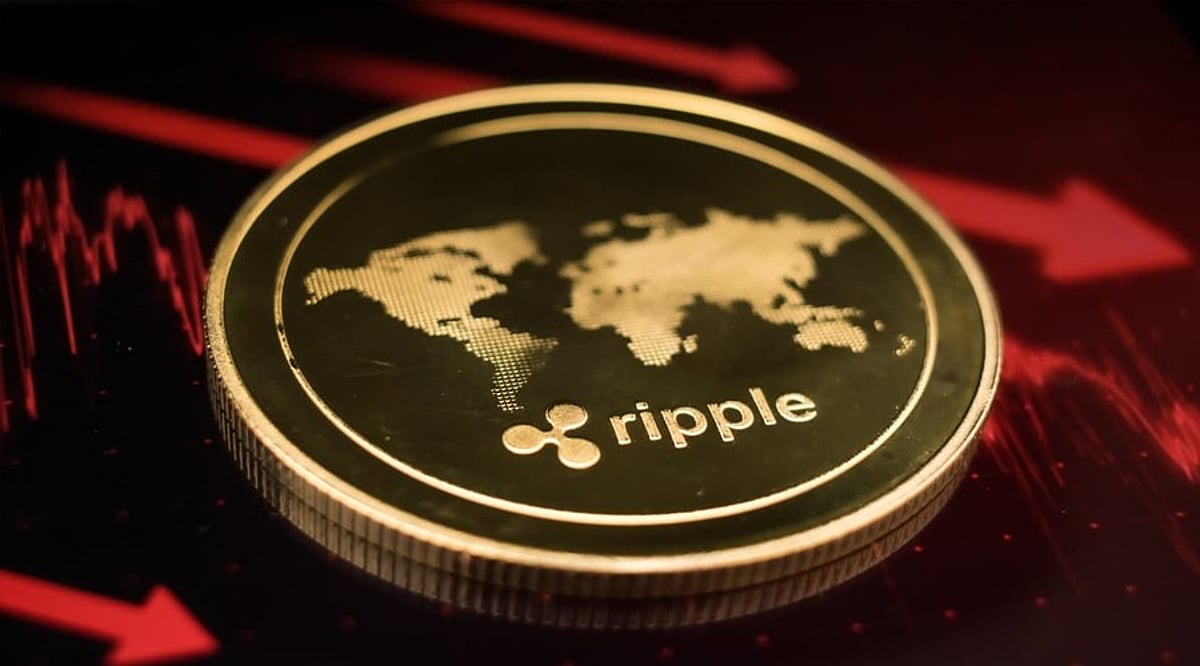
    XRP is trading at $1.4085 after a recent decline, while short-term technical indicators remain bearish. Meanwhile, the XRP Ledger (XRPL) is experiencing explosive growth in tokenized assets, which surged to $4.26 billion in Q2 2026—a 43x increase from $99 million in Q1 2025.

    XRP Holds Long-Term Support Amid Short-Term Weakness

    XRP remains below its hourly SMA-20 and SMA-50, signaling continued short-term weakness. However, the token is trading above its daily SMA-200, preserving a key long-term support level.

    Immediate resistance sits near the Ichimoku Kijun at $1.4148. Multiple indicators—including MACD, RSI, CCI, Bull/Bear Power, and the Awesome Oscillator—all point to sell-side pressure. The ADX remains neutral, while the Stoch RSI has entered oversold territory, hinting that downside momentum may be fading. XRP is trading near its session low with low volatility and a small negative gap.

    September 11 XRPL Amendment Nears Mainnet Activation

    The XRP Ledger is set to activate the fixCleanup3_3_0 amendment on September 11, 2026, provided validator support stays above the required threshold. This bundled upgrade introduces several protocol fixes through community consensus, reflecting XRPL’s validator-led governance model aimed at improving network stability.

    So far, the planned activation has not triggered an immediate shift in XRP price action. For the next trading day, XRP’s projected range is $1.3697 to $1.4473, with a 76% probability of a downside move and a 24% chance of an upside breakout.

    XRPL Tokenized Asset Value Expands 43x in Six Quarters

    According to Evernorth data, stablecoins and tokenized assets on XRPL grew from $99 million in Q1 2025 to $4.26 billion in Q2 2026, with value increasing every quarter. Tokenized assets drove the majority of this expansion, with their average value reaching $3.72 billion in Q2 2026—more than 3,000% above the level recorded one year earlier.

    RLUSD also grew rapidly. Its average balance reached $539 million in Q2 2026, up 642% from $73 million a year earlier, while its share of XRPL stablecoins rose to 34%. RLUSD transaction value increased 925% year over year.

    Despite the asset growth, daily active accounts on XRPL fell to 16,587 from a prior peak of 33,145, and new wallet creation dropped to 2,783. However, XRP traded per active account remained 2.7 times above its starting level, despite a 15% quarterly decline in Q2.

    The September 11 amendment adds a key network event for traders to monitor as they track support, resistance, validator backing, and changing transaction activity.

  • Former RBI Governor Raghuram Rajan to Speak at Ripple Swell 2026 in New York

    Former RBI Governor Raghuram Rajan to Speak at Ripple Swell 2026 in New York

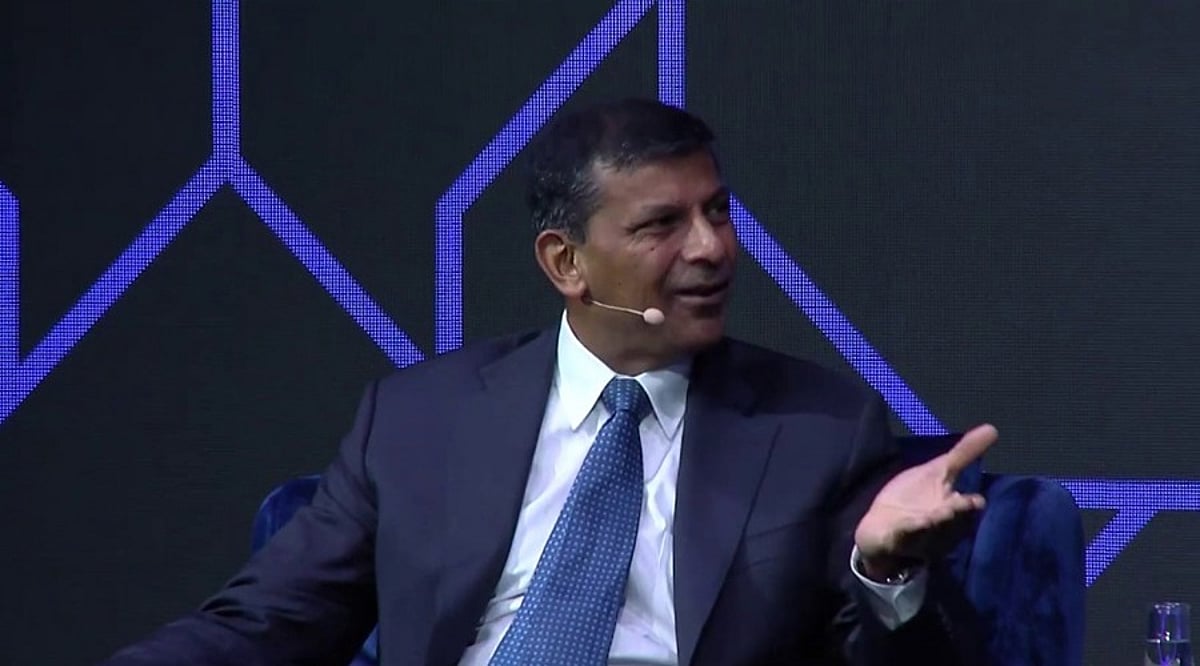
    Ripple’s annual conference, Swell 2026, is set to feature a notable addition to its speaker lineup: Raghuram Rajan, the former Governor of the Reserve Bank of India (RBI). Rajan will participate in the invitation-only Institutional Summit scheduled for October 27 in New York City, as announced by Ripple in a press release on September 4.

    The Institutional Summit is designed for leaders from banks, investment firms, payment providers, and other financial institutions. This year, Ripple is also integrating its developer-focused XRPL Apex conference with Swell, creating a combined program that bridges institutional finance and blockchain development. The events will take place at The Shed in Manhattan’s Hudson Yards, running through October 29.

    While Ripple has confirmed Rajan’s participation, the company has not yet disclosed the specific topic, session time, or format of his appearance. The conference website lists him as a speaker, but it remains unclear whether he will deliver a keynote or join a panel discussion.

    Rajan’s background is distinguished: he served as RBI Governor from September 2013 to September 2016, and prior to that, he was the Chief Economist at the International Monetary Fund (IMF). Currently, he holds the Katherine Dusak Miller Distinguished Service Professorship in Finance at the University of Chicago’s Booth School of Business and co-chairs the Federal Reserve’s task force on balance sheet policy.

    This is not Rajan’s first association with Ripple. In 2024, he became a member of Ripple’s advisory board for its RLUSD ecosystem, which provides strategic and regulatory guidance. He has also spoken about the future of stablecoins, which could soon be integrated into private payment systems.

    The full schedule for Swell 2026 is yet to be released, with Ripple expected to announce more details about Rajan’s session and other speakers. For now, his presence underscores the conference’s focus on bringing together central banking expertise and digital asset innovation.

  • Cloudflare Unveils Wallets and Digital IDs for AI Agents to Enable Secure Autonomous Commerce

    Cloudflare Unveils Wallets and Digital IDs for AI Agents to Enable Secure Autonomous Commerce

    Cloudflare, Inc. (NYSE: NET), the leading connectivity cloud company, today announced Cloudflare Wallets and cloudflare.pay, a new suite of tools designed to give AI agents a stable identity and the ability to make purchases online safely within limits set by their human creators. This marks a significant step toward enabling agentic commerce—where software programs autonomously browse, query APIs, and transact on behalf of individuals and businesses.

    As AI agents become a normal part of doing business online, the Internet—built for humans—lacks reliable mechanisms to verify whether an agent is a legitimate assistant or a malicious actor. Traditional bot detection tools, designed for search crawlers, are inadequate for agents that conduct transactions. Cloudflare’s solution addresses this by providing a verifiable link between each agent and its human or organizational owner, establishing trust and accountability at every step.

    “The Internet is shifting from human-driven browsing to agent-driven commerce, and the infrastructure needs to keep up,” said Matthew Prince, co-founder and CEO of Cloudflare. “When an agent shows up at your door, you need to know who sent it. Cloudflare can give agents a face—a link to the human or organization that owns them—so that trust, accountability, and real commerce can follow. It’s the identity and payment infrastructure the agentic web needs to function.”

    Cloudflare Wallets and cloudflare.pay work together to solve the identity and payment challenge. Each Cloudflare account will receive a unique web address serving as a stable ID, which users can extend to specific agents. This allows any receiving business to see exactly who authorized the agent. Additionally, a Cloudflare “Account Wallet” acts as a central balance for receiving, holding, and managing stablecoins. Users can then assign “Virtual Wallets” to individual agents, each with built-in guardrails such as spending caps, approved merchant lists, and maximum transaction sizes. Combined with the Monetization Gateway, these tools complete the two-sided agentic payment market.

    Cloudflare Wallet handle reservation opens today. Full wallet access, including onramping and offramping funds and the ability to issue Virtual Wallets, will be available in the coming months. Users can claim a handle at cloudflare.pay and learn more on the Cloudflare blog.

  • Bitcoin Holds Near $62,738 Amid Coldcard Wallet Exploit and Stalled CLARITY Act

    Bitcoin Holds Near $62,738 Amid Coldcard Wallet Exploit and Stalled CLARITY Act

    Bitcoin traded near $62,738 on Monday, up 1.04% in the last 24 hours, as a Coldcard wallet exploit that drained tens of millions from cold storage addresses renewed custody fears. Analysts identified $63,700 as a key resistance level, while the stalled CLARITY Act kept sentiment guarded.

    Key highlights include:

    • Hyperliquid led major gainers with a 13.16% weekly rise, outpacing the broader altcoin market.
    • The CLARITY Act remains stalled ahead of the Senate recess, while Bitcoin ETFs posted mixed weekly flows.
    • Bitcoin’s market cap stands near $1.25 trillion, with 24-hour trading volume reaching $15.68 billion.

    Bitcoin Price Today

    Bitcoin traded at $62,738.34, up 1.04% over the past 24 hours, according to CoinMarketCap data. Price action remains tied to custody-security concerns and the stalled CLARITY Act.

    BTC Holds $63K Despite Coldcard Exploit Fears

    CoinSwitch Markets Desk reported that BTC stayed steady near $63,000 despite an estimated $88.6 million Coldcard wallet exploit. The incident renewed talk around self-custody security. Geopolitical tensions between the US and Iran kept traders cautious. Price briefly touched $63,500 before consolidating. Buyers defended the $63,000 zone through the session. A move beyond $63,500 could add fresh momentum, while $62,800 stays key support.

    July Closes With a Strong Gain, August Stays Seasonally Weak

    Akshat Siddhant, Lead Quant Analyst at Mudrex, noted that Bitcoin ended July with a gain above 7.3%, reversing two straight months of losses. US spot Bitcoin ETFs returned to net inflows in July, reaching $172.4 million for the month. Selling pressure near month-end has left investors cautious. August has historically been Bitcoin’s weakest month on record. Whale wallets still accumulated over 40,100 BTC during this stretch. Bitcoin must reclaim $65,000 to strengthen broader sentiment.

    Lower Oil Prices Ease Inflation Worry, ETF Flows Stay Choppy

    Vikram Subburaj, CEO of Giottus, placed Bitcoin near $63,125, up 0.3%. Lower oil prices have eased some inflation concerns this week. Inconsistent ETF flows and thin spot activity cap the recovery. Bitcoin holds support near $62,900, with resistance near $64,000. Large-cap altcoins traded modestly higher. Ethereum, BNB, XRP, and Solana all posted small gains. Markets now watch the August 7 employment report closely.

    Tight Ranges Persist as Yields and a Firm Dollar Cap Risk Appetite

    Riya Sehgal, Research Analyst at Delta Exchange, said Bitcoin stays under pressure near $63,000. Ethereum continues to lag behind the broader market. High Treasury yields and a firm dollar cap risk appetite. Bitcoin remains below key moving averages on the four-hour chart. Resistance builds at $63,350 to $63,800. A close above $63,800 could open a path toward $64,300. A break below $63,000 may expose the $62,500 zone.

    ETF Outflows Persist, but XRP and Ethereum Funds Show Resilience

    Nischal Shetty, founder of WazirX, said crypto markets consolidated through the session. Bitcoin traded near $63,085 after a mild 0.66% dip. US spot Bitcoin ETFs saw $265.4 million in outflows on July 31. Ethereum ETFs still attracted $365 million during the month. XRP funds drew $27.29 million in July, extending a four-month streak. Cumulative XRP ETF inflows now stand near $1.5 billion. Bitcoin’s recovery range sits between $63,700 and $64,300.

    Crypto Prices Today: Top 10 Coins at a Glance

    Based on live CoinMarketCap data as of today’s session.

    Biggest Gainers: HYPE, ETH, DOGE

    Hyperliquid led the weekly board with a gain above 13%. Ethereum and Dogecoin also posted solid weekly gains above 4%. Institutional demand for large-cap altcoins picked up pace this week.

    Biggest Losers: Stablecoins and BNB Stay Flat

    Tether and USDC barely moved through the session. BNB and TRON posted only modest weekly gains. Risk appetite stays selective rather than broad across the altcoin market.

    Crypto News Today: Top Headlines Impacting Prices

    Security concerns and stalled legislation are steering sentiment across trading desks. Mixed ETF flow data and fresh network upgrades add further context.

    Coldcard Wallet Exploit Drains Tens of Millions

    A wave of unauthorized transfers tied to weak Coldcard-generated keys has drained tens of millions from cold storage wallets this month. Researchers estimate losses between $70 million and $88.6 million across affected addresses. The attacker is now targeting smaller balances and shifting how stolen funds move onchain. Security researchers say the exploit stems from a flawed key generation process. Self-custody security remains firmly in focus across trading communities.

    CLARITY Act Faces Recess Deadline Pressure

    The Digital Asset Market Clarity Act remains stalled on the Senate calendar this week. The chamber’s summer recess is set to begin around August 7, narrowing the bill’s window. Ethics language disputes continue to divide lawmakers on both sides of the aisle. Democrats are pushing for tougher provisions before granting their support. The bill’s 2026 passage now looks increasingly uncertain heading into fall.

    Bitcoin ETFs Post Weekly Outflows as Ether Funds Gain

    US spot Bitcoin ETFs recorded $61.53 million in net outflows for the week ending July 31. Bitcoin ETFs still closed July with $172.4 million in monthly inflows overall. Ethereum ETFs extended their winning streak to four straight weeks this month, adding $27.42 million in fresh weekly inflows. XRP ETFs also continued their steady four-month inflow streak in July.

    Fed Stance and ISM Data Keep Traders Watchful

    Markets are tracking Monday’s ISM survey data closely, with consensus pointing to a reading near 54.0 for July. The figure could shape near-term rate expectations meaningfully. The upcoming August 12 inflation print stands as the next major catalyst. Traders are positioning cautiously ahead of the Federal Reserve’s September rate decision.

    XRP Ledger Prepares Major Protocol Upgrade

    The xrpld 3.3.0 release is expected next week, carrying five proposed amendments to the XRP Ledger. Two features were previously withdrawn after researchers flagged critical bugs. Developers say the revised code has since been hardened against exploitation. The upgrade aims to strengthen network security and transaction reliability. XRP holders are watching the rollout closely for any price impact.

    Tether Reports Strong Quarterly Profit

    Tether posted a $1.5 billion operating profit for the second quarter, underscoring continued strength in the stablecoin sector. The result reflects steady demand for dollar-pegged digital assets. Total stablecoin trading volume continues to climb across major exchanges globally. Tether’s reserves reportedly remain well collateralized against outstanding tokens. The results reinforce stablecoins’ growing role in daily crypto settlement activity.

    Investor and Market Outlook

    Bitcoin holds near $62,738 as traders weigh a fresh custody security scare against a stalled CLARITY Act. A close above $63,700 could open a path toward stronger $64,300 resistance. A slip below $62,800 risks exposing deeper support closer to $62,500. Hyperliquid and Ethereum remain the most sensitive names to shifts in institutional risk appetite. Bitcoin’s next moves hinge on ETF flows and the Fed’s rate outlook. The Senate recess and Friday’s jobs report stand as this week’s defining catalysts.

    FAQs

    What is the Bitcoin price today?

    Bitcoin trades near $62,738.34, up 1.04% over the past 24 hours. It holds a narrow range after a choppy end to July, with support near $62,800. Resistance builds between $63,700 and $64,300 through coming sessions this week.

    Why did the Coldcard wallet exploit rattle the market?

    An estimated $70 million to $88.6 million was drained from cold storage wallets tied to weak Coldcard-generated keys. The incident renewed debate around self-custody security and added short-term caution across trading desks.

    What is the biggest crypto news today?

    The CLARITY Act’s stalled Senate progress ahead of the August recess and the Coldcard wallet exploit are shaping sentiment. Tether’s $1.5 billion quarterly profit adds a contrasting institutional strength signal, while the XRP Ledger prepares a major upgrade next week.

    Which coins are performing best today?

    Hyperliquid leads weekly gains with a rise above 13%, followed by Ethereum and Dogecoin with steady climbs above 4%. Stablecoins and BNB stayed largely flat through today’s session.

    What should investors watch this week?

    Track Monday’s ISM data, the Senate’s August recess deadline, and Friday’s US jobs report closely. Bitcoin ETF flow trends and the XRP Ledger upgrade could also shift near-term positioning across the broader crypto market.


  • Key Crypto Narratives Driving Market Growth in 2026

    Key Crypto Narratives Driving Market Growth in 2026

    The crypto market in 2026 has shifted away from short-term hype toward real-world adoption. Strong technology, tangible business use, and institutional involvement now define the landscape. Investors are focusing on sectors that solve genuine problems rather than projects driven by social media buzz. This transformation has opened new opportunities across digital finance, payments, infrastructure, and artificial intelligence. Below are the most compelling crypto narratives of 2026 that are shaping the next phase of industry growth.

    Real-World Asset Tokenization Leads the Market

    Real-world asset (RWA) tokenization is at the forefront of crypto in 2026. This process converts traditional assets such as government treasury bills, corporate bonds, private credit, real estate, and commodities into digital tokens on blockchain networks. Financial institutions value this approach for faster settlement, better liquidity, lower transaction costs, and 24/7 market access. Key projects like Ondo Finance, Centrifuge, Maple Finance, Ethena, and Chainlink are driving expansion in this sector. Industry experts view RWA tokenization as a long-term opportunity rather than a passing trend.

    Stablecoins Become a Global Payment Network

    Stablecoins have evolved far beyond their original trading utility. In 2026, businesses and financial firms rely on stablecoins for cross-border payments, payroll, merchant transactions, and commercial settlements. Digital dollars enable fast, low-cost transfers across borders, bypassing traditional banking delays. Major payment companies and regulated products like USDC, USDT, and Circle’s infrastructure continue to expand stablecoin services, reinforcing their role as one of the most practical examples of blockchain adoption.

    Artificial Intelligence Creates a New Crypto Economy

    AI has emerged as one of the hottest crypto narratives in 2026. Modern AI agents handle financial tasks autonomously—trading assets, rebalancing portfolios, executing payments, and interacting with decentralized finance protocols. Companies are developing AI wallets, decentralized AI marketplaces, digital identity solutions, and advanced trading systems. The convergence of blockchain and AI is creating a new digital economy where software performs financial activities with speed and efficiency.

    DePIN Expands Physical Infrastructure

    Decentralized Physical Infrastructure Networks (DePIN) link blockchain technology with physical resources. Instead of centralized control, individuals contribute computing power, wireless coverage, storage, mapping services, or energy resources and earn crypto rewards. Projects such as Render, Akash, Helium, Filecoin, and io.net are gaining traction. Demand for decentralized computing, especially from AI companies, supports continued growth. DePIN represents one of the most practical blockchain applications outside traditional finance.

    Bitcoin Strengthens Its Institutional Position

    Bitcoin continues to attract major financial institutions worldwide. Exchange-traded funds, corporate treasury investments, pension funds, and government interest have shifted the conversation. Large investors no longer question Bitcoin’s place in professional portfolios; instead, they debate the size of long-term allocations. This institutional confidence gives Bitcoin greater stability and reinforces its status as a digital store of value, often compared to traditional reserve assets.

    Bitcoin Finance Unlocks New Opportunities

    Bitcoin Finance (BTCFi) introduces innovative financial services for Bitcoin holders. Rather than leaving Bitcoin idle, users can lend, borrow, earn interest, restake, and access cross-chain solutions. This allows holders to generate returns while keeping their assets involved. BTCFi platforms are developing reliable financial products that unlock the potential of the world’s largest cryptocurrency.

    Prediction Markets and Blockchain Infrastructure Continue to Grow

    Prediction markets have expanded beyond politics to cover sports, economics, climate, AI, and business forecasts. These platforms aggregate insights from thousands of participants, often producing valuable predictions. Meanwhile, modular blockchain infrastructure is reshaping network design. Separate layers manage execution, settlement, consensus, and data availability, improving scalability, lowering costs, and giving developers more flexibility.

    Privacy Technology and Traditional Finance Move Closer Together

    Privacy remains a critical topic in crypto. Zero-knowledge (ZK) technology enables private identity verification, confidential transactions, and privacy-preserving financial applications. Financial institutions are increasingly interested in privacy solutions. At the same time, traditional finance is exploring tokenized funds, digital bonds, tokenized stocks, regulated DeFi assets, and banking custody, further bridging the gap between old and new finance.

    Why This Matters

    In 2026, the cryptocurrency market focuses on real-world use rather than speculative hype. Strong narratives help investors identify sectors with long-term potential. Understanding these trends enables informed investment decisions, reveals new opportunities, and reduces the risk of missing transformative developments.

    The Road Ahead for Crypto

    The strongest crypto narratives of 2026 share a common trait: they deliver practical value. Real-world asset tokenization, stablecoin payments, artificial intelligence, Bitcoin adoption, decentralized infrastructure, privacy technology, and stronger ties with traditional finance all reflect a maturing market. These sectors are at the forefront of digital finance’s next chapter, offering investors a clear view of where long-term innovation and adoption are developing.

  • Top Crypto Cards in India for 2026: A Comprehensive Buyer’s Guide

    Top Crypto Cards in India for 2026: A Comprehensive Buyer’s Guide

    Cryptocurrency cards have become a practical payment option for many users in India. These cards bridge digital assets with everyday spending, allowing quick payments at stores, restaurants, travel websites, and online platforms that accept Visa or Mastercard. Instead of selling crypto through an exchange before every purchase, cardholders can complete transactions with a single swipe or tap. This simple process saves time and offers greater convenience.

    The Indian market now offers several crypto card options with different rewards, supported assets, fees, and spending limits. Some cards focus on cashback in cryptocurrency, while others provide travel benefits, premium memberships, or lower conversion charges. A careful comparison helps cardholders select a card that matches personal spending habits and financial goals.

    How Cryptocurrency Cards Work

    A cryptocurrency card links to a crypto wallet rather than a traditional bank account. The wallet stores digital assets such as Bitcoin, Ethereum, or stablecoins. At the time of payment, the card provider converts the selected cryptocurrency into local currency. The merchant receives the payment in Indian Rupees or another supported currency, while the crypto balance decreases by the purchase amount.

    Most providers also offer mobile applications with balance tracking, transaction history, security controls, and asset management. Many cards allow users to switch between different cryptocurrencies before a transaction. This feature adds flexibility without extra steps during checkout.

    Key Features That Matter

    The popularity of crypto cards can largely be attributed to the incentives users get for using them. Several companies offer crypto cards that provide a percentage of every retail transaction as digital currency rather than traditional cashback. Over time, such tokens can significantly increase the user’s cryptocurrency balance without any additional investments.

    Equally important is the security provided by modern crypto cards. Most come with two-factor authentication, instant card freezing options, biometric login, and transaction alerts. These features reduce the chances of illicit transactions and enhance the security of crypto wallet activities.

    Another crucial factor is the supported cryptocurrency. Some cards support only a few digital currencies, while high-end cards support various coins and stablecoins. A greater variety enables users to spend their currencies more flexibly.

    Best Cryptocurrency Cards Available in India

    Several international crypto card providers continue to serve eligible Indian users through digital platforms.

    • Crypto.com Visa Card – Popular for attractive crypto rewards, airport lounge access for premium tiers, and support for multiple cryptocurrencies. Higher reward levels usually require larger platform token holdings.
    • Bybit Card – Gained attention with competitive cashback offers, virtual card support, and a simple mobile interface. Smooth crypto management for active traders and frequent users.
    • RedotPay Card – Expanded rapidly across regions. Supports direct crypto spending with competitive conversion rates and multiple digital assets. Straightforward account setup and broad payment acceptance.
    • Wirex Card – Attracts customers with flexible crypto spending, instant currency exchange, and reward programs. Supports both traditional currencies and digital assets.
    • Bitget Card – Targets regular crypto users with multi-currency support, quick wallet integration, and secure payment controls through its mobile app.

    Advantages of Crypto Cards

    Crypto cards simplify daily spending without repeated manual conversions. Grocery shopping, hotel reservations, subscription payments, and travel bookings become easier with direct wallet access. Fast payments reduce delays and create a familiar payment experience.

    Reward programs add another layer of value. Crypto cashback allows users to collect digital assets after each eligible purchase. Over time, frequent spending can build a meaningful crypto balance.

    International travel also becomes more convenient with many crypto cards. Several providers support global payment networks, enabling smooth transactions across multiple countries. Travelers also benefit from lower foreign exchange costs on selected cards.

    Important Points Before Choosing a Card

    Before applying, carefully review supported regions, as service availability can change according to local regulations. Verification requirements differ across providers and often include identity checks before card activation.

    Reward structures deserve close attention. Some cards advertise high cashback rates but require premium subscriptions or platform token staking. Review eligibility conditions to avoid unexpected limitations.

    Security standards should remain a top priority. Strong authentication methods, quick account recovery options, and reliable customer support create a safer experience for digital asset holders.

    Spending limits also matter. Daily transaction caps, ATM withdrawal limits, and monthly purchase limits vary across providers. A card with suitable limits supports smoother financial management.

    Future of Cryptocurrency Cards in India

    The crypto payment sector continues to evolve with stronger technology and better user experiences. More providers now focus on faster settlements, lower transaction costs, and broader cryptocurrency support. Mobile applications also improve with smarter security tools and advanced wallet management.

    Regulatory developments may influence future availability and features within the Indian market. Card providers continue to adapt their services to meet changing compliance standards while expanding payment options for digital asset users.

    Final Thoughts

    Cryptocurrency cards have become an important bridge between digital assets and everyday spending. Strong security, competitive rewards, broad cryptocurrency support, and transparent fee structures separate the best options from ordinary alternatives. Crypto.com Visa Card, Bybit Card, RedotPay Card, Wirex Card, and Bitget Card stand among the leading choices for eligible users in India during 2026. A detailed comparison of features, costs, and supported services helps every cardholder select an option that delivers long-term value and a smooth payment experience.

    Frequently Asked Questions

    What is a cryptocurrency card?

    A cryptocurrency card is a payment card linked to a crypto wallet that converts digital assets into local currency during transactions.

    Can cryptocurrency cards be used for daily purchases in India?

    Yes, eligible crypto cards can be used for everyday payments at merchants, websites, and platforms that accept supported card networks.

    Which cryptocurrency cards are popular in India in 2026?

    Popular options include Crypto.com Visa Card, Bybit Card, RedotPay Card, Wirex Card, and Bitget Card, depending on availability and eligibility.

    Do crypto cards offer cashback or rewards?

    Many crypto cards provide rewards in cryptocurrency, including cashback programs, loyalty benefits, or premium features based on usage levels.

    What should users check before choosing a crypto card?

    Users should review supported regions, fees, security features, supported assets, transaction limits, and reward conditions before applying.

  • SEC Moves Toward Independent Crypto Rules as CLARITY Act Stalls in Senate

    SEC Moves Toward Independent Crypto Rules as CLARITY Act Stalls in Senate

    The U.S. Securities and Exchange Commission (SEC) is preparing to establish its own regulatory framework for cryptocurrencies as the CLARITY Act faces procedural delays in the Senate. SEC Chair Paul Atkins has indicated that the agency can leverage its existing authority to address regulatory gaps if Congress fails to pass the bill.

    Atkins previously noted that the SEC and the Commodity Futures Trading Commission (CFTC) could “fill in the gaps” without new legislation, adding that regulators can “make do with our authority” while lawmakers continue negotiations. This approach places agency rulemaking behind the SEC’s broader Regulation Crypto Assets plan.

    SEC Prepares Regulation Crypto Framework

    In March, Atkins introduced Regulation Crypto Assets as a comprehensive framework for token offerings and digital asset oversight. The plan includes a token taxonomy, guidance on when an investment contract ends, and exemptions that could provide crypto projects with a clear route for raising capital.

    The SEC’s 2026 agenda calls for clearer rules covering crypto fundraising, custody, and blockchain-based securities trading. Atkins emphasized the need for formal standards rather than relying primarily on enforcement actions. Any final rules would require a proposal, public comment period, and a Commission vote before taking effect.

    CLARITY Act Faces Narrow Senate Window

    Meanwhile, the CLARITY Act cleared the Senate Banking Committee by a 15-9 vote on May 14 and passed the House by 294-134 in July 2025. The legislation would divide digital asset oversight between the SEC and CFTC while establishing federal rules for trading platforms.

    Several disputes continue to slow Senate negotiations. Democratic senators are pushing for stronger provisions on government ethics, consumer protection, illicit finance, conflicts of interest, and market integrity. Lawmakers are also debating protections for decentralized finance (DeFi) developers and limits on rewards tied to stablecoins.

    Senators Thom Tillis and Ruben Gallego have taken leading roles in negotiations over the bill’s ethics provisions. Details of any final compromise have not been publicly released. The bill still needs enough support to clear the Senate’s 60-vote procedural threshold before a final vote.

    August Recess Raises Pressure on Lawmakers

    The Senate’s planned state work period begins August 10 and continues through September 11, giving lawmakers a limited window to start the voting process before the break. Senate leaders are also handling nominations and other legislation competing for floor time.

    Atkins has stated that only Congress can fully “future-proof” crypto rules through market structure legislation. A statute could define agency powers more clearly and reduce the risk of later policy reversals. SEC rules alone cannot settle every issue involving the CFTC’s authority over digital commodities.

    Even so, the SEC can move first in areas covered by federal securities law, including token fundraising exemptions, custody standards, and rules for securities trading on digital platforms. Proposed rules could advance even if the CLARITY Act moves into a later Senate window.

    The SEC’s plan would not create a complete market structure law but would address areas already tied to federal securities rules. Coordination with the CFTC would remain necessary for digital commodities and platforms offering multiple token types. Congress would still control any wider division of federal authority.

    This fallback plan marks a shift from an approach centered mainly on lawsuits and case-by-case decisions, placing more crypto policy decisions with regulators while Congress continues negotiations. The Senate schedule will determine whether legislation or agency action shapes the next stage of U.S. crypto regulation.

  • Minnesota Court Temporarily Blocks State Ban on Prediction Markets Kalshi and Polymarket

    Minnesota Court Temporarily Blocks State Ban on Prediction Markets Kalshi and Polymarket

    Kalshi and Polymarket can continue operating in Minnesota after securing a temporary court order that blocks the state from enforcing its prediction market ban. The dispute could shape how states regulate event contracts tied to sports, politics, macroeconomic trends, and cryptocurrencies.

    Prediction markets let users trade contracts linked to future events. Contract prices reflect the market’s estimated probability of an outcome, according to Pew Research Center. Crypto contracts now form a major part of the sector. Pew estimates they represent about 20% of Polymarket’s volume and roughly 7% of Kalshi’s volume since July 2024.

    Crypto Links Raise the Stakes

    The Minnesota case reaches beyond two trading platforms because Polymarket settles on-chain margin through stablecoins. Both companies also handle substantial cryptocurrency-related activity. Polymarket has moved toward more advanced crypto infrastructure through its high-performance central limit order book, known as CLOB v2. It also launched pUSD, a new USDC-backed token.

    As a result, the court order preserves access to a large pool of crypto-native activity in Minnesota. It also keeps the broader legal dispute active.

    How far can states go when federally regulated prediction exchanges increasingly combine event contracts with blockchain settlement?

    Prediction Market Volume Hits Record Levels

    Artemis data shows monthly prediction market volume stayed between $25 billion and $30 billion during the first five months of 2026. Volume then reached a record $52.8 billion in June. July month-to-date volume climbed to $50.9 billion. Activity remained high after the FIFA World Cup, one of the year’s largest trading events.

    Sports, macroeconomic expectations, central bank activity, and crypto market developments have driven this year’s expansion. Political events had played a larger role in earlier years.

    Galaxy Research estimates that lifetime prediction market volume has exceeded $150 billion. Bernstein analysts cited by Galaxy said the market could reach $1 trillion by 2030 if regulation improves.

    Kalshi Gains Ground as Regulatory Divide Widens

    Token Terminal data gives Kalshi 61.1% of cumulative prediction market notional volume over the past five years. Kalshi recorded $159.5 billion, compared with Polymarket’s $101.7 billion. Kalshi also generated $39.5 billion in notional volume during the last 30 days. Polymarket recorded $8.7 billion during the same period.

    Their regulatory structures differ. Kalshi operates as a Commodity Futures Trading Commission-regulated Designated Contract Market, while Polymarket’s international platform lacks CFTC oversight.

    Galaxy estimates Polymarket’s US operations produced about $1.3 billion in April volume. Its international platform generated about $9 billion during the same month. Polymarket is pursuing broader US regulatory approval for its flagship platform. This effort could affect how the company expands under federal derivatives rules.

    The Minnesota order remains temporary. Courts have not settled whether states can restrict federally regulated prediction exchanges through gambling laws. Minnesota’s next move, similar actions from other states, and Polymarket’s regulatory expansion will shape market access. The dispute may also affect institutional views of blockchain-based financial infrastructure.

    The Minnesota order keeps Kalshi and Polymarket operating while courts examine whether federal derivatives rules can override state gambling restrictions. The decision could affect prediction markets, stablecoin settlement and broader crypto access. Traders should watch Minnesota’s next filing and similar actions from other states.

  • Bank of America Appoints Digital Assets and AI Heads to Drive Global Markets Strategy

    Bank of America Appoints Digital Assets and AI Heads to Drive Global Markets Strategy

    Bank of America has appointed separate executives to lead its digital assets and artificial intelligence programs as it expands both technologies across its global markets business. The bank named Sonali Theisen head of its global digital assets platform and appointed Kevin Milsom head of AI transformation, according to internal memos reported by Reuters and Bloomberg.

    The appointments place blockchain infrastructure and AI integration under dedicated leadership as major banks expand tokenization, custody, settlement, trading, and market operations.

    Digital Assets Platform Gains Dedicated Leadership

    Theisen will oversee the design, development, governance, and expansion of Bank of America’s global digital assets platform. She will also retain her existing responsibilities. She currently leads electronic trading and strategic investments within the bank’s fixed income, currencies, and commodities division.

    Theisen will work with Adam Dixon, who remains responsible for the bank’s digital asset transformation strategy. His remit covers tokenized deposits, stablecoins, digital collateral, crypto settlement, and custody. Meanwhile, Milsom will lead efforts to integrate artificial intelligence across global markets. The bank aims to apply AI to trading, risk management, and operational processes.

    Could the next phase of digital finance develop quietly inside major banks instead of through separate crypto businesses?

    Wall Street Expands Digital Asset Leadership

    The appointments follow a wider shift across Wall Street, where financial institutions are moving blockchain projects into core business functions. Earlier this month, Vanguard began recruiting its first digital assets head to develop a cryptocurrency strategy for wealth management clients.

    Morgan Stanley has also expanded its digital asset strategy after advancing spot Bitcoin and Solana exchange-traded fund initiatives. Beyond banking, companies are exploring how AI can support digital asset trading, tokenization, custody, and financial market analysis.

    A Polygon Labs team member said on X that Bank of America’s platform would span stablecoins, tokenized deposits, custody, and crypto settlement. The post referred to internal memos reported on July 17. The memos gave Theisen an added mandate and named Milsom head of platforms AI transformation.

    Stablecoin Claims Require Added Context

    The appointments arrived as Bitcoin traded near $65,000 on July 20, more than $50,000 below its level one year earlier. Separate social media posts linked the staffing changes to a claim that $6 trillion in bank deposits could move into stablecoins.

    Bank of America Chief Executive Brian Moynihan made a related comment during the bank’s fourth-quarter earnings call on January 14. Moynihan said deposits could migrate if stablecoins could pay interest. The GENIUS Act does not permit interest payments on stablecoins.

    The estimate also predates the July appointments. An April 2025 Treasury Borrowing Advisory Committee presentation placed potentially exposed transactional deposits at about $6.6 trillion.

    Bank of America’s new leadership structure brings digital assets and artificial intelligence into its core global markets strategy. The appointments support wider use of stablecoins, tokenization, custody, crypto settlement, and AI tools as major financial institutions modernize their market infrastructure.