Tag: startups

  • India’s Fintech Revolution: Unlocking a Trillion-Dollar Market Opportunity

    India’s Fintech Revolution: Unlocking a Trillion-Dollar Market Opportunity

    India’s financial landscape has undergone a remarkable transformation over the past decade. What began as a push toward digital payments has evolved into a thriving fintech ecosystem that is reshaping how millions save, borrow, invest, and transact daily.

    Traditional banking with its long, tedious paper forms has given way to financial services accessible at the tap of a smartphone. The country’s robust digital public infrastructure, expanding internet access, and a young, tech-savvy population have created fertile ground for fintech innovation.

    Today, India boasts one of the world’s largest digital payment ecosystems, alongside a growing network of startups building tools for lending, insurance, wealth management, and embedded finance. With artificial intelligence (AI) emerging as a new layer of innovation, many industry experts believe India’s fintech sector is entering its next growth phase — one that could eventually make it one of the country’s trillion-dollar industries.

    UPI Became a Game Changer

    The launch of the Unified Payments Interface (UPI) in 2016, created by the National Payments Corporation of India (NPCI), gave a huge boost to the fintech revolution. UPI enables instant payments from one bank account to another via mobile phones.

    Consumer behavior shifted dramatically. QR codes are now ubiquitous across the country — from roadside tea stalls and vegetable vendors to shopping malls and multinational corporations. Digital payments are no longer confined to urban users; they have become accessible in smaller towns and rural areas.

    The success of UPI opened the door for further fintech innovations. Startups began crafting offerings for lending, saving, investing, and insurance based on users’ digital payment histories.

    Booming Fintech Ecosystem

    India’s fintech applications extend far beyond payments. Fintech startups now operate across digital lending, wealth management, insurtech, personal finance, embedded banking, and cross-border payments.

    The large number of unbanked individuals and micro, small, and medium enterprises (MSMEs) has created immense opportunities for fintech companies to fill gaps left by traditional banking. These startups help individuals access banking services through alternative credit scoring, paperless onboarding, and quick loan approvals — even for those with low or no credit ratings.

    Digital lending has become a reliable source of working capital for small enterprises. Meanwhile, investment fintech platforms have opened up mutual funds, shares, and government securities to novice investors.

    AI Powering the Next Wave of Innovation

    Artificial intelligence is emerging as the backbone of fintech innovation. Organizations are using AI algorithms to detect fraud, automate customer service, and improve credit underwriting.

    Banks and fintech companies leverage AI to enhance compliance processes, monitor suspicious transactions, and reduce operational expenses. Loan approvals are faster, and risk assessment improves through the use of alternative data sources.

    As digital transactions increase, AI will be crucial for handling larger volumes securely and conveniently.

    Why Investors Remain Optimistic

    While global venture capital investment has experienced ups and downs, India continues to attract strong investment in fintech. This is not due to cyclical trends but to structural factors.

    The country’s growing digital economy, widespread smartphone usage, supportive government policies, increased internet penetration, and the world’s largest real-time payment system collectively create a solid foundation for future growth. Financial inclusion presents significant opportunities, as many Indians enter the formal financial system for the first time.

    Challenges on the Road Ahead

    Rapid growth is not without risks. Cybersecurity threats, digital fraud, and data privacy concerns have heightened focus on consumer safety. Regulations from the Reserve Bank of India are tightening, especially regarding digital lending and payment processes.

    Profitability remains an issue for many fintech companies operating with zero-cost or heavily subsidized products. Ultimately, consumer trust will be the deciding factor.

    The Trillion-Dollar Opportunity

    India’s fintech evolution extends beyond replacing cash with digital payments. It involves building a complete financial ecosystem where payment systems, lending services, investment platforms, insurance schemes, and commerce increasingly integrate across digital platforms.

    The coming decade will see increased partnerships among banks, fintech companies, regulators, and technology providers. Artificial intelligence, digital public infrastructure, and supportive policies will play pivotal roles in accelerating this process.

    Given the current momentum, India’s fintech sector could become one of the most notable success stories of the Indian economy — contributing to financial inclusion, capital generation, and the transformation of banking for over a billion people.


  • 10 Cloud Computing Startups Poised for Explosive Growth in 2026

    10 Cloud Computing Startups Poised for Explosive Growth in 2026

    Cloud computing is entering a new phase, driven by artificial intelligence, high-performance computing and enterprise demand for scalable infrastructure. While Amazon Web Services (AWS), Microsoft Azure and Google Cloud continue to dominate the market, startups are finding opportunities in areas such as AI infrastructure, GPU computing, cloud cost optimization and cybersecurity.

    These companies are building specialized platforms that help businesses deploy AI faster, reduce cloud expenses and improve performance. Here are 10 fast-growing cloud startups to watch in 2026.

    Meet the Top 10 Fastest-Growing Cloud Startups

    Fireworks AI

    Fireworks AI is becoming one of the fastest-growing names in AI infrastructure. Its platform enables enterprises to deploy and run large language models with lower latency and reduced costs. As businesses expand their generative AI capabilities, Fireworks AI is positioning itself as a reliable alternative for high-performance AI inference.

    Starcloud

    Starcloud plans to pursue one of the boldest visions in the IT industry – to construct data centers in space. Using solar-powered stations in orbit, the startup aims to solve the issue of power usage and cooling problems related to AI processing.

    RunPod

    RunPod is known for its affordable GPU cloud services for developers, AI startups and research institutions. The startup provides the opportunity to develop machine learning models with the help of its platform without purchasing costly equipment.

    PointFive

    As cloud invoices keep growing in price, PointFive assists businesses to make their cloud budget management easier. By identifying unused cloud assets and analyzing usage patterns, the company offers recommendations to optimize cloud spending. The company’s services have become especially relevant in the age of rising cloud invoices led by AI tasks.

    CloudEagle

    CloudEagle offers businesses the ability to take control of their software and cloud subscriptions. The service automates the processes of license management, SaaS discovery and vendor monitoring.

    Cedana

    Cedana specialises in cloud orchestration for AI infrastructure. Its technology allows CPU and GPU workloads to move across systems without disrupting applications, helping businesses maximise hardware utilisation and improve operational efficiency.

    Ubicloud

    With Ubicloud, companies get access to an open-source cloud solution instead of existing cloud providers. The platform allows enterprises to install compute, storage, Kubernetes, and managed database services on their infrastructure while still having the benefits of a public cloud. Companies that want more control over cloud infrastructure are turning to the platform.

    Echo

    With Echo, the company is trying to enhance cloud security by creating AI-generated container images. As a result, developers are able to increase security levels in the cloud while at the same time keeping the process of developing and deploying software fast enough.

    The San Francisco Compute Co.

    The San Francisco Compute Co. builds cloud infrastructure for artificial intelligence computing. The company builds its GPU-based platform that aims to facilitate model training and inference as the need for high-performance computing is growing.

    Eliyan

    Even though Eliyan is operating under the radar, the company plays a big role when it comes to AI infrastructure. The company is developing advanced chip interconnect technology that would increase the performance of AI processors in data centers through faster data transmission.

    Why These Startups Deserve Attention

    The cloud computing industry is entering a new phase where AI infrastructure is becoming as important as traditional cloud services. Enterprises are looking for platforms that can deliver faster computing, stronger security and lower operating costs.

    Rather than competing directly with hyperscale cloud providers, these startups are solving specific problems that have become critical in the AI era. Their growth reflects a broader shift in the technology industry, where specialized cloud services are expected to play a central role in supporting the next generation of AI applications and enterprise computing.

  • Leading Web3 Development Companies in the United States for 2026

    Leading Web3 Development Companies in the United States for 2026

    The United States continues to lead many Web3 projects in 2026. Startups, brands, and large firms are looking for teams that can build safe, useful, and easy-to-run digital products. A strong Web3 company does more than write code; it helps a business plan, build, test, and launch with care.

    Web3 has moved past the hype stage for many firms. It now serves real work in finance, gaming, digital ownership, supply chain tracking, and online identity. The best companies in this field focus on clear results, not loud promises. They help clients turn a rough idea into a working product that can serve real users.

    Why Companies Matter

    A Web3 project can fail fast if the team rushes the work. Smart contract mistakes, poor design, and weak testing can all create problems later. That is why buyers often look for firms with solid past work, a clear process, and a steady support team.

    The U.S. market has depth. DesignRush lists 319 Web3 companies in the United States, which shows how active the space has become. Clutch also notes that U.S. teams are active across major hubs like Silicon Valley, New York, and Miami. This spread gives buyers more choice and more room to compare.

    Web3 Companies in 2026

    A few firms appear often in 2026 lists. They include Cleveroad, Altoros, Vention, Iron Forge Development, and The Blockchain Team. These names stand out for different reasons. Some focus on enterprise work, while others build for startups, and some handle both.

    Techanic Infotech, Crinpro Solutions, MindSea, ArcTouch, TechMahindra, WillowTree, Dogtown, Blue Label Labs, Infosys, and Media Sidebench also appear in AVIXA’s 2026 list of leading U.S. Web3 companies. The mix shows how broad the market is. Some firms lean toward app design and user flow, while others focus on blockchain systems, token tools, or private company use cases.

    What Separates the Best

    The best Web3 companies are usually strong in three areas: they understand the full build cycle, they test carefully, and they explain things in plain language. That matters because many clients do not need hype; they need a team that can guide them step by step.

    Expert insight in the sector points to one clear pattern. Firms that do well in 2026 are those that connect tech skill with business sense. A good example is a company that can build a wallet or NFT platform, then also help the client think through user trust, launch timing, and long-term support. That mix is often what separates a useful product from a short-term experiment.

    How Buyers Can Choose

    A buyer should look at more than a company name. Past projects and industry focus matter. Clear communication matters too. A team that has built for finance may fit a payment product better than a team that only knows art or games.

    A buyer should also ask simple questions: Has the team built similar products before? Does it test for security? Will it stay involved after launch? These questions help cut through noise and show which firm can handle real work. In a market with hundreds of choices, that kind of focus saves time and reduces risk.

    Final Thoughts

    Top Web3 development companies in the United States in 2026 bring skill, speed, and practical thinking to a fast-changing field. The strongest firms do not chase buzz; they build products that work, scale, and make sense for the client’s goals. For any business entering Web3, the best partner is the one that keeps the process clear and the product solid in an operational cycle.

    FAQs

    What is a Web3 development company?

    A Web3 development company builds blockchain-based applications, smart contracts, crypto wallets, NFT platforms, DeFi solutions, and other decentralized digital products for businesses and startups.

    Why should businesses hire a Web3 development company?

    Hiring a Web3 development company gives businesses access to blockchain expertise, secure smart contract development, faster product launches, ongoing technical support, and scalable solutions tailored to their needs.

    Which industries benefit the most from Web3 development?

    Industries such as finance, gaming, healthcare, supply chain, real estate, e-commerce, and digital identity are increasingly using Web3 technologies to improve security, transparency, and efficiency.

    What should I look for when choosing a Web3 development company?

    Look for proven blockchain experience, strong security practices, relevant industry expertise, client reviews, a transparent development process, and reliable post-launch support before making a decision.

    Are Web3 development services suitable for startups?

    Yes. Many Web3 development companies offer flexible solutions for startups, helping them build MVPs, launch blockchain products, and scale their platforms as their business grows.

  • AI Investment Surge Raises Concerns of a New Financial Bubble

    AI Investment Surge Raises Concerns of a New Financial Bubble

    Investment in artificial intelligence continues to accelerate in 2026, with businesses, governments, and investors pouring billions of dollars into AI technologies. From massive infrastructure projects to cutting-edge startups, the race to dominate AI is reshaping the global tech landscape.

    Major technology companies are ramping up spending on AI data centers, advanced semiconductor manufacturing, and cloud computing capabilities. This wave of capital expenditure is driving record funding rounds for AI startups, as venture capitalists and institutional investors compete to back the most promising models, platforms, and enterprise solutions.

    However, rapidly rising valuations have sparked heated debate among analysts and economists. Some argue that the current AI investment boom mirrors the dot-com bubble of the late 1990s, warning that inflated expectations may not align with realistic long-term growth. Others contend that AI represents a fundamental technological shift with sustained demand across industries, from healthcare to finance to logistics.

    Strong demand for AI chips, automation tools, and cloud services continues to fuel revenue growth for many companies. Yet, investors are increasingly cautious, shifting focus toward firms with proven profitability rather than those riding the wave of AI hype alone.

    Potential risks include excessive valuations, slowing adoption rates, tighter regulatory scrutiny, and intensifying competition. While many experts believe AI will remain a major growth sector for years to come, disciplined investing and portfolio diversification are essential to navigate the uncertainties.

  • 7 Deep Tech Startups in India Poised for Global Impact in 2026

    7 Deep Tech Startups in India Poised for Global Impact in 2026

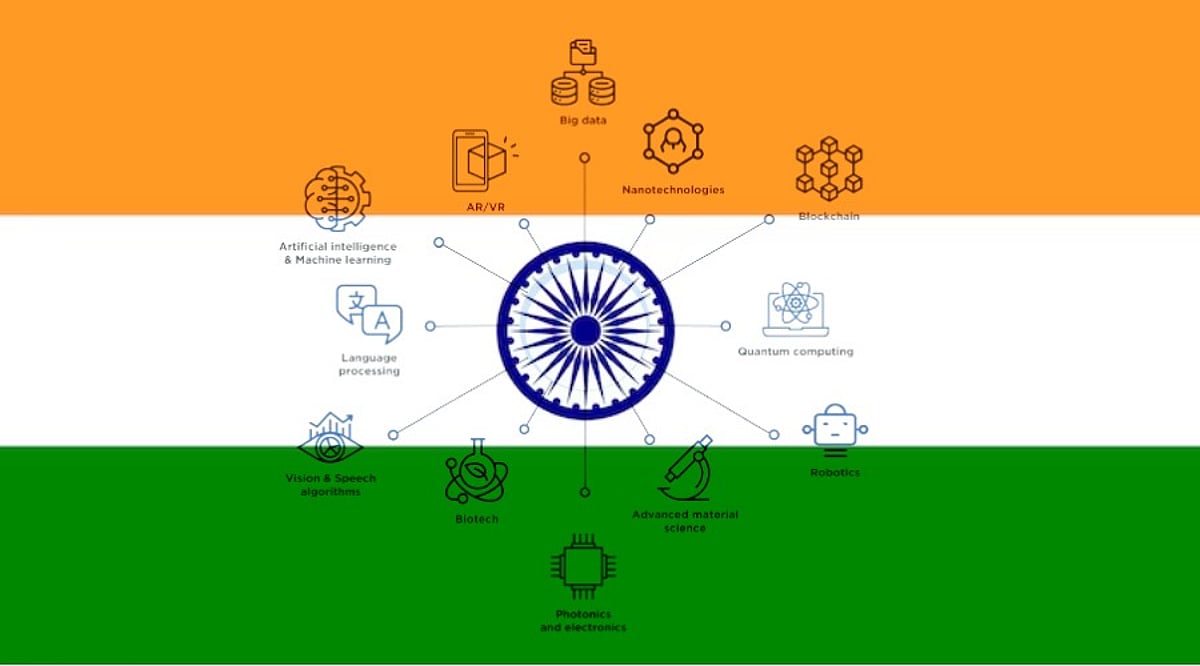
    India’s deep-tech ecosystem is entering a transformative phase as artificial intelligence, space technology, quantum computing, robotics, and advanced manufacturing move from research labs to commercial markets. Backed by rising venture capital investments, government initiatives such as the National Deep Tech Startup Policy discussions and IndiaAI Mission, and growing global demand for frontier technologies, 2026 is shaping up to be a defining year for Indian startups building intellectual property with worldwide impact.

    Leading Deep Tech Companies in India

    Deep-tech ventures are driving innovation through supportive government policies, research institutions, and increased funding. Unlike typical software startups, these companies develop intellectual property in fields like AI, space technology, quantum computing, robotics, and mobility. Here are seven startups to watch in 2026:

    1. Pixxel (Space Technology)

    Founded in 2019 by Awais Ahmed and Kshitij Khandelwal, Bengaluru-based Pixxel is building the world’s largest hyperspectral satellite constellation. Its Earth Observation Platform delivers high-quality imagery for agriculture, climate monitoring, mining, and defense. With global investments and commercial satellite launches, Pixxel has strengthened its international position and advanced analytical capabilities. As demand for geospatial intelligence soars, Pixxel stands out as one of India’s most promising space tech companies in 2026.

    2. Agnikul Cosmos (Space Launch)

    Set up in 2017 by Srinath Ravichandran and Moin SPM, Chennai-based Agnikul Cosmos offers custom-built launch vehicles for small satellites. The company gained worldwide attention by demonstrating a rocket launch using a 3D-printed engine made from a single piece. Supported by institutional and individual investors, Agnikul serves the commercial space sector, research institutions, and defense.

    3. QpiAI (Quantum Computing & AI)

    Founded in 2019 by Dr. Nagendra Nagaraja, QpiAI specializes in using AI and quantum computing to solve complex optimization problems. The company develops quantum computers, software, and AI for enterprise applications in manufacturing, pharma, logistics, and finance. With significant investments and government partnerships, QpiAI is accelerating India’s quantum sector.

    4. Sarvam AI (Generative AI)

    Founded in 2023 by Vivek Raghavan, Pratyush Kumar, and Ankit Jain, Bengaluru-based Sarvam AI focuses on developing sovereign generative AI models tailored for India’s multilingual environment. Its large language models, enterprise AI, and conversational systems support business and government initiatives. Having attracted funding from prominent investors and being selected for the IndiaAI Mission to build sovereign AI, Sarvam AI is poised to become a key player in India’s AI landscape in 2026.

    5. Qure.ai (Healthcare AI)

    Formed in Mumbai in 2016 by Prashant Warier and Pooja Rao, Qure.ai enhances medical imaging using AI. Its diagnostic tools help doctors identify diseases such as tuberculosis, lung conditions, and strokes from radiology images. The company operates in multiple countries, expanding through partnerships, and is one of the most commercially successful Indian healthcare AI firms.

    6. Ati Motors (Autonomous Industrial Robotics)

    Established in 2017 by Saurabh Chandra, Saurabh Agarwal, and Sikander Khan, Bengaluru-based Ati Motors specializes in Autonomous Mobile Robots (AMRs) for material movement in factory floors and warehouses. With enterprise adoption worldwide and additional funding, the company has gained a strong market position. As smart factories become more common, Ati Motors is well-positioned for growth in industrial automation.

    7. Vecmocon Technologies (EV Deep Tech)

    Headquartered in New Delhi and founded in 2016 by Peeyush Asati, Pallav Gupta, and Aman Raj, Vecmocon Technologies provides intelligent electronics, battery management systems, IoT platforms, and vehicle control units for electric vehicles. Serving two-wheelers, three-wheelers, and commercial EVs, the company continues to attract investment amid India’s growing electric mobility push, making it a leading innovator in clean mobility.

    Deep Tech Market Overview

    Rising enterprise adoption, defense requirements, and global demand for frontier technologies are accelerating commercialization. As startups increasingly collaborate with academia, industry, and public institutions, India’s deep-tech ecosystem is expected to expand further. For enterprise AI, Sarvam AI leads the way, while Pixxel and Agnikul Cosmos are reshaping space and defense technologies. Qure.ai continues transforming healthcare diagnostics, Ati Motors strengthens industrial automation, Vecmocon advances clean mobility, and QpiAI represents India’s growing ambitions in quantum computing. Together, these companies showcase the breadth and maturity of India’s rapidly evolving deep-tech ecosystem heading into 2026.

    Frequently Asked Questions

    What are deep tech companies?

    Deep tech companies create breakthrough technologies rooted in scientific research and engineering, including artificial intelligence, robotics, quantum computing, biotechnology, semiconductors, and space systems with strong intellectual property.

    Why is India’s deep tech sector growing rapidly?

    India’s deep tech sector is expanding due to increasing venture capital, government initiatives, research collaboration, skilled talent, and rising enterprise demand for frontier technologies across multiple industries.

    Which Indian company is leading in space technology?

    Pixxel specializes in hyperspectral Earth observation satellites, while Agnikul Cosmos develops customizable launch vehicles, making both companies pioneers in India’s rapidly growing private space industry.

    Which startups are driving AI innovation in India?

    Sarvam AI develops multilingual foundation models for enterprises, while Qure.ai uses artificial intelligence to improve medical imaging, disease detection, and clinical decision-making across healthcare systems worldwide.

    Which deep tech sectors offer the biggest opportunities in 2026?

    Artificial intelligence, quantum computing, space technology, robotics, healthcare AI, clean mobility, and semiconductor innovation are expected to drive investment, commercialization, and global competitiveness throughout India’s deep tech ecosystem in 2026.

  • Indian Brands Making Waves Globally in 2026: Tech, Auto, Fashion & More

    Indian Brands Making Waves Globally in 2026: Tech, Auto, Fashion & More

    Indian brands are expanding rapidly in 2026, building global recognition across technology, automobiles, fashion, food, and consumer industries. Companies like Tata Group continue strengthening their international presence through businesses in automobiles, technology services, steel, and consumer products.

    Reliance Industries is expanding its global footprint through digital services, retail, entertainment, and new energy investments. Indian technology companies are gaining worldwide attention by providing software solutions, cloud services, and artificial intelligence capabilities to global businesses.

    Automobile brands are reaching international customers with electric vehicles, affordable models, and advanced mobility solutions designed for changing markets. Indian fashion and lifestyle brands are entering global markets by combining traditional designs with modern products and international retail strategies.

    Food and beverage companies from India are growing overseas by introducing regional flavors and packaged products to new consumers. Indian startups are attracting global investors and expanding into areas such as fintech, health technology, artificial intelligence, and digital platforms.

    Government initiatives, manufacturing growth, and stronger global demand are helping Indian companies compete in international markets.

  • Tech News Roundup: China’s 3D AI Chip, ONGC Recruitment, Binance Anniversary, and More

    Tech News Roundup: China’s 3D AI Chip, ONGC Recruitment, Binance Anniversary, and More

    Today’s Top Tech Stories

    Welcome to your quick tech briefing. Here are the most important updates from the worlds of AI, startups, careers, developer tools, and cryptocurrency.

    Chinese Startup Unveils 3D AI Chip Roadmap

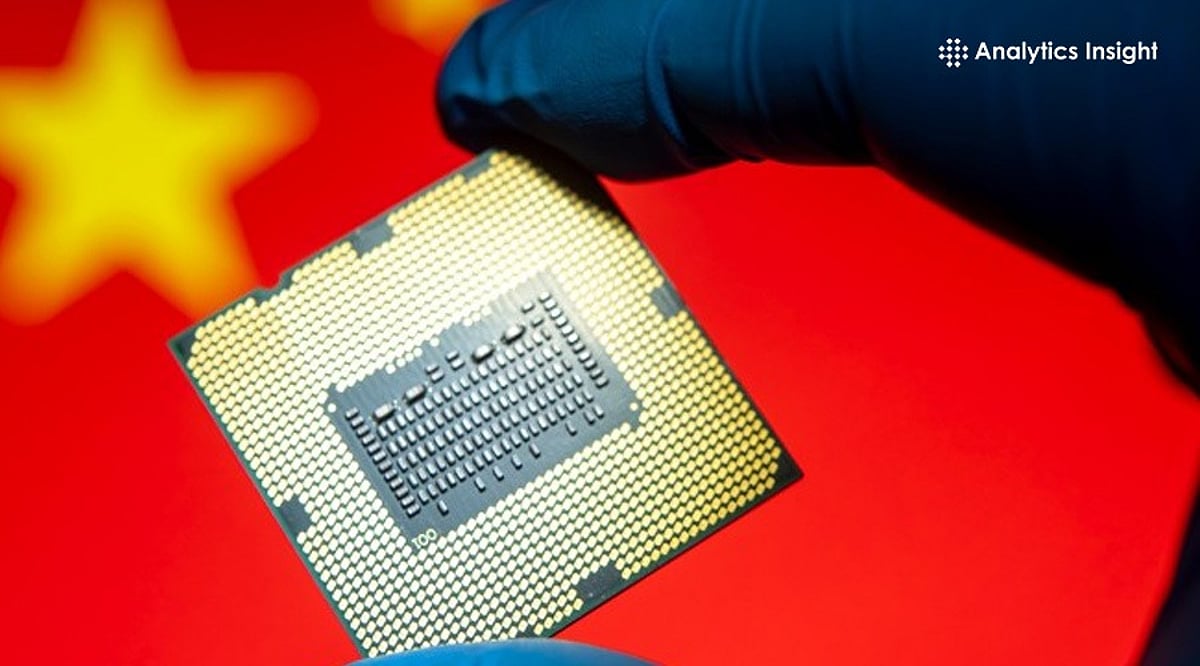
    Dongfang Suanxin, a Chinese startup, has announced a new 3D AI chip roadmap designed to challenge Nvidia. By leveraging software-driven design and 3D memory stacking, the company aims to reduce reliance on advanced chipmaking tools that are restricted by US export controls.

    Ex-Netflix Founders Raise €7.2M for Payment Startup

    Amsterdam-based Nopan has secured €7.2 million to enhance the reliability of bank and wallet payments across Europe. Founded by two former Netflix payment experts, the startup helps merchants improve payment success rates and plans to expand its technology and European market presence.

    ONGC Graduate Trainee Recruitment 2026

    ONGC has released notification for Graduate Trainee Recruitment 2026, inviting applications from engineering and geoscience candidates. Online applications open July 17. Selection will be based on GATE 2026 scores, qualifications, and interviews. Details on salary and eligibility are available.

    Essential Git and Linux Skills for AI Learners

    A new guide highlights the importance of Git, Linux, Python, Conda, Docker, Jupyter, CUDA, and SSH for AI and data science professionals. Mastering these commands can help manage code, files, projects, and systems more efficiently, reduce errors, and improve collaboration.

    Binance Celebrates Ninth Anniversary with Strong Growth

    Binance marked its ninth anniversary, reporting that nearly half of all crypto holders use the exchange. The company announced a record $156 trillion in all-time trading volume and outlined its long-term vision to expand beyond crypto into broader financial services.

    Stay tuned for more updates on these stories throughout the day.

  • Indian Metros Lead the Deep-Tech Revolution: A City-by-City Breakdown

    Indian Metros Lead the Deep-Tech Revolution: A City-by-City Breakdown

    India is witnessing a remarkable transformation as several cities evolve into robust deep-tech innovation hubs. From artificial intelligence and robotics to semiconductors and aerospace, these urban centers are leveraging startups, research institutions, and government support to drive next-generation technology. Here’s a closer look at how each city is contributing to India’s deep-tech landscape.

    Bengaluru: The Silicon Valley of India

    Bengaluru remains India’s premier deep-tech hub, powering innovation in AI, robotics, aerospace, semiconductors, and enterprise software. The city’s vibrant startup ecosystem, world-class research institutions, and presence of global tech giants create a fertile ground for cutting-edge developments.

    Hyderabad: IT, Life Sciences, and Advanced Manufacturing

    Hyderabad combines world-class IT infrastructure with strengths in life sciences, AI research, and data centers. Government support and a focus on advanced manufacturing have accelerated deep-tech entrepreneurship in the city, making it a key player in India’s innovation story.

    Chennai: EVs, Semiconductors, and Industrial Automation

    Chennai strengthens India’s deep-tech capabilities through electric vehicles, semiconductor design and manufacturing, industrial automation, and engineering-driven tech startups. Its strong industrial base and research institutions support a thriving ecosystem.

    Pune: Engineering Excellence in Robotics and Automotive Tech

    Pune leverages its strong engineering ecosystem to foster robotics, automotive technology, AI, defense innovation, and manufacturing research. The city’s growing deep-tech startup communities are making a mark nationally.

    Delhi NCR: AI, Cybersecurity, Fintech, and Space Tech

    Delhi NCR attracts significant deep-tech investments across AI, cybersecurity, fintech, space technology, and enterprise innovation. A dense network of startups, incubators, universities, and venture capital firms fuels its growth.

    Ahmedabad: Semiconductor Initiatives and Industrial Development

    Ahmedabad is expanding its deep-tech ecosystem with semiconductor initiatives, advanced manufacturing, research collaborations, and startup incubation. Technology-focused industrial development is driving progress across multiple sectors.

    Kochi: Digital Infrastructure and Maritime Tech

    Kochi nurtures emerging deep-tech companies through digital infrastructure, startup incubators, AI innovation, and maritime technology research. Government-backed entrepreneurship initiatives are fostering a supportive environment in Kerala.

    Bhubaneswar: Engineering Talent and Electronics Manufacturing

    Bhubaneswar leverages its engineering talent, research institutions, and electronics manufacturing base to build capabilities in AI, semiconductors, and advanced digital technologies. Startup programs further bolster the local deep-tech scene.

    Collectively, these emerging innovation hubs are strengthening India’s research commercialization, skilled talent pool, venture funding, infrastructure, and global competitiveness across next-generation technology sectors. The deep-tech ecosystem in India is poised for exponential growth.

  • Top Technology Stacks Every SaaS Startup Should Consider for 2026

    Top Technology Stacks Every SaaS Startup Should Consider for 2026

    Choosing the right technology stack is critical for SaaS startups aiming to build scalable, high-performance applications. In 2026, the landscape continues to evolve, offering powerful tools that combine speed, flexibility, and intelligent features. Below are the essential technologies your startup should evaluate.

    Frontend: React and Next.js

    React paired with Next.js remains a leading frontend combination. It delivers outstanding performance, a scalable architecture, and excellent user experiences. Its built-in SEO support is crucial for SaaS platforms that rely on organic discovery.

    Backend: Node.js and Python with FastAPI

    Node.js provides a robust runtime for building real-time services, scalable APIs, and distributed applications using JavaScript end-to-end. For startups integrating artificial intelligence, Python with FastAPI offers a powerful backend stack that supports rapid API development, automation, analytics, and enterprise-grade solutions.

    Databases: PostgreSQL and MongoDB

    For relational data, PostgreSQL stands out as a reliable open-source database with strong security, advanced querying, and proven scalability for growing businesses. When handling unstructured or rapidly changing data, MongoDB provides a flexible NoSQL alternative that supports agile development and adaptable storage.

    Containerization and Orchestration: Docker and Kubernetes

    Docker and Kubernetes simplify deploying, scaling, and managing applications. These containerization technologies enable seamless cloud-native software delivery across multiple environments, reducing infrastructure complexity for engineering teams.

    Cloud Platform: AWS

    AWS remains a comprehensive cloud provider offering scalable computing, storage, databases, security, AI services, and global infrastructure. It supports startup growth efficiently, allowing teams to focus on product development rather than hardware management.

    CI/CD: GitHub Actions

    Automated continuous integration and deployment streamline software releases. GitHub Actions improves development productivity, reduces errors, and accelerates feature delivery, making it an essential tool for modern engineering workflows.

    Intelligence Layer: OpenAI APIs

    OpenAI APIs empower SaaS platforms with AI-driven capabilities such as intelligent chatbots, content generation, personalized user experiences, and advanced automation. Integrating these APIs can differentiate your product in a competitive market.

    Selecting the right mix of these technologies can set your startup on a path to success in 2026. Evaluate your specific needs, team expertise, and growth projections to build a stack that scales with you.

  • Why Strategic Partnerships Are Now Essential for Fintech Growth

    Why Strategic Partnerships Are Now Essential for Fintech Growth

    Building a fintech company from the ground up rarely guarantees lasting success anymore. Regulatory complexity, infrastructure costs, and customer trust all demand resources that few startups hold alone. Partnerships have become the practical route to solving these gaps quickly.

    Industry data now supports what many founders have sensed intuitively for years. Firms combining fintech innovation with institutional backing tend to scale faster than those working in isolation. What began as a survival tactic has turned into a defining growth strategy across the sector.

    Legacy infrastructure, tighter regulation, and rising customer expectations pushed both sides closer together. KPMG International’s recent research, drawn from 1,000 banking and retail executives, confirms that strategic partnerships now drive measurable growth across the sector. Collaboration has stopped being a defensive move and started functioning as a core strategy.

    Why Strategic Partnerships Matter in Fintech

    Strategic partnerships solve problems that banks and fintechs cannot fix independently. Banks carry legacy systems that resist quick innovation cycles. Fintechs often lack licensing, capital reserves, and the institutional trust banks have built over time. Combining these strengths speeds up product development considerably.

    It also widens market reach for both parties involved. Leading firms increasingly treat partnerships as core infrastructure rather than optional pilot projects. Neobanks, in particular, reported the highest share of modernization leaders among banking respondents surveyed. This pattern suggests newer institutions adapt faster when partnerships anchor their strategy.

    The Funding Connection

    Strategic alliances also work as a genuine funding lever for growth. Quebec fintechs raised $428.4 million CAD across twelve funding rounds during a recent year. This figure represented 27% of Canada’s total fintech investment that same year.

    Partnership-backed ventures tend to attract capital more efficiently than standalone startups working alone. Co-investment models reinforce this trend across multiple markets. The Citi-Carlyle fintech funding initiative shows how institutions and fintechs pool resources together. Together, they scale faster than either party could manage separately.

    Fintech Partnership Models

    Different partnership structures serve different strategic goals within the industry. Choosing the right model affects scalability, compliance load, and speed to market significantly.

    Each model carries tradeoffs worth weighing carefully before committing. Referral partnerships scale quickly but offer limited long-term differentiation. Hybrid partnerships demand stronger governance structures from both parties. In return, they unlock the greatest long-term value for banks and fintechs alike.

    Payments Push Collaboration Further

    Payments infrastructure shows clearly why partnerships have become unavoidable industry practice. Banks spent an average of $96.9 million on payment modernization last fiscal year alone. Full-service and corporate banks each allocated over $150 million toward these initiatives.

    KPMG’s Geoff Rush, Global Head of Banking and Capital Markets, said payments now depend on ecosystems linking banks, fintechs, retailers, and technology firms together. Banks increasingly orchestrate services rather than acting as sole providers themselves. This orchestration role represents a meaningful shift in how banks define their market position.

    Fifty-four percent of retailers see payment modernization as essential to their business future. Only 53% believe their banking partners fully understand their modernization goals clearly. This gap leaves considerable room for closer alignment going forward. Artificial intelligence adds further urgency, with 85% of banks planning to use it for instant fraud risk resolution within three years.

    What Separates Lasting Partnerships From Failed Ones

    Several factors consistently decide whether fintech partnerships survive long-term:

    • Early alignment on risk tolerance between fintechs and banks
    • Clear governance defining decision rights and escalation paths
    • Automated onboarding and compliance through partner management platforms
    • Ongoing performance evaluation against shared, predefined metrics
    • Genuine willingness to share data and technical resources openly

    Misaligned risk appetite remains the most common failure point across the industry. Fintechs generally favor faster iteration and bold experimentation with new products. Banks prioritize stability and regulatory caution instead, given their exposure to systemic risk. Without early workshops to set shared protocols, promising collaborations often stall before launch or fail.

    Final Words

    Strategic partnerships have moved past being a competitive advantage for a select few. They now function as standard practice across fintech and banking globally. Institutions treating collaboration as a long-term asset consistently outperform those still operating in isolation from the broader ecosystem.

    The data support this conclusion clearly and consistently. Capital flows faster toward partnership-backed ventures across nearly every market studied. Payment modernization budgets keep climbing across the industry year after year. More than half of banks already expect ecosystem strength to determine tomorrow’s winners in this space. Companies willing to share expertise, technology, and risk will likely lead the next wave of change in financial services.