
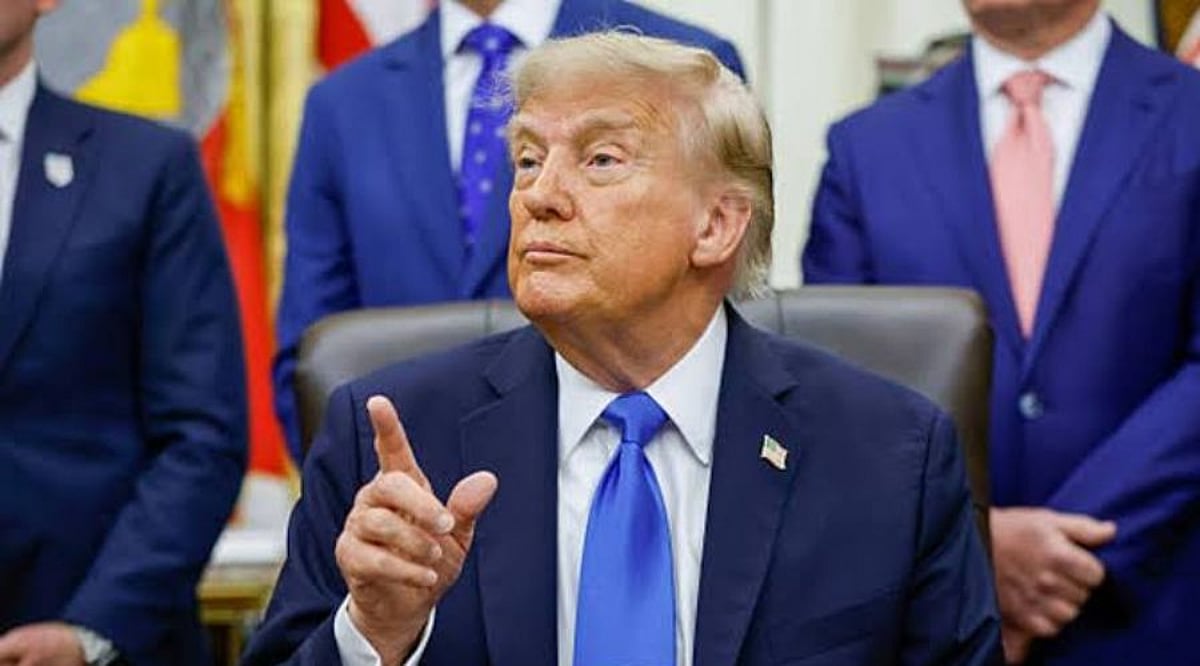
President Donald Trump has agreed to significantly tougher ethics provisions in the CLARITY Act, clearing the way for a critical Senate vote scheduled for Tuesday. The revised compromise grants state attorneys general a broader enforcement role, addressing concerns over potential presidential conflicts of interest in the crypto space.
State Attorneys General Gain Broadened Enforcement Powers
The original version of the bill barred federally elected officials, their spouses, and federal judges from issuing digital assets. Critics argued, however, that the language did not adequately address ethical questions tied to President Trump’s extensive crypto holdings and business interests.
Republican Senator Thom Tillis and Democratic Senator Ruben Gallego, joined by several of their Democratic colleagues, pushed for stronger measures. Their proposal would allow state attorneys general to enforce the law in coordination with the U.S. Department of Justice.
According to Republican Senators Cynthia Lummis, Tim Scott, and John Boozman, Trump accepted a substantial portion of the proposed framework. They confirmed that the revised text now gives state attorneys general a meaningful enforcement role.
Presidential Conflict-of-Interest Questions Remain Central
Senator Angela Alsobrooks of Maryland, considered a key swing vote, said state attorneys general must be able to step in and prosecute when the Justice Department fails to act. She added that she would not support any bill that left ethical risks unaddressed.
White House crypto adviser Patrick Witt said the administration and Senate Republicans had remained responsive to Democratic policy demands throughout more than a year of negotiations.
Presidents have historically been exempt from federal conflict-of-interest laws because they oversee the entire government. While some modern presidents have placed assets in blind trusts, Cabinet officials are generally expected to divest or recuse themselves from specific matters.
Trump’s Crypto Business Draws Continued Scrutiny
Last year’s stablecoin law prohibited members of Congress and their families from profiting from stablecoin activities, but the restrictions did not extend to President Trump or his family. The White House has said Trump recuses himself from family business decisions handled by his sons.
According to data referenced in the bill debate, Trump’s crypto-related revenues reached $1.2 billion, with more than $600 million stemming from sales of his branded meme coins through CIC Digital LLC. In May, Trump hosted leading investors in the $TRUMP meme coin at his northern Virginia golf club; the White House said he attended the event in a personal capacity.
What to Watch Before the Senate Vote
With the Senate vote looming, the compromise appears designed to satisfy both Democratic critics and Republican supporters. The expanded role for state attorneys general is expected to be central to the debate. How senators align on the measure could determine whether the CLARITY Act advances to final passage.