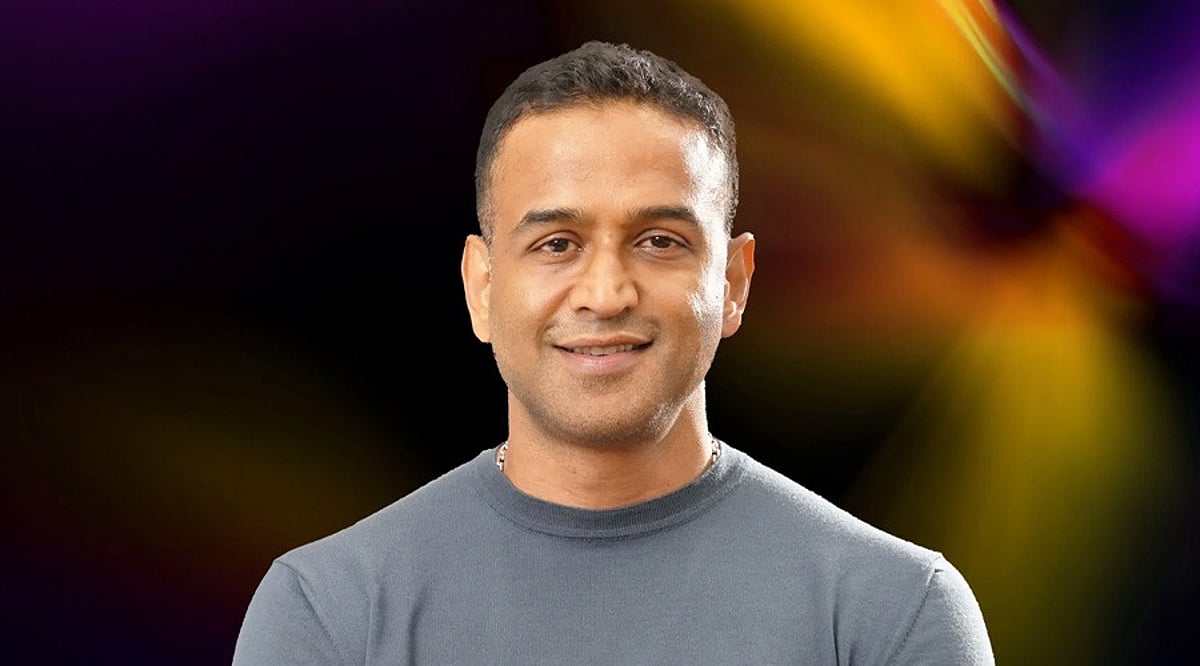
India’s investing landscape has undergone a remarkable transformation over the past decade. Millions of first-time investors now buy stocks, invest in mutual funds, and manage their portfolios through digital platforms. At the center of this shift is Nithin Kamath, an entrepreneur who challenged traditional brokerage practices and made investing more accessible for ordinary Indians.
At the time of its founding by Nithin Kamath in 2010, stock trading was perceived as an elaborate, costly, and complex process. This situation deterred many retail investors from entering the trading arena. Kamath quickly identified these factors as problems for traders and made simplification, transparency, and accessibility one of his top priorities.
Unlike most startup founders, Kamath chose not to seek outside investment but to focus on making his business profitable, trustworthy, and long-term successful. Thanks to this strategy, Zerodha has become the largest stockbroker in India in recent years, catering to the interests of millions of people.
A Passion for Markets Started Early
Born in Karnataka, Nithin Kamath developed an early fascination with the stock market. Even before he became an entrepreneur, he was involved in trading and gained valuable insight into how financial markets function. The practical knowledge he gained helped him understand the difficulties retail traders face and motivated him to make a difference in their investment experience. As against following a traditional corporate career path, Kamath chose to solve some of the problems in the brokerage sector.
Building Zerodha Without External Funding
Zerodha was started by Nithin Kamath along with his brother, Nikhil Kamath, in 2010. It pioneered a discount brokerage model that offered lower trading charges than regular brokers. There has been something that has been quite distinguishing about Zerodha, and that is the growth strategy of the company. The company has remained bootstrapped, without taking any venture capital funding. It has chosen to make its business profitable by building customer trust and using technology to grow organically. Today, Zerodha serves millions of customers in India and is known as one of the most prestigious brokerage platforms in the country.
Making Investing More Accessible
Kamath has been vocal about lowering the barriers for novice investors. The simple user interface, low-cost structure, and educational tools of Zerodha have motivated many youngsters in India to start investing. The organization has launched another initiative called ‘Varsity’, an educational tool that explains investment terms such as stocks, technical analysis, options, mutual funds, and personal finance. Varsity has turned into one of the best educational tools for retail investors in India over time. Another important decision by Zerodha is to keep direct mutual fund investments on the Coin platform free of cost.
Supporting India’s Startup Ecosystem
Kamath’s business ventures extend beyond stockbroking. In 2016, Zerodha created Rainmatter, which invests in startups in fintech, health, climate, media, and deep technologies. Rather than being solely profit-driven, Rainmatter offers financing, mentoring, industry networking opportunities, and more support to startups. According to Kamath, Rainmatter has invested over Rs. 1,500 crore into 160+ startups. Zerodha has also pledged 10% of its profits to be used to invest in startups and 10% for social causes via the Rainmatter Foundation.
Leadership Built Around Long-Term Thinking
One of Kamath’s characteristics is his lack of interest in aggressive expansion techniques. He has always maintained that fostering a good working environment must be actively pursued, not achieved through expansion alone. Zerodha has developed a system in which customer satisfaction, employee welfare, and prudent decision-making are prioritized over high revenue targets. According to Kamath, resilience is attained when employees learn from their mistakes while maintaining high standards of service.
A Strong Voice on Financial Awareness
In addition to managing Zerodha, Kamath actively blogs on investing and entrepreneurship and engages with followers on social media on market regulations and investment education. In particular, he often tells investors to adopt a long-term view, maintain investment diversity, and avoid letting emotions interfere when markets are fluctuating. In terms of communication style, Kamath tries to simplify complicated financial matters. Kamath has never shied away from discussing the dangers of derivatives and has encouraged responsible investing.
Health Issues and Business Looking Beyond
In early 2024, Kamath confessed to having undergone a mild stroke. He admitted that, in his life, physical fitness, stress management, and getting proper rest became even more important after the incident. Ever since, Kamath has continued talking about physical fitness and health at work. At Zerodha, several employee wellness programs have been launched in line with Kamath’s philosophy. Kamath’s involvement with the Rainmatter Foundation illustrates the increasing inclination of Kamath towards sustainability and social responsibility. The Rainmatter Foundation engages in activities related to climate change action, biodiversity conservation, ecology and ecological restoration, and the creation of sustainable livelihoods. Kamath has stated that, besides being profitable, companies must also play a role in addressing the bigger challenges faced by society.
A Lasting Impact on India’s Financial Landscape
Kamath’s impact is not limited to Zerodha alone. His thoughts have made investments easier for people to understand, helped in developing financial literacy among individuals, and motivated many entrepreneurs to start their business ventures profitably without relying on outside investment. Whether through questioning the conventional way of doing things in brokerage services, promoting startups, or environmental causes, Kamath has always been about building something valuable over the long term. It can be seen from his story that innovations need not necessarily come from growth. Rational thinking, proper execution, and dedication to the customer can result in one of the most respectable financial technology companies in India.