
Tag: storage cleanup

  • 7 Easy Ways to Speed Up Your Laptop in 2026 (No Hardware Needed)

    7 Easy Ways to Speed Up Your Laptop in 2026 (No Hardware Needed)

    A slow laptop doesn’t always mean you need a new one. Often, simple software tweaks and maintenance can restore speed. From disabling startup apps to clearing storage, these seven methods can make a noticeable difference without spending a penny.

    1. Disable Unnecessary Startup Apps

    Many programs launch automatically when you boot up, draining resources from the start. On Windows, use Task Manager or Settings to review and disable apps with high startup impact. Keep only essential security tools. Mac users can check Login Items under System Settings.

    2. Free Up Storage Space

    A nearly full drive slows down your system and can block important updates. Remove temporary files, old downloads, and unused applications. Move large media files to external storage. Windows Storage Sense and Mac’s storage management tools automate this process.

    3. Close Resource-Hungry Programs

    Browsers with dozens of tabs or background apps can eat up RAM and CPU. Use Task Manager (Windows) or Activity Monitor (Mac) to identify and quit programs that are consuming excessive resources. Restart the laptop if performance remains sluggish.

    4. Keep Your Operating System Updated

    Updates often include performance fixes and driver improvements. Install all available Windows or macOS updates, including optional driver updates. Restart when prompted to complete the installation.

    5. Scan for Malware and Threats

    Malware can silently consume resources. Run a full scan using your built-in security tool (like Windows Security). Remove any suspicious software. Avoid third-party “optimizers” that may add more problems.

    6. Reduce Unnecessary Background Activity

    Many apps run in the background even after you close them. Manage background app permissions in Windows or disable unnecessary notifications and syncing. On laptops, use power settings like Best Performance mode when speed is critical, but be aware it may increase heat and battery drain.

    7. Consider a Fresh Start or Hardware Check

    If software tweaks aren’t enough, check your hardware specs. High CPU or memory usage may indicate limits. Upgrading RAM or switching to an SSD can help, but only if your laptop allows upgrades. Always verify compatibility first.

    Start with these simple steps before buying new hardware. You might be surprised how much faster your laptop feels.
  • Files by Google App: Features, Pros, Cons, and How to Use It Effectively

    Files by Google App: Features, Pros, Cons, and How to Use It Effectively

    Files by Google is a free Android file manager that simplifies file organization, storage cleanup, content sharing, and privacy protection. With over 5 billion downloads on the Google Play Store and a 4.3-star rating, it has become one of the most popular tools for managing phone storage.

    What Is Files by Google?

    Developed by Google, this app helps Android users find, move, copy, share, and delete files quickly. Files are neatly categorized into sections like Images, Videos, Documents, and Downloads, making navigation intuitive. A powerful search option lets you locate specific files instantly.

    Key Features

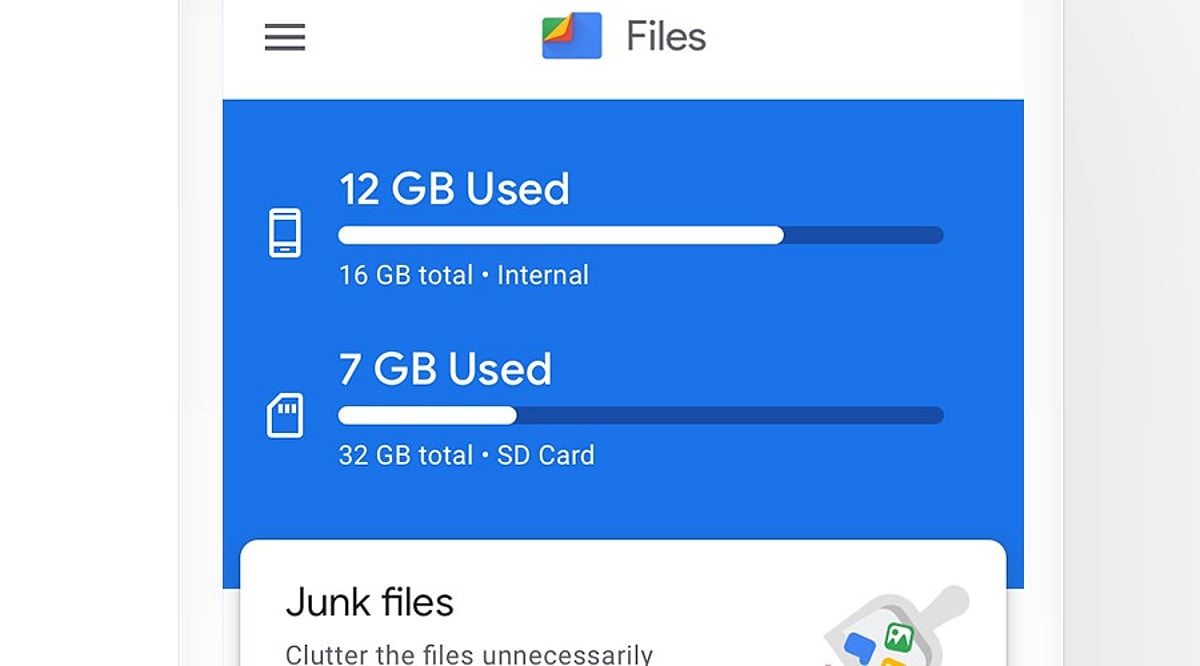
    • Storage Cleanup: Identifies junk files, duplicate content, old screenshots, and large unused files. Users can review suggestions before deleting.
    • Safe Folder: Protects private files with a PIN or pattern, keeping them hidden from the main file list.
    • SD Card Support: Move files to external storage on compatible devices.
    • Quick Share: Send files to nearby devices without email or messaging apps.
    • ZIP Support: Compress files or folders into ZIP archives.
    • Cloud Backup: Back up important files to the cloud.
    • Media Playback: Play stored videos and music directly within the app.

    Where to Download

    Download Files by Google exclusively from the Google Play Store. The app is free, ad-free, and uses less than 20 MB of storage. Official downloads ensure timely updates and security patches.

    Pros and Cons

    Pros

    • Free and ad-free
    • Simple, user-friendly interface
    • Lightweight (under 20 MB)
    • Effective storage cleanup and duplicate file detection
    • Quick Share and Safe Folder features
    • SD card and ZIP file support
    • Cloud backup and media playback

    Cons

    • Limited advanced file controls
    • Some features depend on Android version
    • Users must manually review cleanup suggestions
    • Safe Folder security relies on user-set PIN/pattern
    • Not ideal for users seeking a highly advanced file manager

    How to Use Files by Google

    1. Open the app and browse categories like Images, Videos, Documents, or Downloads.
    2. Use the search bar to find a specific file by name or type.
    3. Go to the Clean section to review and remove junk or duplicate files.
    4. Select a file, tap the menu, and choose Move or Copy to relocate it.
    5. Use Quick Share to send files to nearby compatible devices.
    6. Move private files to the Safe Folder and set a PIN or pattern.
    7. Select files or folders and use Compress to create a ZIP archive.

    Always double-check files before deleting—old photos or documents may still be important.

    Why It Stands Out

    Files by Google focuses on solving everyday storage and file management problems without unnecessary complexity. Its popularity—over 5 billion downloads—reflects its reliability and ease of use. For Android users who want a clean, straightforward tool to keep their phone organized, this app is a practical choice.