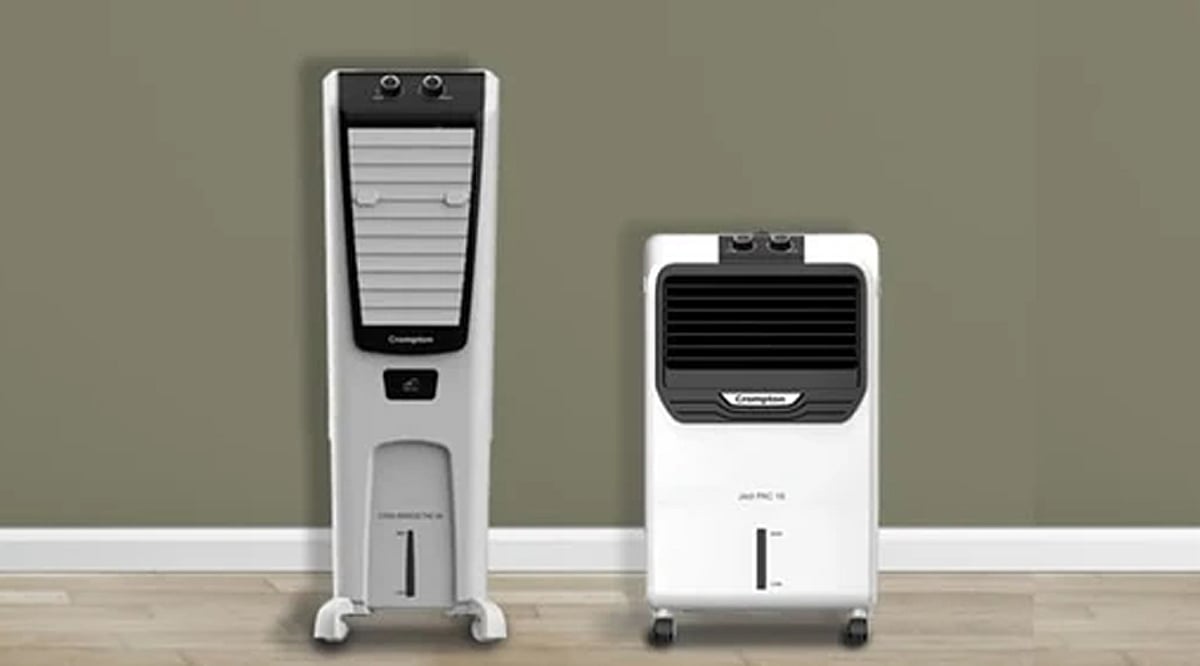
Beat the scorching summer heat with the best air coolers of 2026, which combine powerful airflow, large water tanks, and energy-saving performance. From compact personal coolers to heavy-duty desert coolers, discover top models designed for every room size and climate condition. Explore smart features like honeycomb cooling pads, inverter compatibility, low-noise operation, and ice chambers for faster and longer cooling comfort.
Top-Rated Air Coolers in India 2026 for Maximum Cooling Performance
Modern air coolers have evolved significantly, offering efficient airflow, improved cooling pad designs, and enhanced energy efficiency. Customers now prioritize strong airflow, room coverage, extended cooling hours, and minimal impact on monthly electricity costs. Desert air coolers remain highly sought after for their excellent ability to deliver maximum cooling performance, especially with multi-directional airflow and large coverage areas. Other trends include auto-fill systems, ice chambers, and low-maintenance cooling pads, all of which improve comfort and cooling efficiency. Portable air coolers have also gained popularity due to their compact size and low power consumption.
Best Air Coolers for Extreme Heat and High Temperature Regions
In regions where temperatures exceed 40°C, desert air coolers are essential. These units are designed for dry and hot areas, using both airflow and water systems to lower room temperature. Top models feature big water tanks, high air delivery, honeycomb cooling pads, and ice compartments. Many are inverter-compatible, making them ideal for areas with frequent power outages. Proper ventilation remains crucial for optimal performance.
Best Portable Air Coolers for Home Use in 2026 (Compact & Powerful)
Portable air coolers are lightweight and easy to move between bedrooms, apartments, studies, and offices. Despite their size, they offer impressive cooling performance and consume less power than air conditioners. They require minimal installation and maintenance, making them perfect for rented homes and small apartments. Inverter compatibility adds value during blackouts.
High Airflow Air Coolers: Models with Strong Fan Speed and Coverage
Designed for larger spaces, high-airflow coolers prioritize air delivery, high throw, and rapid cooling. They are suitable for living rooms, hallways, shops, and semi-outdoor areas. Many feature advanced fan systems and high-CMH ratings for even cold air distribution. Additional features include multiple airflow directions, turbo cooling, and high-capacity cooling pads. Large water tanks reduce the need for frequent refills.
Best Air Coolers with Ice Chamber for Faster Cooling in Summer
Ice chamber coolers allow users to add ice cubes directly for faster, colder airflow. They are especially effective during extreme afternoon heat. Modern versions combine ice chambers with honeycomb pads and efficient fans. Large water tanks and long air throw extend cooling duration. These coolers are portable, often with wheels, and consume less energy than ACs.
Low Noise Air Coolers for Bedrooms and Night Use
Noise levels are critical for bedrooms and nighttime use. Manufacturers now produce coolers with vibrationless motors, advanced fans, and sleep modes. Personal coolers operate quietly compared to desert coolers. Honeycomb pads ensure quiet airflow. Inverter compatibility is also common. These coolers eliminate disturbances during work, study, and sleep.
Best Air Coolers for Humid vs Dry Climate: What Works Best?
Desert air coolers excel in dry regions because of efficient evaporation. They have large reservoirs and thick pads. Personal air coolers are better in humid climates, where high humidity hampers evaporation. Modern coolers offer adjustable fan speeds and humidity-friendly airflow settings.
Air Coolers with Inverter Compatibility for Power Cuts and Backup
Inverter-friendly coolers are indispensable in areas with frequent power cuts. They use energy-saving motors and improved airflow design to run efficiently on home inverters. Portable and personal models are widely used, while larger desert coolers with inverter support are ideal for big rooms.
Top Air Coolers with Honeycomb Cooling Pads for Better Efficiency
Honeycomb cooling pads are superior to traditional wood wool pads. They retain water better, improve airflow, and require less maintenance. Their structure enhances evaporation for cooler air even in extreme conditions. Combined with powerful fans and large tanks, these coolers deliver low noise and high efficiency.
Best Air Coolers with Large Water Tank Capacity for Long Cooling Hours
Coolers with 50L–100L water tanks provide continuous cooling without frequent refills. This is ideal for large rooms and hot summer nights. Some models include auto-fill and ice chambers. They are portable, have castor wheels, and are energy-saving with inverter compatibility.
Cooler Maintenance Guide
Regular maintenance extends the life of your air cooler. Clean the tank frequently to avoid dirt and bacteria. Replace cooling pads regularly to prevent dust clogging. Always use fresh water and ensure proper ventilation for optimal cooling efficiency.
Cooler Buying Guide
Choosing the right cooler involves more than tank size. Consider air delivery (CMH), room size, cooling pad type (honeycomb vs. wood wool), energy consumption, portability (wheels), and balance between tank capacity and cooling performance.
Final Thoughts
Selecting the ideal air cooler requires evaluating room dimensions, climate, airflow capacity, energy savings, and maintenance needs. Whether it’s a small portable unit or a large desert cooler, features like honeycomb pads, inverter compatibility, ice chambers, and large water tanks significantly improve performance and user experience.