
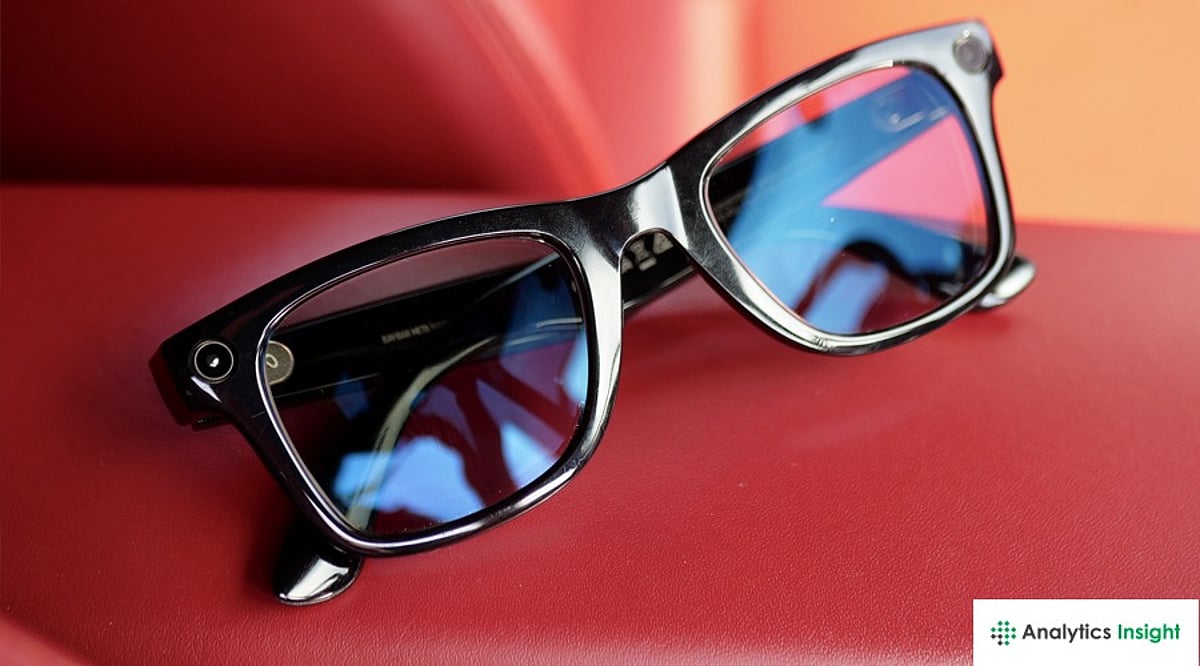
Meta Platforms is testing a new prototype of AI-powered smart glasses that can continuously capture what users see and hear through built-in cameras and microphones. Dubbed “super sensing” glasses, the device could allow wearers to ask Meta AI about their day, surroundings, or past activities. However, the project has reignited concerns about privacy, consent, and legal compliance as wearable AI becomes more pervasive.
How the Prototype Works
According to reports, the glasses can take photos every few seconds and record audio, collecting data from the wearer’s daily life. Users could later query the AI to recall specific moments. The system reportedly does not store raw video or audio; instead, it extracts relevant data from images and sound and uploads it to Meta’s servers for AI search. Supporters argue this approach reduces privacy risks, but internal debate at Meta suggests many employees view the technology as intrusive, especially when it captures information from people who have not opted in.
Privacy Light Concerns
Meta’s current Ray-Ban Meta smart glasses include an LED light that activates when the wearer takes photos or records video, serving as a notification to bystanders. The new super-sensing feature may not trigger the LED in the same way, raising questions about whether people nearby will know when data collection is occurring. Meta has previously faced issues with users trying to disable or obscure the privacy light, prompting the company to roll out an update that disables the camera if tampering is detected. Still, the reported design choice has drawn criticism from privacy advocates.
Legal and Regulatory Implications
Always-aware devices could face scrutiny under privacy, biometric data, and audio recording laws. In some US states, recording private conversations without all-party consent is illegal. Boston University law professor Woodrow Hartzog noted, “No existing law comprehensively addresses the myriad ways these tools can pose risks during their design and manufacturing.” He urged lawmakers to update legal frameworks for devices that are “always on and constantly observing.” Public venues are already reacting: New York State courts plan to ban camera glasses from courtrooms, and Philadelphia courts and some cruise lines have restricted smart glasses in certain areas.
Meta’s Vision and Next Steps
Meta CEO Mark Zuckerberg has positioned AI glasses as a key part of the company’s future, calling them a “personal assistant that stays with you all day, helping you remember things and achieve your goals.” While the prototype is still under testing and could change, the debate highlights how smart glasses are evolving from simple recording tools into devices that monitor, process, and recall daily life. The outcome of this testing phase will likely shape both Meta’s product roadmap and the broader conversation around privacy in wearable AI.