
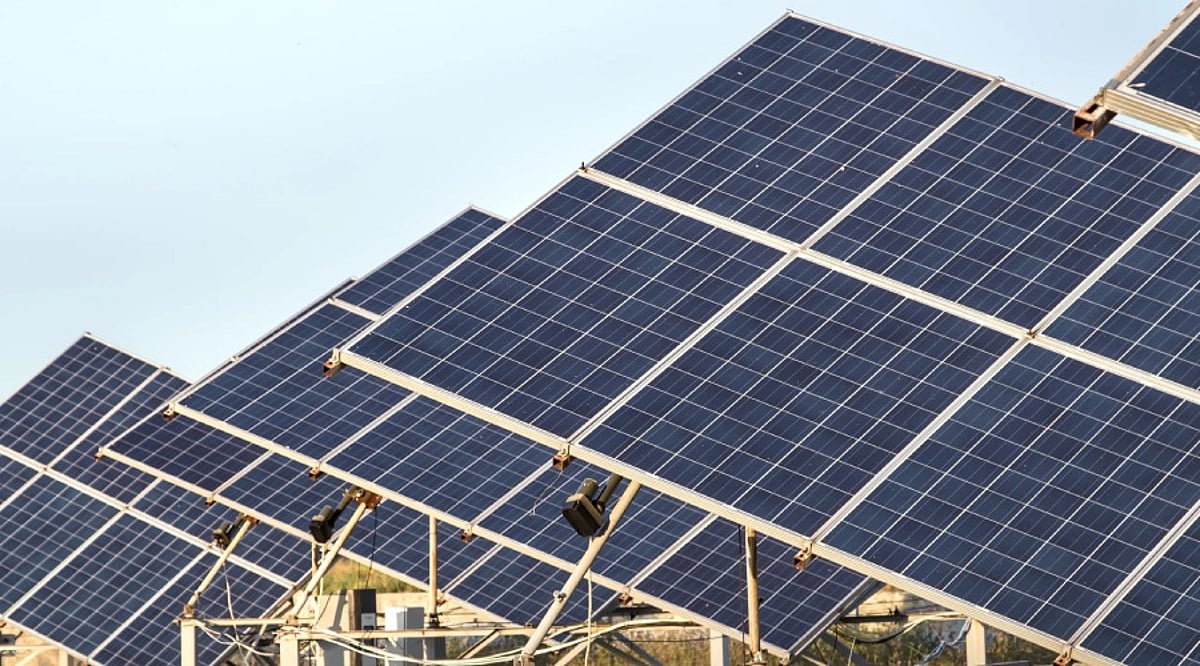
Solar power has become one of the most important clean energy sources worldwide. Millions of homes, offices, and factories already use solar panels to generate electricity from sunlight. Most conventional panels rely on silicon, a material that has served the industry well for many years. However, scientists now believe that silicon has nearly reached its maximum performance. This has spurred research into new solar technologies that can generate significantly more electricity from the same amount of sunlight. These future solar panels could help homeowners save money, reduce carbon emissions, and make better use of limited roof space.
Perovskite-Silicon Tandem Panels Show the Greatest Promise
Among emerging solar technologies, perovskite-silicon tandem panels are attracting the most attention. These panels combine a silicon cell with a very thin layer of perovskite. Because each material absorbs different parts of the sunlight spectrum, they work together to capture more solar energy than ordinary silicon panels alone.
Lab tests have achieved efficiencies exceeding 34.5%, far above the typical performance of current commercial silicon panels. Experts believe commercial models will soon reach over 30% efficiency. This could allow homeowners and businesses to generate 20–30% more energy from the same rooftop without adding extra panels. Moreover, manufacturers can adapt existing silicon production lines rather than build entirely new infrastructure.
All-Perovskite Panels Could Transform the Industry
Researchers are also developing solar panels made entirely from perovskite materials, known as all-perovskite panels. Unlike tandem panels, these do not use silicon at all. This technology promises to be lighter, cheaper, and easier to produce at scale. These panels can bend without damage, making them suitable for curved roofs, portable devices, and surfaces where heavy glass panels are impractical. Some experts believe all-perovskite panels could even surpass the efficiency limits of silicon. However, a major challenge remains: improving durability against heat, moisture, and sunlight so the panels can last for decades outdoors.
Multi-Junction Solar Cells Deliver Record Efficiency
Another breakthrough is the multi-junction solar cell, which uses multiple layers to absorb different colors of sunlight. This design can utilize nearly the entire solar spectrum to generate electricity. Such cells have already achieved efficiencies above 40%, with some advanced designs reaching almost 47%—the highest ever recorded. These cells are already used in satellites due to their exceptional performance. The main drawback is high manufacturing cost, which currently prevents widespread residential use.
Quantum Dot Solar Cells Open New Possibilities
Quantum dot solar cells represent another exciting area of research. Quantum dots are extremely small semiconductor particles whose light absorption properties change with their size. This allows scientists to design cells that collect a broader range of sunlight. Researchers believe this technology could boost electricity production, especially in cloudy or low-light conditions. Some studies explore using quantum dots alongside silicon panels rather than replacing them entirely. Although more research is needed before mass production, many experts see strong long-term potential for capturing more solar energy.
Flexible Printed Solar Cells Expand Where Solar Can Work
Future solar panels may not look like the heavy glass panels we know today. Flexible printed solar cells could revolutionize how solar power is integrated into everyday life. These ultra-thin films can be applied to walls, windows, curved structures, cars, buses, trains, and even portable electronics. Japan has invested heavily in printed perovskite technology, aiming to turn ordinary surfaces into clean electricity generators. This approach could dramatically increase the total solar power capacity in cities.
Challenges Before Widespread Adoption
Despite impressive progress, several challenges remain. Future panels must reliably generate electricity for 25–30 years without major performance loss. They need better protection against rain, humidity, high temperatures, and constant sunlight. Large-scale manufacturing must also reduce production costs to keep prices affordable for homeowners and businesses. Researchers are also focusing on recycling methods to minimize waste at the end of a panel’s life. Steady progress is being made on all these fronts.
The Future Looks Bright
The next generation of solar panels will transform clean energy. Perovskite-silicon tandem panels currently offer the best balance of efficiency, manufacturability, and commercial readiness. All-perovskite panels, multi-junction cells, quantum dot technology, and printed flexible films are set to expand the frontiers of solar energy. As research progresses, future solar panels will generate more power from the same sunlight while unlocking new ways to harvest energy from buildings and vehicles.
Frequently Asked Questions
- What is the most promising future solar panel technology? Perovskite-silicon tandem panels are considered the most promising because they combine high efficiency with compatibility with existing silicon manufacturing.
- Why are perovskite solar panels important? They can achieve higher efficiencies than traditional silicon panels while potentially reducing manufacturing costs and enabling flexible designs.
- Why aren’t multi-junction solar cells used on homes today? Although they offer record-breaking efficiency, they remain too expensive for residential use due to complex materials and manufacturing.
- What makes quantum dot solar cells different? Quantum dots absorb different wavelengths of light depending on their size, allowing solar cells to capture more sunlight, especially in low-light conditions.
- What challenges must future solar panels overcome? They need improved durability, lower production costs, better resistance to heat and moisture, and effective recycling solutions for long-term commercial success.