Tag: Tata Group

  • Air India Shareholders Greenlight Rs. 17.74 Crore Payout for Departing CEO Campbell Wilson

    Air India Shareholders Greenlight Rs. 17.74 Crore Payout for Departing CEO Campbell Wilson

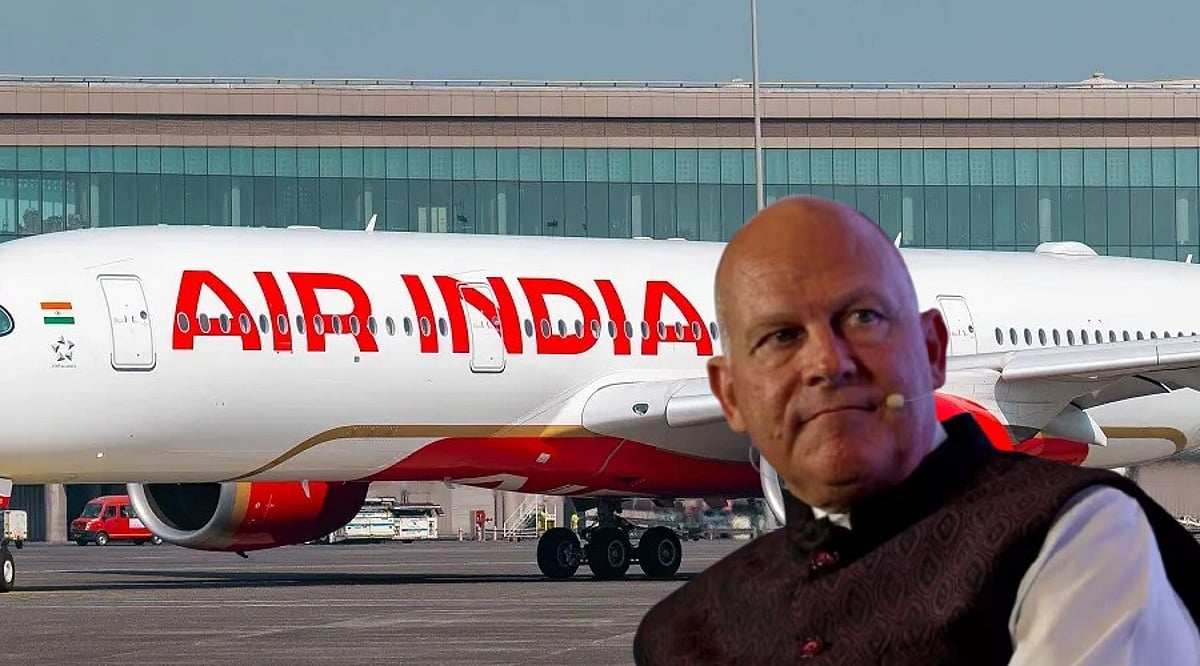
    Air India shareholders have approved a Rs. 17.74 crore cash payout for outgoing chief executive officer Campbell Wilson. The amount includes Rs. 15.24 crore in lieu of shares due under a long-term incentive plan and a separate Rs. 2.5 crore reward for fiscal year 2025, as reported by Business Standard. The approval comes as the airline prepares for a leadership change after a year of widening losses.

    Why Did Air India Approve the Cash Payout?

    Shareholders Tata Sons and Singapore Airlines approved the revised terms at Air India’s annual general meeting on August 10. The Rs. 15.24 crore portion replaces shares Wilson was entitled to receive under the airline’s long-term incentive plan for FY23 through FY25. Under the original terms, shares would have made up half of that incentive.

    Air India’s board approved the cash replacement and the Rs. 2.5 crore one-time reward on May 7, following a recommendation from its nomination and remuneration committee. The company then sought shareholder approval because the changes differed from Wilson’s previously approved pay terms.

    The approval establishes the amount Wilson can receive, but it does not confirm payment. Moneycontrol said it could not independently verify whether Air India had disbursed the money. The August resolution covers incentives through FY25 and does not disclose a similar cash replacement or one-time reward for FY26.

    How Was Wilson’s Pay Structured?

    Wilson became Air India’s CEO and managing director in July 2022, after the Tata Group acquired the airline from the government. His initial annual compensation was set at Rs. 21.5 crore for three years. That package included Rs. 8.5 crore in fixed pay, a potential Rs. 6.5 crore annual bonus, and Rs. 6.5 crore under the long-term incentive plan.

    A revised package effective April 2025 allowed annual compensation of up to Rs. 27.75 crore. It comprised Rs. 11.1 crore in fixed pay, about Rs. 8.32 crore in a performance-linked bonus, and a similar amount in long-term incentives. These figures describe his pay arrangements; they do not establish how much he received in any given year.

    Air India’s FY26 annual report did not give a separate breakdown of Wilson’s remuneration. It showed that salaries and allowances for all key managerial personnel rose from Rs. 29.9 crore in FY25 to Rs. 39.9 crore in FY26. That group includes Wilson, the chief financial officer, and the company secretary.

    What Happened During Wilson’s Final Year?

    Air India’s consolidated loss more than doubled to Rs. 22,238 crore in FY26 from Rs. 10,859 crore in FY25. Consolidated revenue fell to Rs. 71,870 crore from Rs. 78,636 crore. Both figures include Air India Express. Passenger numbers also declined, from 43.8 million to 36 million.

    In its annual report, the airline said airspace closures, longer flight times, payload restrictions, and geopolitical volatility affected long-haul operations. It also cited U.S. visa and tariff constraints. Following the June 2025 crash of flight AI171 near Ahmedabad, Air India paused some operations for safety checks and reviews.

    During Wilson’s tenure, Air India placed orders for 600 aircraft, including a 470-plane order in 2023. The airline announced his resignation on April 7, 2026, and named former Ethiopian Airlines chief Tewolde Gebremariam as its next CEO and managing director on August 5. Wilson’s appointment had originally been due to run until July 2027.
  • Tata Chemicals Jumps 13% as Tata Sons IPO Hopes Drive Rally, Then Governance Row Sparks Selloff

    Tata Chemicals Jumps 13% as Tata Sons IPO Hopes Drive Rally, Then Governance Row Sparks Selloff

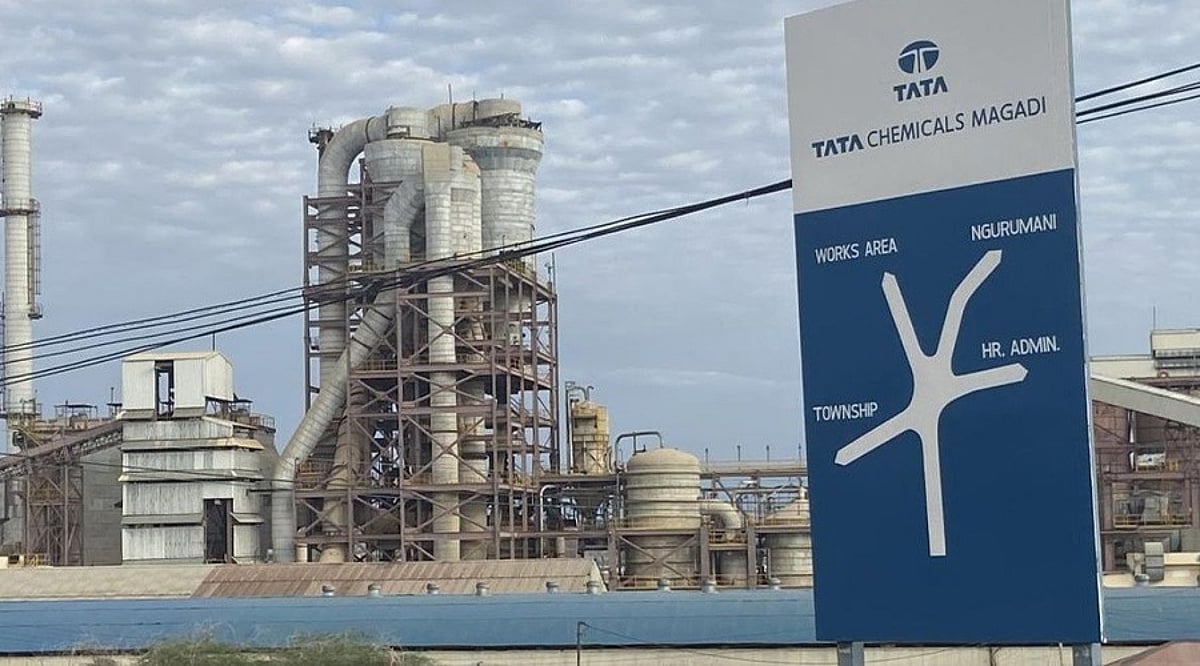
    Shares of Tata Chemicals led a sharp rally among Tata Group stocks this week, surging 13% as renewed speculation about a Tata Sons initial public offering (IPO) ignited buying interest. However, a leadership dispute between Tata Trusts and the board of Tata Sons erased nearly $4 billion in combined market value on Friday, capping a volatile period.

    RBI Decision Ignites IPO Expectations

    The rally began Tuesday after the Reserve Bank of India (RBI) reportedly rejected Tata Sons’ request to surrender its Certificate of Registration. Tata Sons had sought to be classified as an unregistered Core Investment Company, but the RBI’s decision reignited expectations that the holding company would eventually need to list its shares on the stock exchange.

    Board Reappointment Sparks Controversy

    Buying resumed on Thursday after the Tata Sons board approved a second five-year term for Chairman N. Chandrasekaran and initiated steps toward a long-awaited IPO. The optimism was short-lived. Tata Trusts, which holds a 66% stake in Tata Sons, opposed the reappointment, calling it a “legal nullity.” The dissent raised fresh uncertainty about both the listing plan and the group’s leadership succession.

    Tata Chemicals Delivers Best Weekly Performance

    Among the seven listed Tata Group companies with stakes in Tata Sons, Tata Chemicals posted the strongest gains. The stock hit the 20% upper circuit on Tuesday and rose another 6.5% on Thursday. On Friday, it tumbled approximately 11% as investors reacted to the governance dispute. Still, it managed to close the week 13% higher.

    The company owns a 2.5% stake in Tata Sons, valued at roughly Rs 30,052 crore. This holding is substantial compared with Tata Chemicals’ own market capitalization. Gaurav Garg, head of research at Lemonn, noted that “the Tata Sons listing story forms a large part of the valuation case for smaller listed companies. That cuts both ways, and today it cut one way,” he said after Friday’s decline.

    Other Group Stocks Gain, Then Fade

    Tata Investment Corporation added 8% for the week despite losing 2.5% on Friday. It holds a 0.08% stake in Tata Sons valued at about Rs 950 crore. Tata Power finished roughly 3% higher, with shares closing near Rs 375 on Friday. Tata Power owns a 1.65% stake, worth an estimated Rs 19,599 crore. The Indian Hotels Company (IHCL) gained about 2% for the week, holding a 1.11% stake valued at Rs 13,185 crore. Tata Motors Passenger Vehicles rose only 1% after a 4% gain on Thursday and a 3% drop on Friday; its 3.06% stake is worth roughly Rs 36,348 crore. Tata Steel, with a similar 3.06% stake, added about 1.4%. Tata Consumer Products ended nearly flat at a 0.5% gain, with a 0.43% holding valued at Rs 5,107.7 crore.

    Governance Row Wipes Out Billions

    On Friday, listed Tata Group companies collectively lost about Rs 38,361 crore ($4 billion) in market value. Tata Consultancy Services fell 3.88%, while Tata Chemicals dropped 11.04%. Tata Elxsi, Tata Motors, Tata Investment Corporation, and Tata Steel also closed lower.

    Analysts said investors will now monitor whether the two sides reach a compromise or take the matter to a tribunal. Until the governance dispute is resolved, news about the Tata Sons IPO is likely to keep volatility high across Tata Group stocks.

  • Tata Group Stocks Slide as SP Group Moves to Monetize Rs 25,000 Crore Stake

    Tata Group Stocks Slide as SP Group Moves to Monetize Rs 25,000 Crore Stake

    Tata Group stocks witnessed a sharp decline on Friday as the SP Group announced plans to monetize its stake in Tata Sons, targeting at least Rs 25,000 crore through two transactions over an 18-month period. The proposal reignited concerns about ownership structure and governance within the conglomerate, triggering a selloff across key listed entities.

    Market Reaction

    Tata Chemicals led the decline, dropping as much as 7.8% during early trading. Tata Investment Corporation slipped nearly 3.9%, while TCS fell 3%. Tata Motors Passenger Vehicles declined 2.6%, and Tata Power was down 1.4%. Meanwhile, Tata Steel remained almost flat, and Tata Capital gained around 1.1% in early market hours.

    SP Group’s Proposal

    The SP Group, led by Cyrus and Ratan Tata’s estranged factions, seeks liquidity from its Tata Sons holdings without immediately forcing a public listing. The proposed transaction involves shares held through Sterling Investments Corporation and Cyrus Investments. Under the plan, Tata Sons could pursue selective capital reduction through the National Company Law Tribunal (NCLT).

    Governance Disputes Intensify

    The proposal adds to ongoing tensions over Tata Sons’ leadership and future listing ambitions. The board recently approved N Chandrasekaran’s five-year reappointment as executive chairman and moved toward exploring a public listing for the holding company. However, Tata Trusts, the majority shareholder, opposed both developments, stating, “The Trusts’ position remains unchanged, as a considered judgement of a majority shareholder.” The Trusts urged the board to consider alternatives beyond listing.

    Adding to the regulatory pressure, the Reserve Bank of India (RBI) rejected Tata Sons’ request to surrender its Core Investment Company registration, keeping it within the Upper Layer NBFC framework.

    Impact on Listed Entities

    The ownership structure links several listed Tata companies to Tata Sons’ fortunes. Tata Chemicals, Tata Motors, and Tata Investment hold stakes in Tata Sons, making their valuations indirectly sensitive to these developments. According to ICICI Securities, Tata Chemicals holds around 2.5% in Tata Sons.

    Friday’s selloff reflects uncertainty surrounding Tata Sons rather than operational weakness in the individual businesses. The previous day’s rally, driven by the leadership decision and renewed listing expectations, has now reversed as investors reassess the implications of the SP Group’s proposal.

  • Tata Sons Reappoints N Chandrasekaran as Chairman for Five More Years

    Tata Sons Reappoints N Chandrasekaran as Chairman for Five More Years

    The board of Tata Sons has approved a fresh five-year term for N Chandrasekaran as executive chairman, reversing his earlier decision not to seek reappointment. The decision was reportedly made during a board meeting in Mumbai on September 17.

    Chandrasekaran’s Reversal

    Chandrasekaran is currently serving his second five-year term, which was slated to end in February 2027. In August, he announced that he would not seek another term, setting the stage for a leadership transition at the Tata Group. However, the latest board decision overturns that course, keeping him at the helm for another five years, subject to the required shareholder process.

    Background

    Chandrasekaran became Tata Sons chairman in 2017 after serving as CEO of Tata Consultancy Services. His continuation comes at a critical juncture for the group, with Tata Sons facing regulatory and governance challenges.

    Governance Differences

    The leadership decision also comes amid differences among Tata Sons’ key stakeholders. Tata Trusts holds a controlling 66% stake in Tata Sons. Reuters reported that the reasons behind Chandrasekaran’s change of position were not disclosed. Experts suggest that Tata Trusts chairman Noel Tata opposed the resolution on Chandrasekaran’s reappointment, highlighting continuing governance differences within the group.

  • Tata Group Stocks Rally 20% After RBI Denies Tata Sons Deregistration

    Tata Group Stocks Rally 20% After RBI Denies Tata Sons Deregistration

    Tata Group stocks surged across Mumbai markets on September 15 after the Reserve Bank of India rejected Tata Sons’ deregistration request. The RBI decision keeps Tata Sons under upper-layer NBFC rules and revives expectations of a mandatory listing.

    The development lifted companies holding Tata Sons stakes as investors assessed potential value gains. Tata Chemicals led the rally with a 20% jump, while Tata Investment gained sharply during Tuesday’s trading session.

    Tata Sons sought to surrender its registration as a Core Investment Company with the central bank. The RBI rejected that request and retained the regulatory route requiring compliance with stricter NBFC-Upper Layer requirements.

    The listing prospect matters for Tata Group stocks holding direct interests in the unlisted parent. Seven listed Tata companies together hold about 11.94% of Tata Sons, according to market reports.

    Tata Chemicals holds roughly 2.5% of Tata Sons, while Tata Steel and Tata Motors Passenger Vehicles each hold about 3.1%. Their holdings could gain greater market visibility through a potential listing.

    Tata Chemicals closed at Rs. 734.50 after hitting its 20% upper circuit during trading. Its Tata Sons stake could carry substantial value compared with the company’s current market capitalization.

    Tata Investment Corporation also advanced strongly, while Tata Motors Passenger Vehicles gained about 4%. Several other Tata companies moved higher as listing expectations spread across the group.

    The impact also reached Shapoorji Pallonji Group companies, which hold an estimated 18.37% stake in Tata Sons. Afcons Infrastructure and Forbes & Co posted sharp gains during Tuesday’s session.

    A Tata Sons listing could create a market benchmark for its previously unlisted value. Analysts also expect greater financial visibility once Tata Sons faces public-market disclosure requirements.

    However, the rally does not guarantee immediate cash gains for shareholder companies. Manish Bhandari of Vallum Capital said a listing would establish a valuation benchmark rather than automatically unlock cash.

    The next focus remains on Tata Sons’ regulatory response and potential legal proceedings. Reuters also reported that the RBI approached courts regarding possible challenges linked to the listing.

  • Today’s Tech Roundup: Tata’s Semiconductor Strategy, NVIDIA Robotics, Bybit in Indonesia, and Cognizant Hiring

    Today’s Tech Roundup: Tata’s Semiconductor Strategy, NVIDIA Robotics, Bybit in Indonesia, and Cognizant Hiring

    Welcome to today’s tech roundup! From chips and AI to crypto, climate tech, and hiring, here’s a quick look at the stories shaping the technology world today.

    Tata Group Resorts to Older Tech to Launch Its Chip Foray

    Tata Group’s entry into the field of semiconductors takes an efficient course whereby the company begins its venture from older and tested technologies of chips rather than advanced technology. This ensures cost efficiency, quicker production, and helps meet demands in fields such as the automotive industry, power, and industrial electronics.

    Climate Tech Venture Funding Surges Driven by AI Infrastructure Demand

    There has been renewed interest in climate technology, driven by the accelerated development of AI infrastructure. With the increased usage of energy by data centers, venture capital firms are funding startups that specialize in renewable energy, batteries, smart power grids, and energy efficiency.

    Bybit Launches in Indonesia After NOBI Acquisition

    Bybit crypto exchange has now officially made its entry into Indonesia after taking over local exchange platform NOBI. This marks the extension of their operations in Southeast Asia and gives the firm the ability to provide regulated crypto trading services to customers.

    NVIDIA Partners with Japanese Robotics Firms to Accelerate AI Development

    With the collaboration between NVIDIA and Japanese robotics firms, there is an effort to make progress in developing AI automation. By using its computing technology together with Japan’s robotics expertise, it hopes to produce industrial robots that are better than current ones.

    Cognizant to Hire 1,500 US Graduates by End of 2026

    As part of efforts to build its artificial intelligence team, Cognizant is set to recruit 1,500 graduates in the US by 2026. These new employees will be trained in areas such as artificial intelligence, digital engineering, and other new technologies.

  • Indian Brands Making Waves Globally in 2026: Tech, Auto, Fashion & More

    Indian Brands Making Waves Globally in 2026: Tech, Auto, Fashion & More

    Indian brands are expanding rapidly in 2026, building global recognition across technology, automobiles, fashion, food, and consumer industries. Companies like Tata Group continue strengthening their international presence through businesses in automobiles, technology services, steel, and consumer products.

    Reliance Industries is expanding its global footprint through digital services, retail, entertainment, and new energy investments. Indian technology companies are gaining worldwide attention by providing software solutions, cloud services, and artificial intelligence capabilities to global businesses.

    Automobile brands are reaching international customers with electric vehicles, affordable models, and advanced mobility solutions designed for changing markets. Indian fashion and lifestyle brands are entering global markets by combining traditional designs with modern products and international retail strategies.

    Food and beverage companies from India are growing overseas by introducing regional flavors and packaged products to new consumers. Indian startups are attracting global investors and expanding into areas such as fintech, health technology, artificial intelligence, and digital platforms.

    Government initiatives, manufacturing growth, and stronger global demand are helping Indian companies compete in international markets.