Tag: Tata Sons

  • Venu Srinivasan Defies Tata Trusts Directive, Intensifying Boardroom Dispute Over Tata Sons Governance

    Venu Srinivasan Defies Tata Trusts Directive, Intensifying Boardroom Dispute Over Tata Sons Governance

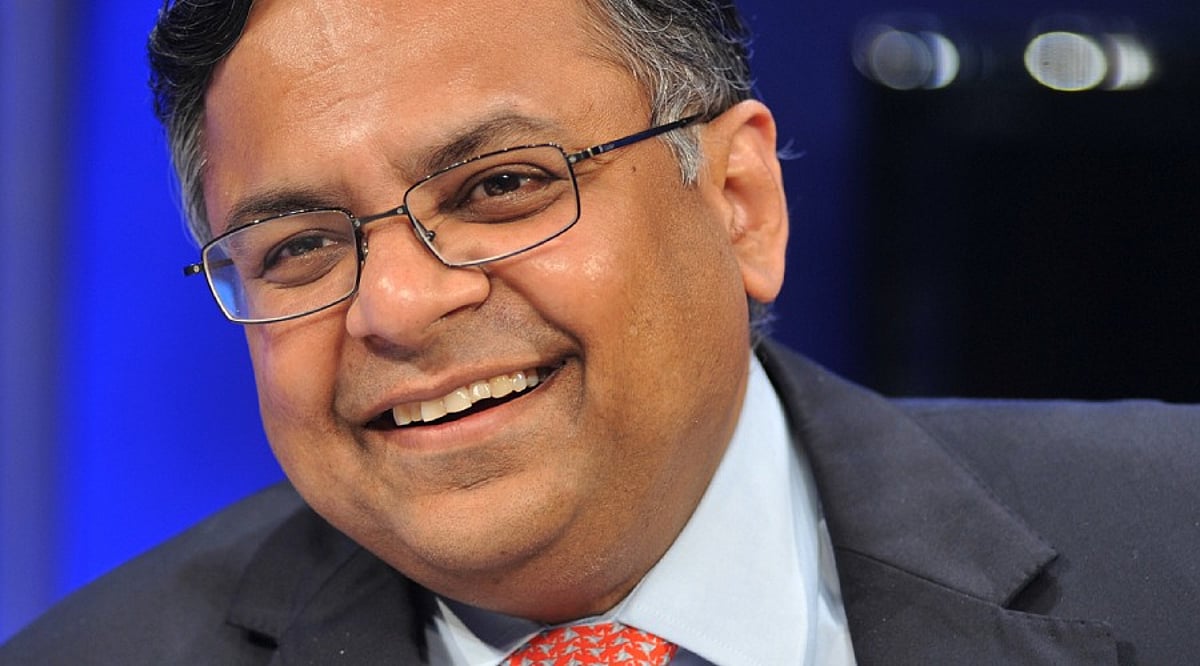
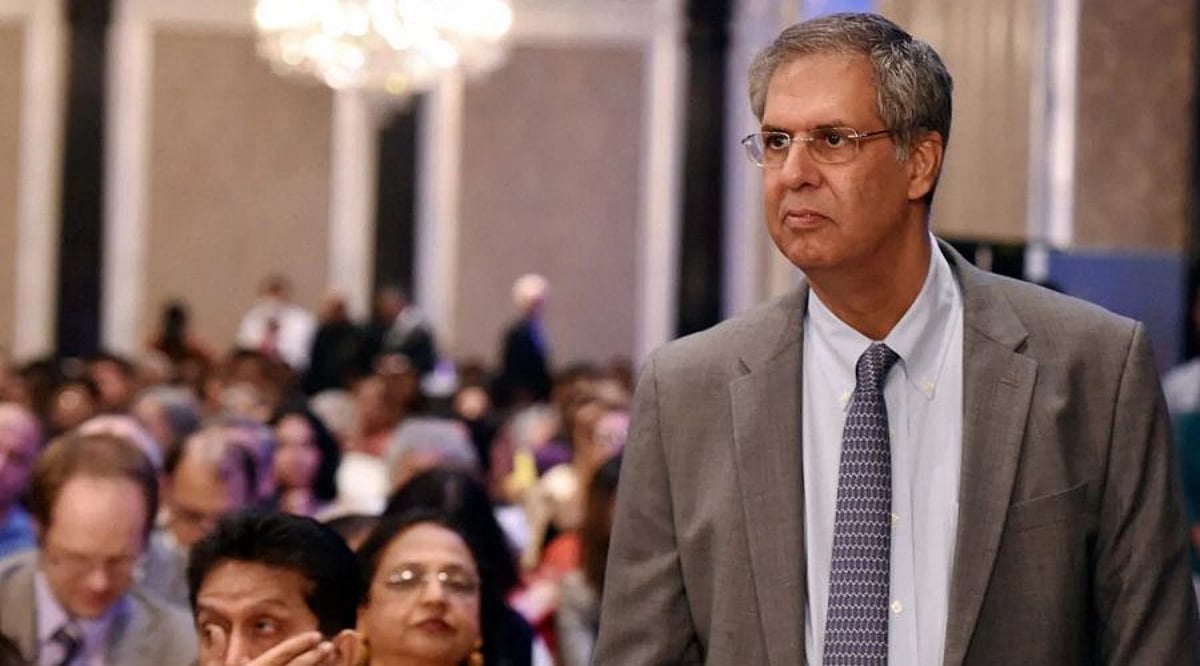
    Venu Srinivasan, the veteran industrialist and chairman emeritus of TVS Motor, has deepened a governance dispute within Tata Trusts by backing N. Chandrasekaran’s reappointment as chairman of Tata Sons on September 17. Despite a directive from Sir Dorabji Tata Trust instructing him to vote against the reappointment, Srinivasan supported Chandrasekaran and also endorsed Tata Sons’ listing plan, intensifying the boardroom row in Mumbai.

    Four directors voted in favor of both decisions, while Noel Tata opposed them, placing Srinivasan at the center of the conflict. Fresh filings have now linked TVS Motor to a warehousing venture involving Chandrasekaran’s family, raising additional scrutiny over governance and disclosure practices.

    Who Is Venu Srinivasan?

    Srinivasan, 73, is a fourth-generation member of the TVS family founded by T. V. Sundaram Iyengar. He studied engineering at the College of Engineering, Guindy, and completed management studies at Purdue University. Under his leadership, TVS Motor grew into a major two-wheeler and three-wheeler manufacturer in India. His emphasis on quality management earned the company’s brakes business the prestigious Deming Prize in 1998.

    In 2020, Srinivasan received the Padma Bhushan for his contributions to industry and public life. He joined the Reserve Bank of India’s Central Board as a non-official director in 2022. In 2025, he stepped away from daily operations at TVS Motor, handing executive leadership to his son Sudarshan Venu. He now serves as chairman emeritus of TVS Motor and non-executive chairman of TVS Holdings.

    Role at Tata Sons and Trusts

    Srinivasan has been a director on the Tata Sons board since 2016, making him one of the longest-serving independent directors. He also holds senior positions within Tata Trusts, including vice-chairman of the Sir Ratan Tata Trust. Before the September 17 meeting, Sir Dorabji Tata Trust sought to restrain him from voting on Tata Sons’ listing. Srinivasan rejected the instruction, arguing that his duties as a director required him to act in the best interests of Tata Sons, not the Trusts.

    Tata Trusts later challenged Chandrasekaran’s reappointment, calling the decision a ‘legal nullity.’ The dispute has escalated, with the Trusts questioning the validity of the board’s actions.

    Scrutiny Over Hanno One Warehousing Deal

    The latest scrutiny involves Hanno One Warehousing, a company where Chandrasekaran’s wife Lalitha and son Pranav serve as directors. In June 2025, TVS Motor leased 17 acres in Tamil Nadu to Hanno One for a warehouse project. HDFC Bank later offered Hanno One a Rs. 60 crore construction loan for the planned facility. Tata Trusts alleged that Srinivasan did not disclose the relationship between TVS Motor and the Chandrasekaran family to its trustees, adding another layer to the governance dispute.

    The boardroom row continues to unfold, with implications for the future governance of both Tata Sons and Tata Trusts.
  • Tata Sons Considers NCLT Intervention to Proceed with AGM Amid Trust Quorum Impasse

    Tata Sons Considers NCLT Intervention to Proceed with AGM Amid Trust Quorum Impasse

    Tata Sons is preparing to hold its annual general meeting (AGM) within the next month, a gathering that is critical for voting on the reappointment of N Chandrasekaran as a director. However, the company may face the same quorum hurdle that forced the adjournment of its August 18 meeting, as restrictions on the Sir Ratan Tata Trust (SRTT) remain in place. If the quorum cannot be met, Tata Sons is likely to seek directions from the National Company Law Tribunal (NCLT) under Section 97 of the Companies Act.

    Background: The Reappointment Vote

    Chandrasekaran’s reappointment as a director requires shareholder approval at a valid AGM. After the August meeting was stalled due to a lack of quorum, the Registrar of Companies granted Tata Sons a three-month extension. The company has yet to announce a new date. According to executives familiar with the company’s rules, Chandrasekaran would remain a director even if the AGM fails again, with his reappointment pending until a valid meeting can be convened.

    The urgency of the meeting also follows a reported disagreement at a recent Tata Sons board meeting. Tata Trusts chairman Noel Tata opposed both Chandrasekaran’s reappointment as chairman and the proposed listing of Tata Sons, while other directors supported both proposals. It is important to note that the chairmanship matter and the shareholder vote on directorship are separate issues.

    The Quorum Problem

    Tata Sons’ articles require at least five members to attend a general meeting in person. Additionally, if the Tata Trusts collectively hold at least 40% of the company’s paid-up ordinary share capital, an authorized representative jointly nominated by SRTT and the Sir Dorabji Tata Trust (SDTT) must be present. SDTT holds 27.98% and SRTT holds 23.56% of Tata Sons, giving them a combined stake of 51.54%—well above the threshold.

    However, the Maharashtra Charity Commissioner has restricted SRTT from holding meetings or making decisions. This restriction prevented the trusts from jointly nominating a representative for the August AGM, leading to its adjournment. The restriction remains in effect, meaning the same quorum issue could derail the upcoming meeting unless SRTT is able to make the nomination. Tata Sons has not commented on its reported plan.

    Seeking NCLT Directions

    If the quorum requirement cannot be satisfied, Tata Sons may approach the NCLT for guidance. Section 97 of the Companies Act empowers the tribunal to direct that an AGM be held and to specify the manner in which it must be conducted. However, legal experts have differing views on the scope of such an order.

    Shafaq Uraizee Sapre, a lawyer quoted by The Economic Times, noted that the NCLT could deem a single member present sufficient for the meeting, but it cannot lift the Charity Commissioner’s restrictions on SRTT. Shreni Shetty considered it “extremely unlikely” that the tribunal would override a shareholder’s quorum rights under Tata Sons’ rules. Vimal Taparia, a partner at Morphis Management Services, added that an affected shareholder could challenge an AGM held under such an order or the resolutions passed there.

    For now, both the date of the AGM and the path to a valid shareholder vote remain uncertain. Tata Sons has not announced any application to the NCLT, but the option remains on the table.

  • N Chandrasekaran Reappointed Tata Sons Chairman for Five Years in Leadership Reversal

    N Chandrasekaran Reappointed Tata Sons Chairman for Five Years in Leadership Reversal

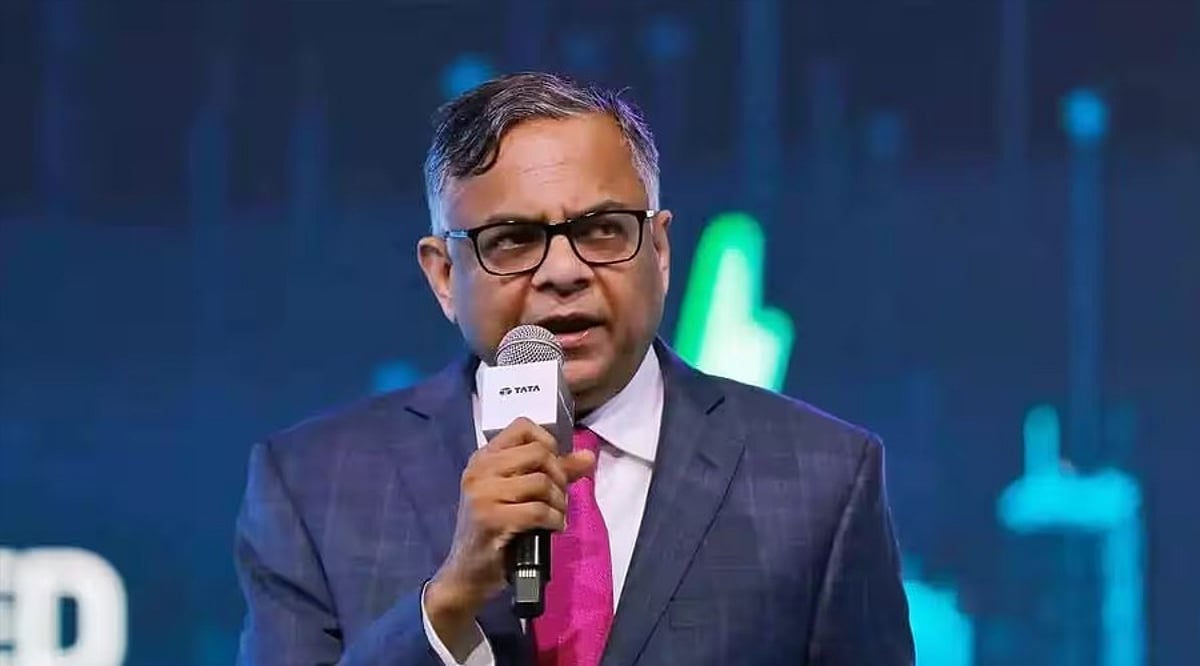
    Tata Sons has reappointed N Chandrasekaran as chairman for a five-year term, overturning his decision to step down in August. The board approved the move on September 17 after asking Chandrasekaran to reconsider, citing the group’s broader interests during a significant corporate transition.

    Chandrasekaran, who first took the helm in 2017 following Ratan Tata, had announced on August 12 that he would not seek another term. The Nomination and Remuneration Committee later urged him to stay, highlighting his contributions and the need for continuity. He accepted, and the board confirmed the reappointment by a majority vote, effective after his current term ends on February 20, 2027.

    The leadership reversal comes as Tata Sons navigates regulatory hurdles with the Reserve Bank of India (RBI). The RBI rejected the company’s request to surrender its registration as an upper-layer nonbanking financial company, imposing enhanced compliance and potential listing obligations. Tata Sons stated it would begin compliance steps and seek guidance from stakeholders.

    The RBI dispute has deepened divisions between Tata Sons and Tata Trusts, which controls 66% of the conglomerate. Tata Trusts opposed Chandrasekaran’s reappointment and a possible public listing. Reports indicate that Noel Tata voted against the reappointment, and Tata Trusts called the decision ‘illegal’ under the company’s articles of association.

    Despite the board’s resolution, unresolved questions around succession planning, governance, and regulatory compliance continue to loom. The reappointment settles the immediate leadership question, but the broader governance challenges remain open.

  • Tata Group Stocks Slide as SP Group Moves to Monetize Rs 25,000 Crore Stake

    Tata Group Stocks Slide as SP Group Moves to Monetize Rs 25,000 Crore Stake

    Tata Group stocks witnessed a sharp decline on Friday as the SP Group announced plans to monetize its stake in Tata Sons, targeting at least Rs 25,000 crore through two transactions over an 18-month period. The proposal reignited concerns about ownership structure and governance within the conglomerate, triggering a selloff across key listed entities.

    Market Reaction

    Tata Chemicals led the decline, dropping as much as 7.8% during early trading. Tata Investment Corporation slipped nearly 3.9%, while TCS fell 3%. Tata Motors Passenger Vehicles declined 2.6%, and Tata Power was down 1.4%. Meanwhile, Tata Steel remained almost flat, and Tata Capital gained around 1.1% in early market hours.

    SP Group’s Proposal

    The SP Group, led by Cyrus and Ratan Tata’s estranged factions, seeks liquidity from its Tata Sons holdings without immediately forcing a public listing. The proposed transaction involves shares held through Sterling Investments Corporation and Cyrus Investments. Under the plan, Tata Sons could pursue selective capital reduction through the National Company Law Tribunal (NCLT).

    Governance Disputes Intensify

    The proposal adds to ongoing tensions over Tata Sons’ leadership and future listing ambitions. The board recently approved N Chandrasekaran’s five-year reappointment as executive chairman and moved toward exploring a public listing for the holding company. However, Tata Trusts, the majority shareholder, opposed both developments, stating, “The Trusts’ position remains unchanged, as a considered judgement of a majority shareholder.” The Trusts urged the board to consider alternatives beyond listing.

    Adding to the regulatory pressure, the Reserve Bank of India (RBI) rejected Tata Sons’ request to surrender its Core Investment Company registration, keeping it within the Upper Layer NBFC framework.

    Impact on Listed Entities

    The ownership structure links several listed Tata companies to Tata Sons’ fortunes. Tata Chemicals, Tata Motors, and Tata Investment hold stakes in Tata Sons, making their valuations indirectly sensitive to these developments. According to ICICI Securities, Tata Chemicals holds around 2.5% in Tata Sons.

    Friday’s selloff reflects uncertainty surrounding Tata Sons rather than operational weakness in the individual businesses. The previous day’s rally, driven by the leadership decision and renewed listing expectations, has now reversed as investors reassess the implications of the SP Group’s proposal.

  • Tata Sons IPO Standoff: SP Group Pushes for Listing While Noel Tata Objects

    Tata Sons IPO Standoff: SP Group Pushes for Listing While Noel Tata Objects

    The debate over a potential Tata Sons initial public offering (IPO) intensified on September 18, 2026, as the Shapoorji Pallonji (SP) Group publicly backed a listing while Noel Tata, chairman of Tata Trusts, firmly opposed it. The dispute centers on regulatory compliance, ownership structure, and the future governance of one of India’s most prominent conglomerates.

    Pressure for a listing mounted after the Reserve Bank of India (RBI) rejected Tata Sons’ deregistration request on September 11. The RBI classifies Tata Sons as an upper-layer non-banking financial company (NBFC), which imposes enhanced regulatory requirements, including mandatory listing obligations.

    Ownership Breakdown and Conflicting Interests

    Tata Trusts holds approximately 66% of Tata Sons, while the SP Group owns around 18.4%. Other Tata Group companies collectively hold nearly 13%. This ownership structure creates divergent priorities: the Trusts emphasize philanthropic continuity, while the SP Group seeks liquidity and transparency.

    SP Group’s Case for Listing

    The SP Group has long advocated for a public listing, citing transparency and shareholder value. Chairman Shapoor Mistry called the IPO a “social and moral imperative,” arguing that it would strengthen public accountability while preserving Tata’s philanthropic mission. For the SP Group, which holds a significant minority stake, a public market offers a route to monetize holdings and provides greater visibility for investors.

    Noel Tata and Tata Trusts’ Opposition

    Noel Tata, speaking for Tata Trusts, has taken a starkly different position. He warned that a listing would “destroy the character” of Tata Sons, which he described as an institution built around philanthropy rather than profit maximization. In a board statement, Noel Tata argued that the company’s privately held structure is central to its identity and purpose.

    Tata Trusts has proposed an alternative: a transaction worth at least ₹25,000 crore to provide liquidity to the SP Group without immediately altering the privately held structure. This proposal, reported by Telangana Today, offers a compromise that could delay or avoid an IPO.

    Governance and Leadership Dispute

    The disagreement extends beyond listing strategy. The Tata Sons board has backed a second five-year term for Chairman N. Chandrasekaran, but Noel Tata and the Trusts have challenged the validity of that decision. This governance clash adds another layer of complexity to the IPO debate.

    Regulatory Pressure and Market Implications

    An IPO would introduce public shareholders, mandatory disclosures, and heightened market scrutiny. Analysts such as Abhishek Bhilwaria of BhilwariaFinserv note that valuation, governance, shareholder rights, and potential dilution will be key factors in the coming months. The immediate hurdle remains compliance with the RBI’s September 11 ruling, which forces Tata Sons to navigate listing requirements while facing internal opposition.

    The board’s next steps will determine whether the IPO moves forward or if an alternative arrangement satisfies all stakeholders. The outcome will have significant implications for Tata Sons’ corporate structure and India’s broader IPO landscape.

  • Tata Sons Reappoints N Chandrasekaran as Chairman for Five More Years

    Tata Sons Reappoints N Chandrasekaran as Chairman for Five More Years

    The board of Tata Sons has approved a fresh five-year term for N Chandrasekaran as executive chairman, reversing his earlier decision not to seek reappointment. The decision was reportedly made during a board meeting in Mumbai on September 17.

    Chandrasekaran’s Reversal

    Chandrasekaran is currently serving his second five-year term, which was slated to end in February 2027. In August, he announced that he would not seek another term, setting the stage for a leadership transition at the Tata Group. However, the latest board decision overturns that course, keeping him at the helm for another five years, subject to the required shareholder process.

    Background

    Chandrasekaran became Tata Sons chairman in 2017 after serving as CEO of Tata Consultancy Services. His continuation comes at a critical juncture for the group, with Tata Sons facing regulatory and governance challenges.

    Governance Differences

    The leadership decision also comes amid differences among Tata Sons’ key stakeholders. Tata Trusts holds a controlling 66% stake in Tata Sons. Reuters reported that the reasons behind Chandrasekaran’s change of position were not disclosed. Experts suggest that Tata Trusts chairman Noel Tata opposed the resolution on Chandrasekaran’s reappointment, highlighting continuing governance differences within the group.

  • Tata Group Stocks Rally 20% After RBI Denies Tata Sons Deregistration

    Tata Group Stocks Rally 20% After RBI Denies Tata Sons Deregistration

    Tata Group stocks surged across Mumbai markets on September 15 after the Reserve Bank of India rejected Tata Sons’ deregistration request. The RBI decision keeps Tata Sons under upper-layer NBFC rules and revives expectations of a mandatory listing.

    The development lifted companies holding Tata Sons stakes as investors assessed potential value gains. Tata Chemicals led the rally with a 20% jump, while Tata Investment gained sharply during Tuesday’s trading session.

    Tata Sons sought to surrender its registration as a Core Investment Company with the central bank. The RBI rejected that request and retained the regulatory route requiring compliance with stricter NBFC-Upper Layer requirements.

    The listing prospect matters for Tata Group stocks holding direct interests in the unlisted parent. Seven listed Tata companies together hold about 11.94% of Tata Sons, according to market reports.

    Tata Chemicals holds roughly 2.5% of Tata Sons, while Tata Steel and Tata Motors Passenger Vehicles each hold about 3.1%. Their holdings could gain greater market visibility through a potential listing.

    Tata Chemicals closed at Rs. 734.50 after hitting its 20% upper circuit during trading. Its Tata Sons stake could carry substantial value compared with the company’s current market capitalization.

    Tata Investment Corporation also advanced strongly, while Tata Motors Passenger Vehicles gained about 4%. Several other Tata companies moved higher as listing expectations spread across the group.

    The impact also reached Shapoorji Pallonji Group companies, which hold an estimated 18.37% stake in Tata Sons. Afcons Infrastructure and Forbes & Co posted sharp gains during Tuesday’s session.

    A Tata Sons listing could create a market benchmark for its previously unlisted value. Analysts also expect greater financial visibility once Tata Sons faces public-market disclosure requirements.

    However, the rally does not guarantee immediate cash gains for shareholder companies. Manish Bhandari of Vallum Capital said a listing would establish a valuation benchmark rather than automatically unlock cash.

    The next focus remains on Tata Sons’ regulatory response and potential legal proceedings. Reuters also reported that the RBI approached courts regarding possible challenges linked to the listing.

  • Tata Sons Faces Growing Pressure for Listing After RBI Rejects Deregistration Bid

    Tata Sons Faces Growing Pressure for Listing After RBI Rejects Deregistration Bid

    Tata Sons may challenge the Reserve Bank of India’s rejection of its application to surrender its core investment company registration. However, any legal challenge would face limits because courts typically grant financial regulators broad discretion when reviewing economic and regulatory decisions.

    The RBI rejected Tata Sons’ deregistration request on September 11, according to reports. The decision keeps the Tata Group holding company under the central bank’s upper-layer non-banking financial company (NBFC) framework and intensifies pressure for a potential stock market listing.

    Tata Sons Has Legal Route to Challenge RBI Decision

    Tata Sons could approach the Bombay High Court under Article 226 of the Constitution and challenge the RBI’s decision through a writ petition. The company could ask the court to examine whether the regulator followed the correct process and properly considered the facts presented in the deregistration application.

    A petition under Article 32 before the Supreme Court would provide another legal route. However, Tata Sons would need to establish a violation of a fundamental right. Therefore, the Bombay High Court could offer the more direct route for questioning the RBI’s regulatory decision.

    Tata Sons may argue that its financial position changed after it repaid its borrowings and became debt-free. It may also ask whether its current activities continue to meet the legal definition of a core investment company or NBFC.

    However, the RBI does not assess such companies only based on outstanding debt. Its framework also considers the company’s size, business activities, and access to public funds, either directly or indirectly.

    Public Funds Rule Could Shape Tata Sons Case

    The RBI clarified in April that money received through associates or group companies that have access to public funds can count as indirect access to public funds. Several Tata Group companies linked to Tata Sons are listed or have access to public debt markets.

    Tata Sons could therefore focus a legal challenge on the process followed by the RBI rather than only on its debt-free status. It could ask whether the regulator gave sufficient reasons, considered all relevant documents, and applied its rules consistently.

    One question may be whether the RBI fully considered Tata Sons’ changed financial structure before rejecting the application. Another could be whether the regulator applied the same deregistration standards used in comparable cases. Shanghvi Finance could form part of that argument. The Sun Pharma promoter group company appeared in the RBI’s first NBFC-Upper Layer list in 2022. After repaying its debt, Shanghvi Finance surrendered its registration in February 2023, and the RBI canceled the registration with effect from May that year.

    RBI Rejection Keeps Tata Sons Listing Issue Open

    Tata Sons remains classified as an upper-layer NBFC. The RBI placed the company in that category in September 2022, with rules requiring such entities to list within three years. Tata Sons did not list by the September 2025 deadline while its deregistration application remained under review.

    The company had applied to exit the CIC category in 2024 after becoming debt-free. However, the RBI again included Tata Sons in its August 2026 list of upper-layer NBFCs and said the deregistration request was still pending.

    A previous dispute involving Kotak Mahindra Bank also shows that regulated companies can challenge RBI decisions. The bank approached the Bombay High Court in 2018 over promoter shareholding rules. The case ended in a settlement with the RBI in January 2020, and the bank withdrew its petition.

    For Tata Sons, the position now depends on whether it seeks judicial review, asks the RBI to reconsider its decision, or proceeds under the existing NBFC-UL requirements. Unless a court or the RBI changes the position, Tata Sons will remain subject to the regulatory framework linked to a stock market listing.

  • Harsh Goenka Proposes Tata Sons Chairman N. Chandrasekaran for Key Role in India’s AI Strategy

    Harsh Goenka Proposes Tata Sons Chairman N. Chandrasekaran for Key Role in India’s AI Strategy

    RPG Enterprises Chairman Harsh Goenka has publicly suggested that Tata Sons Chairman N. Chandrasekaran could play a pivotal role in shaping India’s artificial intelligence (AI) strategy and its implementation. The proposal, shared on social media, has sparked a lively debate about the involvement of corporate leaders in national technology initiatives.

    In a post on X (formerly Twitter) on September 7, Goenka drew parallels with previous instances where private-sector executives were brought into public roles. He cited Nandan Nilekani, who led the Aadhaar/UIDAI project, and Pawan Goenka, who chairs IN-SPACe (India’s space regulator), as examples of successful private-to-public transitions.

    “India brought Nandan Nilekani from private sector to lead Aadhaar/UIDAI and now educational reforms and Pawan Goenka to help drive our space ambitions through IN-SPACe,” Goenka wrote. “Why not tap N. Chandrasekaran’s (Tatas) experience to help shape India’s AI strategy and implementation?”

    Chandrasekaran brings decades of experience in technology and corporate leadership. He joined Tata Consultancy Services (TCS) in the 1980s, rose to become its CEO, and later took over as chairman of Tata Sons. Under his leadership, the Tata Group has expanded into semiconductor manufacturing, electronics, data centers, and digital infrastructure—areas that are central to AI development.

    The suggestion has drawn mixed reactions online. Some users echoed Goenka’s sentiment, noting that Chandrasekaran’s expertise could also benefit India’s broader economic growth. One user commented, “Sounds good, not only just about AI strategy and implementation, but also for utilising his expertise for growing Bharat’s economy, GDP and per capita income for everyone.”

    Others proposed alternative candidates. Some argued that Nandan Nilekani’s experience with large-scale public technology projects made him a better fit for leading AI transformation. Another suggested Anand Mahindra could help strengthen Brand India, while a few questioned whether sector-specific specialists should have a larger say in technology policy.

    Chandrasekaran himself has been vocal about AI’s potential. At the India AI Impact Summit in February, he described AI as “the next big infrastructure”—comparable to electricity, steam engines, and the internet. He emphasized the need for widespread access, stating, “Our mission should be to make AI work for every individual and every citizen in this country.”

    For now, Goenka’s proposal remains a public suggestion. There has been no official announcement from the government regarding any formal role for Chandrasekaran in India’s AI strategy.

  • Tata Sons IPO Hinges on RBI Decision on NBFC Licence Surrender

    Tata Sons IPO Hinges on RBI Decision on NBFC Licence Surrender

    The Reserve Bank of India (RBI) has retained Tata Sons on its Upper Layer non-banking financial company (NBFC) list for 2026–27, intensifying regulatory scrutiny and keeping the prospect of a mandatory public listing alive. However, the central bank is still reviewing the company’s application to surrender its NBFC registration, a decision that will determine whether the Tata Group holding company must proceed with an initial public offering (IPO).

    Under the RBI’s Scale Based Regulation framework, Tata Sons has been classified as an Upper Layer NBFC since 2022. This categorization subjects large NBFCs to enhanced governance, capital planning, disclosure, and risk management rules similar to those imposed on commercial banks. Upper Layer entities are also required to list their shares on stock exchanges within three years of classification, a deadline that Tata Sons has already passed.

    The RBI has clarified that its retention of Tata Sons on the list does not prejudge the outcome of the deregistration application, which remains under examination. Governor Sanjay Malhotra described the framework as “principle-based,” while the company, a core investment firm controlling businesses in technology, aviation, steel, electronics, and financial services, continues to operate under stricter oversight.

    Tata Sons repaid its debt before applying to surrender its NBFC licence roughly two years ago. The RBI has not provided a timeline for its decision. A source familiar with the regulator’s stance indicated that the central bank is unlikely to enforce the listing rule while the application is pending. Nonetheless, until approval is granted, Tata Sons must comply with all Upper Layer requirements, which apply for at least five years after classification.

    The outcome holds significant implications for shareholders. Tata Trusts, which owns about 66% of Tata Sons, could face changes in ownership structure that affect charitable funding and private investments. The Shapoorji Pallonji Group, holding roughly 18%, is seeking ways to monetize its stake to reduce debt, and a Tata Sons IPO could provide a market route for that exit.

    Tata Sons holds stakes in major listed firms such as Tata Consultancy Services, Tata Steel, and Tata Motors, and wholly owns private entities including Air India, Tata Digital, and Tata Electronics. Of the 17 companies on the RBI’s Upper Layer list for 2026–27, Tata Sons is the only unlisted one, underscoring the high stakes of the regulator’s decision.