Tag: Telecom

  • Jio and T-Mobile Achieve First 5G SA Roaming Connection Between India and US

    Jio and T-Mobile Achieve First 5G SA Roaming Connection Between India and US

    Reliance Jio and T-Mobile have successfully tested a 5G Standalone (SA) roaming connection between India and the United States. The milestone, facilitated by Syniverse, marks the first time a 5G SA roaming link has been established between the two countries, opening a new path for international 5G roaming.

    This partnership allows T-Mobile customers visiting India to stay connected through Jio’s extensive 5G SA network. Similarly, Jio users traveling to the US could benefit from T-Mobile’s network in the future. The collaboration is a significant step toward making 5G networks interoperable across borders.

    Key Benefits and Future Potential

    The 5G SA roaming connection promises faster speeds, lower latency, and more reliable connectivity than previous network generations. It also lays the groundwork for advanced services that require direct 5G connections, such as AI-based applications and real-time data processing.

    Mark Yarkosky, Head of International Network, Partnership and Services at Jio, stated that this partnership is a step towards interoperability between 5G SA networks and is expected to support new consumer and enterprise services. T-Mobile authorities echoed this sentiment, highlighting that the collaboration will help travelers move between countries without losing connectivity.

    Significance for India’s Telecom Market

    Jio has built one of the largest 5G SA networks in India, and this test demonstrates how that infrastructure can connect with a major US operator. The development underscores the growing importance of international partnerships as telecom operators worldwide transition to 5G SA.

    T-Mobile has been working on its 5G SA network since 2020, and this test brings together the efforts of both companies. The successful trial indicates where international telecom is heading—towards seamlessly connected 5G networks that serve global customers.

  • Reliance Jio September 2026 Prepaid Plans: Full Breakdown of Pricing, Data, and 5G Benefits

    Reliance Jio September 2026 Prepaid Plans: Full Breakdown of Pricing, Data, and 5G Benefits

    Reliance Jio continues to offer a diverse range of prepaid recharge plans in September 2026, catering to everyone from light users to heavy data consumers. The lineup spans short-validity data top-ups starting at ₹11 to a long-term annual plan priced at ₹3,599. Users can recharge through the MyJio app, the Jio.com website, or third-party platforms like Paytm, PhonePe, and Google Pay.

    Since Jio splits its plans into base recharges and data-only add-ons, it’s important to check whether an existing base plan is active before purchasing to avoid overlapping benefits.

    Jio Plans by Price and Data Needs

    At the entry level, the ₹199 plan offers a mid-range option with daily data and unlimited calling, making it a popular choice for regular users. For those needing higher data limits, plans in the ₹299 to ₹349 range typically provide 2GB to 2.5GB of high-speed data per day, along with unlimited voice calls and 100 SMS daily.

    Jio’s flagship annual plan at ₹3,599 covers a full 365 days of validity, offering 2.5GB of daily high-speed data, unlimited 5G access for eligible users, unlimited calls, and SMS. This plan is the most economical for anyone looking to avoid monthly recharges.

    Jio also sells a ₹601 unlimited 5G voucher for users already on an eligible base plan with at least 1.5GB of daily 4G data. Activating it increases the daily data quota to 3GB and unlocks unlimited 5G speeds for the voucher’s validity period. The voucher comes bundled with 12 upgrade vouchers, each valid for up to 30 days, giving users flexibility to activate them anytime across a 12-month window.

    Jio Data Add-Ons and 5G Vouchers

    For users who only need extra data without additional calling minutes, Jio’s data-only add-ons start at ₹11 for a small one-hour boost of 10GB, ideal for quick downloads. The ₹51 pack adds unlimited 5G along with 3GB of 4G data for plans valid up to a month, while the ₹101 and ₹151 packs scale up the 4G allowance to 6GB and 9GB respectively for longer base plan validities.

    These add-ons require a compatible 5G device and network coverage to actually use the unlimited 5G benefit. Select long-validity plans also bundle OTT platform access, such as JioHotstar, giving users added entertainment value on top of their core data and calling benefits.

  • Amazon Aims to Launch Satellite-to-Smartphone Service by 2028

    Amazon Aims to Launch Satellite-to-Smartphone Service by 2028

    Amazon is preparing to take smartphone connectivity beyond traditional mobile networks. The tech giant has proposed a satellite-based direct-to-device (D2D) service that could allow compatible smartphones to make calls, send messages, and access mobile data even in areas without cellular coverage.

    According to filings submitted to the US Federal Communications Commission (FCC), Amazon plans to deploy a constellation of up to 5,105 low Earth orbit (LEO) satellites under its Amazon Leo initiative. If approved, the rollout is expected to begin in 2028.

    Unlike Amazon’s existing satellite broadband service, which requires dedicated ground equipment, the new system is designed to connect directly with compatible smartphones. The company says the network will complement, rather than replace, existing mobile infrastructure.

    Voice Calls, Messaging and Emergency Services

    The following services would include calling, messaging, mobile internet, and emergency services. Amazon plans to partner with telecom providers globally to enable connectivity in areas where it is not easy to build mobile network infrastructure. According to the company, this technology may prove useful for industries like logistics and IoT applications.

    How the Satellite Network Will Work

    Amazon’s system of satellites will be operating in five different orbital planes to offer coverage not only to inhabited zones but also to high and near-polar latitudes. L-band and S-band frequencies will enable communication between the smartphones and the satellites. Ka-band and V-band frequencies will connect the satellites to the internet via ground infrastructure. Additionally, Amazon intends to process the network traffic in space, thus decreasing potential signal interference.

    India Among Key Focus Markets

    Amazon has identified India as one of its priority markets as it expands its satellite ambitions. The company has cited India’s rapidly growing digital economy and the need to improve connectivity in underserved regions as key reasons for its interest. The proposal also intensifies competition in the fast-growing satellite connectivity market, where companies including SpaceX, AST SpaceMobile and Lynk Global are developing direct-to-smartphone services. If approved, Amazon’s network would mark another step towards making satellite communication a mainstream feature for future smartphones.

  • Vi InstaData: Your Guide to Instant Mobile Data Top-Ups

    Vi InstaData: Your Guide to Instant Mobile Data Top-Ups

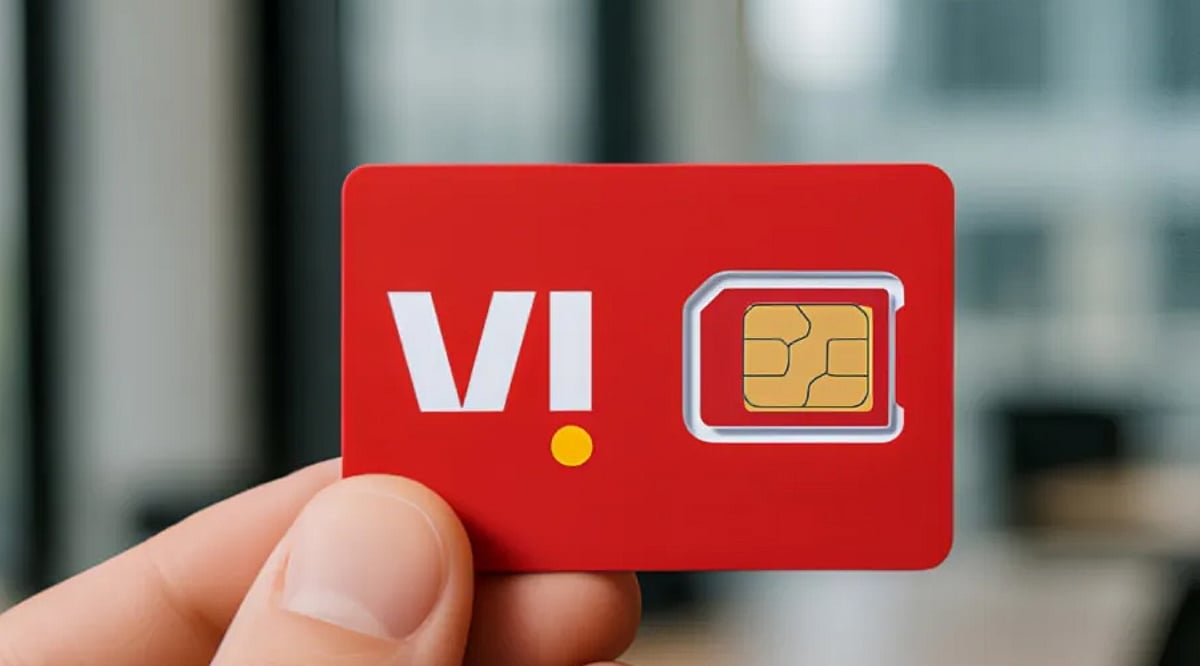
    Vi InstaData is a convenient feature that allows eligible Vi users to purchase additional mobile data instantly when their existing balance runs out. Instead of waiting for the next billing cycle or buying a full recharge plan, you can activate extra data quickly and continue using the internet without interruption.

    How Vi InstaData Works

    The feature is designed for simplicity. Through the Vi app or other supported channels, eligible users can request additional data. Once activated, the extra data becomes available almost immediately, enabling seamless browsing, streaming, online meetings, and social media usage.

    Who Can Use Vi InstaData?

    Vi InstaData is available for both prepaid and postpaid customers, depending on their plan and service availability. Access may vary by region and plan type. Users can check their eligibility in the account section of the Vi app before requesting data.

    Why Use Vi InstaData?

    Running out of data unexpectedly can disrupt work, online classes, video calls, or entertainment. Vi InstaData provides a quick solution by offering immediate access to extra internet data without requiring a full recharge plan. It helps you stay connected whenever you need it.

    How to Activate Vi InstaData

    Eligible users can activate Vi InstaData through the Vi mobile app. Navigate to the available data services section, confirm your request, and the additional data will be credited to your account within a short time. The process is quick and user-friendly.

    Things to Check Before Using InstaData

    Before activating, review the available data amount, validity period, charges, and eligibility conditions. Understanding these details helps you choose the right option based on your usage and prevents unexpected billing or service limitations.

    Should You Use Vi InstaData?

    Vi InstaData is a practical choice for users who occasionally run out of mobile data before their plan renews. It provides instant internet access without changing your existing plan, making it useful for emergencies, travel, work requirements, or temporary increases in daily data usage.

  • Airtel Perplexity Pro Subscription Shows ‘Paused’ Status: What It Means and How to Respond

    Airtel Perplexity Pro Subscription Shows ‘Paused’ Status: What It Means and How to Respond

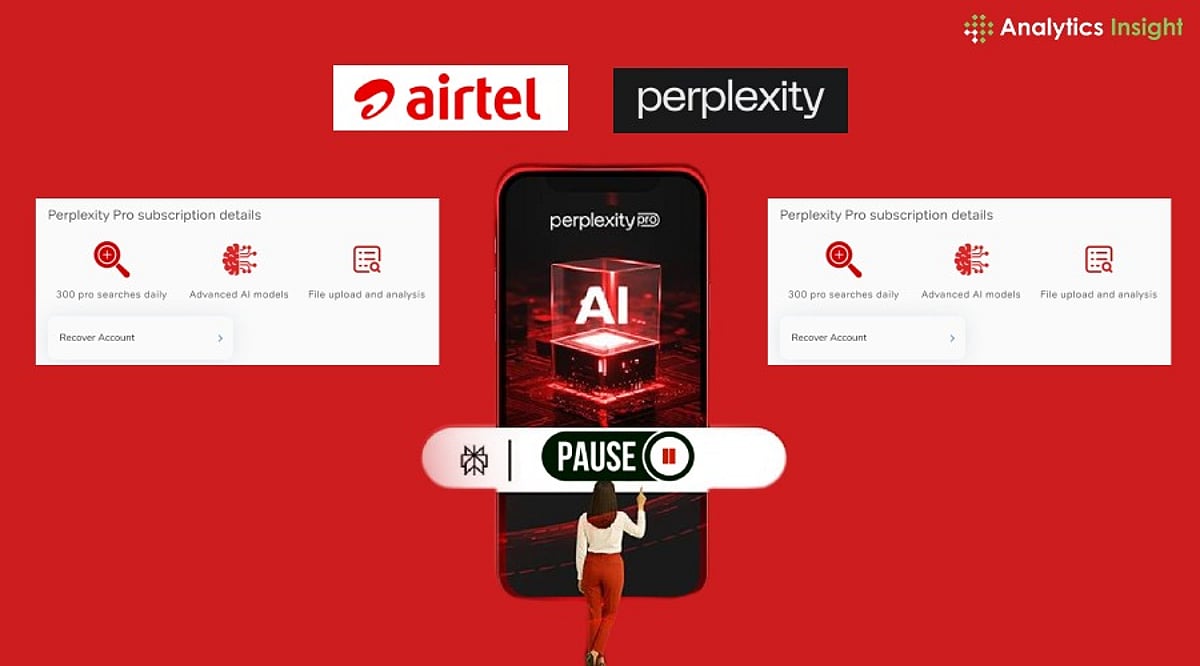
    Thousands of Airtel customers who took advantage of the operator’s complimentary one-year Perplexity Pro subscription are now seeing a ‘paused’ status on their accounts. While this may cause concern, it does not mean the subscription has been canceled. Instead, it indicates that the promotional period has ended, and users need to decide whether to upgrade to a paid plan.

    Why the Subscription Appears Paused

    Airtel’s limited-time offer, launched in partnership with Perplexity in July 2025, provided eligible prepaid, postpaid, broadband, and DTH customers with a free one-year Perplexity Pro subscription valued at approximately Rs. 17,000. The offer is now closed to new users. Those who activated it before the deadline retain access until their 12-month subscription expires.

    A paused subscription signals that the promotional period has ended. To continue using premium AI services, users must provide a valid payment method and pay for a monthly or yearly plan. The account remains intact; subscribing again will restore access to the Pro version.

    How to Avoid Unwanted Renewal Charges

    Users who do not intend to upgrade should check their account settings before the trial ends. If a payment method was added, they must cancel automatic renewal via the Billing or Subscriptions section. This prevents any charges after the trial period concludes.

    According to Airtel’s FAQs, subscriptions may automatically renew depending on the billing cycle selected after the trial period, unless the user cancels automatic renewal beforehand. The promotion for new activations has stopped, but existing users retain access until their 12-month validity expires.

    What to Do Next

    • If you want to continue using Perplexity Pro, choose a paid subscription plan and add a payment method.
    • If you do not wish to continue, cancel automatic renewal immediately to avoid charges.
    • Be aware that your account and data are not deleted; you can resubscribe later if needed.

    Stay informed about your subscription status to make the best decision for your needs.

  • Why Acquiring Existing Capability Is Fueling the Biggest Telecom Deals of 2026

    Why Acquiring Existing Capability Is Fueling the Biggest Telecom Deals of 2026

    Telecom operators spent 2026 chasing growth without the capital drag of building everything themselves. From Stockholm to Sydney, many of the year’s most visible deals share the same quiet logic. Across each one, operators acquired or leased networks, spectrum and platforms that already existed, sidestepping much of the expense and time involved in building from scratch.

    The reward is faster access to capability without the expense of developing it internally.

    Why buying capability became the growth story of 2026

    Acquiring or leasing existing capability, rather than developing it internally, is increasingly a core growth strategy. The wholesale model alone is expanding fast. According to Future Market Insights, the global market for mobile virtual network operators is expected to grow from around USD 94 billion in 2026 to USD 195.6 billion by 2036, a compound annual rate of 7.6%.

    Two forces are driving the shift:

    • Subscriber growth has slowed in mature markets, so network owners lease spare capacity to lift utilization and add revenue without new customer-acquisition costs.
    • Challenger brands lease tier-1 access to compete on price and experience, sidestepping the billions a national build would demand.

    Dealmaking has followed. PwC’s US telecom deals outlook recorded 37 transactions in the first quarter of 2026, the second-highest quarterly volume in two years.

    Four moves worth watching

    Four deals from the past few months show how differently operators are putting this into practice.

    Telia doubles down on MVNOs in the Nordics

    Telia agreed on 8 April 2026 to acquire Telness, a Swedish mobile virtual network operator, from Nordic Communications Group. At closing, Telia will become the first mobile network operator to run Telness Tech’s Seamless OS platform, a cloud-native system that Telness Tech says already powers more than 24 operators across the US and Europe. Telia, which has around four million mobile subscribers in Sweden, will keep Telness under its own brand inside its business-to-business arm. For Telia, the acquisition adds an established MVNO brand and technology platform without having to develop either in-house.

    Nexfibre pushes for a wholesale challenger to BT Openreach

    In the United Kingdom, the owners of the nexfibre joint venture (InfraVia, Liberty Global and Telefonica) agreed in February 2026 to acquire Substantial Group, the parent of alternative fibre operator Netomnia and the retail brands YouFibre and brsk. The £2 billion deal is expected to unlock £3.5 billion of investment and create a scaled wholesale fibre challenger to BT Openreach. It has not been waved through. The UK Competition and Markets Authority has referred the transaction to an in-depth Phase 2 investigation, with a decision due by mid-December 2026, so the targeted third-quarter completion depends on that clearance.

    Amazon buys its way into satellite connectivity

    Amazon announced on 14 April 2026 a roughly USD 11.6 billion agreement to acquire Globalstar, handing it Globalstar’s low-Earth-orbit satellite network, global spectrum licenses and ground infrastructure. Those assets will feed direct-to-device services on Amazon Leo, extending cellular coverage beyond the reach of terrestrial networks. Expected to close in 2027 subject to regulatory approval, the deal is a reminder that the next wave of competition may arrive from well outside traditional telecom.

    Swoop turns wholesale access into margin

    In Australia, ASX-listed challenger Swoop Holdings signed a mobile wholesale agreement with TPG Telecom on 16 June 2026, giving its Moose Mobile brand access to TPG’s national network. Swoop expects the new terms to improve its gross margin percentage by 50% across FY27 to FY29, while growing its mobile base from about 135,000 to more than 180,000 subscribers over three years. The company is pairing the deal with a new billing platform and an eSIM launch to deepen its relationships with households, complementing its residential nbn plans. Chief revenue officer David Michaels said securing tier-1 terms gives the business ‘the commercial discipline and the network capability to grow mobile profitably’. For Swoop, leasing network capability offers a path to subscriber growth while improving the economics of each customer.

    What these moves share, and where they head next

    So what links a Swedish MVNO buyout, a British fibre deal, an American satellite acquisition and an Australian wholesale agreement? Each one reaches for capability that already exists. Three threads run through them:

    • Capital efficiency, with operators acquiring or leasing capability instead of funding years of construction.
    • A focus on margins and cost per user, so deals are judged on economics as much as coverage.
    • Speed to market, where a ready platform, network or spectrum holding can shortcut years of build and regulatory groundwork.

    For challengers, that shift is encouraging. Access to tier-1 networks, spectrum and turnkey platforms means a well-run brand can compete on value and customer experience without the cost of a national build. The names worth following through the rest of 2026 are the ones turning acquired or leased capability into loyal subscribers and durable margins.

    Marshall Thurlow is Director and Founder of Orion Marketing Pty Ltd. He is a digital marketer with expertise in SEO, website design, content marketing and project management.

  • Top Telecom Expense Management Solutions for Enterprises in 2026

    Top Telecom Expense Management Solutions for Enterprises in 2026

    Telecom expense management (TEM) is critical for businesses to control communication costs, automate billing, and gain full visibility into their telecom inventory. As we look ahead to 2026, several companies stand out for their comprehensive solutions. Below are the leading TEM providers that help enterprises optimize expenses and streamline operations.

    Tangoe

    Tangoe automates telecom inventory management, invoice processing, and expense optimization. It helps enterprises reduce unnecessary communication costs and improve visibility across their telecom assets.

    Calero

    Calero offers end-to-end telecom lifecycle management with expense tracking, contract optimization, and analytics tailored for global enterprise communication infrastructure.

    Sakon

    Sakon simplifies telecom expense management through automated billing validation, procurement, inventory management, and mobile device lifecycle administration.

    Cass Information Systems

    Cass Information Systems provides telecom invoice auditing, payment processing, reporting, and expense control for organizations managing complex communication networks.

    Brightfin

    Brightfin integrates telecom expense management with IT asset management, delivering centralized visibility across devices, carriers, and software subscriptions.

    MDSL

    MDSL helps multinational enterprises optimize telecom spending using advanced analytics, inventory tracking, contract management, and automated invoice validation.

    Valicom Clearview

    Valicom Clearview delivers telecom auditing, wireless management, expense optimization, and procurement services that improve financial accountability across organizations.

    Avotus

    Avotus supports telecom expense management through inventory control, contract tracking, billing automation, and customizable enterprise reporting dashboards.

    WidePoint

    WidePoint combines mobility management, telecom expense optimization, and cybersecurity solutions to help businesses securely control communication expenses.