
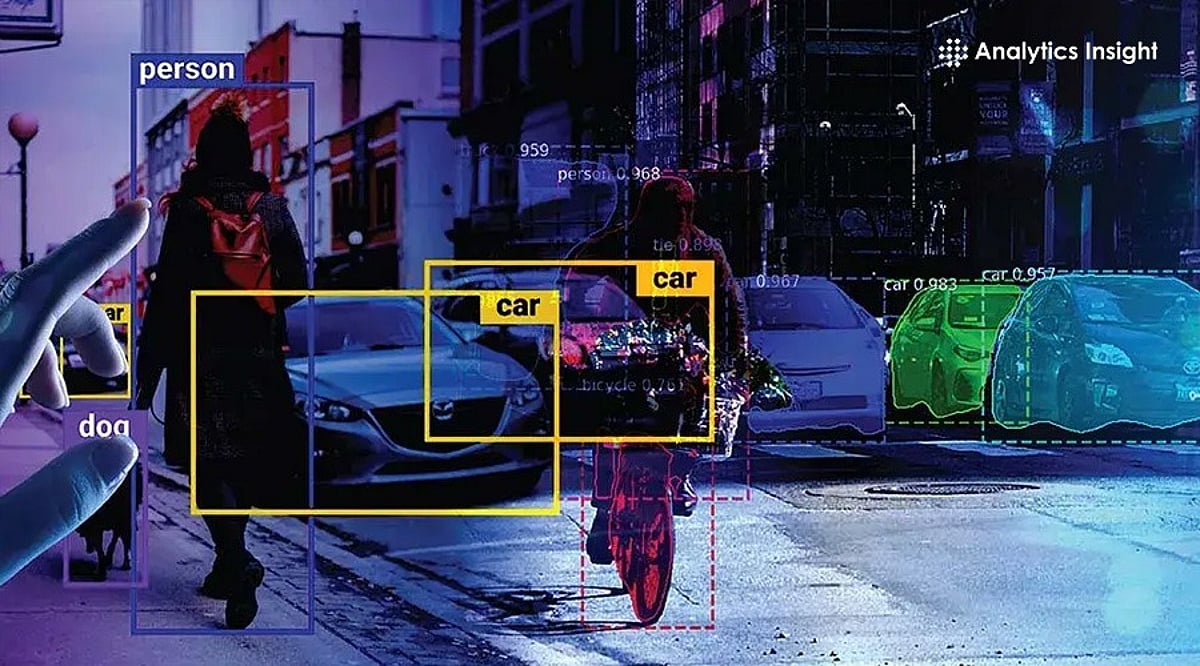
Even though artificial intelligence may appear completely automated, human data labelers work behind the scenes to make computers smarter. These professionals train AI through data classification, annotation, and evaluation, teaching algorithms to recognize patterns, languages, images, and responses that drive future system performance.
10 Data Labeling Jobs Driving the AI Revolution
The rise of AI has diversified data labeling into specialized careers. Below are the ten most prominent data labeling roles supporting modern AI systems.
1. Image Annotation Specialist
Image annotators label objects within images using bounding boxes for cars, people, animals, and road signs. This work enables computers to identify visual elements and is critical for facial recognition, medical imaging, and autonomous driving.
2. Video Annotation Professional
While image annotation handles static images, video annotation tracks dynamic objects. Video annotators help computers understand motion, making them essential for autonomous driving, surveillance, and sports analytics.
3. Text Classification Analyst
These analysts categorize text into predefined classes—for example, distinguishing spam from legitimate emails, sorting customer reviews by topic, or grouping news articles by subject matter.
4. Sentiment Analysis Annotator
Businesses rely on sentiment analysis to gauge customer feelings. Annotators review text and label it as positive, negative, or neutral, enabling companies to understand public opinion at scale.
5. Audio Transcription Specialist
Voice‑powered AI requires vast amounts of annotated audio data. Audio transcription specialists convert spoken language into written text, capturing not only words but also speaker identity, accent, emotional tone, pauses, and background noise.
6. AI Response Evaluator
With generative AI on the rise, AI response evaluators assess chatbot outputs for quality, detect errors, and select the best responses to improve model performance.
7. Content Moderation Reviewer
These reviewers examine text, images, videos, and comments to identify harmful or rule‑breaking content. They apply labels according to platform guidelines so that automated systems can later detect unacceptable material.
8. Data Quality Reviewer
Annotation projects depend on quality control. Data quality reviewers verify completed annotations for accuracy and consistency, ensuring reliable training data.
9. Domain Expert Annotator
As AI expands into specialized fields, companies hire doctors, lawyers, engineers, financial analysts, and scientists to annotate data requiring deep subject‑matter expertise.
10. Reinforcement Learning Trainer
This emerging role involves crafting prompts, testing model responses, analyzing logic, and providing feedback. Such iterative human input significantly improves AI model accuracy over time.
Required Skills for Data Labeling Jobs
Entry‑level labeling roles may require minimal experience, but most positions demand attention to detail, consistency, and strong analytical abilities. Advanced roles often call for industry‑specific expertise or familiarity with AI workflows. Communication, critical thinking, and the ability to follow detailed guidelines are increasingly valuable as projects grow more complex.
Why Data Labelers Are Essential to AI
AI models require high‑quality training data to perform effectively. Human judgment provides algorithms with knowledge about objects, language structures, and correct responses. Every recommendation engine, virtual assistant, chatbot, and computer vision system rests on this human foundation. As AI evolves, data labelers move beyond simple tagging to analyze reasoning, evaluate model outputs, and apply their own expertise. Whenever a virtual assistant answers accurately or a self‑driving car identifies a pedestrian, a team of data labelers likely made it possible.