
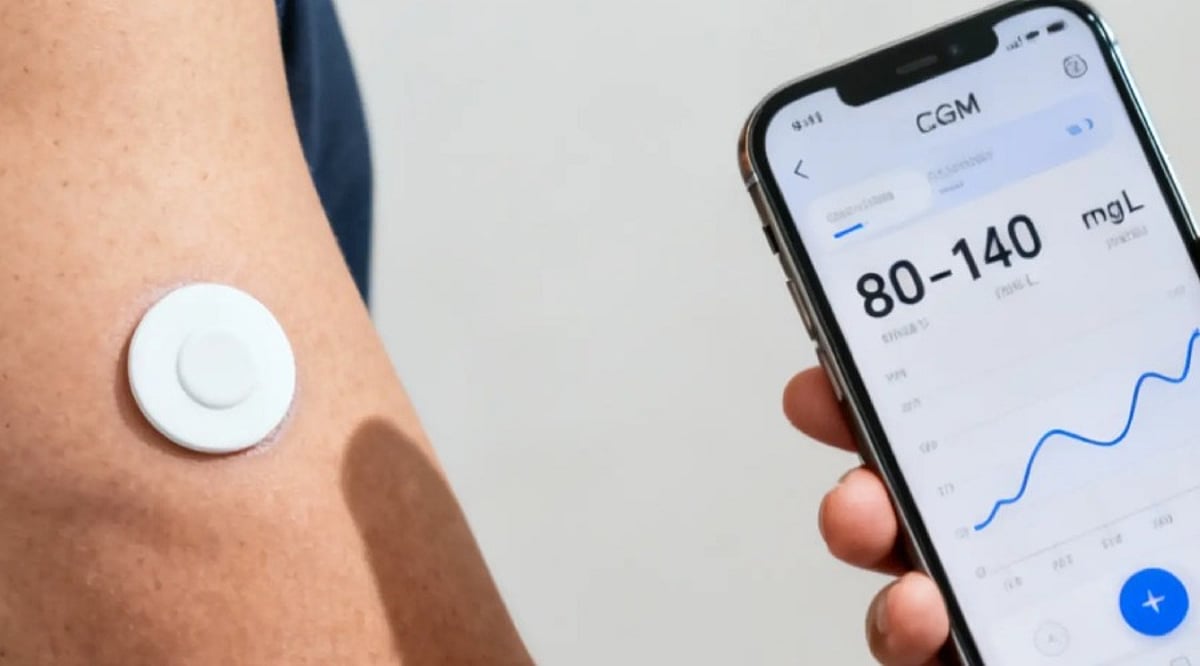
Continuous glucose monitoring (CGM) is revolutionizing diabetes management by providing real-time glucose data that goes beyond traditional A1C measurements. Clinicians now use metrics such as Time in Range (TIR), Time Below Range (TBR), Time Above Range (TAR), and the Ambulatory Glucose Profile (AGP) to tailor treatments to individual patient needs. AI-powered analytics, electronic health record (EHR) integration, and remote patient monitoring further enhance clinical decision-making and improve patient outcomes.
Understanding CGM Data Through the Ambulatory Glucose Profile (AGP)
Rather than sifting through thousands of raw readings, healthcare providers rely on the AGP—a standardized report that condenses two to four weeks of CGM data into a single visual snapshot. The AGP overlays daily glucose curves into percentile bands, making patterns such as overnight dips or afternoon spikes immediately apparent. This format, supported by the ATTD consensus and incorporated into the American Diabetes Association Standards of Care, streamlines interpretation. However, providers first verify sensor wear time and data completeness to ensure the report accurately reflects the patient’s glucose behavior.
Key CGM Metrics: Time in Range, GMI, and Glucose Trends
Time in Range—the percentage of time glucose stays between 70 and 180 mg/dL—has become a cornerstone metric alongside A1C. Most adults with diabetes aim for at least 70% of the day within this window, though targets vary based on age, pregnancy, comorbidities, and hypoglycemia risk. Clinicians also examine Time Below Range to catch hypoglycemic episodes that A1C can miss, especially in insulin users, and Time Above Range to identify sustained hyperglycemia that increases long-term complication risk. The Glucose Management Indicator (GMI), a CGM-derived estimate of A1C, provides additional context when it diverges from lab results, prompting further investigation into factors like altered red blood cell turnover or glucose variability.
Personalizing Treatment Plans with CGM Data
Once patterns are identified, treatment becomes highly individualized. For example, repeated overnight lows may lead to adjustments in basal insulin dosing rather than a blanket increase. High fasting glucose with stable overnight levels often signals the dawn phenomenon, managed by altering medication timing rather than dosage. Post-meal spikes can be addressed through meal timing, dietary changes, or faster-acting insulin. CGM data also guides medication selection by matching glucose patterns to drug mechanisms. Multidisciplinary teams—including endocrinologists, diabetes educators, pharmacists, and dietitians—collaborate using the same data to craft a cohesive plan around the patient’s unique trends.
AI, EHR Integration, and Remote Monitoring Enhance CGM Data Management
The sheer volume of CGM data presents a challenge, but technology offers solutions. EHR integration via FHIR-based device connections pulls CGM data directly into patient charts, allowing providers to view trends without switching platforms. Decision-support software uses pattern recognition to flag issues like nocturnal hypoglycemia before they escalate, and some platforms now send predictive alerts ahead of low events. Population dashboards enable providers to scan entire patient panels and prioritize those needing immediate attention. Remote monitoring shifts care from reactive quarterly visits to proactive outreach—clinicians can review data between appointments and intervene early via phone calls or portal messages when concerning trends emerge.
Strengthening Patient Engagement and Shared Decision-Making
CGM data also transforms the patient-provider dialogue. Both parties can view the same AGP and discuss specific events—a glucose spike after lunch or a dip during exercise—making treatment decisions more transparent and collaborative. When patients understand the rationale behind adjustments, they are more likely to adhere to changes and sustain self-management efforts.
Future Directions: Predictive Alerts and Automated Insulin Delivery
As CGM technology evolves, it moves beyond passive monitoring to active treatment. Predictive hypoglycemia alerts can warn patients and providers before dangerous lows occur, while automated insulin delivery systems already use CGM data to adjust insulin in real time. AI-powered analytics and digital therapeutics promise to make these systems even smarter. As these technologies become standard in clinical care, diabetes management is shifting from a reactive approach to a proactive, data-driven model that emphasizes continuous, personalized care.