Overview
Most cryptocurrency losses result from operational security mistakes such as weak passwords, unsafe wallet approvals, poor seed phrase handling, and phishing attacks rather than vulnerabilities in blockchain technology. Modern wallet drainer scams exploit token approvals, malicious smart contracts, and deceptive signature requests, making user awareness a critical layer of crypto wallet safety. A risk-based security approach that prioritizes stronger authentication, secure self-custody, regular approval reviews, and offline recovery planning can significantly reduce the chances of losing digital assets.
The Approval You Didn’t Read is the New Front Door
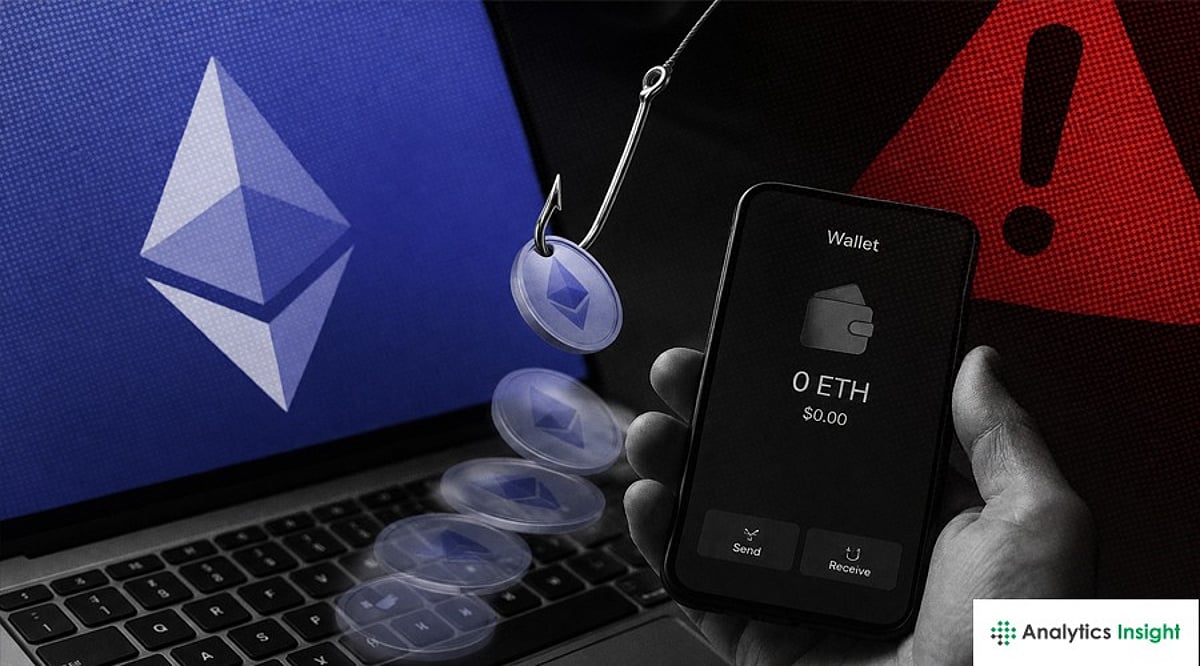
Many DeFi apps ask a wallet to approve a token before a transaction can go through. That approval lets the app move the token later, without asking again. Attackers use this same setup against people. A fake airdrop page, or a cloned DeFi site, asks for a signature that looks routine. Once someone signs it, the malicious contract can pull funds out whenever it wants, sometimes months after that first click. Since the transaction was technically approved, there’s no way to undo it on the blockchain.
This has turned into a real criminal business. Drainer kits get rented out to attackers who barely know any code, complete with phishing pages and contracts already built and ready to use. Some scams even copy the ‘revoke approvals’ warnings that security teams send out after a hack, aiming at people who are just trying to stay safe. Many wallets now run a quick simulation before signing and flag anything that looks like a suspicious permission request. That warning is worth stopping for. The fix is simple enough: check pending approvals now and then, using the wallet’s own permissions screen or a trusted revocation tool, and cancel anything unused or unlimited.
Password Reuse Still Opens the First Door
Reused passwords let credential-stuffing attacks work. When one unrelated website leaks a password, automated tools test that same password against exchange and wallet-service logins elsewhere. A single reused password can compromise several accounts at once. A password manager generating unique credentials per account closes this gap with almost no daily effort.
SMS Two-Factor Authentication has a Known Weakness
Two-factor authentication blocks most password-only attacks, but not all 2FA is equal. SMS-based codes are more exposed to SIM-swap attacks, where an attacker convinces a carrier to port a phone number to a new SIM and intercepts the verification code. App-based authenticators or hardware security keys remove that specific weak point.
Seed Phrases are the Master Key Rather than a Backup Note
A seed phrase regenerates every private key in a wallet. Storing it in a screenshot, a notes app, or cloud storage puts the entire wallet one data breach away from total loss. Offline, physically secured, redundant storage remains the standard advice for a reason.
Leaving Long-Term Holdings on an Exchange
Exchanges are convenient for trading but carry custodial risk. An account can be compromised directly, a platform can go offline during high demand, regulatory action can freeze withdrawals, and insolvency can leave user funds unrecovered. Good crypto wallet safety means treating exchanges as a trading tool, not a vault. Assets meant for long-term holding are safer moved into self-custody, ideally a hardware wallet.
Fix the Highest-Risk Gaps First
- Critical Today: Use unique passwords made by a password manager. Turn on app-based or hardware-backed two-factor authentication for email and exchange accounts.
- Important this Week: Go through token approvals and cancel the ones not needed. Move long-term holdings off exchanges and into a hardware wallet or some other self-custody option.
- Recommended this Month: Keep seed phrases stored safely offline. Put together a recovery plan in case a device gets lost, stolen, or damaged.
Crypto security works best with several layers of protection, not just one. Strengthening each layer means one single mistake won’t put an entire portfolio at risk.
Final Thoughts
Blockchain itself is built to be secure, but keeping cryptocurrency safe really comes down to the everyday choices people make. Checking wallet permissions, keeping recovery details safe, and sticking to a few basic habits can go a long way toward protecting digital assets from threats that keep changing.
FAQs
- What is the biggest crypto security mistake? The most common crypto security mistake is weak account protection. Reusing passwords, skipping strong two-factor authentication, and poor recovery practices make it easier for attackers to gain access to wallets and exchange accounts.
- What is a token approval, and why is it risky? A token approval allows a smart contract to access specific cryptocurrency tokens in your wallet. If the approval is granted to a malicious contract, attackers may be able to move approved assets without requesting another permission.
- Is a hardware wallet safer than keeping crypto on an exchange? For long-term storage, a hardware wallet is generally considered safer because it gives users direct control of their private keys and reduces exposure to exchange-related risks such as account compromise or platform failures.
- Where should I store my seed phrase? A seed phrase should be stored offline in a secure and redundant location, such as a fireproof safe or another protected physical backup. Avoid saving it in cloud storage, screenshots, email, or note apps.
- How can I improve my crypto wallet security? Use unique passwords, enable app-based or hardware-backed two-factor authentication, review wallet permissions regularly, revoke unused token approvals, keep seed phrases offline, and move long-term holdings to a trusted hardware wallet or other self-custody solution.