
Tag: trademark

  • Google Challenges Rs. 30 Lakh Delhi High Court Ruling in Hindware AdWords Trademark Dispute

    Google Challenges Rs. 30 Lakh Delhi High Court Ruling in Hindware AdWords Trademark Dispute

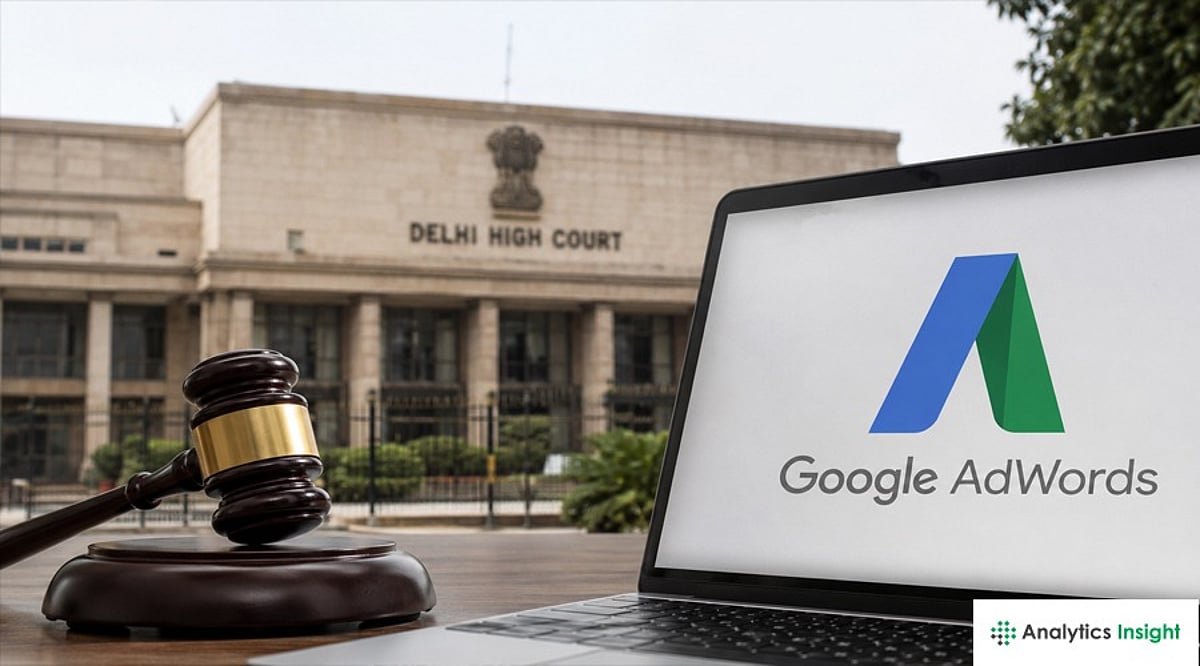
    Google has filed an appeal in the Delhi High Court against a recent order that held the company liable for trademark infringement in the Hindware AdWords case. The earlier ruling imposed a penalty of Rs. 30 lakh on Google and prohibited the company from allowing advertisers to use Hindware’s registered trademark as advertising keywords on its AdWords platform.

    Legal Proceedings

    A division bench of Justices V. Kameswar Rao and Manmeet P.S. Arora heard Google’s appeal on Friday. The court issued a notice to Hindware and scheduled the next hearing for July 24. The judges did not grant interim relief, meaning the previous order remains in effect pending a final decision.

    Google’s Arguments

    Senior advocate Abhishek Manu Singhvi, representing Google, argued that the earlier judgment contradicts several prior court decisions and established global practices. He noted that in many countries, bidding on competitors’ trademarks as advertising keywords is not considered trademark infringement. Google maintains that the AdWords system provides a legitimate way for businesses to reach potential customers through search advertising.

    Background of the Dispute

    The legal battle began when Hindware, a leading sanitaryware brand, alleged that rival companies were purchasing its trademark as a keyword through Google’s AdWords service. This caused advertisements from competitors to appear when users searched for Hindware on Google. Hindware claimed that this practice unfairly diverted its customers to competing brands.

    Earlier Court Findings

    In its May 22 judgment, the single judge ruled in favor of Hindware. The court found that Google derived commercial benefit from selling another company’s registered trademark as an advertising keyword, giving competitors an unfair advantage. The court also noted that Google never obtained permission from Hindware before making its trademark available for advertising. Additionally, the court rejected Google’s claim of protection under Section 79(1) of the Information Technology Act, stating that Google’s role exceeded that of a passive intermediary because it actively sold trademarked keywords.

    Implications for Digital Advertising

    The outcome of this appeal could have significant implications for digital advertising in India. If the court upholds the earlier ruling, companies may be barred from using competitors’ trademarks as advertising keywords. Conversely, a decision in Google’s favor would allow the current advertising model to continue, enabling businesses to reach audiences through keyword-based search ads. The July 24 hearing is expected to be a pivotal moment for the future of online advertising and trademark protection in the country.
  • Taylor Swift Files Trademarks to Shield Her Voice and Image from AI Deepfakes

    Taylor Swift Files Trademarks to Shield Her Voice and Image from AI Deepfakes

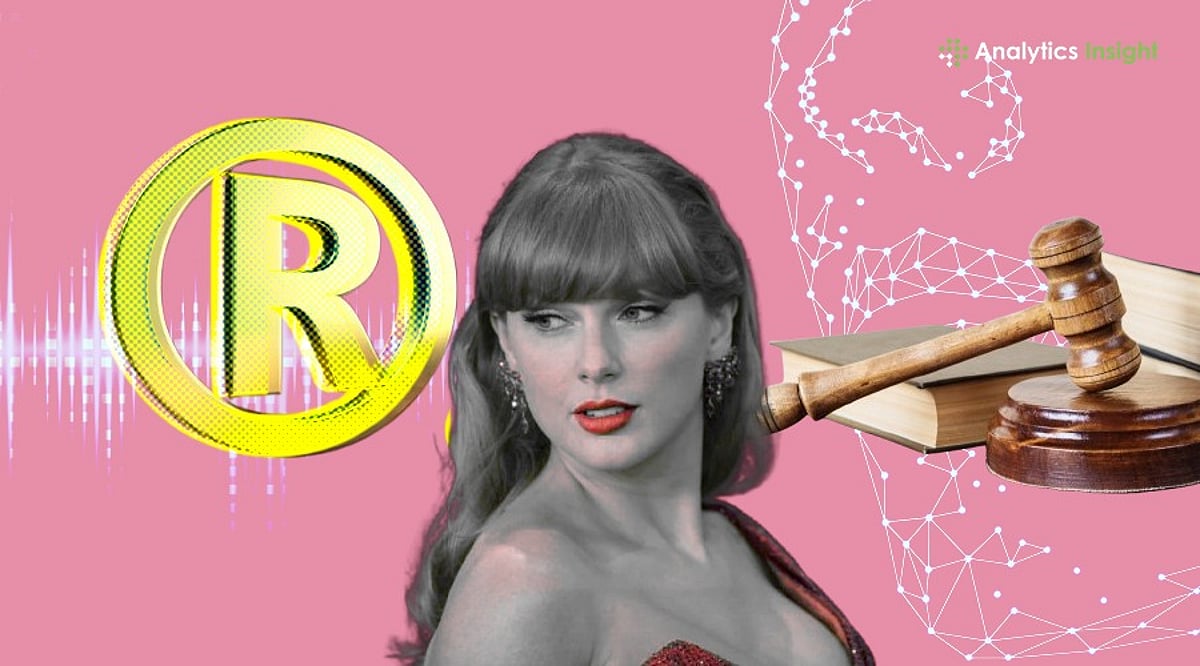
    Pop superstar Taylor Swift has submitted trademark applications for two audio clips and one photograph of herself, marking a strategic move to protect her identity from unauthorized artificial intelligence-generated deepfakes, according to a trademark attorney.

    Swift’s company, TAS Rights Management, is listed as the owner of the image and audio snippets in filings made with the US Patent and Trademark Office on Friday. The applications come amid a surge of AI-generated content that has misappropriated Swift’s voice and likeness, including explicit imagery, fake political endorsements, and deceptive advertisements.

    One of the audio samples features Swift saying, “Hey, it’s Taylor Swift, and you can listen to my new album, ‘The Life of a Showgirl,’ on demand on Amazon Music Unlimited.” The photograph she is seeking to trademark shows her performing live in a sequined costume while holding a pink guitar.

    Trademark attorney Josh Gerben, who first reported the filings on his blog, explained that these applications “are specifically designed to protect Taylor from threats posed by artificial intelligence.” He noted that while existing ‘Right of Publicity’ laws offer some protection against unauthorized use of a famous person’s likeness, “trademark filings can offer an additional layer of protection.”

    Gerben highlighted that registering a celebrity’s voice as a trademark is a novel legal strategy that has not yet been tested in court. Traditionally, vocalists have relied on copyright laws to safeguard their recorded songs. However, AI technologies now allow users to generate entirely original content that mimics an artist’s voice without copying an existing recording, creating a legal gap that trademarks might help fill.

    Similarly, the image Swift is attempting to trademark serves a comparable purpose. “Swift’s team may gain additional grounds to pursue claims against manipulated or AI-generated images that evoke her likeness by protecting a distinctive visual, down to Swift’s frequently worn jumpsuit and pose,” Gerben wrote.

    Actor Matthew McConaughey has already secured similar trademark protections. “We want to create a clear perimeter around ownership with consent and attribution the norm in an AI world,” McConaughey told the Wall Street Journal in January.

    If successful, Swift’s approach could establish a new legal standard for how public figures protect their likenesses in the age of AI, potentially shaping the future legal framework for combating AI impersonation in the entertainment industry.