
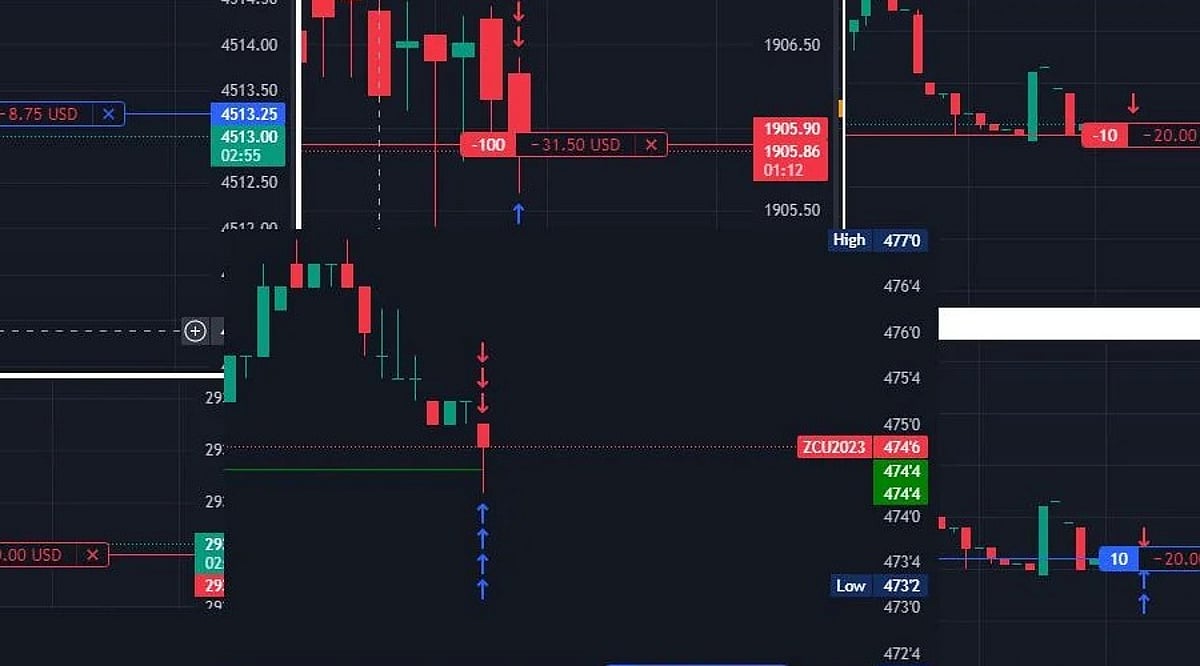
Paper trading is one of the most effective ways to test a trading strategy without risking real money. TradingView’s built-in paper trading feature provides a realistic simulation using live market data, allowing both novice and experienced traders to practice entries, exits, position sizing, and risk management. This guide walks through every step, from setting up the virtual account to analyzing performance metrics.
What Is Paper Trading on TradingView?
Paper trading involves placing simulated orders with market data but no real capital. TradingView integrates this directly into its charting interface, so you can practice order placement and management just as you would with a live broker. Keep in mind that simulated orders may not perfectly replicate real execution, liquidity, or slippage. A strong paper trading record is a useful indicator, not a guarantee of future results.
How to Start Paper Trading on TradingView
Step 1: Open the Trading Panel
Log into TradingView and open a chart for your chosen asset. Locate the Trading Panel and select Paper Trading.
Step 2: Connect the Account
Click Connect to activate the simulated balance and prepare the account for trading.
Step 3: Set the Virtual Balance
Match the virtual balance to the amount you plan to trade with in real life. For example, if you intend to trade ₹1,00,000, set the paper balance to ₹1,00,000. Using a mismatched amount can build unrealistic position sizing habits.
Step 4: Choose the Market and Data Source
Confirm which exchange feeds the chart before placing orders. Prices can vary slightly across venues, especially for assets like Bitcoin. Stick to one data source throughout your testing period to keep results comparable.
Step 5: Pick an Order Type
- Market order: Executes immediately at the best available price.
- Limit order: Executes at a specified price or better.
- Stop order: Triggers once the market reaches a set level.
- Stop-limit order: Combines a stop trigger with a limit price. For a long trade, a buy stop sits above the current price to catch upward momentum, while a sell stop sits below as a protective exit.
Step 6: Calculate Position Size
Base your position size on the amount you are willing to lose, not on a convenient round number. Many traders use 1% of their account as a risk reference, but the right level depends on your strategy and risk tolerance.
Step 7: Set Stop-Loss and Take-Profit
Define these levels before or immediately after entry. On the chart, hover over the position line to see the take-profit (TP) marker; place the stop-loss the same way.
Step 8: Monitor and Close
TradingView updates the open position in real time, showing simulated profit or loss. You can close manually or let the trade run until stop-loss or take-profit is hit.
A Worked Example: Building a ₹1,00,000 Trade
Start with an account of ₹1,00,000 and plan to risk 1% (₹1,000). Entry at ₹500, stop-loss at ₹480 gives a risk per share of ₹20. Divide ₹1,000 by ₹20 to get a position size of 50 shares. A target of ₹540 yields a potential gain of ₹2,000 (2% of account). The reward-to-risk ratio is 2:1. Actual results may differ due to execution price variations.
Measuring Paper Trading Performance
TradingView records entry price, exit price, size, and profit/loss for each simulated trade. Useful metrics over time include:
- Win rate
- Average win and average loss
- Maximum drawdown
- Expectancy: (Win rate × Average win) − (Loss rate × Average loss)
A positive expectancy indicates the strategy produced a positive average outcome per trade in the sample. It does not guarantee future performance.
Common Mistakes to Avoid
Because paper trading carries no real loss, it can encourage sloppy habits: oversized positions, ignored stop-losses, and entries without a plan. These habits often lead to poor results when real capital is involved. Treat paper trading with the same discipline you would use in a live account.
Who Should Use TradingView Paper Trading?
New traders can learn platform mechanics and trade execution in a low-stakes environment. Experienced traders use it to test new strategies or unfamiliar markets before committing real money.
Why Paper Trading Matters
Paper trading builds real risk management skills before capital is on the line. Position sizing, stop placement, and performance tracking practiced here directly shape decision-making once actual money enters the trade.
Final Thought
Paper trading rewards process over outcome. Set a plan, size positions by risk, mark exits in advance, log every trade, and review the pattern once enough trades accumulate. The habits formed here will follow you into live trading.
Frequently Asked Questions
1. Can beginners use TradingView Paper Trading?
Yes. It is designed for practice and helps beginners learn order types, position sizing, entries, exits, and risk management without risking real capital.
2. Is TradingView Paper Trading free?
TradingView offers Paper Trading as a simulated feature. Availability of specific market data and other features may vary by account and subscription.
3. Can Paper Trading simulate different order types?
Yes. It supports market, limit, stop, and stop-limit orders, allowing traders to practice various execution methods.
4. Can Paper Trading guarantee real trading results?
No. Paper trading cannot fully replicate live-market conditions such as execution, liquidity, slippage, or emotional pressure. Simulated performance does not guarantee future results.
5. How long should someone paper trade before using real money?
There is no fixed period. A useful benchmark is a meaningful sample of trades taken under consistent rules. Review win rate, average gain, average loss, drawdown, and expectancy to assess readiness.