Tag: travel

  • eSIM vs Physical SIM: Which Smartphone Option Wins in 2026?

    eSIM vs Physical SIM: Which Smartphone Option Wins in 2026?

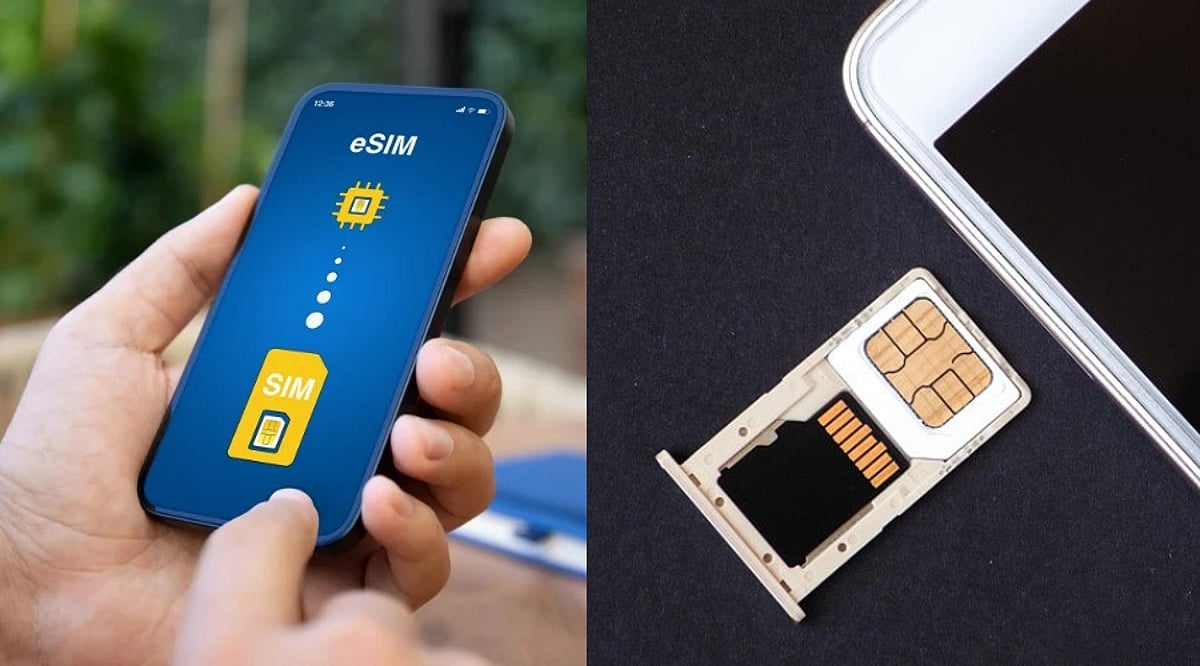
    Smartphones no longer require a small plastic card for mobile service. An eSIM stores a mobile plan directly inside the phone, while a physical SIM remains a removable card. Both options provide calls, messages, mobile data, and 5G access. The real difference lies in travel convenience, phone changes, security, carrier support, and recovery after device failure.

    For most modern flagship phones, eSIM offers the more flexible choice. A physical SIM still has a clear advantage for quick phone changes and broader device compatibility. A phone that supports both options provides the strongest mix of convenience and backup.

    Key Takeaways

    • eSIM wins on convenience: Ideal for travelers, multiple numbers, and digital activation.
    • Physical SIM wins on flexibility: Easy to move between compatible phones, especially during emergencies.
    • Dual-SIM is the best of both: Combines eSIM convenience with physical SIM backup.

    eSIM Makes Travel and Multiple Numbers Easier

    Travel stands out as a major advantage of eSIM. A travel data plan can be added without visiting a local store for a plastic SIM. Plans can often start before a flight or soon after arrival, simplifying mobile access abroad. Apple states that international eSIM providers offer plans across more than 190 countries and regions. Modern smartphones can also hold several eSIM profiles, keeping a main number active while a second plan handles travel data. For frequent international trips, eSIM offers a clear advantage.

    Multiple numbers also work well with eSIM. A personal number can stay on one line while a work number or travel plan uses another. A compatible phone can manage both lines without two physical cards. Security gives eSIM another useful edge: a thief cannot simply pull an eSIM from a stolen phone and place it in another device. That extra barrier helps preserve cellular access for device recovery. Strong screen locks, account protection, and theft protection remain essential, so eSIM should not serve as the only security measure.

    Physical SIM Still Has One Major Advantage

    A physical SIM remains useful for fast phone changes. A SIM card can be moved from one compatible phone to another within minutes. This matters when a main phone fails, loses power, or needs repair. A spare phone can often take the same card without a carrier visit or new digital activation. An eSIM may require carrier approval, account checks, a QR code, an app, or a transfer process. The exact steps vary by carrier and phone, creating trouble when fast access to a mobile number is critical.

    Physical SIM also offers broader compatibility. Older phones, budget models, and some imported devices may not support eSIM. Regional phone versions can have different SIM setups. A phone bought in one country may not match the SIM configuration of the same model sold elsewhere. Buyers should check the exact phone model and carrier before purchase. eSIM support alone does not confirm support for every carrier feature.

    2026 Phones Make the Choice More Important

    The smartphone market continues moving toward eSIM. Apple already sells eSIM-only iPhone models in some markets, while Android brands add eSIM support to more devices. Huawei also reports eSIM support for its upcoming Mate XT 2. India has reached a mature stage for eSIM use. Apple lists Airtel, Reliance Jio, and Vi as Indian eSIM carriers. Airtel and Jio support eSIM Quick Transfer on compatible iPhones. Carrier steps can still differ, so model and network checks remain important before a SIM conversion.

    One common myth needs clarification: eSIM does not make 5G faster. eSIM and physical SIM deliver the same cellular performance on the same phone and network. Modem quality, antenna design, supported network bands, carrier coverage, network traffic, and the mobile plan have a much greater effect on speed and signal quality.

    For most modern flagship phones, eSIM makes the most sense. Frequent travelers, people with several numbers, and buyers who want simple digital activation can gain more from the technology. A physical SIM remains the safer practical choice for those who often move a number between phones or keep a spare device. The strongest setup in 2026 remains a phone with both options: a physical SIM for the main number and an eSIM for a work line or travel plan. That combination brings eSIM flexibility without losing the quick recovery offered by a removable card.

    The choice depends less on speed and more on convenience, recovery, and carrier support. eSIM represents the direction of modern smartphones, while physical SIM still solves a problem that digital activation cannot always solve as quickly: getting a mobile number onto another phone at short notice.

    Frequently Asked Questions

    1. Is eSIM better than a physical SIM?

    For most modern smartphones, eSIM is more convenient, especially for travel and managing multiple numbers. Physical SIM remains better for quick phone transfers.

    2. Does eSIM provide faster 5G?

    No. eSIM does not inherently make 5G faster. Speed depends mainly on the phone’s modem, network bands, carrier, coverage, and plan.

    3. Can I use eSIM and physical SIM together?

    Yes, on compatible phones. You can use one for your main number and the other for a work, travel, or backup line.

    4. What happens if my eSIM phone breaks?

    Moving your number to another phone may require carrier verification or an eSIM transfer process. A physical SIM can usually be moved directly to a compatible backup phone.

    5. Should I choose eSIM or physical SIM in 2026?

    Choose eSIM for convenience and frequent travel. Choose physical SIM if you regularly switch phones or rely on a spare device. A phone supporting both offers the most flexibility.
  • Passport Seva Locator: How to Find the Right PSK and Avoid Travel Hassles

    Passport Seva Locator: How to Find the Right PSK and Avoid Travel Hassles

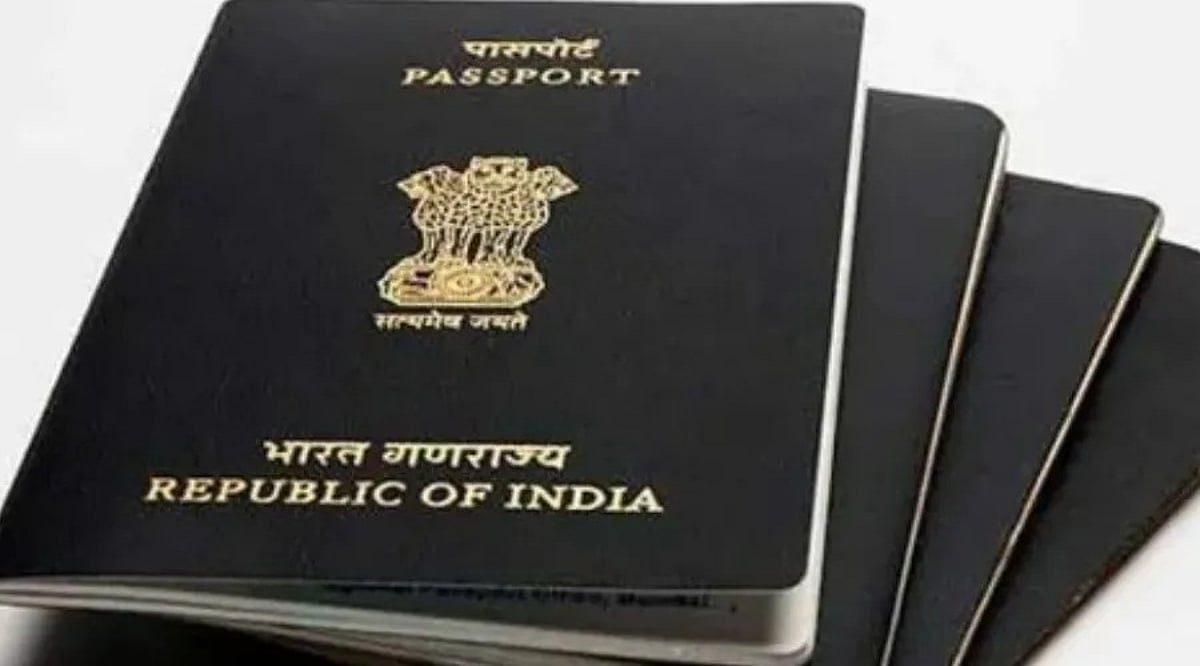
    Applicants seeking new passports, renewals, or related services can use the Passport Seva Locator to find suitable centers. The official tool helps applicants across India identify nearby Passport Seva Kendras (PSK) and avoid confusion over appointment locations.

    Passport Seva provides a locator through its official portal, helping applicants check centers before planning their visit. The tool lets applicants search using location details and identify relevant PSK or POPSK options. This feature becomes especially useful when applicants face limited appointment slots or unfamiliar service locations. Checking the center beforehand can reduce unnecessary travel and prevent visits to unsuitable offices.

    To use the locator, applicants can open the official Passport Seva website and select the locator feature. The search process allows location details to identify available Passport Seva centers nearby. The portal displays relevant center information for easier planning before an appointment.

    Passport Seva Kendra centers handle passport-related services under the Regional Passport Office network. Post Office Passport Seva Kendras (POPSK) also provide passport services from selected India Post locations. Applicants should distinguish between finding a nearby center and confirming the assigned appointment center.

    An appointment remains important for most passport services before visiting a PSK. Official guidance asks applicants to complete registration, submit the application, and schedule an appointment online. The appointment confirmation specifies the Passport Seva Kendra selected for the visit. Applicants should carry required documents and the application reference details during their visit.

    Using the official portal also helps applicants avoid unreliable agents and incorrect location information. The Passport Seva locator therefore offers a simple way to reduce travel mistakes and appointment confusion.

  • eSIM vs. Physical SIM: Key Differences and How to Decide

    eSIM vs. Physical SIM: Key Differences and How to Decide

    With more smartphones supporting eSIM technology, many users are questioning whether to make the switch from traditional physical SIM cards. Both options have distinct advantages, and the right choice depends on your lifestyle, device compatibility, and personal preferences.

    A physical SIM is a removable card that can be easily transferred between compatible devices without additional setup. In contrast, an eSIM is embedded directly into the phone, allowing users to activate a mobile plan digitally without inserting a physical card.

    Frequent travelers often benefit from eSIM because they can quickly switch between carriers and international data plans without changing SIM cards. Many modern flagship smartphones also support dual SIM functionality using a combination of eSIM and physical SIM, offering greater flexibility.

    However, for users who rely heavily on banking OTPs and need to switch devices quickly, physical SIM cards may still provide a simpler recovery experience in some situations. Additionally, eSIM technology reduces the risk of losing or damaging a removable SIM card while saving internal device space.

    Before switching, it is essential to confirm that both your smartphone and mobile carrier fully support eSIM activation and transfer features. Ultimately, whether you choose eSIM or a physical SIM depends on your travel habits, security needs, device compatibility, and personal preferences.

  • 2026 Portable Charger Buying Guide: Expert Tips on Capacity, Wattage, and Airline Rules

    2026 Portable Charger Buying Guide: Expert Tips on Capacity, Wattage, and Airline Rules

    Choosing the best portable charger in 2026 involves more than just looking at battery capacity. Charging speed, safety features, port compatibility, and airline regulations all play a role in selecting a reliable power bank. This expert guide breaks down everything you need to know to pick a portable charger that works for your devices and lifestyle.

    Step 1: Match the Charger to Your Use Case

    Start by identifying how you’ll use the charger. A daily commuter needs a slim, lightweight model. A traveler juggling a phone, earbuds, and a tablet needs higher capacity and multiple ports. Laptop users require high wattage output, not just a big battery. Outdoor enthusiasts need rugged builds. Matching your scenario first eliminates most of the market and prevents overpaying for unnecessary capacity.

    Step 2: Understand Capacity — mAh vs. Wh

    Manufacturers often list capacity in mAh, but watt-hours (Wh) give a truer picture, especially since airlines now calculate limits in Wh. A 20,000mAh power bank at 3.7V equals roughly 74Wh, well within travel limits. A 30,000mAh bank often exceeds 100Wh, requiring airline approval. For everyday phone use, 5,000–10,000mAh is enough. Travelers should look at 10,000–20,000mAh. Laptop charging usually needs 20,000mAh or more. Real-world output is lower due to voltage conversion and heat loss, so buy above your calculated need.

    Step 3: Check Charging Speed and USB-C PD Support

    Wattage determines how fast capacity reaches your device. A large battery with a 10W output will still charge slowly. Modern phones fast-charge between 20W and 30W. Laptops often need 60W to 100W or more via USB-C Power Delivery (PD). For simultaneous charging of a laptop and phone, a power bank with dual USB-C PD outputs and separate wattage ratings is ideal. USB-C PD is now the standard to prioritize over older proprietary formats.

    Step 4: Examine Ports, Cables, and Ecosystem Fit

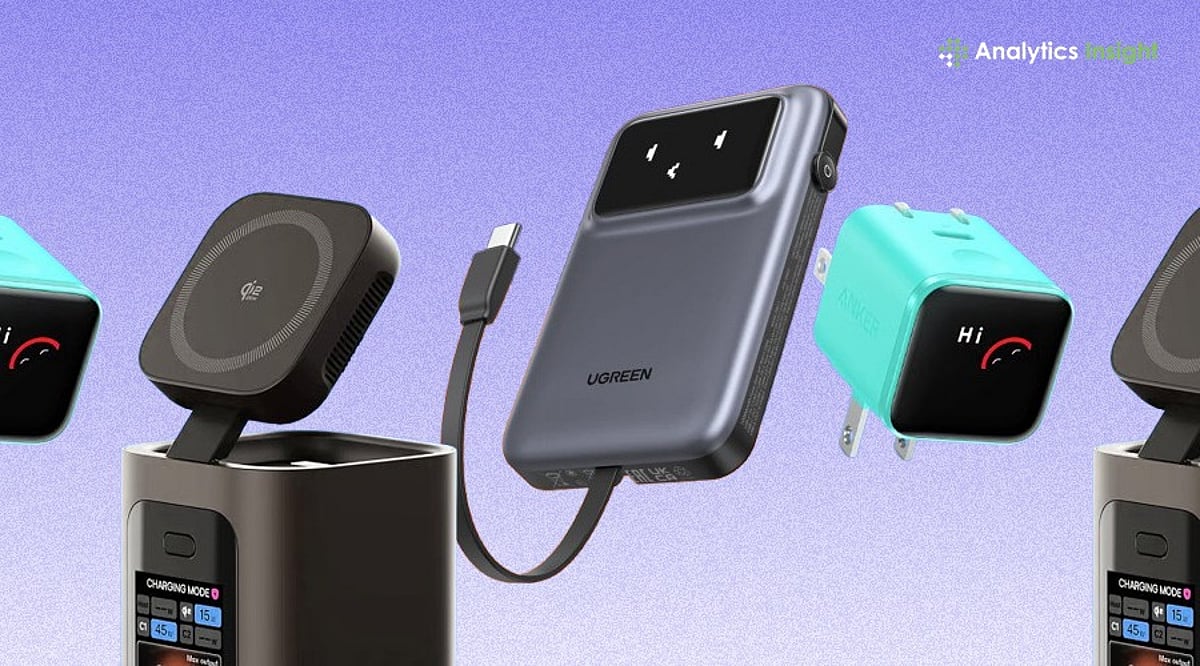
    Look for at least one USB-C PD port and a USB-A port for older devices. Some power banks now include fold-out cables, eliminating the need for separate cords. Wireless options like MagSafe and Qi2 have become genuinely convenient in 2026, especially for iPhone users. If you’re deep in one ecosystem, consider accessories that integrate stands or charging docks for multiple devices.

    Step 5: Know 2026 Safety and Airline Rules

    Safety is where many buyers overlook crucial details. Since early 2026, major carriers including American, Delta, Southwest, and Lufthansa have tightened rules after a power bank fire on a runway in South Korea. New ICAO guidelines limit passengers to two power banks, ban storing them in overhead bins, and prohibit mid-flight recharging. Banks under 100Wh (about 27,000mAh) travel without approval. Those between 100Wh and 160Wh need airline sign-off; anything above 160Wh is banned. India’s aviation authority further restricts in-flight charging entirely. Frequent flyers should buy under 100Wh and keep the battery in the seat pocket. Also look for built-in protections against overheating and overcharging. Higher-quality battery cells maintain performance over more cycles. Replace any swollen or damaged battery immediately.

    Why This Matters

    The wrong charger can get flagged at airport security or fail to power your laptop. Understanding these basics upfront saves money, hassle, and the frustration of buying again.

    Quick Selection Framework

    For Apple users, weigh MagSafe or Qi2 convenience against slightly slower wireless speeds. For others, prioritize USB-C PD and multiple ports. Always check Wh for air travel.

    Final Thoughts

    The best portable charger isn’t the one with the biggest mAh number. It’s the one matched to your real use case, with enough wattage to charge fast and a Wh rating that clears airline limits. Buy for how you travel and charge, not for the spec sheet.

    Frequently Asked Questions

    1. What capacity portable charger should I buy in 2026?

    For everyday smartphone use, 5,000mAh to 10,000mAh is enough. Frequent travelers charging multiple devices should consider 10,000mAh to 20,000mAh. Laptops typically require 20,000mAh or higher with sufficient power output.

    2. Why is wattage as important as battery capacity?

    Battery capacity stores charge; wattage determines how quickly it delivers. A high-capacity charger with low output can still charge modern phones and laptops slowly.

    3. Can I carry a portable charger on a flight?

    Yes, but most airlines require portable chargers in cabin baggage, not checked luggage. Check your airline’s rules regarding Wh limits and the number of power banks allowed.

    4. Is USB-C Power Delivery necessary?

    USB-C PD is the preferred standard for most modern smartphones, tablets, and laptops. It enables faster, more efficient charging and offers broader compatibility than older technologies.

    5. How do I choose the best portable charger for my needs?

    Start by identifying your primary use case (commuting, travel, laptop charging). Then compare capacity, wattage, ports, safety features, and compatibility to select the right model.

  • How EaseMyTrip’s AI Assistant Is Evolving into a Travel Companion: CEO Rikant Pittie Shares Insights

    How EaseMyTrip’s AI Assistant Is Evolving into a Travel Companion: CEO Rikant Pittie Shares Insights

    Artificial intelligence is reshaping how travelers discover destinations, book trips, and seek customer support. As conversational AI becomes more intuitive, consumers are moving away from keyword-based searches and traditional support channels, expecting faster, more contextual, and personalized assistance throughout their travel journey.

    EaseMyTrip has witnessed this shift firsthand through its AI-powered assistant, EVA, which has handled over 2.5 million interactions across WhatsApp and the company’s web chatbot. The growing adoption highlights increasing consumer trust in AI for everything from travel discovery and bookings to itinerary changes and post-booking support.

    Rikant Pittie, CEO and Co-Founder of EaseMyTrip, believes the next phase of AI will move beyond answering questions to becoming an intelligent travel companion that understands user preferences, intent, and context, while working alongside human support teams.

    What EVA’s 2.5 Million AI-Led Interactions Reveal

    According to Pittie, the biggest insight from EVA’s interactions is that Indian consumers have moved beyond experimenting with AI and are increasingly relying on it to accomplish real travel-related tasks. Whether discovering flight and hotel options, clarifying booking details, understanding cancellation policies, accessing offers, or resolving service-related queries, customers are turning to AI for speed, convenience, and accuracy.

    Users are demonstrating outcome-driven trust: they care less about whether they interact with a human or an AI system and more about receiving the right answer quickly and reliably. Travelers are increasingly asking complete questions rather than typing fragmented keywords, signaling that they view AI as a travel companion that simplifies planning and decision-making.

    Why Conversational AI Outpaces Traditional Search

    Conversational AI accelerates the customer journey by helping users find information faster and complete tasks more efficiently. Human interaction remains critical for situations requiring empathy, nuanced decision-making, or complex problem-solving. Pittie emphasizes that the real value lies in reducing friction and enhancing existing customer journeys, positioning AI as an extension of human support rather than a replacement.

    Building Domain-Specific AI Assistants: Challenges and Lessons

    Pittie notes that deploying a large language model does not automatically create a successful customer-facing AI assistant. Building a domain-specific solution requires deep understanding of customer journeys, business rules, operational processes, and countless edge cases. For EVA, the real challenge is ensuring the assistant understands travel-specific contexts and responds accurately to a wide range of needs—from discovery and bookings to cancellations and post-booking support.

    Success depends on high-quality data, continuous model refinement, robust guardrails, and strong integration with existing systems. Customer expectations evolve rapidly, so AI systems must continuously improve to remain relevant.

    Improving Engagement, Efficiency, and Resolution Speed

    The most successful organizations approach AI as an augmentation layer. At EaseMyTrip, EVA is embedded into existing customer journeys to make travel discovery and support faster, simpler, and more intuitive. By helping customers find relevant information, access travel options, understand offers, and resolve common queries quickly, AI reduces friction while allowing service teams to focus on complex cases.

    Deep integration with real travel use cases and customer touchpoints enables a more contextual and meaningful experience. Early indicators point toward stronger engagement, faster query resolution, and growing acceptance of AI-led travel assistance.

    The Next Evolution: Proactive, Voice-Enabled, and Multilingual AI

    Pittie envisions the next evolution not as a better chatbot but as a more intelligent travel assistant that understands context, preferences, and intent across the entire customer journey. Travelers expect seamless, connected experiences where they do not have to repeat information at every step—whether planning, booking, or seeking support.

    Through EVA and ChatGPT integration, EaseMyTrip enables customers to receive faster, more contextual assistance for routine requests, while support teams continue handling complex situations that require human judgment, empathy, and personalized intervention. Multilingual interactions, voice-enabled assistance, smarter recommendations, and contextual support will help create more intuitive travel experiences by complementing—not replacing—human expertise.