
Tag: Trump-Xi summit

  • US Proposes AI Incident Alert System Ahead of Trump-Xi Summit

    US Proposes AI Incident Alert System Ahead of Trump-Xi Summit

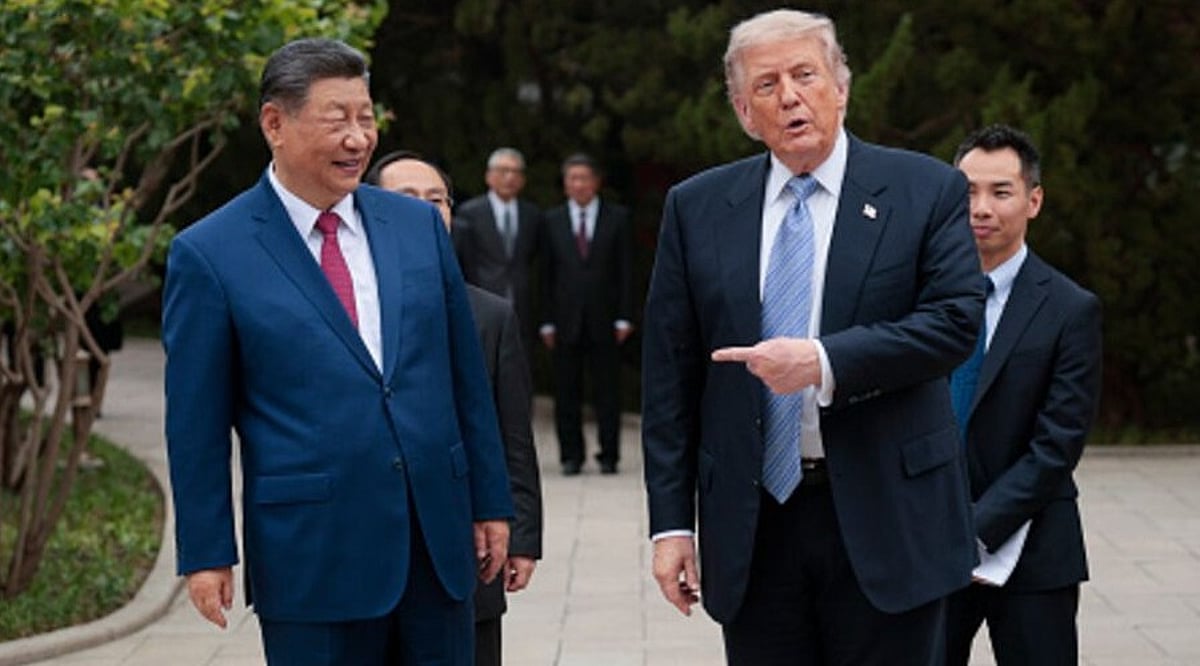
    The United States has proposed a notification system that would allow Washington and Beijing to share information about artificial intelligence incidents that threaten national security. Treasury Secretary Scott Bessent announced the proposal after meeting Chinese Vice Premier He Lifeng in New York on Sunday.

    The meeting prepared the ground for talks between President Donald Trump and Chinese President Xi Jinping at the White House on Thursday. AI, trade, tariffs and economic relations are expected to form part of the leaders’ agenda.

    Bessent Seeks More Transparency on AI Risks

    Bessent said the proposed ‘notification mechanism’ would cover serious AI incidents that could affect either country’s national security. The system could give officials a direct channel for sharing information during an AI-related emergency. However, both countries have not released details about how it would operate or which incidents would require an alert.

    “We want a shared vision of common goals and common threats,” Bessent told reporters. He added that moving ‘from opaque to more transparency’ between the world’s two leading AI powers was important. The talks took place at JPMorgan Chase’s headquarters in New York and involved senior economic officials from both countries.

    AI Competition Remains Part of Wider US-China Rivalry

    The proposal comes as the United States and China compete to develop advanced AI models, computer chips and data infrastructure. Washington has restricted China’s access to some high-end chip technologies. Meanwhile, Beijing has invested heavily in domestic semiconductor production and AI research.

    Trump has rejected calls for the United States to slow AI development. He has argued that tighter limits could allow China to close the technology gap with American companies. Even so, the new proposal shows that his administration is willing to discuss shared risks when AI incidents could cross national borders or threaten critical systems.

    China has not publicly accepted the proposed mechanism. However, the state-run Xinhua news agency confirmed that Bessent discussed matters ‘relating to AI.’ It described their wider talks on economic and trade issues as ‘candid, in-depth and constructive.’ Both governments agreed to continue their dialogue, although they have not announced a formal AI agreement.

    The alert proposal would mark an early step rather than a broad AI safety treaty. The two sides still differ over technology controls, access to advanced computing equipment and the rules governing AI development. Therefore, officials appear focused on creating a communication channel for emergencies before attempting a wider agreement.

    Trade Issues Join AI on Trump-Xi Summit Agenda

    Bessent and US Trade Representative Jamieson Greer also discussed economic matters with He. Greer said the countries had agreed to put a new ‘Board of Trade’ into operation. Trump and Xi first discussed the process during their meeting in Beijing in May.

    “Today those notions have become reality,” Greer said. He added that officials were considering lower tariffs on certain ‘nonsensitive’ products. Possible categories include consumer goods, agricultural products, energy supplies and medical devices. However, negotiators have not approved a final list.

    The current tariff truce between the United States and China is due to expire on November 10. As a result, this week’s summit may address its future alongside AI and supply-chain issues. The Trump-Xi meeting will also test whether the two governments can maintain a direct line of communication while their economic and technology competition continues.
  • Trump-Xi Summit to Focus on AI Safety, Tariffs, and Rare Earths with Top Tech Leaders in Attendance

    Trump-Xi Summit to Focus on AI Safety, Tariffs, and Rare Earths with Top Tech Leaders in Attendance

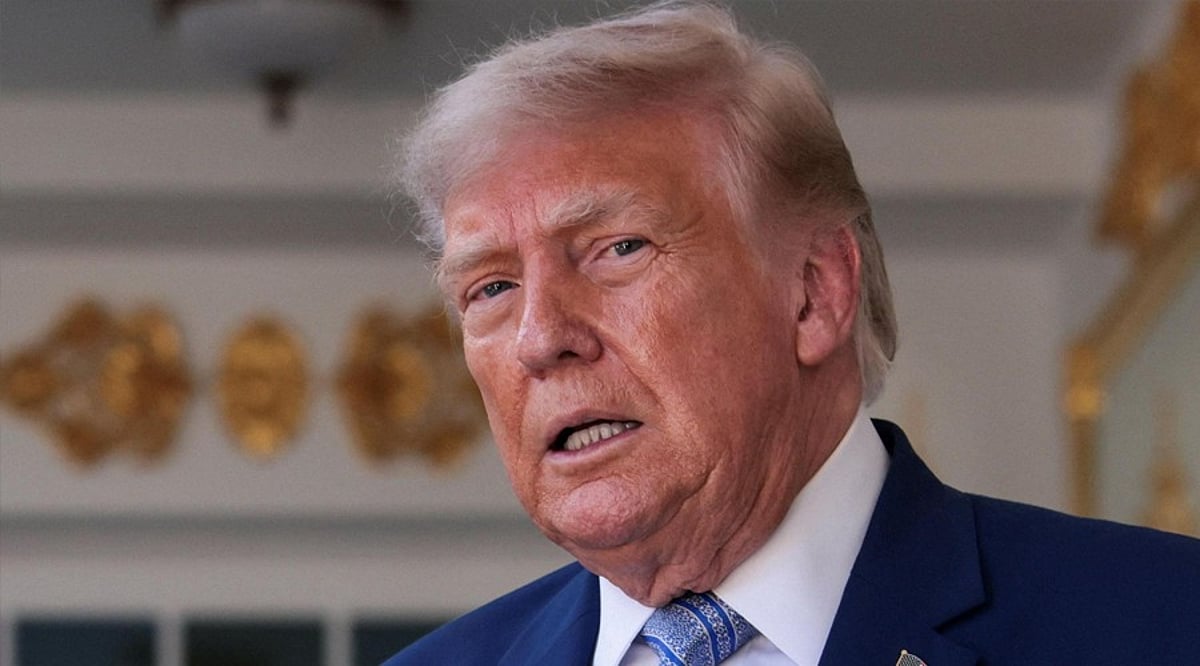
    President Donald Trump will host Chinese President Xi Jinping at the White House on September 24 for a summit centered on technology, trade, and supply chains. The meeting is expected to draw top executives from major U.S. and Chinese technology companies, although the final guest list has not been confirmed.

    U.S. Tech Leaders Receive State Dinner Invitations

    Several leading U.S. technology executives have reportedly received invitations to the White House state dinner. The list includes Nvidia CEO Jensen Huang, Alphabet CEO Sundar Pichai, OpenAI CEO Sam Altman, and Amazon founder Jeff Bezos. Elon Musk, Michael Dell, and JPMorgan CEO Jamie Dimon are also among the reported invitees.

    Their expected attendance places artificial intelligence near the center of the Trump-Xi summit. However, no formal agreement between the companies or governments has been announced. The White House has also rejected a proposed roundtable between U.S. and Chinese chief executives, according to Reuters.

    China Considers BYD, CATL, and Xiaomi Executives

    China is arranging its own business delegation, but officials were still working on the final list. BYD Chairman Wang Chuanfu, CATL Chairman Robin Zeng, and Xiaomi Chairman Lei Jun may join Xi’s visit. Executives from Wanxiang Group, Hisense, and Bank of China are also under consideration.

    The proposed delegation covers electric vehicles, batteries, financial services, and data-center technology. Several companies face close regulatory attention in the United States. As a result, their attendance would create opportunities for direct contact but would not remove existing trade restrictions or security reviews.

    AI Safety Talks May Produce Broad Commitments

    U.S. and Chinese officials are expected to discuss artificial intelligence safety during the summit. Washington has accused some Chinese companies of copying restricted American technology. Beijing rejects that claim and argues that “open-source development is a global trend.”

    Still, both governments have reasons to discuss safeguards. U.S. officials have raised national security concerns linked to powerful AI systems, while Beijing closely monitors risks to political and social control. Any joint statement will likely use broad language because the two sides disagree over export controls, access to advanced chips, and technology development.

    Tariffs and Rare Earths Remain Core Issues

    Trade talks may focus on extending the current tariff truce. Washington reportedly prefers extensions lasting between six months and one year. Beijing is said to favor a longer arrangement covering the rest of Trump’s term. Neither government has publicly confirmed the final period.

    The United States also wants steadier access to Chinese rare earth materials and stronger purchases of American agricultural products, including soybeans. China may seek lower tariffs on selected goods. However, the White House is unlikely to ease controls covering sensitive technology, advanced semiconductors, or products tied to national security.

    Before the summit, Treasury Secretary Scott Bessent and U.S. Trade Representative Jamieson Greer are due to meet Chinese Vice Premier He Lifeng at JPMorgan’s headquarters in New York. Their discussions will cover trade, artificial intelligence security, and other economic matters.

    Trump and Xi may also discuss Taiwan, Iran, and North Korea. China could again request a clear U.S. statement against Taiwanese independence. Meanwhile, Washington may ask Beijing to support talks involving Iran and North Korea. No agreement on those issues has been announced.