
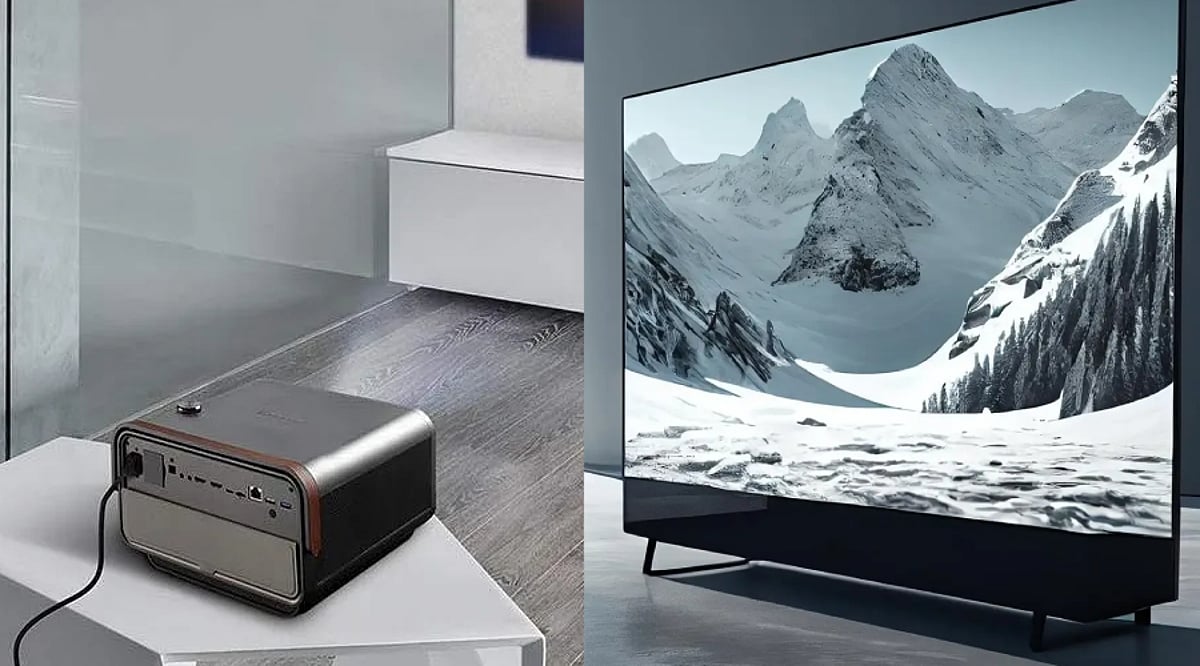
Choosing between a home projector and a television involves more than just comparing sticker prices. While a giant projector screen can turn a living room into a personal cinema, a TV offers a simpler, all-in-one solution. However, the upfront cost tells only part of the story. Long-term expenses — including power usage, accessories, replacement parts, and lifespan — can significantly affect which option is truly more affordable.
Upfront Prices Can Be Surprisingly Similar
Basic projectors and TVs often fall into comparable price ranges, depending on size and specifications. Entry-level models can cost a few hundred dollars, while premium home-theater equipment can run into the thousands. The real cost difference emerges when you factor in accessories, installation, and replacement over time.
Projectors Often Require Extra Equipment
A projector typically needs more than just the unit itself. Buyers may need a dedicated screen, blackout curtains, speakers, or mounting gear to create a proper home cinema. These extras can push the total investment well above the initial projector price.
Electricity Costs Vary by Device
Power consumption depends heavily on the specific model. According to BGR, a 100W TV used four hours daily would cost about $21.90 annually at $0.15 per kWh, while a 70W projector would cost roughly $15.30. However, higher-powered projectors can consume substantially more electricity, narrowing or even reversing that advantage.
Lamp Replacement Adds Up Over Time
Traditional projector lamps are a significant long-term expense. They may need replacement after one to two years, with costs typically ranging from $100 to $400. LED and laser projectors last much longer, but other components may eventually require attention.
TVs Are Simpler to Maintain
Modern TVs generally require fewer separate components during normal use. BGR notes that many televisions last between five and ten years, depending on the model and usage. Projectors can have comparable lifespans, but the need for accessories and replaceable parts complicates the ownership equation.
The Big Picture: No Universal Winner
There is no single answer to which option costs less in the long run — it depends on the setup. A basic projector may use less electricity while delivering a much larger picture, but accessories and maintenance can eat into that advantage. Buyers should consider total cost of ownership rather than just the purchase price. Whether you lean toward a projector or a TV, understanding these factors will help you make a smarter investment for your home entertainment.