Tag: Twitter

  • From Netflix to Threads: A Timeline of Platforms Reaching 1 Million Users

    From Netflix to Threads: A Timeline of Platforms Reaching 1 Million Users

    How fast can a digital platform reach 1 million users? The answer has changed dramatically over the past two decades. From Netflix’s slow, steady climb to Threads’ record-breaking start, the speed of user acquisition has accelerated beyond imagination.

    Netflix: 3.5 Years

    Netflix took approximately 3.5 years to reach its first 1 million users. Early digital platforms like Netflix had to build audiences from scratch, relying on word-of-mouth and limited internet penetration.

    X (Formerly Twitter): 2 Years

    Twitter, now known as X, reached 1 million users in about two years. Social media growth was much slower in its early days, with fewer people online and less awareness of such platforms.

    Facebook: 10 Months

    Facebook hit 1 million users in just 10 months. Its rapid growth demonstrated how social networks could expand faster as internet access increased and network effects kicked in.

    Instagram: 2.5 Months

    Instagram reached 1 million users in around 2.5 months. Its simple, engaging photo-sharing experience helped it gain traction quickly among smartphone users.

    ChatGPT: 5 Days

    ChatGPT achieved 1 million users in only five days. The generative AI tool’s rapid adoption showed how quickly AI tools could attract a global audience, thanks to viral marketing and immediate utility.

    Threads: Under 2 Hours

    Threads crossed 1 million users in under two hours after its launch. Its direct connection to Instagram allowed it to tap into an existing, massive user base instantly.

    Why Is User Growth So Fast Now?

    New platforms can leverage existing social networks, app stores, smartphones, and widespread internet access to reach millions far faster than early platforms could. Pre-existing user bases and viral loops accelerate adoption exponentially.

    1 Million Users Is Not Everything

    Fast user growth does not always guarantee long-term success. User retention, daily activity, and sustained engagement matter much more after crossing the first million. Platforms must continue to deliver value to keep users coming back.

  • How to Disable Sensitive Content Warnings on X (Twitter) – Step-by-Step Guide

    How to Disable Sensitive Content Warnings on X (Twitter) – Step-by-Step Guide

    Enable Sensitive Media on the Web

    Log in to your X account from a web browser and navigate to Settings and Privacy. Go to Privacy and Safety, then Content You See. Toggle on the option to display media that may contain sensitive content. Once activated, posts marked as sensitive will appear in your timeline without the usual warning overlay.

    Update Search Settings

    Under Privacy and Safety, open Search Settings and disable the option that hides sensitive content from search results. This allows eligible photos, videos, and posts labeled as sensitive to appear in searches. The change helps you view a wider range of content while still adhering to X’s platform policies.

    Understand Mobile App Limitations

    The availability of sensitive content settings depends on your device. Android users generally have access to these options, while iPhone and iPad users may not due to App Store restrictions. If the setting is unavailable, use the web version of X through your browser instead.

    Refresh Your Account

    After changing your settings, refresh the website or restart the X app to ensure the changes take effect. If sensitive media remains hidden, sign out of your account and log in again. This often synchronizes your updated preferences across different devices and sessions.

    Check Account Eligibility

    Some users cannot access sensitive content due to age restrictions, incomplete profile information, or regional regulations. Verify that your birth date is correct and that your account meets the platform’s eligibility requirements. Certain countries may also impose additional restrictions based on local laws.

    Know What the Setting Changes

    Disabling sensitive content warnings only affects how media is displayed on your account. It does not bypass X’s moderation policies or allow access to illegal or restricted content. Posts removed for policy violations or blocked due to local regulations will remain inaccessible regardless of your settings.

    Troubleshoot Missing Options

    If the sensitive content option is missing, update the X app, clear your browser cache, or try accessing your account from another browser. Some settings are rolled out gradually and may not be available to every user at the same time. Checking X’s Help Center can also provide updated guidance.

  • How Five Billion-Dollar Tech Companies Started as Side Hustles

    How Five Billion-Dollar Tech Companies Started as Side Hustles

    Many of the world’s most influential tech companies didn’t begin as ambitious business plans. They started as small side projects, built to solve one person’s frustration. Twitter, Slack, Shopify, GitHub, and Postman all followed this path. Each began as a simple fix for a specific problem, and each grew into a platform that serves millions. Here’s how they made the leap from side hustle to industry leader.

    Twitter: From Internal Experiment to Global Platform

    Twitter originated inside Odeo, a podcasting company that lost its direction when Apple integrated podcasting into iTunes. Looking for a new direction, the team experimented with a short-message service pitched by Jack Dorsey. What started as a side project within the company quickly gained more traction than Odeo’s core business. The founders eventually abandoned podcasting and bet everything on the new idea. That decision turned an internal experiment into one of the most recognized social platforms in the world.

    Slack: A Productive Failure

    Slack’s origin is unusual. It came from Tiny Speck, a company that built an online game called Glitch. The game failed and was shut down soon after launch. But during development, the team created an internal messaging tool to coordinate across offices. That tool proved more valuable than the game itself. Stewart Butterfield and his team recognized its potential, rebuilt it for external use, and launched Slack. Today, millions of teams rely on it for communication.

    Shopify: Founder Pain as Product Insight

    Shopify began with a snowboard shop called Snowdevil. Co-founder Tobias Lütke couldn’t find e-commerce software that met his needs, so he built his own. Other small shop owners noticed and asked if they could use it too. What started as a custom solution for one store became the backbone for millions of online businesses worldwide. Word of mouth, not a grand plan, drove its growth.

    GitHub: Scratching Your Own Itch

    Before GitHub, version control with Git was cumbersome for teams. Chris Wanstrath, PJ Hyett, and Tom Preston-Werner built a hosting service to solve their own collaboration problems. Their platform made branching, merging, and code review easier than existing tools. Other developers facing the same frustrations adopted it quickly, and GitHub spread far beyond its original creators.

    Postman: The Side Tool That Outgrew Everything Else

    While interning at Yahoo in Bangalore, Abhinav Asthana worked extensively with APIs. The available testing tools were clunky, so in 2012 he built a simple Chrome extension for his own use. Within weeks, word spread through the developer community. Asthana later brought in former Yahoo colleagues Ankit Sobti and Abhijit Kane to turn the side project into a company. Postman eventually moved its headquarters to San Francisco. What began as a browser extension for one frustrated intern became a company valued at $5.6 billion.

    Common Thread: Solving Real Problems

    These five companies emerged from different industries, but they share a pattern. Each founder encountered a personal problem, built a solution, used it enough to validate it, and only later realized it could become a real business. This sequence keeps repeating across the tech world — and it might be one of the most reliable ways to create something genuinely useful.

    Final Thoughts

    Somewhere right now, the next big platform may already exist in a much smaller form, quietly solving one person’s problem. Products born from genuine need often reshape entire industries.

    Frequently Asked Questions

    1. What do these tech companies have in common?
    Twitter, Slack, Shopify, GitHub, and Postman all began as solutions to specific problems before evolving into successful technology companies.

    2. Why do many successful tech companies start as side projects?
    Side projects allow founders to test ideas, solve real-world problems, and refine products through practical use before turning them into full-fledged businesses.

    3. Which company started as a Chrome extension?
    Postman began as a Chrome extension created by Abhinav Asthana to simplify API testing before growing into a leading API collaboration platform.

    4. How did Slack originate?
    Slack evolved from an internal communication tool built by the Tiny Speck team while developing the online game Glitch, which was eventually discontinued.

    5. What lesson do these founder stories highlight?
    The stories show that solving a genuine personal problem with a practical solution can create products that eventually serve millions of users and transform entire industries.

  • 10 Proven Strategies to Grow Your X (Twitter) Followers Organically in 2026

    10 Proven Strategies to Grow Your X (Twitter) Followers Organically in 2026

    Building a genuine following on X (formerly Twitter) takes more than just posting random updates. In 2026, organic growth hinges on strategy, consistency, and authentic engagement. Here are ten actionable tactics to help you attract and retain followers without resorting to paid promotions.

    1. Optimize Your Profile

    Your profile is the first impression. Use a professional profile photo, write a compelling bio that includes relevant keywords, and clearly state your niche. This builds trust and helps targeted followers find you.

    2. Post High-Value Content

    Share posts that educate, entertain, or solve problems. Data-driven insights, actionable tips, and thought-provoking questions establish credibility and encourage engagement from your ideal audience.

    3. Stay Consistent

    Post regularly—aim for several high-quality updates each week. Consistency keeps your account visible in feeds and algorithms, helping you retain existing followers while attracting new ones.

    4. Engage With Others

    Reply thoughtfully to industry leaders, followers, and trending conversations. Meaningful interactions increase your visibility and attract like-minded users who appreciate your insights.

    5. Create Shareable Threads

    Break down complex topics into simple, informative threads. Well-structured threads encourage reposts, saves, and discussions, expanding your reach across the platform.

    6. Leverage Trending Topics

    Join relevant trending conversations with unique perspectives rather than generic comments. This boosts discoverability while keeping your content authentic and aligned with your niche.

    7. Use Visual Content

    Incorporate images, videos, infographics, and charts in your posts. Visuals capture attention quickly and significantly improve engagement rates and sharing.

    8. Build Community

    Support other creators through meaningful interactions, collaborations, and discussions. Genuine relationships naturally encourage follower growth and long-term loyalty.

    9. Analyze Performance

    Track impressions, engagement, follower growth, and top-performing content using X Analytics. Regularly review these metrics and refine your strategy based on what resonates with your audience.

    10. Avoid Shortcuts

    Steer clear of bots, follow-for-follow schemes, or buying followers. These tactics damage credibility and rarely lead to real engagement. Stick to organic methods for sustainable growth.

  • The Evolution of Social Media: From Six Degrees to TikTok

    The Evolution of Social Media: From Six Degrees to TikTok

    Social media has transformed how we connect, communicate, and consume content. This timeline traces the major platforms that shaped the digital landscape over the past two decades.

    • Six Degrees (1997): Widely regarded as the first social networking website, it introduced friend lists, user profiles, and online connections before mainstream adoption.
    • Friendster (2002): Revolutionized online networking by emphasizing real-life friendships, inspiring future social platforms despite technical limitations and declining popularity later.
    • MySpace (2003): Dominated early social media through customizable profiles, music sharing, and artist promotion before Facebook overtook its massive user base.
    • Facebook (2004): Transformed global communication with personal profiles, business pages, communities, messaging, and powerful advertising tools reaching billions worldwide today.
    • YouTube (2005): Changed digital entertainment forever by enabling users to upload, watch, share, and monetize videos across every imaginable content category.
    • Twitter/X (2006): Popularized real-time conversations through short posts, becoming a leading platform for breaking news, public discussions, and live event updates.
    • Instagram (2010): Made visual storytelling mainstream through photos, Stories, Reels, influencer marketing, and advanced shopping experiences for global audiences everywhere.
    • Snapchat (2011): Introduced disappearing messages, augmented reality filters, and short-lived Stories, encouraging spontaneous communication among younger smartphone users globally.
    • TikTok (2016): Redefined short-form entertainment with AI-driven recommendations, viral trends, creative editing tools, and unmatched user engagement across diverse audiences worldwide.

    Read more stories and join our WhatsApp Channel to get the latest news, exclusives, and videos on WhatsApp.

  • Why These 10 Major Companies Changed Their Names – And What It Means

    Why These 10 Major Companies Changed Their Names – And What It Means

    Rebranding is a bold strategic move that can signal a shift in vision, target audience, or even an entire industry. Over the years, several high-profile companies have changed their names to reflect new ambitions, shed outdated associations, or simplify their identity. Here are ten notable examples and the stories behind their name changes.

    • Facebook to Meta: Mark Zuckerberg rebranded the social network to emphasize its focus on virtual reality, augmented reality, and the metaverse, moving beyond traditional social media.
    • Google to Alphabet: In 2015, Google created a parent company called Alphabet to allow its core business and experimental ventures (like self-driving cars and life sciences) to operate independently under one umbrella.
    • Twitter to X: After Elon Musk acquired Twitter, he rebranded it as X, aiming to transform the platform into an all-in-one digital services hub for payments, messaging, and more.
    • Square to Block: The payment processing company expanded its scope to include blockchain, financial services, and decentralized technology, adopting the name Block to reflect that broader vision.
    • Dunkin’ Donuts to Dunkin’: The chain dropped “Donuts” from its name to emphasize its growing beverage menu and modern coffee-shop identity, appealing to a wider audience.
    • Weight Watchers to WW: The weight-loss program rebranded to WW, focusing on holistic wellness and healthy lifestyles rather than just weight loss.
    • Philip Morris to Altria: The tobacco giant adopted a new corporate name to distance itself from its cigarette heritage while diversifying into other industries.
    • Andersen Consulting to Accenture: After a legal split from Arthur Andersen, the consulting firm needed a fresh identity. The name Accenture (meaning “accent on the future”) was born and has since become a global leader in technology consulting.
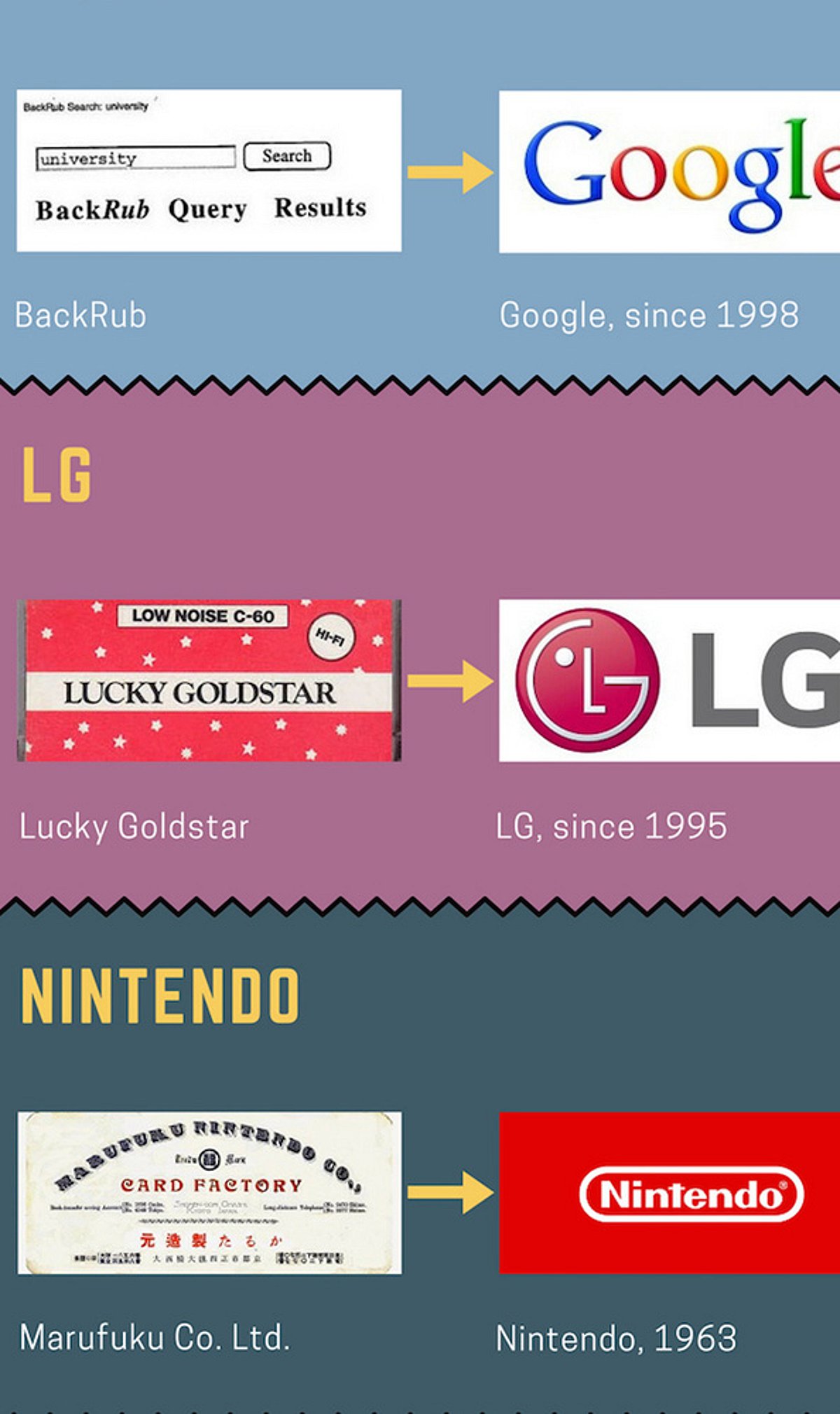
    • BackRub to Google: Before becoming a household name, Google started as BackRub. Founders Larry Page and Sergey Brin renamed it to represent the immense scale of information they aimed to organize.

    Each of these name changes was a carefully calculated decision, often accompanied by a shift in business strategy. Whether to pivot to new technologies, shed negative connotations, or simplify branding, these companies show that a name is more than just a label—it’s a statement of intent.

  • Federal Judge Approves Elon Musk’s $1.5M SEC Settlement Over Delayed Twitter Share Disclosure

    Federal Judge Approves Elon Musk’s $1.5M SEC Settlement Over Delayed Twitter Share Disclosure

    A federal judge has approved Elon Musk’s $1.5 million settlement with the U.S. Securities and Exchange Commission (SEC) over his delayed disclosure of Twitter share purchases in 2022, despite expressing significant legal concerns about the agreement.

    U.S. District Judge Sparkle Sooknanan endorsed the settlement in Washington, D.C., ending the SEC lawsuit. However, the judge wrote that the court had “significant misgivings” about the terms but could not reject the deal under the applicable legal standard.

    Judge Questions Settlement Terms

    Judge Sooknanan reviewed whether the agreement met basic standards of fairness and reasonableness, noting that the court’s role was limited and did not permit a broader review of the SEC’s enforcement choices.

    In her opinion, Sooknanan stated that the court had to decide whether the settlement made “a mockery of judicial power.” She wrote, “Although the Court has significant misgivings about the settlement reached in this case, it cannot say that the settlement meets that high threshold.”

    The judge also pointed to “red flags” surrounding the agreement. She questioned why the SEC accepted payment from a trust in Musk’s name rather than requiring Musk to pay the penalty directly. Sooknanan noted that this arrangement left the court to wonder whether similar treatment would be extended to others accused of violating securities laws. She also expressed concern that the structure could allow Musk to publicly claim he had been cleared of wrongdoing.

    SEC Case Focused on Twitter Share Disclosure

    The SEC sued Musk in early 2025 over his purchase of Twitter shares before his full takeover of the company. The agency alleged that Musk waited 11 days too long in March and April 2022 to disclose his growing stake.

    Federal securities rules require investors to report when they cross certain ownership levels in public companies. The SEC argued that Musk’s late filing allowed him to continue buying Twitter shares at lower prices before the market reacted.

    According to the SEC, the delayed disclosure helped Musk avoid approximately $150 million in higher costs—described as gains tied to the delay. Musk has said the filing delay was accidental and did not admit wrongdoing under the settlement. The agreement states that a trust in his name will pay the $1.5 million civil penalty.

    Musk Settlement Ends SEC Lawsuit

    The approved deal resolves the SEC’s civil case related to Musk’s early Twitter stock purchases. Musk later completed his $44 billion purchase of Twitter in October 2022 and renamed the platform X.

    The case drew wider attention due to Musk’s public profile and his role in multiple major companies. He leads Tesla and is also tied to SpaceX, where X is now part of the broader business structure.

    Judge Sooknanan had previously questioned whether Musk was receiving “special treatment” under the Trump administration. Musk supported Donald Trump’s 2024 campaign, and the SEC filed the case shortly before Trump returned to office. Nevertheless, the judge said the court could not substitute its judgment for the SEC’s. She wrote that whether the government had done enough to hold Musk accountable was a matter for the public to judge “at the ballot box.”