Tag: Uber

  • How to Book Uber or Ola from a WhatsApp Location Pin

    How to Book Uber or Ola from a WhatsApp Location Pin

    Sharing a location on WhatsApp is quick, but turning that pin into a cab booking often means retyping the address in Uber or Ola. There is a faster way: copy the location’s Plus Code from Google Maps and paste it into the ride-hailing app. It works on both Uber and Ola, and it is especially useful when the address has no clear name or when a text search returns several nearby matches.

    Why use a WhatsApp location instead of typing an address?

    A WhatsApp location pin marks the exact spot someone wants to be picked up. Copying that pin into a cab app reduces the chance of typos, vague landmarks, or confusion between similar addresses. The key is the Plus Code, a short string of letters and numbers that Google Maps assigns to a precise location.

    Step-by-step: Send a WhatsApp location to Uber

    1. Open the WhatsApp chat and tap the shared location pin.
    2. On most phones, the pin opens in Google Maps.
    3. Find the Plus Code in Maps. It is tied to that exact spot.
    4. Copy the Plus Code.
    5. Open Uber and paste the code into the “Where to?” box.
    6. Check the map pin before booking, and move it if needed.

    This trick helps most when the address has no clear name or when a text search brings up several matching results nearby.

    How to do the same in Ola

    Ola does not offer a built-in WhatsApp shortcut yet, but the same method works. Open the shared location in Google Maps, copy the Plus Code, and paste it into Ola’s search field. Before confirming, look at the map pin, especially for buildings with multiple gates, office parks, or areas that look similar from above.

    Uber’s WhatsApp booking option

    In some cities, Uber also lets riders book inside WhatsApp. A short chat with Uber’s official WhatsApp number lets a rider share pickup and drop-off points, get a fare estimate, and see the driver’s arrival time. Trip updates then continue in the same chat window.

    Tips to avoid pickup mistakes

    • Always verify the map pin before confirming the ride.
    • Use Plus Codes when the address has no official name.
    • For large complexes, move the pin to the correct gate or entrance.
    • If the app shows multiple results, compare the map preview rather than the text alone.

    The bottom line

    Copying a WhatsApp location into Uber or Ola saves time and reduces address errors. As ride apps add more chat-based features, booking a cab may soon require little more than a shared pin and a few taps.

  • Uber Slashes 3,300 Corporate Jobs and Tightens Remote Work Policy

    Uber Slashes 3,300 Corporate Jobs and Tightens Remote Work Policy

    Uber is cutting approximately 3,300 corporate jobs in its largest workforce reduction since the COVID-19 pandemic. The ride-hailing giant is also sharply limiting remote-work options, with fewer than 1% of employees expected to remain fully remote under the new policy.

    CEO Dara Khosrowshahi announced the restructuring in a message to employees on September 2. He explained that Uber’s rapid expansion over the past five years had created excessive management layers, fragmented responsibilities, and more coordination than the company now requires. The restructuring aims to make the business “simpler and faster” while freeing up resources for growth and innovation.

    Management Layers to Shrink

    Khosrowshahi told staff that Uber is moving toward a model where employees are grouped around a small number of designated hubs. The company’s two largest offices in New York and San Francisco will house global teams, with additional regional, country, and tech hubs for other functions. Under the new approach, fully remote roles will be capped at approximately 1% of the company’s global headcount. This marks a major reversal from the flexible, work-from-anywhere culture Uber had built since the pandemic began.

    The restructuring also brings a major change for employees working from home. Uber plans to ask the vast majority of its remote employees to relocate closer to company offices.

    Future Roadmap

    Uber will continue to enforce its existing hybrid policy, which requires employees to work from an office at least three days a week. The company also plans to concentrate teams in key hubs, including San Francisco and New York.

    These latest layoffs are the biggest at Uber since May 2020, when the firm laid off 6,700 employees amid the pandemic. This time, Uber is positioning the layoffs as organizational restructuring meant to simplify operations and redirect resources toward growth, innovation, and its expanding autonomous-vehicle strategy.

  • Uber’s $10 Billion Robotaxi Investment: What It Means for Human Drivers

    Uber’s $10 Billion Robotaxi Investment: What It Means for Human Drivers

    Uber plans to commit more than $10 billion to autonomous mobility, with partners adding about 120,000 robotaxis to its network. Human drivers will still handle most rides as the company expands driverless services gradually across selected cities and approved operating zones.

    Uber plans to commit more than $10 billion to autonomous vehicles over the coming years. Its partners have committed about 120,000 vehicles to the Uber network during that period.

    The company currently offers autonomous rides in seven cities. It expects that number to reach as many as 15 by year-end. However, Uber’s expansion does not set a deadline for removing human drivers from its platform.

    Uber Builds Its Robotaxi Network Through Partners

    Uber disclosed the investment plan in its second-quarter 2026 prepared remarks. The spending covers equity investments, infrastructure and agreements to buy or use autonomous vehicles. Uber will also consider outside investors to help finance future deployments.

    Chief Executive Dara Khosrowshahi said, “Our ambition is clear: to become the world’s leading commercialization platform for autonomous mobility.” Uber plans to connect vehicle developers with riders through its app. It does not intend to develop every self-driving system internally.

    The program will combine Uber’s capital with vehicles from technology partners. This approach follows Uber’s 2020 sale of its autonomous-driving unit to Aurora.

    Since then, Uber has signed agreements with several developers and vehicle makers. Its current partners include Waymo, Nuro, Lucid, Rivian, Wayve, WeRide and Zoox.

    Uber reported $2.8 billion in second-quarter free cash flow. Free cash flow for the previous 12 months exceeded $10 billion for the first time. Gross bookings rose 24% from a year earlier to $58 billion, while revenue reached $14.2 billion.

    Human Drivers Still Handle Most Uber Trips

    Human drivers and couriers still form the core of Uber’s service network. A record 10.2 million drivers and couriers earned more than $25 billion during the second quarter.

    Robotaxis currently account for less than 0.5% of Uber’s total rides, Khosrowshahi said during the company’s earnings call. Most autonomous services also operate within defined areas. Each city requires local testing, operating support and regulatory approval.

    Uber has started reducing driver recruitment in some cities where autonomous rides operate. Khosrowshahi said the company wants established drivers in those markets to maintain their earnings. Uber has not announced plans to remove existing drivers.

    The longer-term position is less certain. Khosrowshahi said in February that robots could handle most Uber trips within 15 to 20 years. He also said driver and courier numbers should keep rising for several years.

    Automation will not reach every route at the same pace. Construction zones, severe weather and unusual traffic conditions can restrict autonomous systems. Human drivers can serve trips outside approved zones and markets without commercial robotaxi rules.

    New Fleet Work Accompanies Autonomous Expansion

    Large robotaxi networks require more than self-driving software. Uber lists dispatch, vehicle integration, fleet operations, charging, financing and insurance among the services needed for commercial operations. Regulators and local communities also take part in each launch.

    Those requirements create work in fleet maintenance, charging, cleaning, customer support and remote assistance. However, Uber has not provided hiring forecasts for these roles. It has also not said how many driving positions its planned fleet may replace.

    The company’s partner commitments cover different schedules and markets. For example, Uber’s Lucid and Nuro agreement covers at least 20,000 vehicles over six years. The broader 120,000-vehicle commitment has no single six-year deadline.

    For now, Uber is adding robotaxis alongside human-driven rides. The speed of that change will depend on vehicle supply, safety approvals and local operating rules. Driver demand will also vary by city as autonomous services expand within selected zones.

  • Uber to Acquire Delivery Hero in $14.8 Billion Deal to Expand Global Food Delivery Network

    Uber to Acquire Delivery Hero in $14.8 Billion Deal to Expand Global Food Delivery Network

    Uber is making a major play in the food delivery market. The company announced it will acquire Delivery Hero’s food delivery business in a deal valued at $14.8 billion. Under the terms, Uber will pay Delivery Hero shareholders €41.50 per share in cash.

    Dara Khosrowshahi, CEO of Uber, said, “By bringing our platforms together, Uber will extend affordable, reliable delivery to many millions more people in some of the world’s most dynamic economies, while creating more opportunities for merchants and couriers.”

    The acquisition will be financed through a mix of cash and shares. Once completed, Uber will gain a stronger foothold in markets where Delivery Hero already has a large customer base. This is one of the largest deals in the food delivery industry in recent years.

    Additionally, Uber has committed to investing €2 billion in Germany through 2031, focusing on developing its local corporate workforce and expanding its nationwide business. Niklas Östberg, Co-Founder and CEO of Delivery Hero, commented, “This acquisition and Uber’s planned investment in Germany demonstrate the attractiveness of the European tech ecosystem, and we intend to keep contributing to its growth.”

    For consumers, the deal could mean faster deliveries and more choices. A larger delivery network typically leads to more delivery partners and better coverage, potentially reducing wait times, especially in busy urban areas.

  • OpenAI Names Former Uber India President Prabhjeet Singh as Managing Director for India

    OpenAI Names Former Uber India President Prabhjeet Singh as Managing Director for India

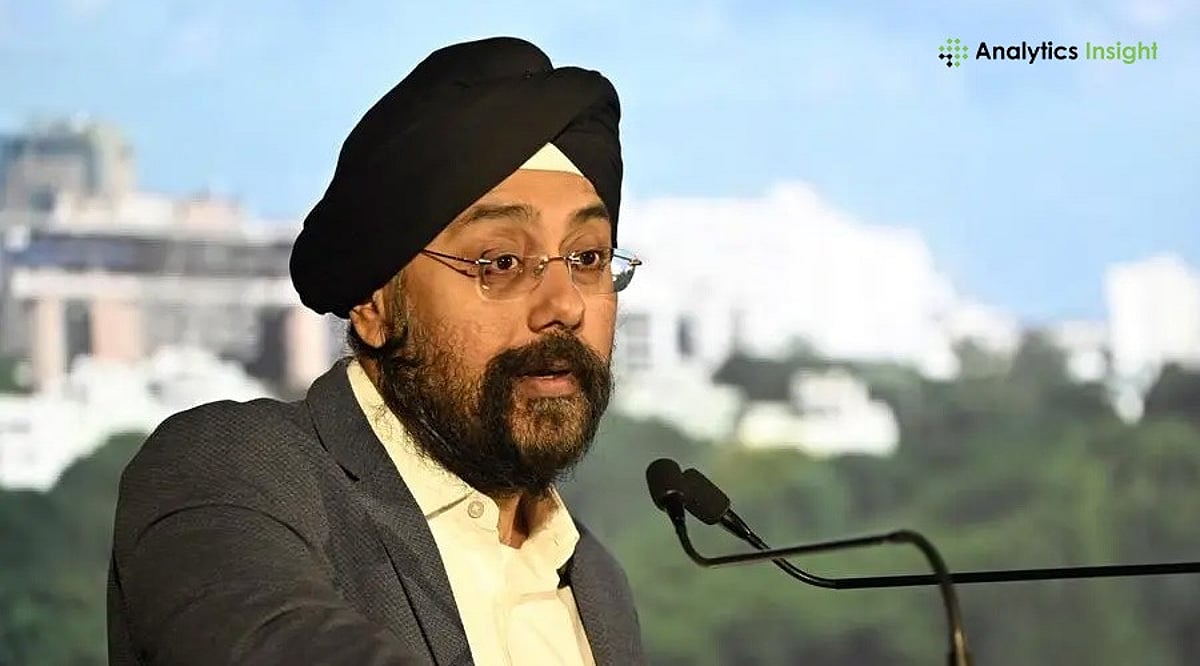
    OpenAI has appointed Prabhjeet Singh, the former President of Uber India and South Asia, as its Managing Director for India, signaling the company’s deepened commitment to one of its fastest-growing global markets. Singh will join the AI startup in September as the most senior executive in the country, tasked with leading operations, partnerships, and AI adoption.

    This strategic hire comes at a time when OpenAI is expanding its footprint in India, driven by surging demand for generative AI solutions from businesses, developers, and consumers. The company views India as a key market for scaling AI adoption and forging strategic alliances.

    Singh to Drive Growth and Partnerships

    In his new role, Singh will oversee OpenAI’s India operations, focusing on consumer growth, enterprise adoption, strategic partnerships, regulatory compliance, and overall business performance. He will collaborate with public and private sector organizations to accelerate AI adoption across the country. Singh will report to Kiran Mani, OpenAI’s Managing Director for the Asia-Pacific region, who was recently appointed to lead the company’s regional expansion.

    A Veteran of India’s Tech Industry

    Singh recently stepped down as President of Uber India and South Asia after more than a decade with the ride-hailing giant. During his five-year tenure starting in 2015, he was instrumental in expanding Uber’s presence, adding new mobility services, and building a strong footprint in India and neighboring regions. Before leading Uber, Singh worked in strategy and business development, earning recognition for driving growth in one of the company’s most challenging markets.

    India Crucial for OpenAI’s Expansion

    The appointment underscores OpenAI’s broader ambition to establish a stronger presence in India, as companies, startups, universities, and governments increasingly embrace generative AI. Analysts view the move as a deliberate effort to hire a leader with deep knowledge of India’s tech sector. Singh’s experience in scaling digital businesses will help OpenAI expand as AI technology gains traction among businesses and individuals.

    This development comes amid intense global competition in the AI industry, with major players making significant investments in India’s rapidly growing sector.