Tag: US

  • iPhone 18 Price Showdown: India, UAE, US – Which Country Pays the Most?

    iPhone 18 Price Showdown: India, UAE, US – Which Country Pays the Most?

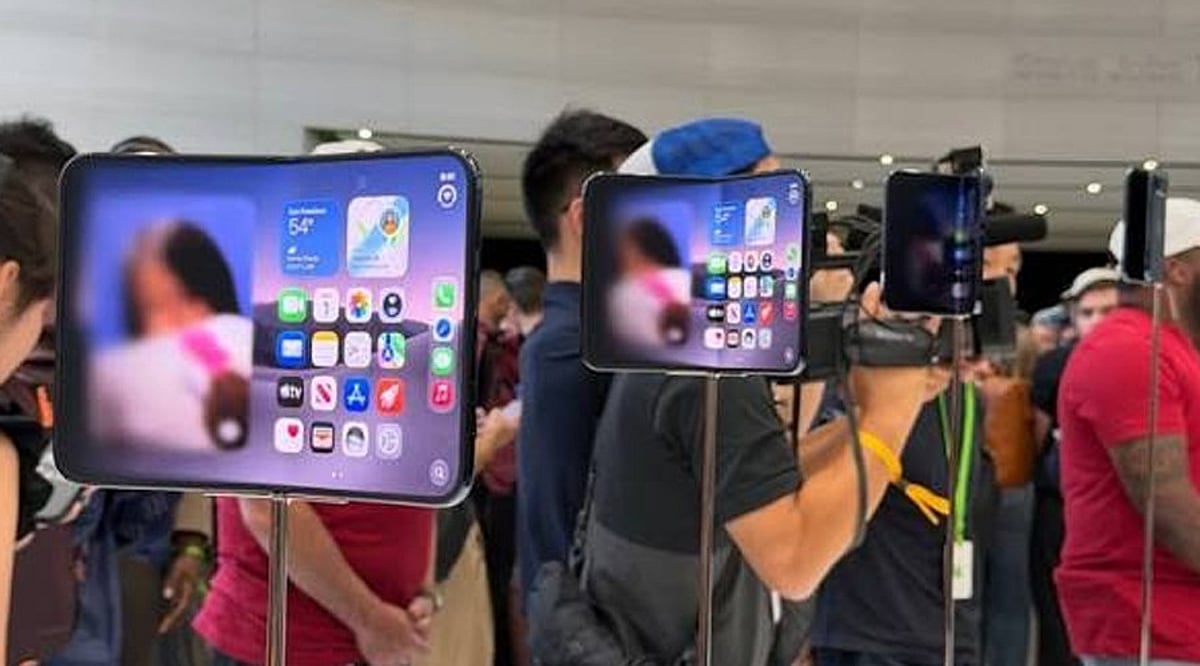
    Apple’s latest iPhone lineup—the iPhone 18 Duo, iPhone 18 Pro, and iPhone 18 Pro Max—hit the global market on September 9, 2026, with pricing that varies sharply across regions. A new comparison reveals that the United States offers the lowest official prices, while India tops the list as the most expensive market for Apple’s flagship devices.

    Global Price Comparison: US, UAE, Saudi Arabia, UK, and India

    Across every storage configuration tested, the US provides the cheapest sticker price for the iPhone 18 Duo, iPhone 18 Pro, and iPhone 18 Pro Max. The UAE ranks second, followed by Saudi Arabia. The UK and India are the priciest, with India taking the top spot for highest costs.

    iPhone 18 Duo (256GB) Pricing

    The entry-level 256GB iPhone 18 Duo is priced at $1,999 in the US, which converts to roughly AED 7,336. In the UAE, the same model retails at AED 8,499—a gap of about AED 1,163. Indian buyers face a much higher cost: Rs. 2,99,900, which translates to approximately AED 11,527.

    Higher Storage Widens the Gap

    As storage increases, the price difference becomes even more pronounced. For example, the 2TB iPhone 18 Duo costs about AED 11,740 in the US (after conversion), AED 13,599 in the UAE, and nearly AED 17,293 in India.

    iPhone 18 Pro and Pro Max Pricing

    The iPhone 18 Pro starts at $1,199 in the US for the 256GB variant, while the UAE lists it at AED 5,099 and India at Rs. 1,64,900. Similarly, the iPhone 18 Pro Max begins at $1,299 in the US, AED 5,499 in the UAE, and Rs. 1,79,900 in India. Higher storage options further amplify these disparities.

    Beyond the Sticker Price: Taxes and Other Factors

    The US advantage is not absolute. Apple’s US prices are quoted before state and local sales taxes, so the final checkout amount varies by location. International buyers must also factor in travel costs, currency conversion fees, warranty limitations, and import duties, which can eat into apparent savings.

    For Indian consumers, the UAE presents a closer alternative than the US, but only after accounting for taxes, travel expenses, exchange rates, and import regulations. While the US offers the lowest list prices, the true cost depends on individual circumstances.
  • Samsung Home Appliances Named Top Choice in US and France by Consumer Testers

    Samsung Home Appliances Named Top Choice in US and France by Consumer Testers

    Samsung has received international recognition for its home appliances in both the United States and France. Independent product testing organizations praised the brand for delivering reliable performance, innovative technology, energy efficiency, and user-friendly features. These achievements strengthen Samsung’s position as one of the world’s most trusted home appliance manufacturers.

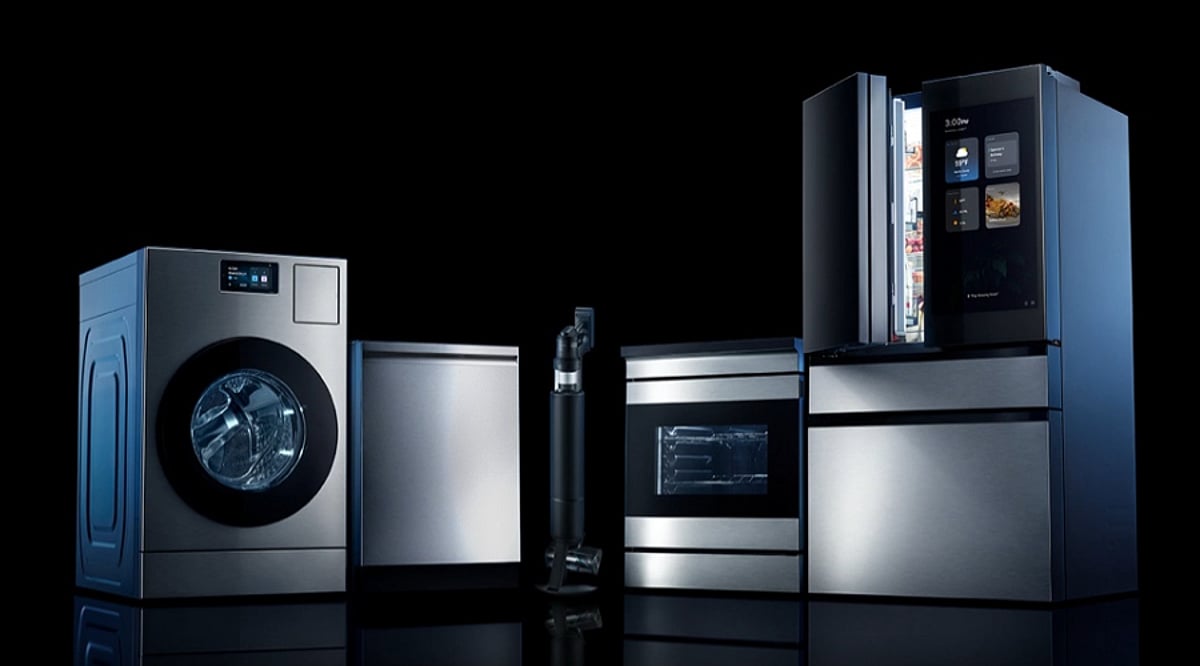
    Several Samsung home appliances received high ratings from respected US consumer testing organizations. Products including refrigerators, washing machines, and kitchen appliances impressed reviewers with strong performance, durability, smart connectivity, and ease of use. These ratings reflect Samsung’s continued focus on quality and customer satisfaction across multiple categories.

    Samsung also achieved excellent results in France, where consumer organizations recognized its appliances for outstanding efficiency, dependable operation, and thoughtful design. High scores across different product categories highlight the company’s ability to meet the expectations of European households while maintaining premium quality and long-term reliability.

    Samsung’s connected home ecosystem continues to be one of its biggest strengths. Features such as AI-powered controls, SmartThings integration, remote monitoring, and energy management help users simplify daily tasks. These smart capabilities improve convenience while supporting modern lifestyles that increasingly rely on connected home technology.

    Energy-efficient performance played a major role in Samsung’s recognition. Many of its appliances are designed to reduce electricity and water consumption without compromising performance. This focus helps consumers lower utility bills while supporting environmentally friendly living, making Samsung products attractive to sustainability-conscious households around the world.

    Samsung continues to introduce advanced technologies across refrigerators, washing machines, dryers, ovens, and other household appliances. AI-powered optimization, improved cooling systems, intelligent washing cycles, and enhanced user interfaces demonstrate the company’s commitment to continuous innovation and delivering practical solutions for everyday home needs.

    Recognition from respected testing organizations in both the US and France reinforces Samsung’s reputation for quality and reliability. Consistent performance across multiple appliance categories gives buyers greater confidence when choosing Samsung products. These achievements further strengthen the company’s leadership in the competitive global home appliance market.

  • Wearable Robot from South Korea-US Team Helps Users Dress Independently

    Wearable Robot from South Korea-US Team Helps Users Dress Independently

    Researchers from South Korea and the United States have developed a groundbreaking wearable robotic system that assists individuals with dressing. The technology combines smart sensors and robotic arms to provide gentle, precise movements, making it easier for elderly people and those with mobility challenges to put on clothes without assistance.

    The robot uses artificial intelligence to adapt its force and movement, ensuring that clothing is handled safely and comfortably. This innovation is designed to promote independence and improve the quality of life for millions who struggle with daily tasks.

    Hospitals and rehabilitation centers are expected to be major adopters of this technology, which also holds promise for home care and assisted living facilities. The developers plan to make the system smaller, faster, and more affordable in future iterations.

    Assistive robotics like this one could transform daily living for people worldwide, offering a new level of autonomy and dignity. The collaboration between South Korea and the US underscores the global effort to advance healthcare through robotics and AI.

  • OnePlus May Exit US and Europe, While India Could Follow by 2027 Under Oppo Restructuring

    OnePlus May Exit US and Europe, While India Could Follow by 2027 Under Oppo Restructuring

    OnePlus, once a trailblazer in the premium smartphone space with its flagship-killer devices, might be on the verge of a dramatic strategic shift. According to multiple reports, the company could soon cease operations in the United States and Europe, with India potentially following suit by 2027 as part of parent company Oppo’s global restructuring plan.

    This potential exit would mark the end of an era for a brand that rose to prominence with affordable yet high-performance smartphones under the motto ‘Never Settle.’

    Oppo’s Restructuring Drives the Move

    The reported exit strategy is tied to Oppo’s broader restructuring efforts. The parent company is believed to be streamlining its international operations amid rising geopolitical tensions, declining smartphone demand in certain regions, and intensifying competition within the Android ecosystem.

    While OnePlus has not made any official announcement, sources suggest that the company may soon reveal its plans for the US and European markets. In the meantime, India—one of OnePlus’s most important markets—is expected to continue operating for now.

    India Remains a Crucial Market

    India has been a standout success for OnePlus, particularly with its premium and mid-range Nord series. The company continues to sell devices through official online channels, and operations there remain active.

    Industry analysts believe that if OnePlus ultimately exits India, it would significantly reshape the premium Android smartphone segment in the country.

    No Official Confirmation Yet

    As of now, neither OnePlus nor Oppo has confirmed the exit reports. Existing customers are awaiting clarity on future software updates, after-sales support, and warranty services should the restructuring proceed.

    Until an official statement is made, these reports should be treated as speculation. However, if the plans move forward, they would represent one of the most significant shifts in OnePlus’s 13-year journey from startup disruptor to globally recognized brand.

  • Trump’s Beijing Visit Opens Door for Nvidia Chips to Power Chinese AI Giants

    Trump’s Beijing Visit Opens Door for Nvidia Chips to Power Chinese AI Giants

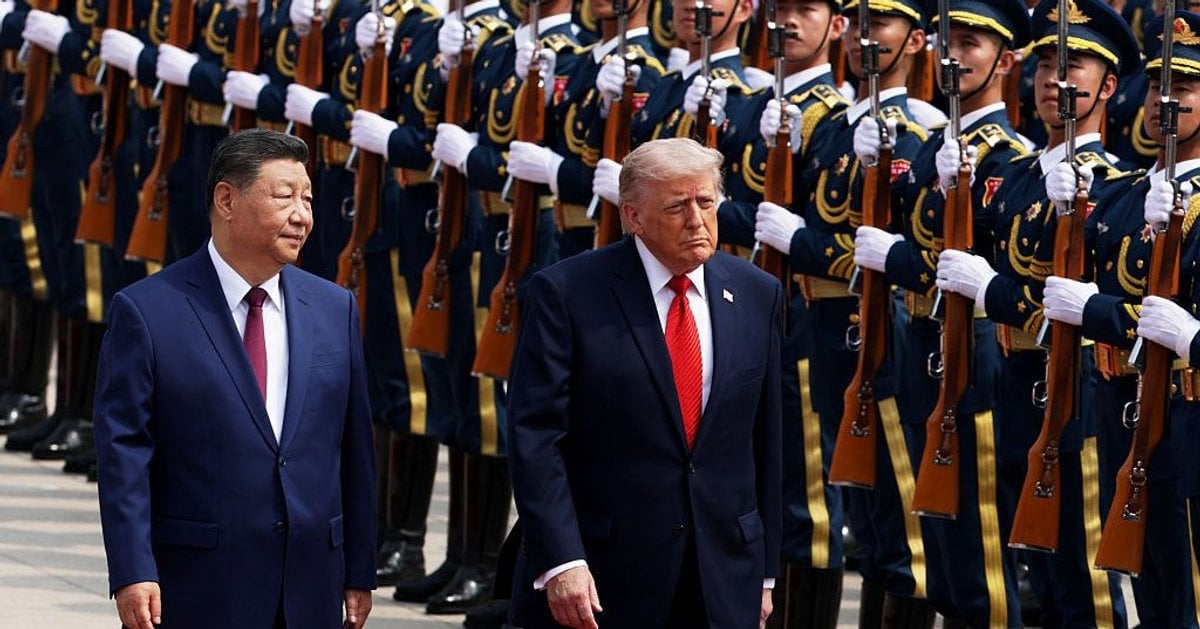
    President Donald Trump’s recent trip to Beijing, accompanied by a delegation including Apple’s Tim Cook, Tesla’s Elon Musk, and Nvidia’s Jensen Huang, signals a potential reset in AI supply chains between the U.S. and China. The visit, focused on high-level negotiations, suggests a shift toward a transactional relationship where American semiconductor technology may support Chinese AI development.

    At the state banquet, President Xi Jinping emphasized the possibility of common cause between China’s rejuvenation goals and America’s “Make America Great Again” agenda. Behind the diplomatic smiles, however, lies a strategic contest: Beijing’s “new productive forces” policy prioritizes AI, advanced manufacturing, and robotics, exemplified by the transformation of Chongqing into a high-tech megacity. Yet China remains dependent on U.S.-controlled high-end accelerators for training frontier AI models.

    Nvidia’s Jensen Huang’s presence is particularly significant. After years of tightening export controls, Washington is now considering case-by-case reviews for advanced AI compute exports. Nvidia is positioned to ship H200 data center GPUs to major Chinese cloud platforms like Alibaba and Tencent. Although not the top-tier Blackwell-class chips, the H200 is roughly six times more powerful than any domestic Chinese alternative, potentially compressing AI training timelines for Chinese firms.

    For Apple and Tesla, the mission focuses on supply chain stability and regulatory clarity. Apple aims to protect its manufacturing resilience and consumer base, where the iPhone 17 has seen success. Tesla views China as crucial for production and full self-driving deployment, seeking clarity on mapping and data policies to compete with domestic rivals.

    This delegation represents an attempt to reverse the 20% decline in U.S. imports from China. By leveraging tech leaders for targeted access—compute in exchange for market openness and IP protections—both nations may enter a more transactional era. The true metrics of success will be the speed of Chinese hyperscalers building H200 clusters and the regulatory wins secured by Apple and Tesla. Ultimately, compute access shapes capability, and this visit suggests a hard-nosed accommodation that keeps the AI flywheel spinning on both sides of the Pacific.