Tag: username feature

  • WhatsApp Username Feature Delayed in India as Meta Fails to Meet Government Deadline

    WhatsApp Username Feature Delayed in India as Meta Fails to Meet Government Deadline

    The Ministry of Electronics and Information Technology (MeitY) has not yet received Meta’s formal response regarding WhatsApp’s proposed username feature, even after the extended deadline passed on Wednesday, according to government sources.

    The Centre had granted Meta an additional three days to respond to the notice issued over privacy and security concerns. During earlier discussions, Meta assured that the username feature would not launch in India until consultations with the ministry concluded.

    Government Raises Cybersecurity Concerns

    MeitY’s notice sought clarity on safeguards accompanying WhatsApp usernames, which allow users to connect without sharing phone numbers. Officials fear the change could enable fraudsters to impersonate users, create fake identities, and conduct phishing attacks while hiding their real identities.

    The ministry asked Meta to explain user verification, misuse prevention, and grievance redressal plans. The feature is expected to work like usernames on other platforms.

    Meta Assures No India Rollout for Now

    Meta representatives met MeitY officials and reportedly assured that the feature would not launch in India until regulatory consultations are complete. The extension was meant to give Meta time to detail its user safety measures.

    As of the deadline, the ministry had not received the company’s formal reply.

    Wider Review of Messaging Platforms

    MeitY has also sought explanations from Telegram and Signal, which already support username-based communication. The government is examining whether such features could complicate cybercrime investigations. The review is part of India’s broader push to strengthen digital safety while balancing user privacy and innovation.

  • Indian Government Extends WhatsApp Deadline for Username Feature Amid Fraud Concerns

    Indian Government Extends WhatsApp Deadline for Username Feature Amid Fraud Concerns

    Meta-owned WhatsApp has received additional time from the Indian government to address concerns over its proposed username feature. The company has assured the Centre that it will not launch the feature in India until ongoing regulatory consultations are completed. This development comes as the government intensifies scrutiny of digital platforms over rising online fraud and impersonation risks.

    Centre Extends Response Deadline

    The Ministry of Electronics and Information Technology (MeitY) issued a notice to WhatsApp on July 1, directing the company to explain its upcoming username-based messaging feature. The government also asked the messaging platform to pause the rollout until consultations were completed.

    The Centre granted Meta a three-day extension to file its reply after Meta requested more time. Top company officials have since met with government officials to discuss the proposed feature and the safeguards the company will implement in India.

    Although the move is aimed at enhancing user privacy, Indian officials are concerned that anonymous usernames could make it harder to identify fraudsters. Officials have warned that anonymous usernames may increase phishing attacks, impersonation scams, and ‘digital arrest’ frauds. The government has also reminded WhatsApp that it must comply with due diligence requirements under India’s Information Technology Rules.

    Wider Review of Messaging Platforms

    The government’s inquiry into WhatsApp does not end here. MeitY has made inquiries to Telegram and Signal about their messaging protocols via usernames and how they ensure that there is no fraud or impersonation. Meta has also outlined several safeguards, including:

    • Setting aside usernames for verified personalities and government institutions
    • Prohibiting fraudulent lookalike usernames
    • Restricting unwanted messages

    In addition, users would be required to know the specific username of the individual they want to contact, and suspicious behavior would be monitored by automated tools. The result of such consultations could influence future regulations regarding messaging apps in India, where privacy-enabled features have been on the rise.

  • India Expands Scrutiny to Telegram and Signal Over Username Feature Security Risks

    India Expands Scrutiny to Telegram and Signal Over Username Feature Security Risks

    The Indian government has intensified its oversight of messaging platforms, extending its scrutiny to Telegram and Signal after raising concerns about WhatsApp’s planned username feature. The Ministry of Electronics and Information Technology (MeitY) has sent formal notices to both Telegram and Signal, requesting detailed information on how their username features operate and what safeguards are in place to prevent fraud, impersonation, and misuse.

    Why the Government is Concerned

    Username features allow users to communicate without revealing their mobile phone numbers. While this enhances privacy, it also reduces traceability and makes it easier for fraudsters to create fake identities. The government’s primary worry is impersonation of public figures, government officials, banks, and trusted institutions. Officials are also alarmed by the potential rise in phishing, online fraud, and so-called “digital arrest” scams, which have become a growing cybercrime threat in India.

    Earlier, MeitY had asked Meta to delay the launch of WhatsApp’s username feature in India, citing security concerns. The ministry gave WhatsApp a three-day deadline to provide information on its security measures and to refrain from introducing the feature until consultations are complete. India is WhatsApp’s largest market, with over 500 million users, making any new feature a major regulatory concern.

    Major Security Risks

    • Reduced traceability: Anonymity makes it harder for law enforcement to track cybercriminals who hide their phone numbers.
    • Increased impersonation risks: Usernames can mimic those of government agencies, celebrities, or financial institutions.
    • Facilitation of digital arrest scams: Fraudsters can contact users without revealing phone numbers.
    • Phishing attacks: Fake profiles can send harmful links or fraudulent messages at scale.
    • Undermined SIM identity association: Reduced traceability weakens the link between SIM identity and messaging activity.

    WhatsApp’s Safeguards

    WhatsApp has stated that usernames will be used for public accounts, government bodies, celebrities, and verified Meta accounts. It has also proposed an optional “Username Key” feature, requiring a four-digit number along with the username before unknown contacts can reach the user.

    The government will review responses from WhatsApp, Telegram, and Signal before taking any action under Indian IT laws.

  • India Orders Meta to Halt WhatsApp Username Feature Over Digital Arrest Scam Risks

    India Orders Meta to Halt WhatsApp Username Feature Over Digital Arrest Scam Risks

    The Indian government has issued a stern warning to Meta, demanding an immediate pause on the rollout of WhatsApp’s username feature. The Ministry of Electronics and Information Technology (MeitY) sent a formal notice on Wednesday, July 1, 2026, citing grave concerns that the feature could be exploited for impersonation, phishing, and the rising menace of digital arrest scams.

    In its notice, MeitY gave Meta a three-day ultimatum to provide a detailed explanation of its safety measures. The government explicitly directed the company not to proceed with the feature until consultations are concluded to the government’s satisfaction.

    Why the Government Is Concerned

    The username feature would allow WhatsApp users to create a unique identifier (e.g., @Name123) and communicate with others without revealing their phone numbers. While Meta pitches this as a privacy enhancement, regulators fear it could become a tool for bad actors.

    “It is felt that the feature may materially increase the incidence of online fraud, phishing, digital arrest scams and impersonation attacks by enabling bad actors to solicit and message victims,” the ministry stated. The notice also warned that usernames could facilitate identity spoofing of public authorities, financial institutions, and government agencies.

    Meta’s Response and Safeguards

    In response, a WhatsApp spokesperson said, “We’ve announced the option for people to reserve their preferred username on WhatsApp.” The company outlined several layers of protection, including holding high-profile names (public figures, government entities, celebrities) and lookalike derivatives so that only legitimate owners can claim them.

    WhatsApp also clarified that a phone number is still required to access the app; usernames are an optional layer. The feature will limit the number of new users an account can message, block repeated username-guessing attempts, and display safety indicators such as whether the sender is a saved contact or from another country.

    How the Username Feature Works

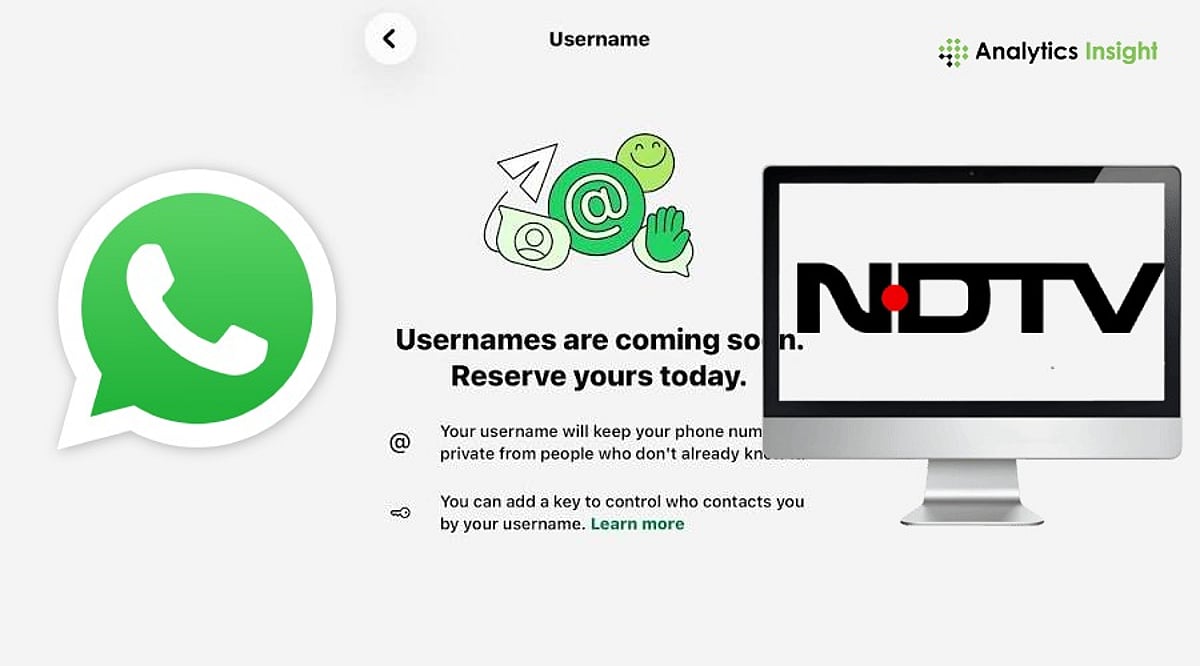
    To set up a username, users navigate to Settings > Account > Username and reserve a unique @-name. This name can appear in chats, groups, and calls instead of the phone number for contacts who haven’t saved the user’s number. Other users must know the exact username to initiate a conversation.

    The government will review Meta’s response and then decide whether to allow the feature to proceed. Usernames were not yet live and were originally slated for rollout later in 2026.