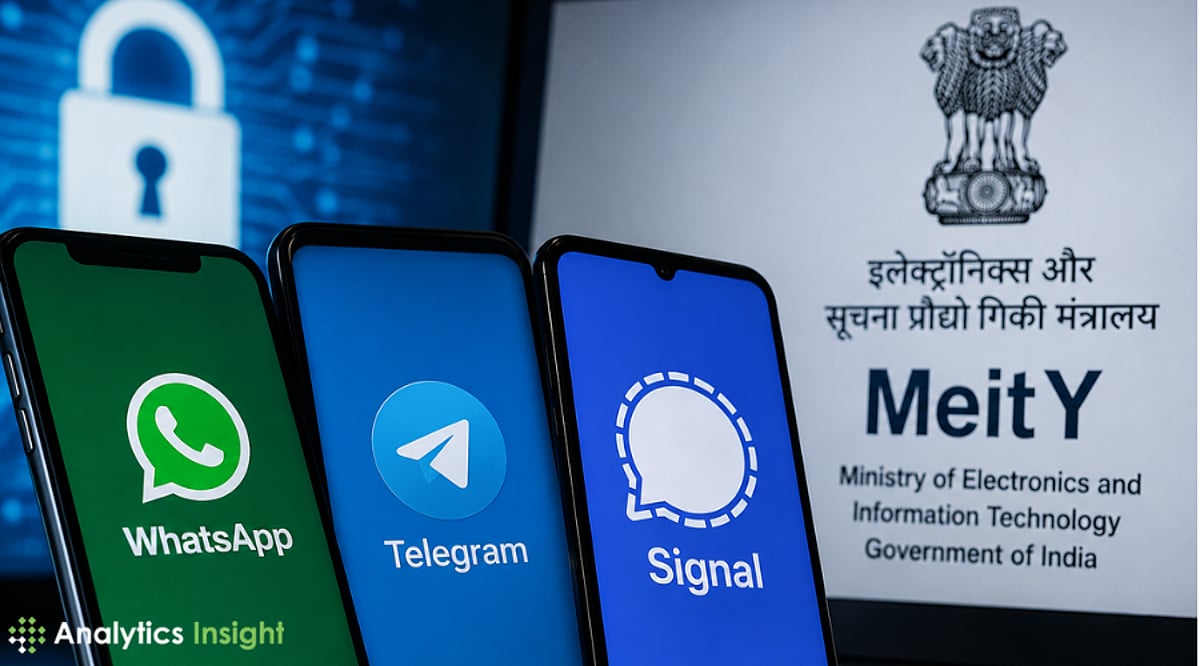
The Indian government is reviewing responses from WhatsApp and Telegram regarding their username features, as the Ministry of Electronics and Information Technology (MeitY) considers implementing common regulations for all messaging platforms. The initiative aims to strengthen cybersecurity and curb online scams nationwide.
MeitY sent notices to WhatsApp, Telegram, and Signal after raising concerns that username-based messaging could enable fraudsters to conceal their identities. Officials worry that without proper safeguards, this feature might facilitate phishing attacks, identity theft, impersonation, and digital arrest scams.
Government Reviews Messaging Safety
Electronics and Information Technology Secretary S Krishnan confirmed that WhatsApp submitted its reply over the weekend, and the ministry is now analyzing it carefully. Officials will determine next steps only after completing the review. The government has also requested other messaging platforms to detail the safety measures integrated into their username systems.
Government officials stated that the primary objective is to establish a single set of rules for all messaging platforms. A uniform policy would prevent disparate treatment of similar features and create clear standards for companies operating in India. Officials believe consistent rules will enhance online safety while supporting technological innovation.
WhatsApp recently introduced usernames as an optional privacy feature in select countries, allowing users to connect without sharing phone numbers during new conversations. The company emphasized that phone numbers remain necessary for account creation and usage, with usernames serving as an additional layer of personal information protection.
Telegram has offered username-based messaging for several years, while WhatsApp has not yet launched this feature in India. Government officials have asked both companies to explain how they prevent fake accounts, deter misuse, and protect users from fraud before permitting broader adoption of the feature.
Why Common Rules are Needed
India could soon establish a unified safety standard for username-based messaging across all platforms. This move may improve online privacy while reducing fraud and making digital communication more secure.
The discussion aligns with the government’s broader focus on strengthening cybersecurity nationwide. Krishnan noted that while digital technology has created numerous opportunities, it has also increased security risks. Artificial intelligence can drive innovation, but criminals also exploit the technology to launch more sophisticated cyberattacks.
Government agencies are now working to improve India’s cyber defenses through enhanced coordination. Organizations such as CERT-In, the National Cyber Coordination Centre, and the Ministry of Home Affairs currently manage various cybersecurity responsibilities. Officials believe better information sharing between government agencies and private companies will help improve India’s response to cyber threats.
Focus on Stronger Cybersecurity
Experts also believe clear rules will help businesses protect their official usernames and reduce the risk of fake profiles. Consumers could benefit from stronger identity verification and safer communication across different messaging platforms.
The Centre will announce its decision after reviewing all responses submitted by the messaging companies. Any new policy is expected to balance user privacy, online safety, and technological innovation while applying the same standards to every messaging platform.