
Tag: usernames

  • WhatsApp 2026: Usernames, Advanced Privacy, and AI Tools Explained

    WhatsApp 2026: Usernames, Advanced Privacy, and AI Tools Explained

    WhatsApp is undergoing its most significant transformation since end-to-end encryption became standard. With over three billion users, the app is shifting away from phone-number-dependent identity toward usernames, while introducing advanced privacy controls and AI features designed for confidential conversations. These updates, rolling out throughout 2026, are reshaping how users connect, communicate, and protect their data.

    Usernames Decouple Identity from Phone Numbers

    For nearly two decades, a phone number was the only way to identify a WhatsApp user. That changes in 2026. Meta opened username reservations globally on June 29, 2026, ahead of a full rollout later this year. Users can select a username between 3 and 35 characters, and once fully deployed, your phone number will no longer be visible to someone messaging you for the first time.

    However, the phone number remains essential for registration and account maintenance. Usernames simply keep your number hidden from new contacts. Notably, WhatsApp does not offer a public directory for usernames—someone must know your exact handle to start a chat. This keeps the feature more like a quiet introduction tool than an open search system. To prevent impersonation, Meta is reserving usernames for public figures and organizations early in the process.

    Advanced Chat Privacy: Beyond Encryption

    Encryption determines who can read a message. WhatsApp’s new privacy tools address a different question: what can be done with a message after it’s read. Advanced Chat Privacy, available in both one-on-one and group chats, targets conversations that are sensitive even among trusted participants, such as support groups or community initiatives.

    It’s crucial to understand the limits: this setting does not prevent screenshots. It blocks automated actions like chat exports, auto-downloads, and use of your messages in AI features. Manual screenshots remain possible, so it’s not a guarantee of absolute secrecy. This distinction is vital for anyone relying on the feature for confidential discussions.

    Complementing this, the August 2026 security update introduced passkeys. Meta reports that over a billion users have already set up passkeys, replacing traditional codes and PINs with device-bound authentication. This adds a layer of security that’s harder to compromise.

    Meta AI: Private by Design

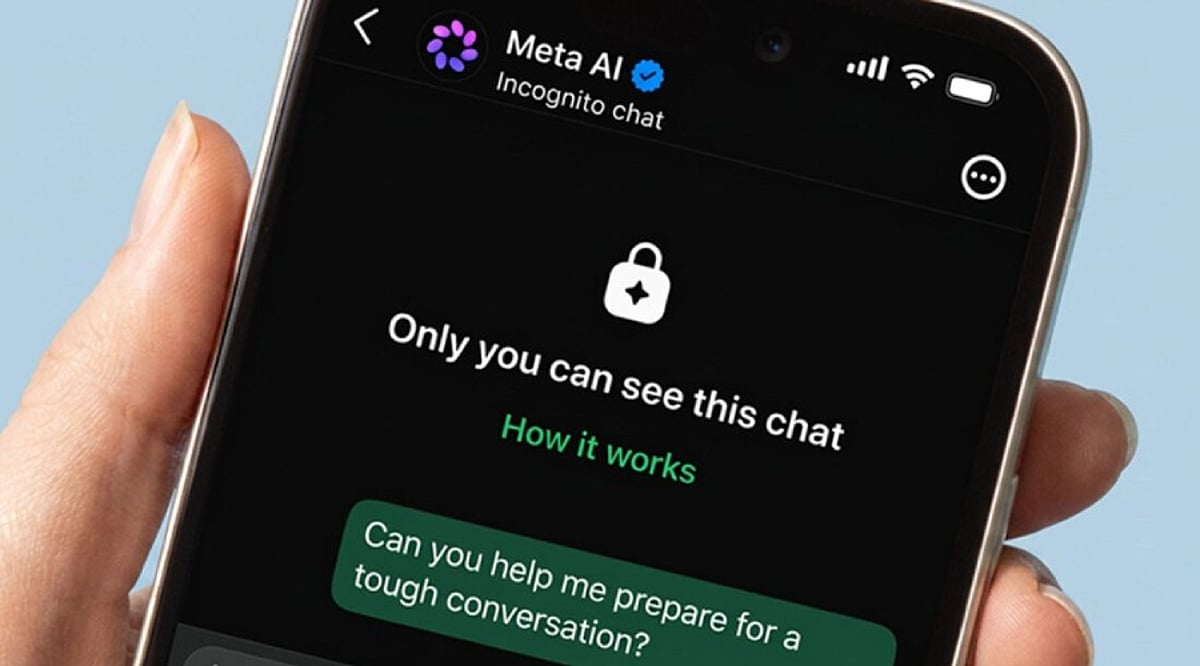
    The most notable AI update is Incognito Chat with Meta AI, introduced in May 2026. Built on WhatsApp’s Private Processing system, it offers a temporary chat environment that runs in a secure space Meta claims it cannot access. The conversation disappears once the session ends. This addresses a growing concern: people bring health questions, financial worries, and personal decisions to AI, yet most ‘private’ modes on other platforms still let companies see the queries.

    Meta has also planned Side Chat, a feature that would allow you to consult Meta AI quietly within an existing conversation without other participants noticing. Meanwhile, everyday AI tools have expanded: photo touch-ups and drafted reply suggestions arrived in March 2026, followed by Muse Image in July, which lets you generate and edit images directly in chats, rolling out initially in select countries.

    Messaging Management Improvements

    Not every update is about privacy or AI. Some address long-standing annoyances. Direct chat transfer between Android and iPhone is now available, solving a major headache for phone switchers. iPhone users can now run two WhatsApp accounts on one device—a feature Android already enjoyed. Storage management also got a boost: users can delete individual files from a chat without affecting others, a small but welcome fix for one of the app’s most common complaints.

    Final Thoughts

    WhatsApp’s 2026 direction is about separation—decoupling identity from phone numbers, privacy from encryption, and AI from data retention. These layers give users more control, but the real test is how Meta handles full-scale rollout. Will usernames and Incognito Chat maintain their privacy promises as adoption grows? And will the same restraint apply as AI features expand? For now, the updates signal a more thoughtful approach to messaging, one that prioritizes user agency over convenience.

  • WhatsApp Usernames: Connect Without Sharing Your Phone Number

    WhatsApp Usernames: Connect Without Sharing Your Phone Number

    WhatsApp is rolling out a new feature that allows users to connect using unique usernames, eliminating the need to share personal phone numbers. This update is designed to enhance privacy and simplify communication for individuals and businesses alike.

    Instead of giving out your mobile number, you can now create a memorable username that follows WhatsApp’s guidelines and is easy for friends, customers, or clients to find. Once your username is set, people can search for it and send messages without ever seeing your phone number, wherever the feature is supported.

    Usernames are particularly valuable for creators, freelancers, businesses, and community administrators who frequently interact with many people. Privacy settings allow users to control who can discover them or initiate contact, adding an extra layer of account protection.

    WhatsApp continues to bolster security with end-to-end encryption, passkeys, and advanced scam protection alongside the username feature. As the feature rolls out, availability may vary by region and app version, so users should keep WhatsApp updated to access the latest tools.

    Usernames are expected to make connecting easier while giving users greater control over their personal contact information. For more updates, join our WhatsApp Channel to get the latest news, exclusives, and videos on WhatsApp.

  • WhatsApp Usernames: Privacy Boost or New Scam Risk?

    WhatsApp Usernames: Privacy Boost or New Scam Risk?

    WhatsApp is rolling out a major privacy update that lets users start conversations without sharing their phone numbers. Instead of revealing a mobile number, people can now share a unique username. However, this new feature has also raised concerns among creators and entrepreneurs, who fear it could make impersonation and fraud easier if strong safeguards are not in place.

    The update is being released in stages, and users in supported regions can already reserve their usernames. WhatsApp says the feature will reach more countries in the coming months.

    WhatsApp Username Feature Expands Privacy

    The change comes as Meta works to make WhatsApp safer and more private for its billions of users. It follows the appointment of Indian fintech entrepreneur Kunal Shah to lead WhatsApp, as Meta continues adding new services to the platform.

    The biggest change is how conversations begin. Currently, anyone needs a phone number to send a message on WhatsApp. Once the new feature is available, a username will be enough for first-time chats. The phone number will remain hidden unless the user decides to share it.

    WhatsApp says this update is designed to give people better privacy, protecting personal numbers in situations such as joining large group chats, messaging a business for the first time, or talking to someone new. It can also reduce unwanted calls and spam messages.

    How to Create and Use a WhatsApp Username

    Creating a username is simple. Users need the latest version of WhatsApp. After updating the app, they can open Settings, tap Account, and choose Username. They can then pick an available name that contains between three and thirty-five characters.

    WhatsApp will not create a public list of usernames. People cannot search for random users as they can on many social media platforms. Someone must know the exact username before sending the first message, giving users more control over who can contact them.

    The app also includes another safety feature called a username key. Users can turn it on for extra protection. New contacts must enter both the username and the key before sending the first message. The key can be changed whenever needed.

    Why the New Privacy Update Matters

    WhatsApp’s Username feature makes sharing contact details much safer. Many people use WhatsApp for work, online selling, community groups, and school activities. A username allows them to stay connected without giving away a personal phone number.

    Businesses, creators, and organizations will also benefit from the update. They can reserve the same username already used on Instagram or Facebook. This keeps their online identity consistent across Meta’s apps and makes it easier for customers to recognize them.

    WhatsApp will also block usernames linked to celebrities, public figures, and government organizations. This step aims to stop fake accounts and reduce impersonation.

    More than 3 billion people use WhatsApp worldwide, so many popular usernames may be taken quickly. The company has opened early reservations to give users a better chance of getting the name they want before the full rollout ends.

    The update brings WhatsApp closer to other messaging apps that already use usernames. At the same time, it keeps privacy at the center with better phone number protection, stronger secure messaging, and a safer digital identity for everyday conversations.