

Tag: vertical farming

  • 10 Innovative Food Technologies Reshaping Our Plates

    10 Innovative Food Technologies Reshaping Our Plates

    The way we produce, package, and consume food is undergoing a radical transformation. From lab-grown meats to AI-driven farms, these ten technologies are leading the charge toward a more sustainable, efficient, and personalized food system.

    Precision Fermentation

    This process produces dairy and protein ingredients without the need for animals. By using microbial hosts, precision fermentation creates sustainable alternatives with lower emissions while maintaining the familiar taste and nutritional profile consumers expect.

    Cultivated Meat

    Real meat is grown directly from animal cells, eliminating the environmental footprint of traditional livestock farming. This technology addresses concerns about animal welfare, land use, and food security by producing authentic meat without raising or slaughtering animals.

    AI-Powered Farming

    Artificial intelligence is revolutionizing agriculture by monitoring crop health, predicting yields, optimizing irrigation, and reducing waste. Data-driven decisions help farmers increase efficiency while minimizing inputs like water and pesticides.

    Vertical Farming

    Crops are cultivated indoors in stacked layers, often in urban environments. This method uses far less land and water than conventional farming, produces fresh vegetables year-round, and reduces the carbon footprint associated with long-distance transport.

    Plant-Based Proteins

    Meat alternatives made from soy, peas, mushrooms, and legumes are becoming mainstream. These products offer healthier, more environmentally friendly choices that closely mimic the taste and texture of animal meat.

    Smart Food Packaging

    Intelligent sensors embedded in packaging monitor freshness, temperature, and contamination. This technology helps reduce food waste by alerting consumers and retailers when products are no longer safe, while also improving overall food safety.

    3D Food Printing

    Customized meals with precise nutrition and creative designs can now be 3D-printed. This technology is finding applications in healthcare for tailored diets, in hospitality for artistic presentations, and even in space missions where fresh ingredients are scarce.

    Blockchain Food Tracking

    Blockchain records every step of the food supply chain, from farm to table. This transparency improves traceability, verifies authenticity, and boosts consumer confidence in food quality and safety, especially during recalls.

    Food Waste Recycling

    Discarded food is converted into valuable resources such as biofuels, fertilizers, and animal feed. This circular economy approach reduces environmental pollution and turns a major waste problem into an opportunity for energy and agriculture.

    These ten technologies are not just changing what we eat—they are redefining the entire food ecosystem. As they mature, expect more sustainable, safe, and personalized food options to become the new normal.
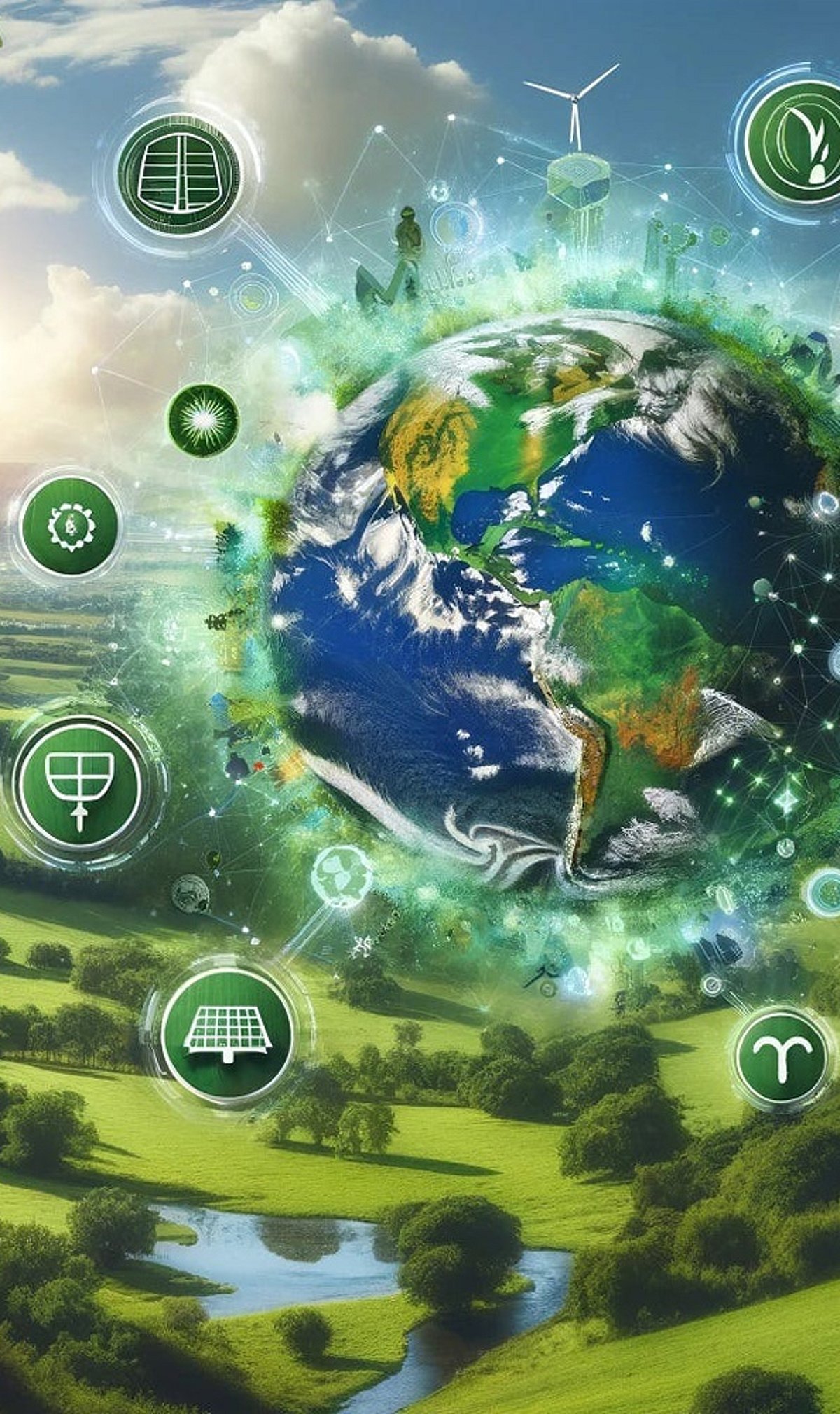
  • 10 Innovative Green Technologies Combating Climate Change

    10 Innovative Green Technologies Combating Climate Change

    10 Green Technologies Fighting Climate Change

    By Humpy Adepu

    The fight against climate change is being waged with a growing arsenal of green technologies. Here are ten key innovations making a significant impact:

    1. Solar Power Systems: Advanced photovoltaic panels convert sunlight into electricity, reducing dependence on fossil fuels while providing clean, renewable energy for homes worldwide.
    2. Wind Turbines: Modern wind farms generate electricity efficiently using powerful turbines, significantly lowering greenhouse gas emissions compared to conventional energy sources.
    3. Green Hydrogen: Produced using renewable electricity, green hydrogen offers carbon-free fuel for industries, transportation, and long-term energy storage applications globally.
    4. Carbon Capture Technology: Captures carbon dioxide emissions from industrial facilities, preventing greenhouse gases from entering Earth’s atmosphere and accelerating global warming.
    5. Electric Vehicles: Battery-powered transportation reduces fuel consumption, lowers urban air pollution, and supports cleaner mobility through advancing charging infrastructure worldwide.
    6. Smart Grids: Intelligent electricity networks optimize power distribution, integrate renewable energy sources, and improve efficiency while reducing transmission losses.
    7. Vertical Farming: Indoor agriculture uses less water, minimal land, and controlled environments, reducing transportation emissions while increasing sustainable food production.
    8. Biodegradable Packaging: Eco-friendly packaging materials naturally decompose, minimizing landfill waste and reducing environmental pollution caused by conventional plastic products.
    9. Ocean Cleanup Systems: Innovative floating technologies collect plastic waste from oceans, protecting marine ecosystems while preventing pollution from spreading across waterways.

    Read more stories and join our WhatsApp Channel to get the latest news, exclusives, and videos.

  • 10 Breakthrough Technologies Driving a Sustainable Future

    10 Breakthrough Technologies Driving a Sustainable Future

    The path to a sustainable future is being paved by remarkable innovations across multiple sectors. From energy generation to waste management, these technologies are transforming how we interact with our planet. Below, we explore ten revolutionary advancements that promise to reduce environmental impact and build a greener world.

    Next-Generation Solar Panels

    Innovations in solar power are delivering higher efficiency and lower costs, making renewable electricity more accessible worldwide. Advanced photovoltaic materials and manufacturing techniques are pushing the boundaries of energy generation from sunlight.

    Green Hydrogen

    Produced using renewable energy sources, green hydrogen offers a clean fuel alternative for transportation, heavy industries, and long-term energy storage. It has the potential to decarbonize sectors that are hard to electrify directly.

    Carbon Capture Technology

    Advanced systems now capture carbon dioxide directly from industrial emissions and the atmosphere. These technologies help reduce greenhouse gas concentrations and support global climate goals by enabling carbon removal at scale.

    Vertical Farming

    Indoor farming using controlled environments dramatically reduces water consumption and land requirements while enabling year-round food production in urban areas. This approach minimizes transportation emissions and ensures local food security.

    Smart Grids

    Intelligent electricity networks optimize energy distribution, seamlessly integrate renewable sources, and improve overall efficiency. Smart grids reduce power outages and transmission losses while enabling better demand management.

    Electric Vehicles

    Modern electric vehicles are reducing dependence on fossil fuels and lowering emissions. Improving battery technology and expanding global charging infrastructure are making EVs more practical and affordable for everyday use.

    Biodegradable Materials

    Sustainable alternatives to conventional plastics are being developed that naturally decompose without harming the environment. These materials support environmentally responsible packaging and manufacturing across industries worldwide.

    Ocean Cleanup Systems

    Innovative technologies are being deployed to remove floating plastic waste from our oceans. These cleanup systems help restore marine ecosystems and protect aquatic biodiversity from the growing threat of plastic pollution.

    AI for Sustainability

    Artificial intelligence is being harnessed to optimize energy usage, predict climate patterns, improve agricultural practices, and enhance resource management. Data-driven decision-making powered by AI is unlocking new efficiencies in sustainability efforts.

    These technologies represent just a glimpse of the innovations shaping a sustainable future. As research continues and adoption scales, their collective impact will be instrumental in addressing the environmental challenges of our time.