
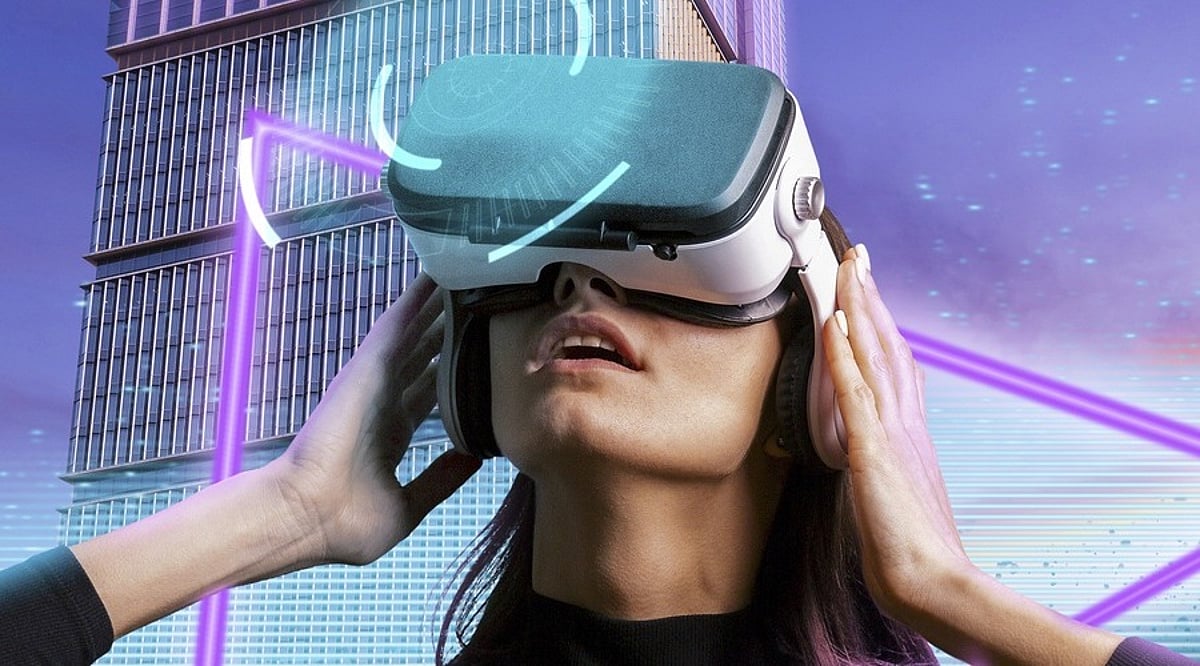
The metaverse has evolved far beyond gaming, now serving as a hub for social interaction, virtual commerce, enterprise collaboration, education, and digital ownership. According to Grand View Research, the metaverse market is projected to grow at a compound annual growth rate (CAGR) of over 37% by 2030, driven by advancements in AI, VR, AR, and blockchain technology. As companies continue to invest in immersive experiences, several platforms are emerging as leaders in the space. Here are the top metaverse platforms to explore in 2026.
Decentraland: Virtual Real Estate and Community Events
Decentraland remains one of the largest blockchain-based virtual worlds, allowing users to buy, create, and sell virtual land using MANA tokens. It is a popular destination for creators and businesses exploring Web3 experiences, hosting virtual concerts, conferences, fashion shows, and brand activations. Its decentralized governance model, powered by a Decentralized Autonomous Organization (DAO), enables users to vote on platform upgrades, giving the community a direct say in future developments.
The Sandbox: Gaming Meets Digital Ownership
The Sandbox continues to expand its gaming ecosystem through user-generated content and NFT-based digital assets. No-code creation tools allow players to build interactive experiences, while creators can monetize virtual land and in-game objects via the platform’s marketplace. The Sandbox has collaborated with hundreds of world-renowned brands, entertainment providers, and celebrities to create immersive experiences, solidifying its role in blockchain gaming.
Roblox: Beyond Traditional Gaming
Roblox has evolved into a multi-purpose platform, enabling developers to create learning content, virtual offices, concerts, and branded experiences. With tens of millions of daily active users globally, it is one of the largest user-generated virtual environments. Its creator economy allows developers to monetize content through virtual items, subscriptions, and premium experiences.
Horizon Worlds: Meta’s Social Metaverse
Meta’s Horizon Worlds focuses on social interaction in VR. Using Meta Quest headsets, users can build their own worlds, attend live events, share projects, and participate in interactive games. The platform integrates AI-powered tools that make virtual content creation more accessible and user-friendly for non-technical audiences.
Spatial: Enterprise and Creative Collaboration
Spatial positions itself as a collaborative virtual environment for designers, artists, educators, and businesses. It supports 3D meetings, digital exhibitions, product demonstrations, and educational workshops across VR, desktop, and mobile platforms. Its cross-platform compatibility means organizations can host immersive events without requiring everyone to own specific VR equipment.
Outlook
Beyond entertainment, digital commerce, remote collaboration, education, and the creator economy are becoming major facets of the metaverse. The integration of AI, blockchain, and immersive technologies continues to drive growth. Despite challenges like interoperability, regulation, and user acceptance, these platforms are shaping how individuals and enterprises interact in the virtual world.
Frequently Asked Questions
1. What are the top metaverse platforms to explore in 2026?
Leading platforms include Decentraland, The Sandbox, Roblox, Horizon Worlds, and Spatial. Each serves different audiences, from blockchain investors and gamers to creators, educators, businesses, and social VR users.
2. How is Decentraland different from other metaverse platforms?
Decentraland is a blockchain-based virtual world where users can buy, develop, and sell digital land using MANA tokens. Its DAO allows the community to participate in governance and platform development.
3. Can users earn money through metaverse platforms?
Yes, several platforms support creator economies through virtual assets, subscriptions, digital land, premium experiences, and branded content. Earnings depend on user demand, platform rules, asset values, and participation levels.
4. Are metaverse platforms only designed for gaming?
No. They increasingly support virtual meetings, education, product demonstrations, concerts, digital exhibitions, commerce, and professional collaboration alongside entertainment.
5. Is a VR headset necessary to access the metaverse?
Not always. Platforms like Spatial, Roblox, and Decentraland can be accessed via desktops or mobile devices, while Horizon Worlds primarily focuses on immersive experiences using Meta Quest VR headsets.