
Tag: virtual try-on

  • How AI Is Reshaping Festive Shopping in India: Smart Search, Virtual Try-Ons, and Personalized Picks

    How AI Is Reshaping Festive Shopping in India: Smart Search, Virtual Try-Ons, and Personalized Picks

    Artificial intelligence is increasingly becoming a staple in the festive shopping journey in India, as consumers turn to smart search, virtual try-ons, and recommendation tools to guide their purchase decisions. A recent study by InMobi Advertising reveals that 80% of festive shoppers are interested in having an AI shopping assistant, with specific features gaining varying levels of traction across generations.

    Smart Search Emerges as the Top AI Feature

    According to the study, smart search suggestions are the most popular AI feature, attracting interest from 89% of respondents. Virtual product try-ons and “complete-the-look” suggestions follow closely, each capturing 81% of interest. AI-based recommendations are preferred by 75% of shoppers, while 73% show interest in voice search or chat assistants.

    The findings are based on an on-device consumer study conducted between August 7 and 11, covering 1,110 consumers across Android and iOS devices, spanning Tier 1 to Tier 4 cities and various age groups. The survey indicates that shoppers are not just looking for help finding products but also in narrowing down their choices.

    Virtual Try-Ons Drive Engagement

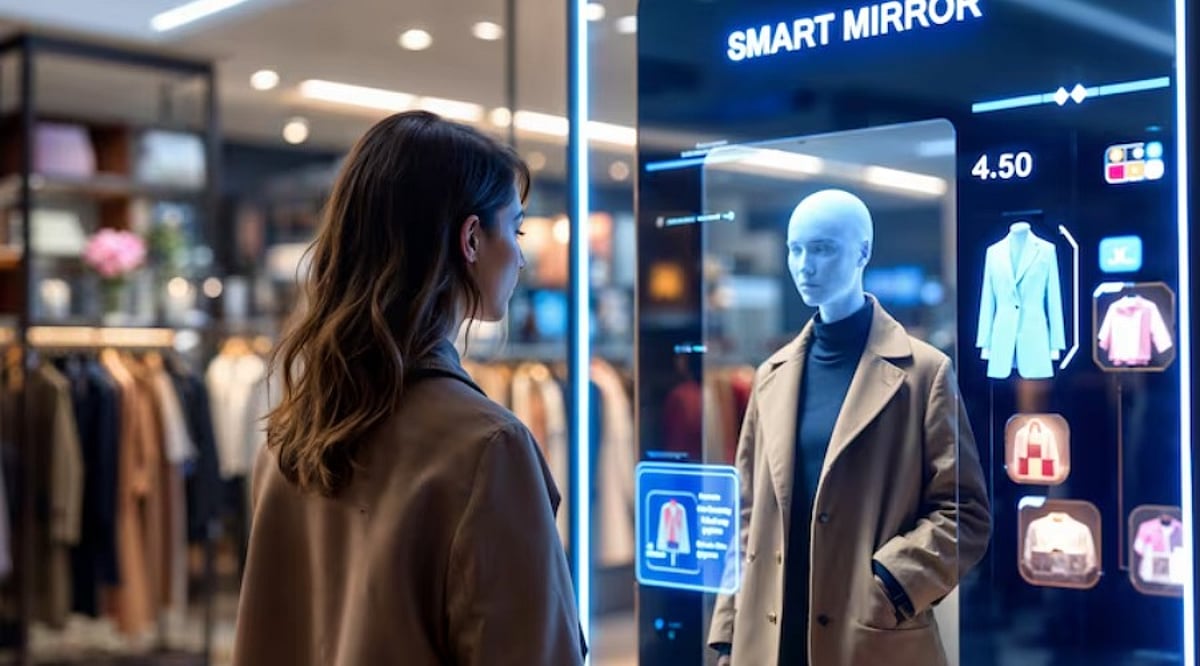
    Virtual try-on tools are gaining significant attention. The report notes that 79% of consumers are interested in personalized smart TV advertising that includes virtual try-on features. A case in point is fashion brand The Bear House, which reported that its AI-powered virtual try-on experience reduced website bounce rates by 50%, boosted add-to-carts by 2.5 times, and increased overall conversions by fivefold.

    Millennials vs. Gen Z: Divergent Interests in AI Recommendations

    When it comes to AI-based recommendations, generational differences become apparent. 82% of Millennials expressed interest in AI recommendations, compared to 71% of Gen Z. However, both groups show strong enthusiasm for smart search, with 90% of Millennials and 88% of Gen Z indicating they would use such suggestions.

    Interestingly, traditional shopping triggers remain influential across both demographics. Limited-time offers sway 66% of Millennials and 66% of Gen Z, while short-video ads engage 66% and 65%, respectively.

    Festive Shopping Moves Across Screens

    AI is just one component of a broader shift in how Indians shop during the festive season. The study reveals that 73% of shoppers make their final purchases online, with 58% researching and buying online, and another 15% researching in stores before purchasing online. Online reviews play a crucial role, with 75% consulting them before buying, while 53% rely on search engines and 47% on social or influencer content.

    For brands, the shopping path is becoming increasingly complex. Consumers may discover a product on social media, compare it through search, use an AI tool to evaluate it, and finally purchase online. This festive season, AI is becoming an integral step in that journey, rather than a standalone technology experience.
  • Retail Revolution: 7 Ways AI Will Transform Shopping by 2026

    Retail Revolution: 7 Ways AI Will Transform Shopping by 2026

    The Future of Retail Is Intelligent

    Artificial intelligence is quickly moving from the background to the center of retail. By 2026, AI will shape how shoppers discover, evaluate, and buy products both online and in stores. Here are seven major ways AI is changing shopping.

    1. AI Shopping Agents Are Reinventing Search

    Shoppers no longer need to wade through endless search results. Instead, they can describe what they need in plain language, and AI agents will compare products, prices, reviews, and availability—and even help complete the purchase.

    2. Shopping Becomes Deeply Personal

    AI studies browsing history, past orders, stated preferences, and real-time activity to recommend products that truly fit each customer. Offers and bundles now adjust per shopper, making every visit feel unique.

    3. Virtual Try-Ons Build Buyer Confidence

    Augmented reality and AI allow shoppers to see how clothes, glasses, makeup, and other products will look before they buy. This makes online shopping more interactive and reduces the fear of buying the wrong item.

    4. AI Predicts What Stores Need

    Smart inventory systems process sales data, seasons, weather, promotions, and local demand to forecast what each store will need. Retailers can avoid empty shelves and minimize costly excess stock.

    5. Pricing Becomes Dynamic in Real Time

    AI tracks demand, competitor pricing, inventory, and market signals to adjust prices and promotions on the fly. That helps retailers stay competitive while offering deals that matter to shoppers.

    6. Smart Stores Bring AI into the Physical World

    Computer vision, smart carts, RFID tags, and mobile checkout are upgrading brick-and-mortar locations. These tools improve product discovery, track inventory, shorten queues, and make store operations smoother.

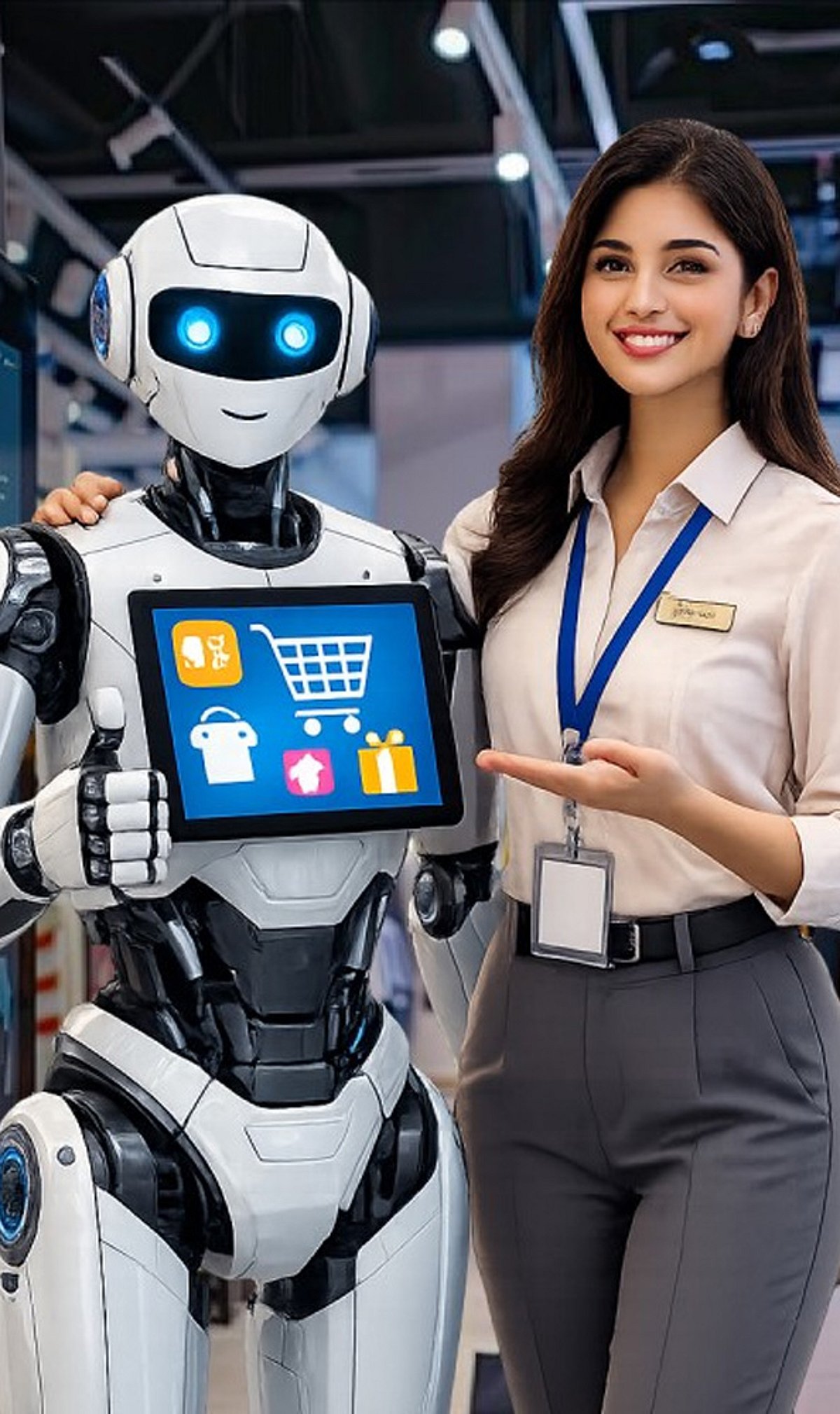
    7. AI Assistants Act Like Digital Store Staff

    Chatbots and voice assistants answer questions about products, pricing, delivery, returns, and availability in seconds. Shoppers get instant help without waiting for a human representative.

    Beyond Assistance: The Rise of Agentic Commerce

    The next major shift is AI moving from suggestion to action. Shopping agents can search, compare, build carts, and, in some cases, finalize purchases—while also handling tracking and post-purchase support. For retailers, success will depend on strong data, reliable AI tools, and human backup for complex needs. The shopping journey is becoming more automated every day, and the brands that adapt will lead the next era of retail.