Tag: Visa

  • Velocity Secures $10M Extension as Visa and Circle Join Its Stablecoin Infrastructure Push

    Velocity Secures $10M Extension as Visa and Circle Join Its Stablecoin Infrastructure Push

    Velocity, a London-based stablecoin payments startup, has added $10 million to its Series A round, bringing the total to $48 million. The extension was joined by Visa Ventures, Circle Ventures, and Ripple, alongside three other investors. The funding will support the company’s infrastructure for enterprise treasury, settlement, and liquidity operations using stablecoins.

    The latest raise comes just over two months after Velocity announced its initial $38 million Series A on July 14, led by Dragonfly and FirstMark, with participation from Ripple. The new extension adds Visa Ventures, Circle Ventures, Haun Ventures, Translink Capital, and Mirana Ventures to the cap table.

    Velocity builds systems that allow banks, acquirers, merchants, and payment providers to integrate stablecoin settlement, liquidity, and treasury operations without replacing existing payment infrastructure. The company aims to make money movement more continuous and reduce reliance on prefunding and settlement outside traditional banking hours.

    Visa has noted that stablecoins are playing an increasingly important role in moving value across its ecosystem. Rubail Birwadker of Visa stated that companies like Velocity can help expand stablecoin use for customers and partners. Velocity founder and CEO Eric Queathem emphasized that the new investors bring valuable insight as the company scales its stablecoin infrastructure.

    With the backing of Circle Ventures and Ripple, Velocity gains investors directly tied to regulated stablecoins, payments, and institutional finance. Translink Capital adds connections to corporate and institutional partners across Asia. The company plans to use the new capital to support issuers, acquirers, payment providers, financial institutions, and merchants worldwide, connecting stablecoins with existing banking, treasury, and settlement systems.

  • Visa and ONDC Join Forces to Revolutionize Tourism Discovery in India

    Visa and ONDC Join Forces to Revolutionize Tourism Discovery in India

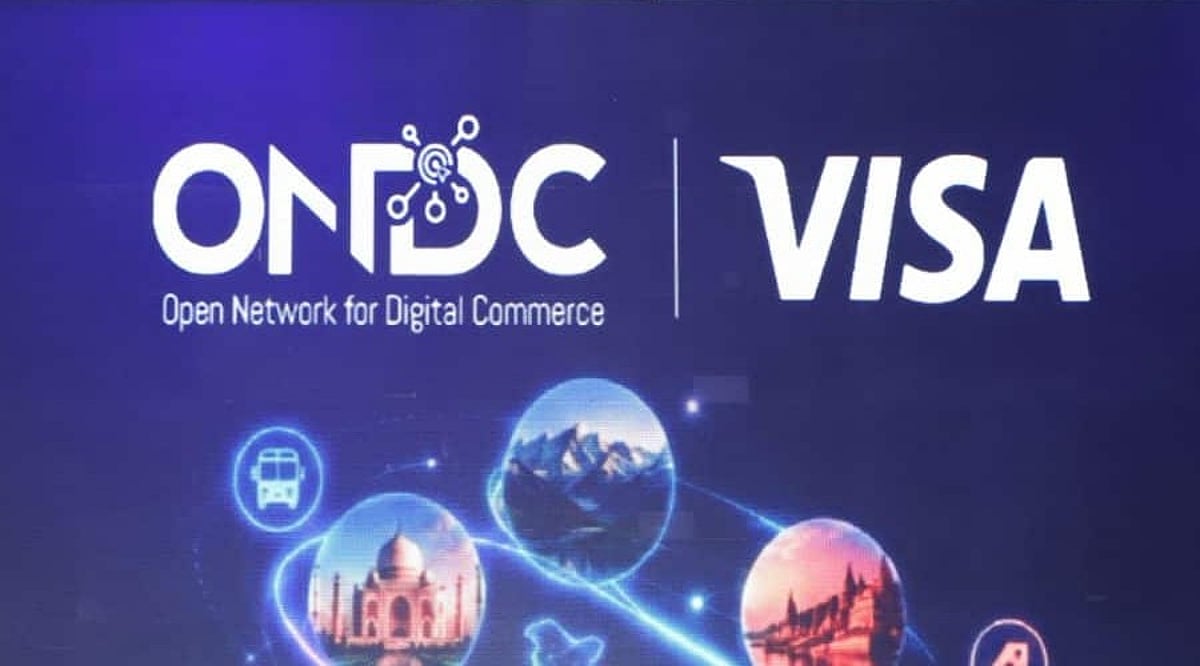
    Visa and the Open Network for Digital Commerce (ONDC) have announced plans to explore a collaboration aimed at enhancing tourism discovery and digital commerce in India. The announcement was made at the Global Fintech Festival 2026.

    The proposed partnership seeks to help travelers find destinations, tourism experiences, itineraries, and local businesses through digital channels. Visa and ONDC will assess how Visa’s digital commerce and discovery capabilities can integrate with ONDC’s open network infrastructure.

    Digital Tourism Discovery Network

    The initiative will focus on leveraging open network technology, trusted digital commerce, and digital tools to improve how travelers search for tourism services. The envisioned system could allow users to discover cities, attractions, travel plans, and businesses through connected digital services.

    Suresh Sethi, Visa Group Country Manager for India and South Asia, noted that open networks have become a vital part of India’s digital development. He emphasized that travelers increasingly expect digital tools to help plan journeys and find relevant experiences. “Tourism can be a very important asset where ONDC can serve as the digital infrastructure for tourism in the country,” Sethi said at the Global Fintech Festival 2026.

    Sethi also highlighted the growing use of digital agents to build travel plans and help users discover services. He suggested that a tourism network could bring together information about cities, travel itineraries, experiences, and small businesses in a connected digital system. “Everything related to tourism, whether discovering experiences, cities or travel itineraries, as well as small and medium businesses of the ecosystem can potentially be housed in one place,” he added.

    Connecting Travelers with Local Businesses

    ONDC views tourism as part of its broader mission to create digital markets for sellers while offering buyers more choices. The network already operates across sectors such as retail, financial services, and logistics.

    Hrushikesh Mehta, Chief Business Officer for Financial Services at ONDC, revealed that the network has processed over 500 million lifetime transactions. He explained that ONDC now sees tourism as another area where its open commerce model can connect buyers with service providers. “At ONDC, our North Star is creating markets for sellers and choice for buyers, whether it is in retail, financial services, logistics or tourism,” Mehta said.

    Mehta also noted that ONDC has received support from the Ministry of Tourism and Culture for its tourism track. However, he stressed the need for stronger participation from the demand side. “We are very keen to work with Visa to see what we can do together to make that happen and help connect travellers with the diverse experiences that India has to offer,” he stated.

    Expanding Access to India’s Tourism Services

    Under the proposed collaboration, Visa and ONDC will explore ways to connect travelers with tourism providers across different destinations and regions. They will also assess how digital discovery tools can make local tourism businesses more accessible.

    The approach could cover travel experiences, destination information, itineraries, and services offered by small and medium enterprises. It may also provide an additional digital channel for tourism operators participating in ONDC’s open network.

    Visa would contribute its digital commerce and discovery capabilities, while ONDC would provide its open network infrastructure. No launch date or detailed rollout plan has been announced yet. For now, the initiative remains in the exploration phase, with both organizations evaluating potential models for tourism discovery and digital commerce to serve domestic and international travelers across India.

  • Visa Connects On-Chain Credit with Stablecoin Card Programs to Boost Working Capital Access

    Visa Connects On-Chain Credit with Stablecoin Card Programs to Boost Working Capital Access

    Visa has introduced an on-chain credit model that links VisaNet settlement data with blockchain lending infrastructure. The initiative aims to help stablecoin-linked card programs and fintechs obtain working capital more efficiently.

    By combining payment performance data with on-chain credit markets, Visa enables lenders to assess financing needs more accurately while supporting faster and more transparent capital access. The company’s On-Chain Analytics Dashboard reveals that over $694 billion in stablecoin-denominated loans have moved through on-chain lending protocols since 2020, though most activity has remained within crypto markets. Visa now seeks to connect these lending systems with businesses reliant on payment settlement and working capital.

    Visa currently supports more than 160 stablecoin-linked card programs across its network, with payment volume on these programs growing nearly 200% year-over-year. The company’s stablecoin settlement volume has surpassed a $20 billion annualized run rate—a more than fifteenfold increase from the previous year. However, emerging payment companies often struggle to secure funding during rapid growth, as traditional lenders typically require greater scale, longer operating histories, or manual underwriting. Visa believes blockchain-based lending can address these barriers when lenders receive trusted settlement data, with smart contracts automating funding, collateral management, and repayment.

    Visa highlighted its work with Credit Coop as an early example. Credit Coop provides working capital and settlement financing for stablecoin-linked card programs through smart contracts. With customer approval, the company combines Visa settlement data with on-chain transaction records to assess credit performance and support automated settlement financing. Since 2023, this model has supported over $2.5 billion in cumulative financed settlement volume with zero defaults. The infrastructure has processed more than 3,000 borrowing events and 9,000 repayment events on-chain, creating a programmable and auditable financing record.

    This initiative extends Visa’s broader stablecoin strategy, which includes the Visa Stablecoin Platform, stablecoin settlement, expanded card programs, and digital asset services for financial institutions. Visa views on-chain credit as another bridge between traditional payment systems and digital asset infrastructure, with potential applications across lending, treasury management, and settlement services.

  • Crypto Market Update: Ethereum Reserves at Multi-Year Low, Liquid Recovers 3,400 BTC, Visa Stablecoin Volume Soars

    Crypto Market Update: Ethereum Reserves at Multi-Year Low, Liquid Recovers 3,400 BTC, Visa Stablecoin Volume Soars

    Ethereum Exchange Reserves Plunge to Multi-Year Low

    Ethereum’s supply on cryptocurrency exchanges has fallen to a fresh multi-year low as the altcoin’s price continues to strengthen against Bitcoin. According to CryptoQuant data, the total supply of Ethereum on all exchanges stood at approximately 14.88 million ETH as of Tuesday, down from around 21.30 million ETH on July 1, 2025. This represents a net withdrawal of over 6.4 million ETH over the past 14 months. Reserves on Binance, the world’s largest exchange, have also slipped to about 3.74 million ETH, the lowest level in three months.

    Liquid Sidechain Recovers 3,400 BTC After Reserve Drain

    Bitcoin’s Liquid sidechain received 3,400 BTC back into its federation wallet on September 7, following a reserve drain incident. The partial recovery restores assets backing L-BTC, the sidechain’s Bitcoin-linked token, although withdrawal access remains disrupted and public bridge nodes are still listed as experiencing a major outage. The transaction was confirmed in Bitcoin block 965950, and Blockstream’s status page continued to report an active security incident as of September 8. The self-described white-hat hackers had previously left an on-chain message asking, “Is that ok?” before returning the funds.

    Visa’s Stablecoin Settlement Volume Exceeds $20 Billion Annualized

    Visa has announced that its stablecoin settlement volume has surpassed a $20 billion annualized run rate, representing a more than 15-fold increase year over year. More than 160 stablecoin-linked card programs are now live globally in Visa’s fiscal second quarter, with payment volume on those programs jumping nearly 200% compared to the previous year. Visa noted that this growth is creating a working-capital requirement for card issuers, who must fund daily settlement obligations before collecting payments from cardholders. Some early-stage programs require only a few million dollars and settle daily, making traditional warehouse facilities less economical.

    Ethereum’s Hegota Upgrade: FOCIL Gets Top Priority

    The Ethereum Foundation’s protocol team has published its first unified technical priority list for the upcoming Hegota upgrade, classifying 62 Ethereum Improvement Proposals (EIPs). Around 60 researchers and engineers across nine teams participated in the evaluation. Notably, EIP-7805, also known as FOCIL (Fork-Choice Inclusion Lists), received the only unanimous ‘S’ rating, the highest tier of commitment for mandatory deployment. FOCIL will allow users to guarantee the inclusion of valid transactions without relying on centralized block builders, mitigating censorship risks at the consensus layer. The Hegota upgrade also lays the groundwork for native private transaction integration and quantum resistance preparation by late 2029.

    Fractal Bitcoin Halving: Block Reward Reduced to 6.25 FB

    Fractal Bitcoin has successfully completed its first halving, reducing the block reward from 25 FB to 12.5 FB. The milestone, activated on September 8 via the FIP-102 consensus upgrade, also brought forward the network’s second halving, cutting the reward further to 6.25 FB. According to a post on X, network nodes and indexing services operated normally during the first 10 minutes after activation. The proposal does not increase FB’s total supply or create a separate supply for tokens distributed through Bitcoin.

    Frequently Asked Questions

    1. How much Ethereum is currently held on exchanges?
    CryptoQuant data places Ethereum exchange reserves at about 14.88 million ETH, down from roughly 21.30 million ETH in July 2025.

    2. How much Bitcoin did Liquid recover?
    Liquid received 3,400 BTC back into its federation wallet on September 7, partially restoring reserves behind L-BTC, though bridge services remain disrupted.

    3. How large is Visa’s stablecoin settlement business?
    Visa’s stablecoin settlement volume has surpassed a $20 billion annualized run rate, with over 160 stablecoin-linked card programs live globally.

    4. What is FOCIL in Ethereum’s Hegota upgrade?
    FOCIL, or EIP-7805, is designed to improve transaction inclusion and reduce reliance on centralized block builders. It received the only unanimous top-tier rating in the Hegota technical review.

    5. What happened to Fractal Bitcoin’s block reward?
    Fractal Bitcoin’s FIP-102 upgrade reduced the block reward from 25 FB to 12.5 FB and brought forward another reduction to 6.25 FB, without increasing the token’s total supply.

    Disclaimer: This article is for informational purposes only and does not constitute financial advice. Cryptocurrency investments are risky and may result in loss of capital. Always conduct your own research before making investment decisions.

  • Jason Blackhurst: Leading Visa’s Fraud Prevention and AI-Driven Risk Solutions

    Jason Blackhurst: Leading Visa’s Fraud Prevention and AI-Driven Risk Solutions

    Early Life and Education

    Jason Blackhurst earned a degree in Business Administration from Warner Pacific University between 1995 and 1997. Before entering the corporate world, he served six years in the United States Navy, which instilled a disciplined, mission-focused leadership style that would define his career.

    Professional Career

    Blackhurst has spent over a decade at Visa, currently serving as Senior Vice President & Head of Featurespace & Acceptance Risk Solutions. He previously held the role of SVP Innovation and Strategic Partnership. From 2008 to 2015, he was SVP eCommerce Product Executive at Bank of America, and earlier held leadership positions at Vesta, Polestar Communications, and Concentrex, focusing on online banking and global operations. Following Visa’s acquisition of Featurespace in March 2025, Blackhurst succeeded retiring CEO Martina King to lead Featurespace and Acceptance Risk Solutions.

    Business Intervention in AI

    Featurespace enhances Visa’s global risk infrastructure with AI-based fraud prevention technologies, including:

    • Adaptive Behavioral Analytics: A self-learning platform that creates individual behavioral profiles and detects anomalies in real-time.
    • TallierLTM™: The world’s first generative Large Transaction Model, pre-trained on billions of transactions to uncover hidden fraud patterns, delivering a 71% improvement over industry standards.
    • Automated Deep Behavioral Networks: A deep learning architecture using recurrent neural networks to protect against scams, account takeover, and card fraud.
    • Card Fraud: Tailored for the card and payments industry; partners like TSYS reduced fraud losses by 39% and false declines by 70%.
    • Scam Detect: Addresses the growing threat of Authorized Push Payments with adaptive capabilities that keep banks ahead of fraudsters.

    Business Achievements

    Featurespace has become a globally recognized fraud prevention platform, expanding its enterprise footprint through Visa’s ecosystem. It reinforced its Cambridge, UK presence with a six-year office lease and broadened transit payments via Visa Ready for Transit, partnering with multiple technology providers for contactless public transport payments worldwide.

    Controversies

    No serious public controversies have been associated with Jason Blackhurst. He has built a reputation as a steady, experienced operator across banking, e-commerce, and payment risk technology, culminating in his current leadership of Featurespace within Visa’s global risk and identity solutions portfolio.

  • Visa Layoffs 2026: 2,600 Jobs Cut Globally as Company Shifts Focus to AI

    Visa Layoffs 2026: 2,600 Jobs Cut Globally as Company Shifts Focus to AI

    Visa has announced the elimination of 2,600 positions worldwide, representing approximately 7% of its global workforce, as part of a strategic pivot toward artificial intelligence. The layoffs, which began on July 29, primarily affect technology and product teams, with India—home to over 3,500 Visa employees across Bengaluru, Mumbai, Chennai, and Hyderabad—experiencing significant cuts.

    Employees in India reported receiving sudden layoff emails between 4 a.m. and 5 a.m., with one team losing 10 of its 28 members. Senior staff and managers were not spared. The company has not disclosed the exact number of Indian employees affected in this round, but the move underscores a broader trend of multinational corporations reallocating resources from traditional tech roles to AI-driven initiatives.

    CEO Ryan McInerney has emphasized the role of agentic AI systems that can perform tasks with minimal human intervention, signaling a shift in how Visa’s technology teams will operate. The company aims to reduce costs and redirect investments toward higher-growth areas, with AI at the center of its strategy.

    Former Visa employee Arnab Das shared his experience on X, stating, “My entire team at Visa just got laid off, including my manager.” He noted that his former manager had strong performance reviews and had owned a product from start to finish. The incident highlights growing anxiety among tech workers about AI’s impact on job security.

    The Visa India layoffs add to mounting concerns in the country’s technology sector, where companies like Oracle, Volkswagen, and others have also trimmed staff while increasing AI investments. The trend suggests that technology workers may need to acquire new skills as organizations reshape their workforces around automation and machine learning.

  • Top Crypto Cards in India for 2026: A Comprehensive Buyer’s Guide

    Top Crypto Cards in India for 2026: A Comprehensive Buyer’s Guide

    Cryptocurrency cards have become a practical payment option for many users in India. These cards bridge digital assets with everyday spending, allowing quick payments at stores, restaurants, travel websites, and online platforms that accept Visa or Mastercard. Instead of selling crypto through an exchange before every purchase, cardholders can complete transactions with a single swipe or tap. This simple process saves time and offers greater convenience.

    The Indian market now offers several crypto card options with different rewards, supported assets, fees, and spending limits. Some cards focus on cashback in cryptocurrency, while others provide travel benefits, premium memberships, or lower conversion charges. A careful comparison helps cardholders select a card that matches personal spending habits and financial goals.

    How Cryptocurrency Cards Work

    A cryptocurrency card links to a crypto wallet rather than a traditional bank account. The wallet stores digital assets such as Bitcoin, Ethereum, or stablecoins. At the time of payment, the card provider converts the selected cryptocurrency into local currency. The merchant receives the payment in Indian Rupees or another supported currency, while the crypto balance decreases by the purchase amount.

    Most providers also offer mobile applications with balance tracking, transaction history, security controls, and asset management. Many cards allow users to switch between different cryptocurrencies before a transaction. This feature adds flexibility without extra steps during checkout.

    Key Features That Matter

    The popularity of crypto cards can largely be attributed to the incentives users get for using them. Several companies offer crypto cards that provide a percentage of every retail transaction as digital currency rather than traditional cashback. Over time, such tokens can significantly increase the user’s cryptocurrency balance without any additional investments.

    Equally important is the security provided by modern crypto cards. Most come with two-factor authentication, instant card freezing options, biometric login, and transaction alerts. These features reduce the chances of illicit transactions and enhance the security of crypto wallet activities.

    Another crucial factor is the supported cryptocurrency. Some cards support only a few digital currencies, while high-end cards support various coins and stablecoins. A greater variety enables users to spend their currencies more flexibly.

    Best Cryptocurrency Cards Available in India

    Several international crypto card providers continue to serve eligible Indian users through digital platforms.

    • Crypto.com Visa Card – Popular for attractive crypto rewards, airport lounge access for premium tiers, and support for multiple cryptocurrencies. Higher reward levels usually require larger platform token holdings.
    • Bybit Card – Gained attention with competitive cashback offers, virtual card support, and a simple mobile interface. Smooth crypto management for active traders and frequent users.
    • RedotPay Card – Expanded rapidly across regions. Supports direct crypto spending with competitive conversion rates and multiple digital assets. Straightforward account setup and broad payment acceptance.
    • Wirex Card – Attracts customers with flexible crypto spending, instant currency exchange, and reward programs. Supports both traditional currencies and digital assets.
    • Bitget Card – Targets regular crypto users with multi-currency support, quick wallet integration, and secure payment controls through its mobile app.

    Advantages of Crypto Cards

    Crypto cards simplify daily spending without repeated manual conversions. Grocery shopping, hotel reservations, subscription payments, and travel bookings become easier with direct wallet access. Fast payments reduce delays and create a familiar payment experience.

    Reward programs add another layer of value. Crypto cashback allows users to collect digital assets after each eligible purchase. Over time, frequent spending can build a meaningful crypto balance.

    International travel also becomes more convenient with many crypto cards. Several providers support global payment networks, enabling smooth transactions across multiple countries. Travelers also benefit from lower foreign exchange costs on selected cards.

    Important Points Before Choosing a Card

    Before applying, carefully review supported regions, as service availability can change according to local regulations. Verification requirements differ across providers and often include identity checks before card activation.

    Reward structures deserve close attention. Some cards advertise high cashback rates but require premium subscriptions or platform token staking. Review eligibility conditions to avoid unexpected limitations.

    Security standards should remain a top priority. Strong authentication methods, quick account recovery options, and reliable customer support create a safer experience for digital asset holders.

    Spending limits also matter. Daily transaction caps, ATM withdrawal limits, and monthly purchase limits vary across providers. A card with suitable limits supports smoother financial management.

    Future of Cryptocurrency Cards in India

    The crypto payment sector continues to evolve with stronger technology and better user experiences. More providers now focus on faster settlements, lower transaction costs, and broader cryptocurrency support. Mobile applications also improve with smarter security tools and advanced wallet management.

    Regulatory developments may influence future availability and features within the Indian market. Card providers continue to adapt their services to meet changing compliance standards while expanding payment options for digital asset users.

    Final Thoughts

    Cryptocurrency cards have become an important bridge between digital assets and everyday spending. Strong security, competitive rewards, broad cryptocurrency support, and transparent fee structures separate the best options from ordinary alternatives. Crypto.com Visa Card, Bybit Card, RedotPay Card, Wirex Card, and Bitget Card stand among the leading choices for eligible users in India during 2026. A detailed comparison of features, costs, and supported services helps every cardholder select an option that delivers long-term value and a smooth payment experience.

    Frequently Asked Questions

    What is a cryptocurrency card?

    A cryptocurrency card is a payment card linked to a crypto wallet that converts digital assets into local currency during transactions.

    Can cryptocurrency cards be used for daily purchases in India?

    Yes, eligible crypto cards can be used for everyday payments at merchants, websites, and platforms that accept supported card networks.

    Which cryptocurrency cards are popular in India in 2026?

    Popular options include Crypto.com Visa Card, Bybit Card, RedotPay Card, Wirex Card, and Bitget Card, depending on availability and eligibility.

    Do crypto cards offer cashback or rewards?

    Many crypto cards provide rewards in cryptocurrency, including cashback programs, loyalty benefits, or premium features based on usage levels.

    What should users check before choosing a crypto card?

    Users should review supported regions, fees, security features, supported assets, transaction limits, and reward conditions before applying.


  • Visa Reduces Workforce by 7% to Redirect Resources Toward AI Development

    Visa Reduces Workforce by 7% to Redirect Resources Toward AI Development

    Visa has announced a significant restructuring that will see approximately 7% of its global workforce laid off, affecting around 2,600 jobs. The payments giant is shifting its focus toward artificial intelligence, altering the engineering talent it seeks to hire.

    Unlike typical layoffs that target administrative or support roles, Visa’s cuts are concentrated in its core technology and product divisions. Software engineers, platform architects, and digital product teams—those responsible for building and maintaining the company’s core services—are the most impacted.

    The move is not purely about cost reduction. CEO Ryan McInerney explained in a memo that AI is accelerating how work is done at Visa, and the company is reallocating funds from traditional software projects to AI development. As AI tools become more capable of writing, testing, and reviewing code, the need for routine coding roles diminishes. Instead, Visa is seeking engineers skilled in building and managing AI-based systems.

    AI Skills Are Replacing Routine Coding

    The demand for software engineers is evolving. Companies still need engineers, but they now prioritize different competencies. Knowledge of AI tools, prompt engineering, AI integration, and system design is becoming more valuable than basic coding alone. Many routine tasks can now be handled by AI, so engineers who can collaborate with AI are likely to enjoy better career prospects. Experts emphasize that learning AI-related skills is becoming essential for anyone planning to stay in the software industry.

    Adapting Will Matter More Than Ever

    Visa’s latest layoffs highlight how rapidly the tech job market is changing. Companies are not halting hiring entirely—they are seeking a different set of skills. For software engineers, this serves as a reminder to continuously learn. Those who understand AI and can apply it in real-world projects will be in a stronger position as the industry evolves.

  • Glomo Achieves Visa Principal Membership, Becoming India’s First Non-Bank Acquirer on the Network

    Glomo Achieves Visa Principal Membership, Becoming India’s First Non-Bank Acquirer on the Network

    Glomo, a regulated payment service provider based at GIFT IFSC in Gujarat, has announced that it is now a Visa Principal Member. This milestone makes Glomo the first non-bank acquirer in India and the first GIFT IFSC-licensed payment service provider to join the Visa network directly.

    With this membership, Glomo can process Visa-powered card payments for merchants on its platform without relying on intermediary acquirers. This direct access gives the company greater control over transaction approvals, fraud monitoring, risk management, and dispute handling through Visa’s infrastructure. The move is expected to accelerate merchant onboarding and payment processing, particularly for businesses with cross-border needs such as exporters, AI platforms, SaaS companies, financial services firms, and educational platforms.

    Benefits for Merchants and the Payments Ecosystem

    The direct acquiring arrangement reduces the number of intermediaries in cross-border card payments, which often create friction in settlement, approvals, and risk management. For merchants, this translates into more predictable settlement times, improved payment performance, and a smoother experience as they expand internationally. Glomo also plans to use its membership to enhance card infrastructure capabilities, including the development of issuing products.

    Akash Arun, Founder and CEO of Glomo, commented: “Cross-border card payments often pass through multiple intermediaries, which can create friction across settlement, transaction approvals, risk management and dispute handling. Becoming Visa’s Principal Member gives us direct control over these critical parts of the payment chain. For merchants, this can translate into more predictable settlement, improved control over payment performance and a more consistent experience as they expand across markets. It is also an important validation of the financial infrastructure being built at GIFT IFSC.”

    Rishi Chhabra, Country Manager for India at Visa, added: “We are pleased to welcome Glomo as a Principal Member of the Visa network. As Indian businesses expand across borders, trusted and secure payment infrastructure becomes critical to enabling commerce that is seamless, reliable and resilient. Visa’s global payments network, built on decades of trust, security and scale, will play a crucial role in supporting this evolution.”

    Strategic Implications for India’s Cross-Border Payments

    By managing acquiring directly, Glomo can optimize merchant onboarding, payment processing, settlement, and risk policies. It also helps reduce unnecessary foreign exchange conversion costs and limitations associated with intermediary-led processing. The announcement comes at a time when more Indian businesses are seeking robust payment infrastructure that can handle multiple currencies, banking systems, and regulatory requirements.

    About Glomo

    Glomo (Glomo Payments IFSC Private Limited) is the first regulated payment service provider at GIFT City, building financial infrastructure for global businesses. It offers a unified platform for collecting, holding, disbursing, and managing funds across multiple currencies. The platform integrates global payments, payouts, treasury management, identity verification, AML screening, and outward remittance through a single compliance-first stack. Glomo partners with over 18 large banks and non-banks to provide superior payment capabilities to enterprise customers. Authorized by IFSCA and PCI-DSS certified, Glomo is designed for businesses that need compliant, programmable cross-border money movement.

    For more information, visit www.glomopay.com.

  • Bitcoin ETF Inflows Hit $79M, Visa Launches Stablecoin Platform, Polygon Adds 107K Holders in a Month

    Bitcoin ETF Inflows Hit $79M, Visa Launches Stablecoin Platform, Polygon Adds 107K Holders in a Month

    The crypto market saw a flurry of activity as Bitcoin spot ETFs recorded $79.15 million in net inflows, Visa introduced its Stablecoin Platform for financial institutions, and Polygon added over 107,000 new holders in just one month. Meanwhile, BitPay secured regulatory approval under the EU’s MiCA framework, and prediction market platform Kalshi hit a record $217.98 million in daily crypto contract volume.

    Bitcoin Spot ETFs See $79.15 Million in Inflows

    According to data from SoSoValue, Bitcoin spot ETFs recorded a total net inflow of $79.15 million on July 16. BlackRock’s IBIT led the pack with $33.44 million in daily net inflows, bringing its historical net inflow to $60.35 billion. Fidelity’s FBTC followed with $30.73 million, pushing its total historical net inflow to $9.97 billion. The combined net asset value of all Bitcoin spot ETFs now stands at $77.72 billion, with an ETF net asset ratio of 6.04% and historical cumulative net inflows reaching $51.22 billion.

    Visa Launches Stablecoin Platform for Institutions

    On July 16, Visa announced the Visa Stablecoin Platform (VSP), a new enterprise offering designed to help banks, fintechs, and payment providers integrate on-chain settlement without building their own infrastructure. The platform provides access to OpenUSD, a stablecoin launched by Open Standard with participation from over 140 institutions. VSP addresses the operational challenge of stablecoin adoption by offering pre-built wallet infrastructure via a Wallet-as-a-Service model, direct minting and burning of OpenUSD, and seamless connectivity to Visa’s settlement and treasury systems.

    Polygon Holders Surge 78% in One Month

    Polygon (POL) saw its holder count jump from 138,000 to 245,000 in just 30 days, adding more than 107,000 new wallets—a 78% increase. This growth was driven by rising payment activity on the network. Monthly Crypto Card Volume surged over 122% to a record high, with more than $30.5 million processed so far, compared to $13.69 million in June.

    BitPay Receives MiCA Approval in the Netherlands

    BitPay has secured authorization under the European Union’s Markets in Crypto-Assets (MiCA) framework through its Dutch subsidiary, BitPay B.V., from the Dutch Authority for the Financial Markets (AFM). This approval allows BitPay to offer regulated digital asset services—including payment acceptance and stablecoin transactions—across all EU member states via MiCA’s passporting rules. Thom de Jong, BitPay’s Chief Compliance Officer for Europe, emphasized that the authorization strengthens the company’s ability to serve EU businesses and consumers while reinforcing its compliance-focused approach.

    Kalshi Crypto Contract Volume Hits Record $217.98 Million

    Kalshi’s crypto event contracts set a new single-day volume record on July 15, reaching $217.98 million, according to Artemis data. Volume on the platform has been steadily climbing since May, rising from roughly $5 million daily on January 1 to the current record—a 44x increase in about seven months. Kalshi now controls roughly 84% of crypto-prediction volume, having overtaken Polymarket in the space.

    Frequently Asked Questions

    How much inflow did Bitcoin spot ETFs record?

    Bitcoin spot ETFs recorded $79.15 million in net inflows. BlackRock’s IBIT led with $33.44 million, followed by Fidelity’s FBTC at $30.73 million.

    What is Visa’s Stablecoin Platform?

    Visa’s Stablecoin Platform is an enterprise offering for banks, fintechs, and payment providers. It supports wallet infrastructure, OpenUSD minting and burning, and integration with Visa settlement systems.

    How many new holders did Polygon add?

    Polygon added more than 107,000 holders in one month. Its holder count rose from 138,000 to 245,000, marking a 78% increase.

    What MiCA approval did BitPay receive?

    BitPay secured authorization under the EU’s MiCA framework through its Dutch subsidiary. This allows it to offer regulated crypto payment and stablecoin services across EU member states.

    Why is Kalshi’s crypto contract volume important?

    Kalshi’s crypto event contracts hit a record $217.98 million in daily volume. The surge shows rising demand for regulated prediction-market exposure to crypto-related events.