
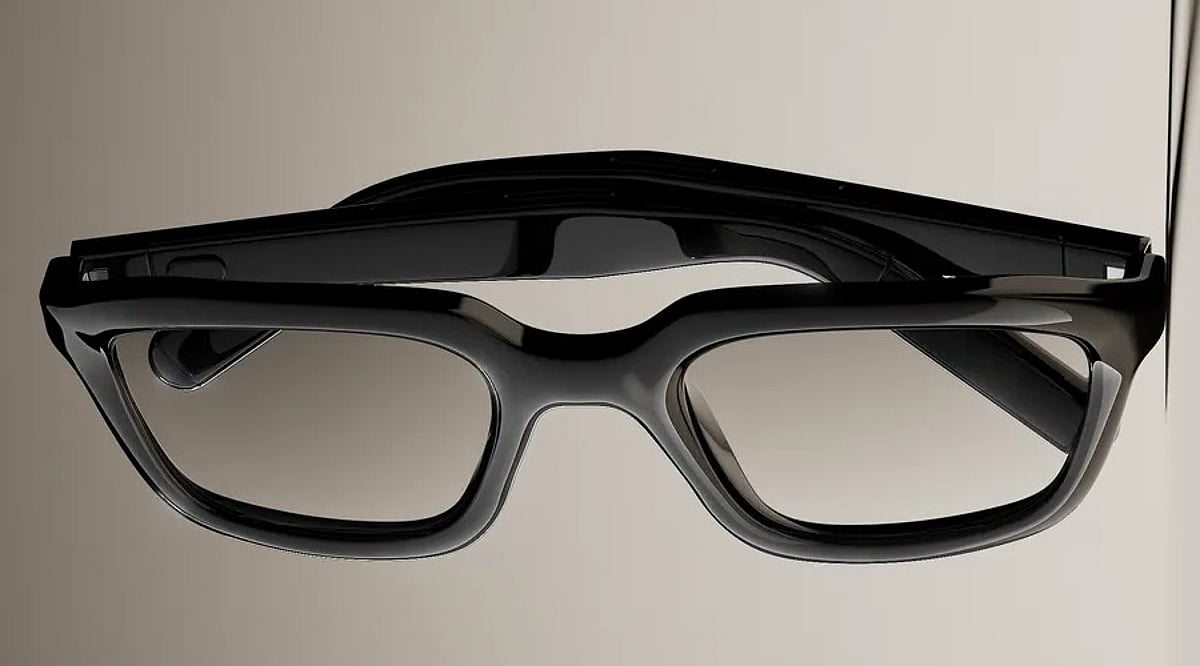
Viture has introduced the Vonder, a new pair of AI-powered smart glasses that prioritize voice interaction and privacy over cameras and displays. Designed to resemble conventional eyewear, the Vonder weighs under 30 grams and relies on microphones, speakers, and onboard processing to deliver a screen-free AI experience.
Unlike many smart glasses on the market, the Vonder does not include a camera or display. Instead, it focuses on voice-based features such as note-taking, hands-free calling, and memory recall. Audio recording is activated only when the user prompts it, and a physical Meeting Mode switch with an LED indicator provides additional control. After recording, the original audio is deleted and converted into text and memories stored in the companion app.
At the core of the Vonder is its Personal Memory Graph, an AI system that organizes captured conversations and voice interactions. Users can choose from multiple AI models through the app, including Google Gemini, Anthropic Claude, and OpenAI ChatGPT. This approach allows the glasses to provide useful context from accumulated memories rather than simply storing raw recordings.
Customization is a key selling point: buyers can select different frame shapes and finishes, and the glasses support prescription, progressive, and transition lenses. In the US, pre-orders begin on September 28 at a starting price of USD 299, with premium acetate frames starting at USD 399. Shipments are expected from November. International customers can register interest now.
Viture emphasizes data privacy, stating that user data is protected with financial-grade encryption and that the company does not sell advertising or user data. The Vonder aims to offer a discreet, everyday wearable that blends AI assistance with the look and feel of ordinary glasses.