
Tag: voice cloning

  • HeyGen Review: AI-Powered Video Creation with Avatars and Voice Cloning

    HeyGen Review: AI-Powered Video Creation with Avatars and Voice Cloning

    Overview

    HeyGen is an AI-driven video generation platform that enables users to create professional videos using lifelike AI avatars, voice cloning, and text-to-video technology. It supports multiple languages and is ideal for marketing materials, training content, and product demos—no recording equipment required.

    General Information

    • Founded: 2020
    • Platform Support: Web, Windows, macOS, Linux
    • Download: Available on the official website

    Key Features

    • Generates lifelike avatars using permission-based video samples and real-time verification.
    • Clones voiceovers for consistent narration across multiple projects.
    • AI Studio integrates scripts, avatars, voice, and screen recording into a single workflow.
    • Provides translation and dubbing for videos in different languages.
    • Enables scalable video creation for product demos, marketing, and helpdesk support.

    Benefits

    • Eliminates repetitive live recording once the avatar and voice are configured.
    • Accelerates video production through efficient AI-driven generation.
    • Maintains consistent branding with cloned voices and realistic avatars.
    • User-friendly dashboard simplifies onboarding for beginners.
    • Highly efficient for businesses that produce videos frequently.

    Challenges

    • Free plan limits users to one custom AI avatar.
    • Requires manual synchronization of narration and screen recordings.
    • AI may mispronounce product names or technical terms.
    • Careful script timing is necessary.
    • Avatar hand gestures can become repetitive.

    Subscription Plans

    HeyGen offers a free plan with limited AI videos and one avatar for testing. Paid subscriptions (Creator, Business, Enterprise) include additional video credits, extra avatars, collaboration tools, API access, advanced administration, and enterprise features.

    Support Options

    • Help Center: Documentation, tutorials, FAQs, product guides, community discussions, and learning resources.
    • Customer Support: Email support, enterprise customer success, technical assistance, onboarding support, and billing support.

    Conclusion

    HeyGen is a dependable AI-based video generation tool that offers features like AI avatars, voice cloning, script-to-video generation, and multilingual localization. It simplifies professional video creation for companies, marketers, educators, and content creators without the need for traditional recordings. While synchronization, meticulous script editing, and paid subscriptions for advanced features are considerations, HeyGen effectively meets its purpose.
  • ElevenLabs Explained: AI Voice Technology for Text-to-Speech, Voice Cloning, and More

    ElevenLabs Explained: AI Voice Technology for Text-to-Speech, Voice Cloning, and More

    ElevenLabs is an artificial intelligence company at the forefront of voice technology innovation. The platform offers a suite of tools—including text-to-speech, voice cloning, dubbing, and conversational AI—designed for creators, businesses, and developers who need natural, expressive audio.

    Text-to-Speech

    ElevenLabs converts written text into speech with realistic intonation, emotion, and pronunciation. It supports multiple languages and accents, making it easy to produce high-quality voiceovers for any project.

    Voice Cloning

    From just a short audio sample, ElevenLabs can create a digital replica of a person’s voice. With proper permissions, this enables narration, content creation, accessibility tools, and enterprise communication.

    AI Dubbing

    The platform translates and dubs videos into different languages while preserving the original speaker’s tone, style, and delivery. This helps global audiences enjoy content without losing the authentic feel.

    Speech-to-Text

    ElevenLabs also transcribes spoken audio into accurate text. This makes interviews, meetings, podcasts, and videos easier to search, edit, and repurpose.

    Conversational AI

    The conversational AI feature powers voice agents that can handle customer support, virtual assistance, and interactive dialogues with natural speech responses.

    Multilingual Support

    With support for dozens of languages, ElevenLabs allows creators and businesses to produce localized audio content without hiring multiple voice actors.

    Content Creation

    ElevenLabs is widely used for audiobooks, YouTube videos, podcasts, games, e-learning, marketing campaigns, and accessibility–focused applications across industries.

    Safety Features

    To reduce misuse, ElevenLabs includes voice verification, moderation tools, and consent–focused policies. These measures promote responsible AI voice generation while protecting users.

    For more stories like this, join our WhatsApp channel to get the latest news, exclusives, and videos.

  • Taylor Swift Files Trademarks to Shield Her Voice and Image from AI Deepfakes

    Taylor Swift Files Trademarks to Shield Her Voice and Image from AI Deepfakes

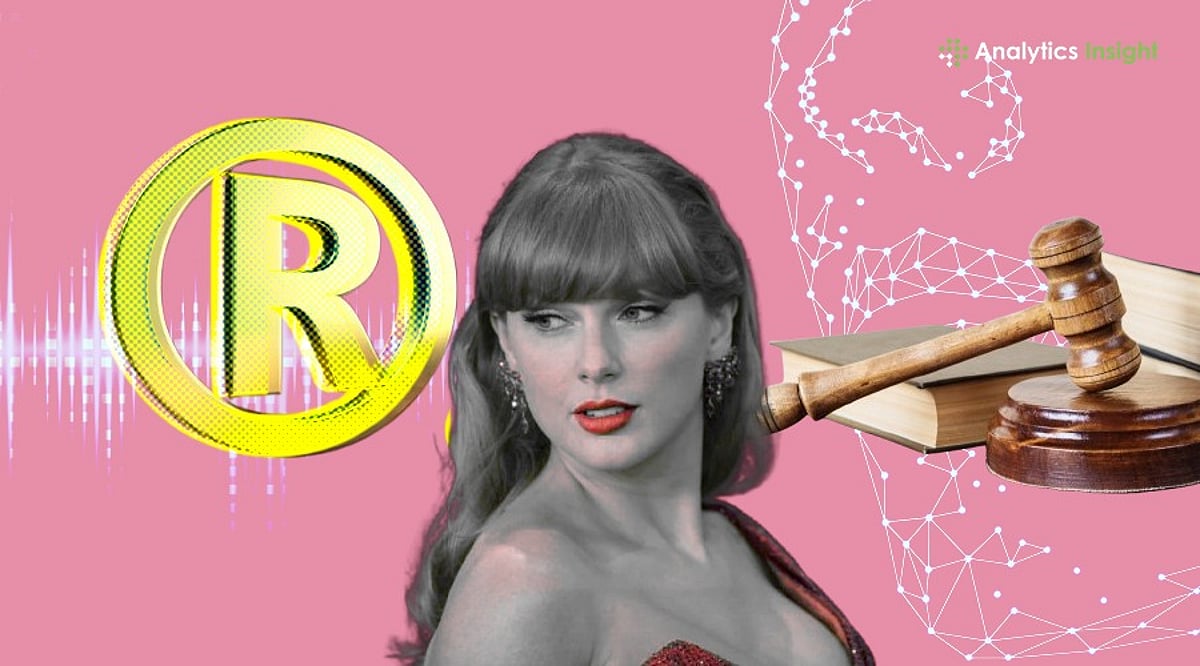
    Pop superstar Taylor Swift has submitted trademark applications for two audio clips and one photograph of herself, marking a strategic move to protect her identity from unauthorized artificial intelligence-generated deepfakes, according to a trademark attorney.

    Swift’s company, TAS Rights Management, is listed as the owner of the image and audio snippets in filings made with the US Patent and Trademark Office on Friday. The applications come amid a surge of AI-generated content that has misappropriated Swift’s voice and likeness, including explicit imagery, fake political endorsements, and deceptive advertisements.

    One of the audio samples features Swift saying, “Hey, it’s Taylor Swift, and you can listen to my new album, ‘The Life of a Showgirl,’ on demand on Amazon Music Unlimited.” The photograph she is seeking to trademark shows her performing live in a sequined costume while holding a pink guitar.

    Trademark attorney Josh Gerben, who first reported the filings on his blog, explained that these applications “are specifically designed to protect Taylor from threats posed by artificial intelligence.” He noted that while existing ‘Right of Publicity’ laws offer some protection against unauthorized use of a famous person’s likeness, “trademark filings can offer an additional layer of protection.”

    Gerben highlighted that registering a celebrity’s voice as a trademark is a novel legal strategy that has not yet been tested in court. Traditionally, vocalists have relied on copyright laws to safeguard their recorded songs. However, AI technologies now allow users to generate entirely original content that mimics an artist’s voice without copying an existing recording, creating a legal gap that trademarks might help fill.

    Similarly, the image Swift is attempting to trademark serves a comparable purpose. “Swift’s team may gain additional grounds to pursue claims against manipulated or AI-generated images that evoke her likeness by protecting a distinctive visual, down to Swift’s frequently worn jumpsuit and pose,” Gerben wrote.

    Actor Matthew McConaughey has already secured similar trademark protections. “We want to create a clear perimeter around ownership with consent and attribution the norm in an AI world,” McConaughey told the Wall Street Journal in January.

    If successful, Swift’s approach could establish a new legal standard for how public figures protect their likenesses in the age of AI, potentially shaping the future legal framework for combating AI impersonation in the entertainment industry.