
Tag: Volkswagen Group

  • The Massive Conglomerates That Own the World’s Most Iconic Brands

    The Massive Conglomerates That Own the World’s Most Iconic Brands

    Many of the world’s most beloved brands are actually owned by a small group of massive parent companies. These conglomerates control thousands of products that consumers purchase every day, from food and beverages to household goods and digital services.

    Nestlé, the Swiss food and beverage giant, owns household names such as Nescafé, KitKat, Purina, and Gerber, making it one of the largest food companies globally.

    Procter & Gamble (P&G) dominates household and personal care with brands like Tide, Pampers, Gillette, Ariel, and Head & Shoulders.

    Unilever, a British-Dutch multinational, oversees Dove, Vaseline, Knorr, Hellmann’s, and Ben & Jerry’s, operating in over 190 countries.

    PepsiCo is a global leader in snacks and beverages, owning Pepsi, Lay’s, Doritos, Quaker, and Gatorade.

    In the tech world, Alphabet controls Google, YouTube, Fitbit, and Waymo, while Meta owns Facebook, Instagram, and WhatsApp. Amazon has expanded into diverse sectors with Whole Foods, Twitch, Ring, and Audible, and Disney manages Marvel, Pixar, Star Wars, and ESPN.

    Automotive giant Volkswagen Group includes Audi, Porsche, Bentley, and Lamborghini, while luxury conglomerate LVMH holds Louis Vuitton, Dior, Bulgari, and Moët & Chandon.

    Altogether, these parent companies collectively control nearly 1,500 brands, shaping prices, competition, and the products consumers buy every day. Understanding these corporate structures reveals just how concentrated the global marketplace has become.
  • Bentley Confirms Torcal Electric SUV for September 2026 Global Debut

    Bentley Confirms Torcal Electric SUV for September 2026 Global Debut

    Bentley has officially announced that its first fully electric production model will be called the Torcal, an electric SUV set to debut globally in London on September 23, 2026. The new model expands Bentley’s lineup with a dedicated EV line while maintaining the brand’s signature luxury and craftsmanship.

    Name and Inspiration

    The Torcal name draws from El Torcal de Antequera in Andalusia, Spain, a natural landmark known for dramatic limestone rock formations, cliffs, and caves. This continues Bentley’s tradition of naming models after iconic natural sites—following the Bentayga, Bacalar, and Batur. The name also echoes the Latin word ‘torquere’ (to twist), hinting at the torque performance inherent to electric drivetrains.

    Positioning and Platform

    Bentley describes the Torcal as a ‘Luxury Urban SUV,’ smaller than the current Bentayga, and aimed at city-oriented luxury buyers. It will become the brand’s fourth main model line, joining the Continental GT, Flying Spur, and Bentayga families. Underpinning the Torcal is an advanced electric platform linked to Volkswagen Group’s Premium Platform Electric (PPE), which is also expected to underpin the upcoming Porsche Cayenne Electric. An 800-volt electrical architecture supports fast charging, with Bentley claiming the ability to add approximately 160 kilometers of range in just seven minutes under optimal conditions.

    Design and Technology

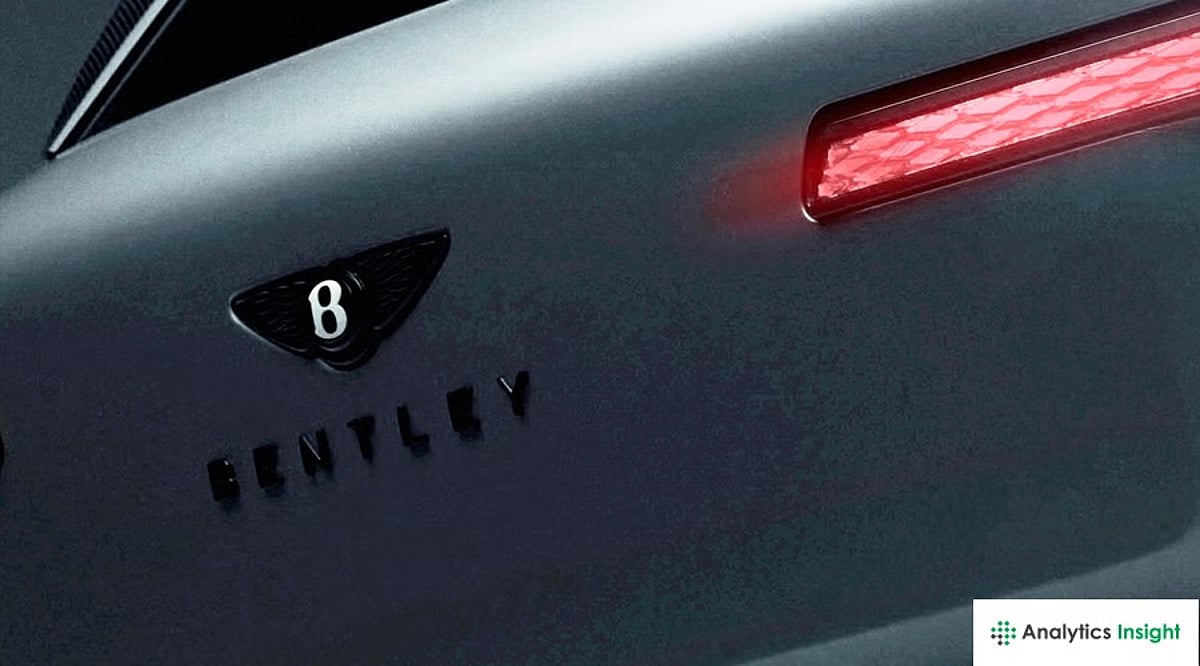
    Initial teaser images reveal a sleek SUV profile with a long roofline, slim rear lighting, and a black Bentley badge. The front end is expected to feature a closed grille design typical of EVs, along with illuminated detailing and a large curved central screen inside. While Bentley has not shared full specifications, industry reports indicate a dual-motor all-wheel-drive setup with a battery pack around 113 kWh, targeting more than 300 miles of range. Official figures will be confirmed at the September unveiling.

    Timeline and Future Plans

    The Torcal is a cornerstone of Bentley’s Beyond100+ strategy, which aims for a fully electric lineup by 2035. Market launch dates, final pricing, and detailed performance data remain under wraps until the global debut.