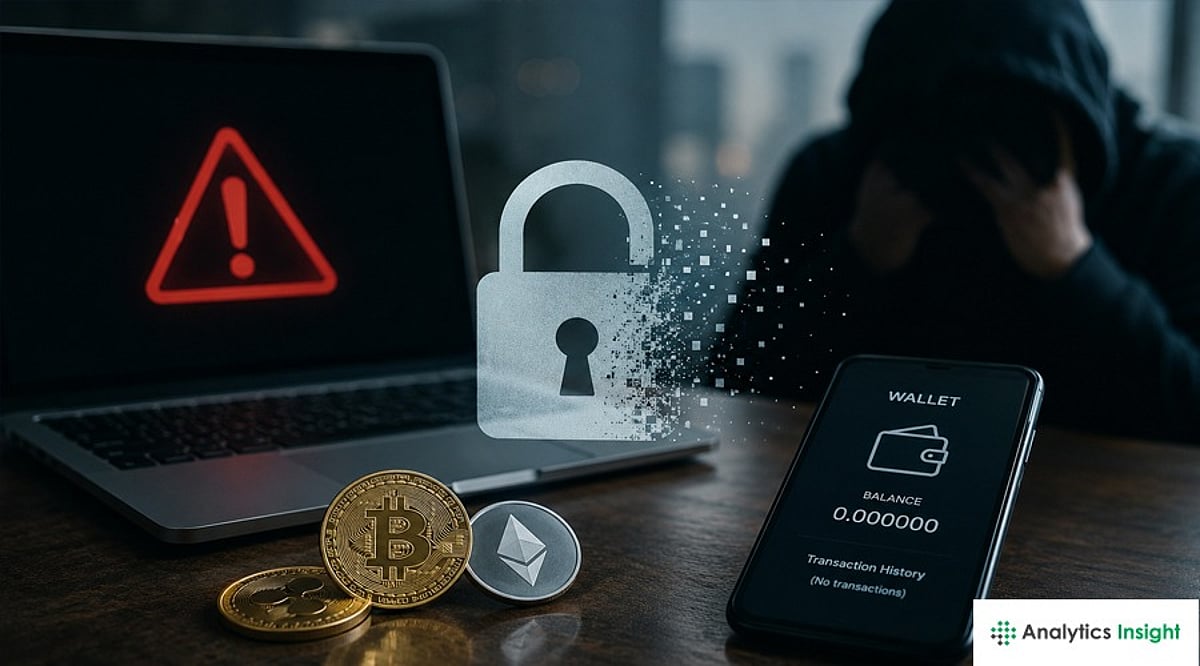
Beginners can use cryptocurrency safely, but it is not as safe as a regular bank account or paying by card. Even though public blockchains continue to operate reliably, people still lose funds due to scams, compromised wallets, hacked sites, malicious smart contracts, or simple transfer mistakes.
Crypto Theft Remains Significant
In 2026, security threats remain substantial. According to TRM Labs, cybercriminals stole USD 972 million through 207 crypto hacks in the first half of 2026. The number of incidents more than doubled from 83 in H1 2025, while total losses fell from USD 2.3 billion. Operational and structural breaches accounted for almost 76% of stolen amounts, although they represent only around 15% of incidents.
Scams Are an Even Bigger Beginner Risk
Chainalysis estimates that crypto scams received at least USD 14 billion on-chain in 2025 and could exceed USD 17 billion as additional illicit addresses are identified. Impersonation scams grew more than 1,400% year-over-year, while scams with links to AI tools generated 4.5 times more revenue per operation than those without such links.
The FBI’s 2025 Internet Crime Report provides another warning. Americans submitted 181,565 complaints involving cryptocurrency, reporting more than USD 11 billion in losses. Cryptocurrency investment fraud alone accounted for approximately USD 7.2 billion.
Custodial vs Self-Custody Wallets
Beginners hold crypto through custodial exchanges or self-custody wallets. A custodial platform manages private keys for users, simplifying access and recovery but creating dependence on the company’s security, solvency, and withdrawal policies.
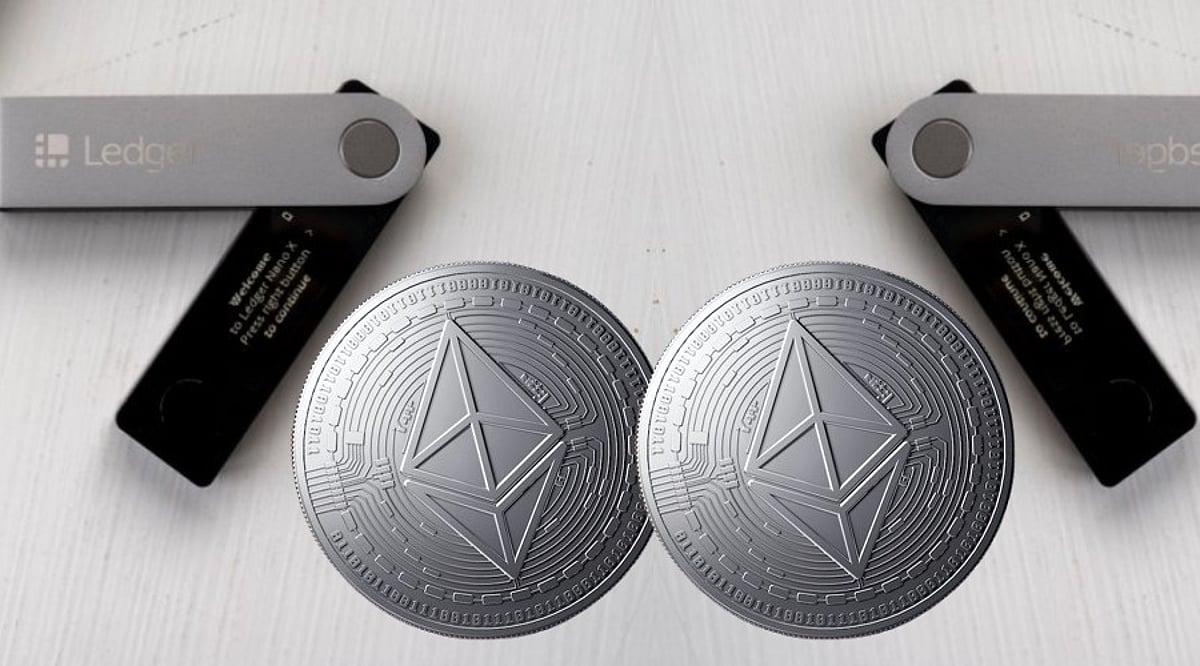
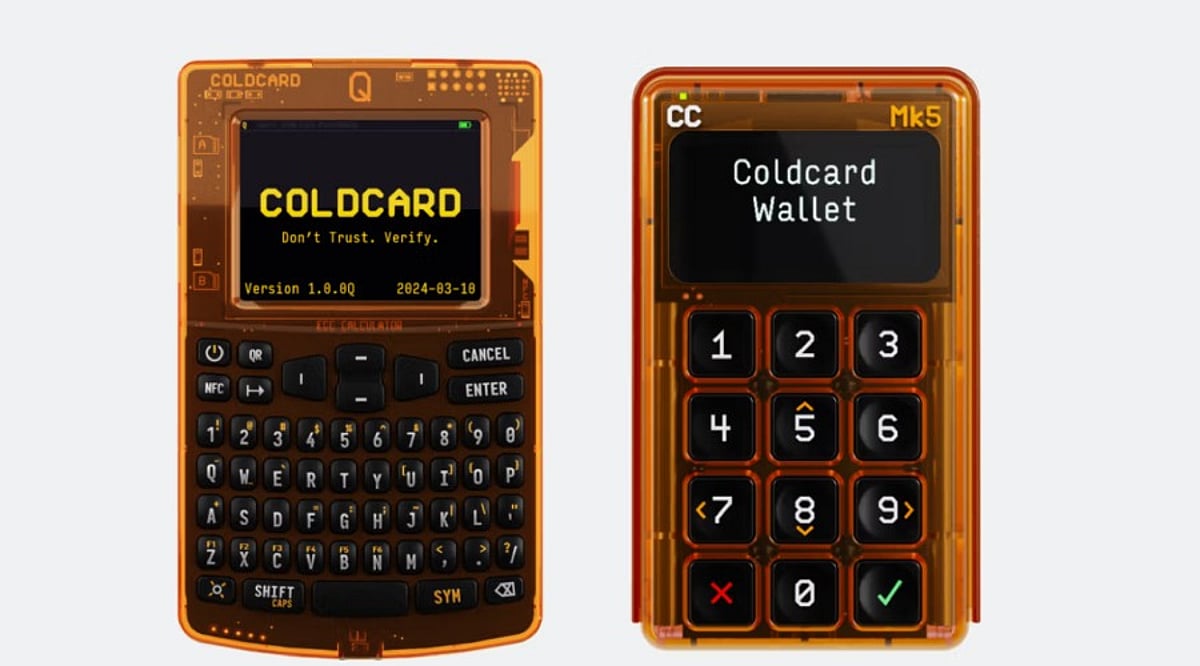
Self-custody gives users direct control of their keys. That removes some counterparty risk, but losing a recovery phrase or exposing a private key can permanently compromise access.
Transactions Can Be Irreversible
Blockchain transactions generally cannot be reversed by customer support. If a user mistakenly sends money to the wrong address, uses an incompatible network, or approves a fraudulent transaction, they risk losing money permanently.
To prevent financial loss, beginners must double-check addresses and networks, do a test transaction for larger transfers, and not copy wallet addresses from unreliable sites.
Basic Security Makes a Difference
Users need to use strong authentication, check exchange and wallet software, protect recovery phrases by storing them offline, and refrain from revealing their private keys. Requests for investment schemes with guaranteed profits and messages asking to move conversations to more private platforms should be treated with caution.
The FBI indicates that fraud victims should cease sending money and report their case immediately. Crypto security is based on technology and behaviour. Beginner users are accountable for custody decisions, transaction verification, and fraud detection, which makes knowledge about security as important as knowledge about the value of crypto coins.
Final Thoughts
Cryptocurrency can be used by beginners. However, record hack counts and multibillion-dollar fraud losses show that risks remain significant. Starting with small amounts, understanding custody, and applying basic security practices can reduce avoidable exposure.
Frequently Asked Questions
1. Is cryptocurrency safe for beginners to use?
Cryptocurrency can be used by beginners, but it carries significant security and financial risks. Users need to understand wallet security, scams, and irreversible transactions before transferring or investing substantial amounts.
2. How much cryptocurrency was stolen through hacks in 2026?
According to TRM Labs, attackers stole approximately USD 972 million across 207 incidents during H1 2026. Although losses declined from H1 2025, the number of recorded incidents more than doubled.
3. What is the difference between custodial and self-custody wallets?
A custodial wallet relies on a company to manage private keys, while self-custody gives the user direct control. Self-custody reduces dependence on intermediaries but places responsibility for protecting keys and recovery phrases on the owner.
4. Can a cryptocurrency transaction be reversed if I make a mistake?
Blockchain transactions are generally irreversible once confirmed. Sending cryptocurrency to an incorrect address or incompatible network can result in permanent loss, which is why beginners should carefully verify transaction details before sending funds.
5. How can beginners reduce cryptocurrency security risks?
Beginners can use strong authentication, keep recovery phrases offline, verify wallet applications, and avoid guaranteed-return investment schemes. Starting with small amounts and sending test transactions before larger transfers can also reduce avoidable mistakes.
Disclaimer: This article is provided for informational purposes only and does not constitute investment advice. Cryptocurrencies are risky and may result in total loss of funds. Always conduct your own research (DYOR) before making any investment.