
Tag: warehouse automation

  • 10 Indian Logistics Startups Revolutionizing Supply Chains in 2026

    10 Indian Logistics Startups Revolutionizing Supply Chains in 2026

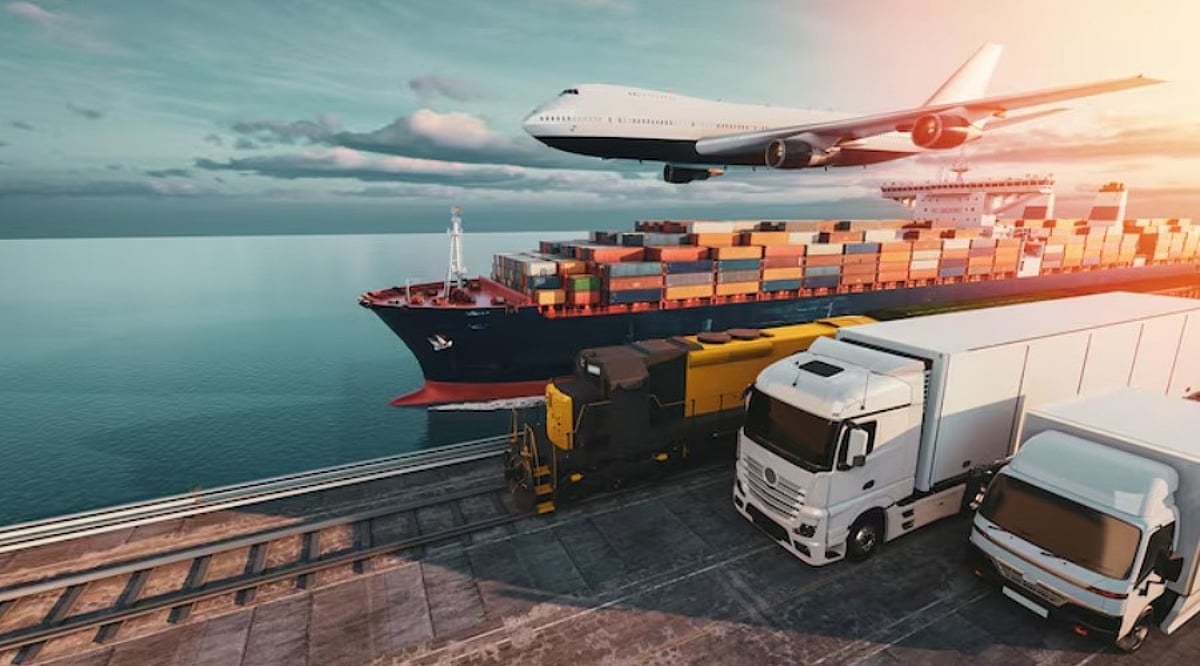
    India’s logistics sector is undergoing a profound digital transformation, driven by a wave of innovative startups. These companies are deploying artificial intelligence, robotics, automation, and real-time data to tackle long-standing challenges in freight, fleet management, warehousing, and supply-chain visibility. As e-commerce and manufacturing expand, the demand for faster, smarter, and more transparent logistics solutions has never been greater.

    Here are 10 Indian logistics startups reshaping the nation’s supply chain ecosystem:

    Motive

    Motive builds hardware and software tailored to the physical economy, with a focus on transportation and fleet operations. Its AI-powered platform addresses driver safety, GPS tracking, dispatch, compliance, fuel management, and maintenance.

    GoComet

    GoComet offers a multimodal logistics platform for enterprises, combining data science and machine intelligence. It helps reduce logistics costs through freight procurement, real-time shipment tracking, dispatch management, and documentation. The company is based in Mumbai and Singapore.

    Botsync

    Botsync develops autonomous mobile robots (AMRs) and software for material movement in factories and warehouses. Its solutions make industrial automation flexible and easy to deploy.

    CargoFL

    Based in Pune, CargoFL creates an AI-driven technology ecosystem for logistics. The startup integrates software, data, and machine learning to improve transportation and supply-chain operations.

    Shipthis

    Shipthis provides software for freight forwarders, supporting air, land, sea, rail, and multimodal shipments. Its platform includes accounting, warehouse management, rate management, tracking, and customer portals, helping traditional freight businesses go digital.

    Shipmnts

    Shipmnts develops software for 3PLs, freight forwarders, and customs brokers. It addresses the complexities of global trade and multimodal transportation, covering documentation, compliance, customs, and logistics coordination.

    Senzcraft Technologies

    Senzcraft focuses on intelligent process automation, combining robotic process automation, AI, machine learning, computer vision, and conversational AI. Its solutions extend beyond physical transport to automate business processes.

    Intugine Technologies

    Intugine provides multimodal supply-chain visibility. Its platform monitors shipments across air, land, sea, and rail, and is used by over 75 large enterprises to improve efficiency and reduce costs.

    Swift

    Swift is a developer-first shipping platform that connects logistics service providers. Businesses can use its self-service interface or integrate via API, adding a technology layer to manage shipping services.

    FreightFox

    Headquartered in Bengaluru, FreightFox uses technology, data, and intelligence to address industrial freight challenges for manufacturing companies. Its platform moves logistics toward a Logistics 4.0 model.

    The Bigger Picture

    These startups represent different facets of India’s logistics transformation—from fleet optimization and freight digitization to warehouse robotics and end-to-end supply-chain visibility. The common driver is technology: better data, faster decisions, and connected systems are becoming essential. This shift matters not only for India but for global supply chains, as businesses demand greater visibility and control.

    What’s Next

    The next phase will likely see deeper integration across transportation, warehousing, inventory, and customer systems. AI, automation, robotics, and real-time tracking will become more embedded. But success will depend on demonstrating scalable, measurable improvements without adding unnecessary complexity. India’s logistics ecosystem is moving beyond traditional transportation, and these startups are helping to make software and automation a core part of the supply chain itself.
  • 2030 Robotics Forecast: Top Trends Driving the Industry’s Next Decade

    2030 Robotics Forecast: Top Trends Driving the Industry’s Next Decade

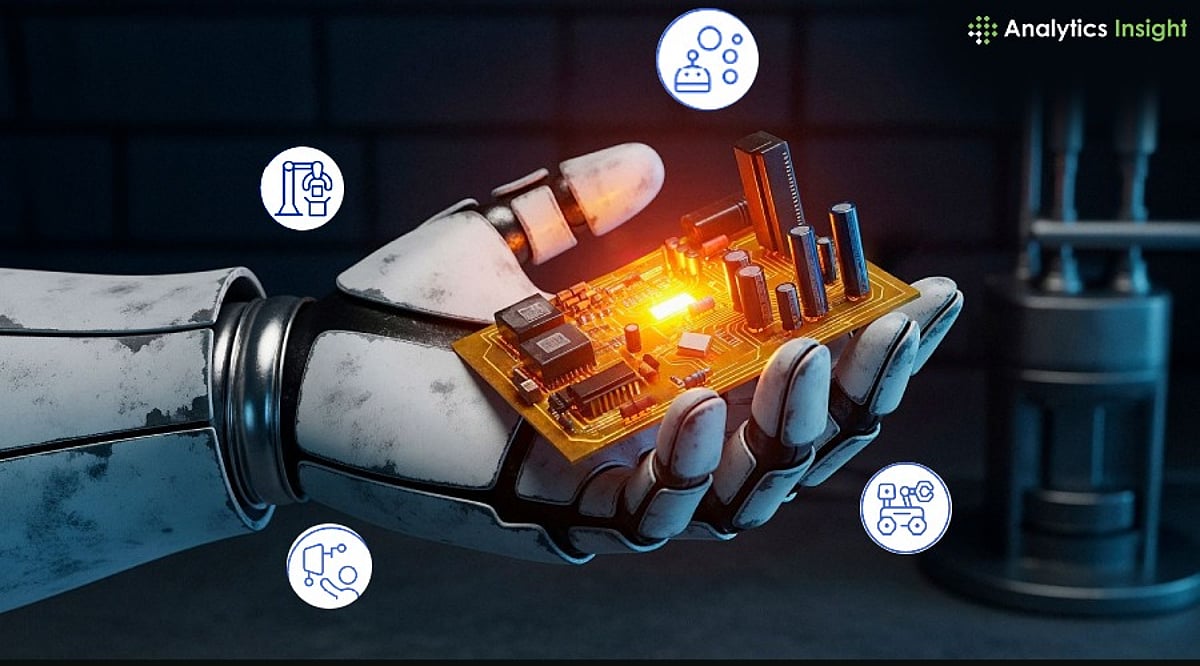
    The robotics industry is undergoing a profound transformation. No longer confined to rigid, pre-programmed tasks, modern machines are learning, adapting, and collaborating with humans at an unprecedented pace. Driven by advances in artificial intelligence, sensor technology, and declining hardware costs, the sector is poised for explosive growth. By 2030, experts predict the global robotics market will surpass $110 billion, with some estimates reaching beyond $200 billion. Here are the top ten predictions shaping the future of robotics.

    1. Humanoid Robots Become Mainstream

    Humanoid robots, designed to navigate environments built for people, are moving from research labs into commercial settings. By 2030, these machines will be common in factories, warehouses, hotels, and healthcare facilities. Industry forecasts suggest that at least one million humanoid robots could be deployed between 2026 and 2030, though specialized robots will still outperform them in many specific tasks.

    2. AI Becomes the Brain of Every Robot

    Artificial intelligence is transforming robots from simple tools into intelligent agents. Future robots will understand voice commands, recognize objects, and make real-time decisions. The intelligent robotics market is projected to grow from $13.99 billion in 2025 to $50.33 billion by 2030, a compound annual growth rate (CAGR) of 29.2 percent.

    3. Collaborative Robots Work Alongside Humans

    Collaborative robots, or cobots, are designed to operate safely with people without extensive safety barriers. Their ease of use and lower cost make them accessible to small and mid-sized businesses. With the global stock of industrial robots reaching 4.664 million units in 2024—a 9 percent increase from the prior year—automation continues to drive productivity and address labor shortages.

    4. Smart Factories Achieve Greater Autonomy

    Factories are integrating robots, sensors, cameras, and software into unified systems that can adapt to changing demand, equipment issues, or supply chain disruptions. Digital twins and machine vision enhance quality control. Asia leads this trend, accounting for 66.6 percent of the global industrial robotics market in 2024, fueled by strong manufacturing growth and automation investments.

    5. Healthcare Robots Expand Their Role

    Robots are increasingly assisting in surgery, transporting supplies, disinfecting rooms, and supporting rehabilitation. An aging population and healthcare worker shortages are driving demand. The service robotics market is expected to grow from $26.35 billion in 2025 to $131.9 billion by 2034, at a CAGR of 19.8 percent.

    6. Warehouse Automation Accelerates

    E-commerce growth is pushing warehouses to process orders faster. Autonomous mobile robots, robotic picking systems, and smart inventory tools are becoming essential. The warehouse robotics market is forecast to rise from $6.51 billion in 2025 to $25.41 billion by 2034, a CAGR of 16.8 percent.

    7. Robot Teams Tackle Complex Tasks

    Future workspaces will rely on teams of robots that share information and coordinate tasks. This approach improves resilience—if one robot fails, others can step in. Annual industrial robot installations now exceed 500,000 units, roughly double the rate from a decade ago.

    8. Edge AI Boosts Robot Performance

    Edge AI enables robots to process data locally, reducing latency and enhancing privacy. This is critical for applications in factories, hospitals, and remote locations. The industrial robotics market could reach $60.6 billion by 2030, with edge computing and AI as key drivers.

    9. Digital Twins Speed Up Development

    Digital twin technology creates virtual replicas of machines and production lines, allowing engineers to test and refine robotic systems before deployment. This reduces costs and risks. As AI advances, digital testing will become a standard part of robot development.

    10. Robotics Becomes a Massive Global Industry

    The convergence of smarter AI, cheaper hardware, and labor shortages is fueling demand across manufacturing, healthcare, logistics, agriculture, retail, and construction. The global robotics market is expected to exceed $110 billion by 2030, and with software and service robots included, could top $200 billion. Robotics is set to become one of the most lucrative and influential technology sectors of the decade.