Tag: Warner Bros

  • Gremlins 3 Sets October 2028 Release Date: Gizmo Returns in Long-Awaited Sequel

    Gremlins 3 Sets October 2028 Release Date: Gizmo Returns in Long-Awaited Sequel

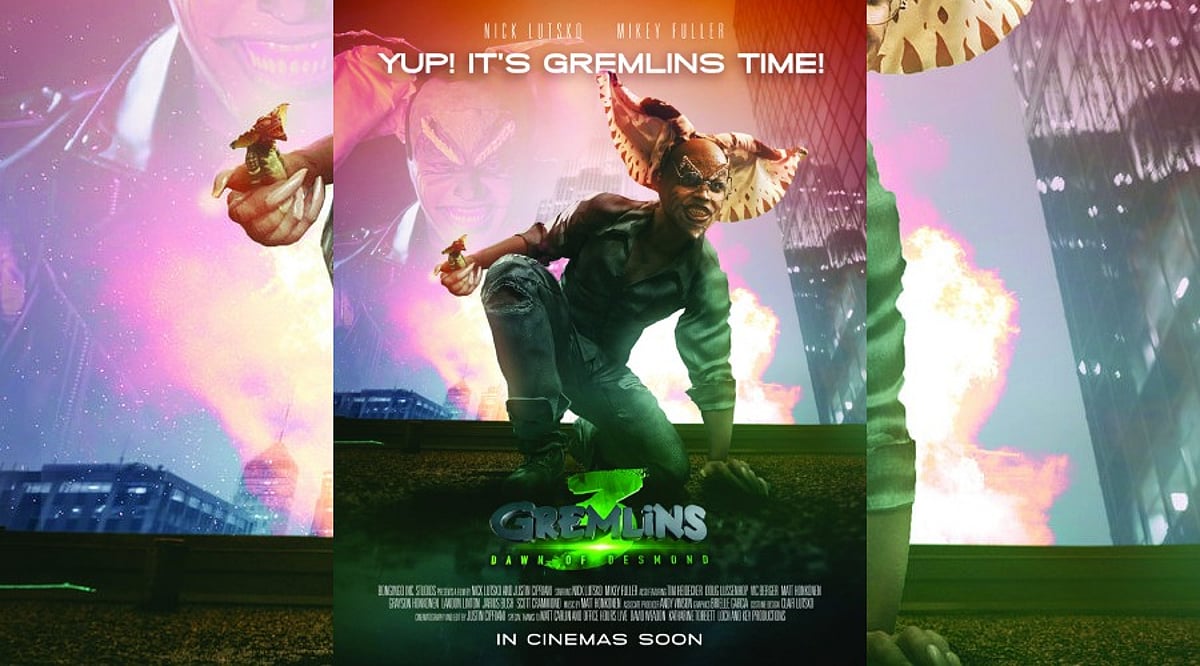
    Fans of the beloved Mogwai will need to hold on a little longer: Warner Bros. has officially pushed the release of Gremlins 3 to October 6, 2028. The news came with a brief teaser showing Gizmo peeking out from a backpack, confirming the creature’s return to the big screen after more than three decades.

    The film was originally slated for November 19, 2027. The studio did not provide a reason for the delay but used the opportunity to generate excitement by offering the first glimpse of the furry star.

    What We Know So Far

    Chris Columbus, who wrote the original 1984 film, is directing and producing Gremlins 3. Hannah Marks is writing the screenplay based on an earlier draft by Columbus, Zach Lipovsky, and Adam Stein. Steven Spielberg returns as executive producer through Amblin Entertainment and 26th Street Pictures.

    Warner Bros. has not yet revealed the full cast or plot details. It remains unconfirmed whether Zach Galligan will reprise his role as Billy Peltzer, the character he played in the first two films.

    The Legacy of the Franchise

    The original Gremlins (1984), directed by Joe Dante, followed Billy Peltzer as he received Gizmo as a Christmas gift—along with three crucial rules: avoid bright light, never get him wet, and don’t feed him after midnight. When the rules were broken, the town of Kingston Falls was overrun by mischievous and dangerous Gremlins. The film earned an 86% critic score on Rotten Tomatoes and became a cult classic for its blend of horror, comedy, and holiday charm.

    Gremlins 2: The New Batch (1990) took a more satirical turn, moving the action to a corporate skyscraper and introducing bizarre new Gremlin variants. While it earned a 71% critic score, it developed a strong cult following.

    What the New Film Could Bring

    The October 2028 release date places Gremlins 3 close to Halloween, suggesting the film might lean into the horror elements of the franchise while maintaining the comedic tone that made it distinctive. With Columbus and Spielberg involved, the sequel has a direct link to the original creative team.

    For now, Gizmo is back—but almost everything else remains a mystery. Fans will have to wait until 2028 to discover what new trouble awaits the Mogwai.

    Frequently Asked Questions

    When will Gremlins 3 be released?
    The film is scheduled for October 6, 2028, after being moved from its original November 19, 2027 date.

    Who is directing Gremlins 3?
    Chris Columbus, who wrote the original film, is directing and producing. Hannah Marks wrote the screenplay based on earlier drafts.

    Will Gizmo return?
    Yes. The teaser confirms Gizmo’s return, though Warner Bros. has not yet detailed his role.

    Will Zach Galligan return as Billy Peltzer?
    This has not been confirmed. Warner Bros. has not announced the full cast.
  • FCC Opens Door for Foreign Investors in Paramount-Warner Bros. Acquisition

    FCC Opens Door for Foreign Investors in Paramount-Warner Bros. Acquisition

    The U.S. Federal Communications Commission (FCC) has approved a request from Paramount Skydance that permits foreign investors to provide funding for its planned acquisition of Warner Bros. Discovery. This decision clears another regulatory hurdle for the massive $110 billion deal, which includes debt.

    Foreign Investors to Hold Non-Voting Equity

    Under the approved structure, foreign investors can collectively hold a substantial share of Paramount’s nonvoting equity. Major investors include the Saudi Arabia Public Investment Fund, Abu Dhabi-based L’Imad Holding, and the Qatar Investment Authority. It is expected that these international entities will hold approximately 49.5% of the company’s nonvoting shares. Meanwhile, the Ellison family and RedBird Capital Partners will maintain control of voting shares.

    The FCC also authorized certain foreign investors to increase their individual equity stakes within specified limits, subject to agency rules.

    Restrictions on Foreign Influence

    The approval comes with conditions designed to prevent foreign investors from gaining control over Paramount’s operations. According to the FCC decision, these investors will not receive voting rights or governance powers, nor can they influence management or content decisions. Additionally, they are barred from accessing nonpublic information involving U.S. citizens.

    The arrangement follows a national security review by the Committee for the Assessment of Foreign Participation in the United States Telecommunications Services Sector, commonly known as Team Telecom. Paramount argued that the additional capital would strengthen its ability to invest in broadcasting, news gathering, and content, helping the combined company compete in the global media market.

    Warner Bros Deal Still Faces Legal Hurdle

    While the FCC decision removes one obstacle, the transaction is far from complete. The proposed merger still faces legal challenges from a group of U.S. states and other parties. Although the U.S. Justice Department and regulators in several other jurisdictions have cleared the deal, litigation remains pending, with a trial expected in March 2027.

    The FCC’s ruling marks another step toward the proposed combination, but its completion still depends on the outcome of the remaining legal proceedings and other closing conditions.

  • Realme 16 Pro 5G Gets a Magical Harry Potter Limited Edition

    Realme 16 Pro 5G Gets a Magical Harry Potter Limited Edition

    Realme Teams Up with Warner Bros. for a Harry Potter-Inspired Smartphone

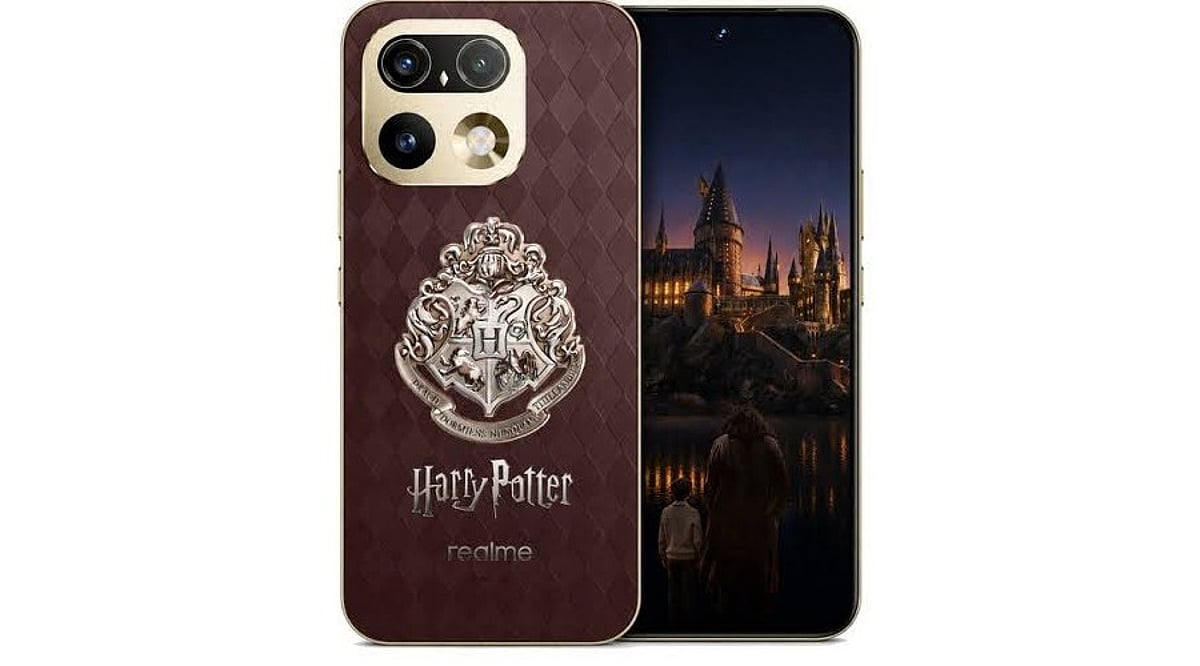
    Realme is adding a touch of wizardry to its popular 16 Pro 5G with a special Harry Potter Edition. In collaboration with Warner Bros. Discovery, this limited-edition device brings the enchanting world of Harry Potter to life on a smartphone, marking the second such partnership between the two companies. Previously, they released the Realme 15 Pro Game of Thrones Limited Edition.

    The Harry Potter Edition of the Realme 16 Pro 5G features design elements inspired by the beloved franchise, blending magical aesthetics with Realme’s signature style. A special co-branded Realme x Harry Potter logo will be included, making the device a must-have for collectors and devoted fans. The collaboration aims to transform everyday technology into a piece of wizarding world memorabilia.

    Same Powerful Hardware, Enchanting New Look

    Under the hood, the special edition is identical to the standard Realme 16 Pro 5G. It boasts a 6.78-inch AMOLED display with a 144Hz refresh rate, powered by the MediaTek Dimensity 7300 Max chipset, and offers up to 12GB of RAM. The camera setup includes a 200MP main sensor, while a robust 7,000mAh battery supports 80W fast charging.

    While the price for the Harry Potter Edition has not yet been announced, the real draw here is the themed design. Realme has ensured that the special edition stands apart from the regular model with distinctive wizarding world-inspired details and branding.

    Who Should Buy the Harry Potter Edition?

    This limited edition is clearly aimed at die-hard Harry Potter fans and collectors who appreciate the unique aesthetic and themed touches. For the average consumer, the standard Realme 16 Pro 5G offers the same performance at what is likely a more accessible price point. The hardware remains unchanged; only the appearance differs.

    Whether the special edition introduces any exclusive software features is still under wraps. Ultimately, the Harry Potter Edition is a niche product for enthusiasts who want to carry a piece of the magical world in their pocket, while others may find the regular model a more practical choice.

  • Midjourney Demands Disney, Universal, and Warner Bros Disclose Internal AI Projects in Copyright Battle

    Midjourney Demands Disney, Universal, and Warner Bros Disclose Internal AI Projects in Copyright Battle

    In a significant escalation of the ongoing copyright dispute, the AI image generator Midjourney has asked a federal court to compel Disney, Universal, and Warner Bros. Discovery to hand over detailed records of their own internal use of generative AI technology. The demand represents an aggressive tactical shift that could reshape how the courts evaluate evidence in AI-related copyright litigation.

    How the Lawsuit Reached This Point

    Disney and Universal originally filed suit against Midjourney in June 2025, alleging its models could produce unauthorized renditions of iconic copyrighted characters such as Bart Simpson and Darth Vader. Warner Bros. Discovery followed in September 2025, adding its own stable of characters including Batman and Superman. The studios sought an injunction and statutory damages of up to $150,000 per infringing work. Midjourney has consistently argued that its use of publicly available images for training constitutes fair use.

    What Midjourney Is Now Demanding

    The case has moved into the discovery phase, the stage where both parties exchange evidence. Midjourney is now seeking far broader disclosure than initially granted by a court order in June 2026, which limited the studios’ obligations to AI use in consumer products only. The company is asking the court to remove that restriction entirely and require the studios to produce internal documents covering AI business strategies, training datasets, model weights, board-level presentations, and every prompt that studio employees have entered into Midjourney’s platform — not just the specific prompts linked to the allegedly infringing images at the heart of the case.

    The Legal Theory Behind the Request

    Midjourney’s motion relies on the legal doctrine of “unclean hands”: if the studios themselves use generative AI internally for storyboarding or early-stage concept work without properly licensing every image, that could indicate the industry treats such AI training as standard, unlicensed practice. In its court filings, Midjourney contends that this evidence could show the studios are engaging in the very conduct they are suing over. The studios’ lead attorney, David Singer, has dismissed the request as a “fishing expedition,” maintaining that the case is narrowly about stopping unauthorized copying and distribution of copyrighted characters, not about halting AI development or shutting down Midjourney.

    Why This Discovery Fight Matters Beyond This Case

    Legal observers are closely watching the outcome, as the court’s ruling on what evidence is admissible could set a precedent for numerous other AI copyright cases moving through the judiciary. If Midjourney succeeds in obtaining the studios’ internal AI records, it could fundamentally alter how courts weigh fair use arguments and industry-custom defenses in future disputes between AI companies and content owners. For now, the case stands as a pointed illustration of a central tension in the generative AI industry: media companies suing over unauthorized AI training while facing questions about their own internal AI practices.

    This article is based on reporting originally published by Analytics Insight on July 7, 2026.