Tag: wearable tech

  • How Augmented Reality Glasses Overlay Digital Content on the Real World

    How Augmented Reality Glasses Overlay Digital Content on the Real World

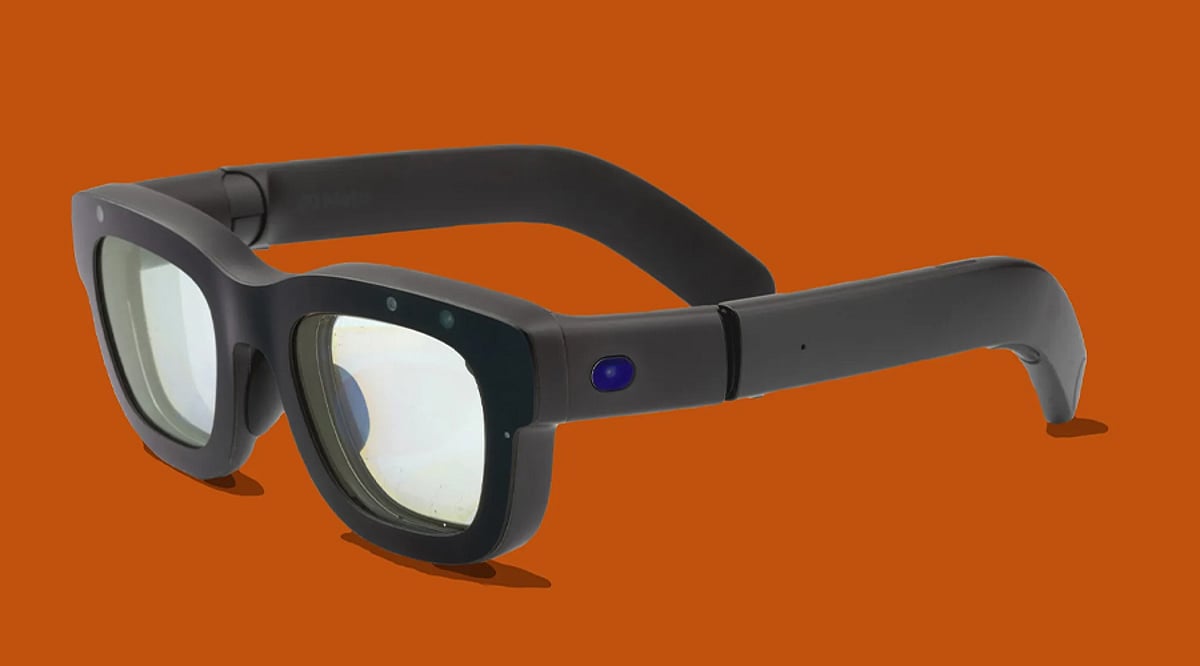
    AR glasses blend digital information with the physical world instead of replacing your surroundings entirely. They use displays, sensors, cameras, processors, and software to place virtual content within your view. The result can make directions, notifications, information, and interactive graphics feel part of the real environment.

    Tiny Displays Create the Overlay

    AR glasses need a way to place digital images where the wearer can see them. Compact display systems project or guide light toward the eyes, creating virtual images that appear over the physical environment. This optical system is central to making augmented reality feel convincing.

    Cameras and Sensors Understand the Scene

    Cameras and sensors help AR glasses understand what is happening around the wearer. Depending on the device, they can capture images, detect movement, estimate position, and recognize surfaces. That information allows software to determine where digital elements should appear within the surrounding environment.

    Tracking Keeps Objects in Place

    One major challenge is keeping virtual objects stable while your head moves. AR systems combine sensor information with software tracking to estimate the glasses’ position and orientation. This allows digital content to remain anchored to the environment instead of appearing to float randomly as you move.

    Processors Make Real-Time Decisions

    AR glasses need computing power to process sensor data, images, and software instructions with very low delay. The system continuously works out what the wearer is seeing and where virtual content should appear. Faster processing can help create smoother interactions and more responsive augmented experiences.

    Spatial Audio Adds Another Layer

    Some AR glasses also use speakers to provide spatial or directional audio alongside visual information. Sounds can help users understand where alerts or digital objects are coming from without constantly looking at a screen. This creates a more immersive experience by combining visual and audio cues.

    The Future Is Smaller and Smarter

    The challenge for AR glasses is packing displays, sensors, processors, cameras, batteries, and connectivity into a lightweight wearable. Advances in optics and computing are helping manufacturers explore slimmer designs and richer experiences. As these components improve, AR glasses could become increasingly useful for navigation, communication, and hands-free information.

  • Budget Smartwatch Showdown: Moto Watch (2026) vs CMF Watch 3 Pro

    Budget Smartwatch Showdown: Moto Watch (2026) vs CMF Watch 3 Pro

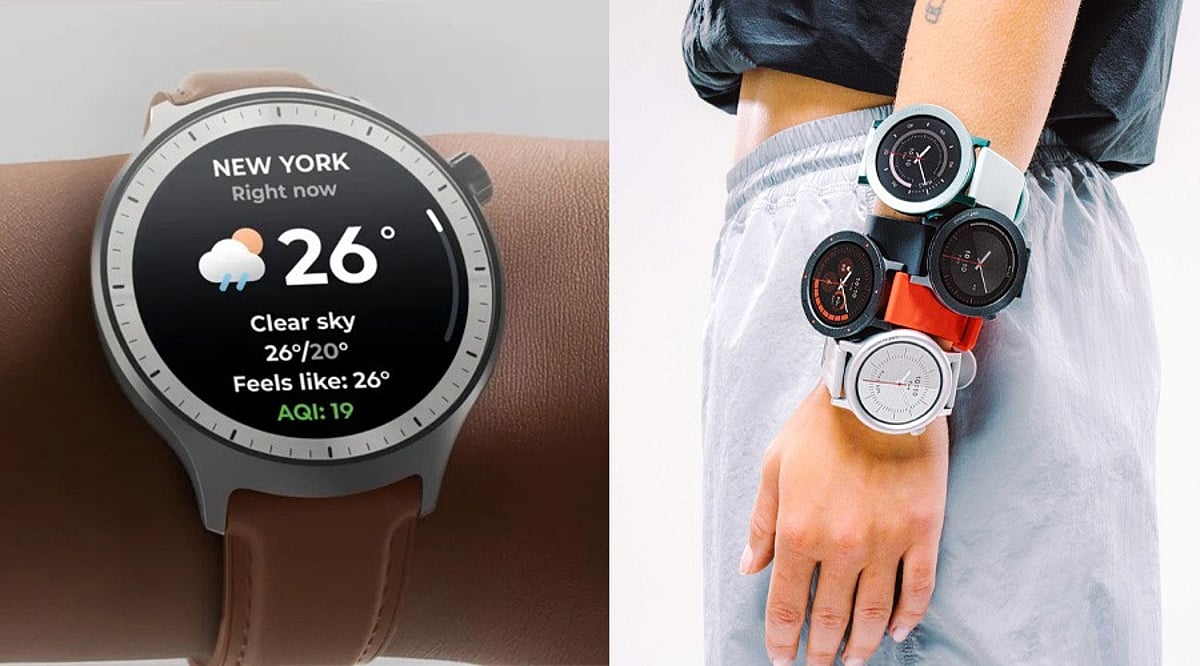
    Smartwatch buyers on a budget have two compelling options in 2026: the Moto Watch (2026) and the CMF Watch 3 Pro. Both deliver long battery life, essential fitness tracking, and everyday smart features, but they take different approaches to design and value.

    Design and Display

    The Moto Watch (2026) features a 47mm round case and weighs only about 35 grams, making it an excellent choice for anyone who prefers a lightweight, comfortable fit. It uses a 1.43-inch OLED display and carries an IP68 rating for dust and water resistance.

    The CMF Watch 3 Pro also has a 1.43-inch screen, but its AMOLED panel stands out with a sharper 466 x 466-pixel resolution, an always-on display mode, and up to 650 nits of brightness. If screen quality matters most, CMF takes the win; if a lighter wrist feel is your priority, Motorola has the edge.

    Fitness and Health Tracking

    Both watches cover heart-rate monitoring, SpO2, sleep tracking, GPS, and daily activity tracking. However, the CMF Watch 3 Pro goes further with 131 sports modes and dual-band GPS, making it better suited for varied training routines.

    The Moto Watch (2026) is no slouch either. It includes dual-frequency GPS and health features powered by Polar, giving active users reliable workout and outdoor tracking. Still, CMF offers more workout modes and fitness-focused extras overall.

    Battery Life

    Both smartwatches are rated for up to 13 days of battery life, so you can expect similar endurance. Real-world results will vary depending on GPS usage, Bluetooth calling, and health features, but neither watch should leave you hunting for a charger every night.

    Smart Features

    Bluetooth calling, notifications, music controls, and standard smartwatch conveniences are included on both models. The CMF Watch 3 Pro adds voice assistance and camera shutter controls, making it slightly more versatile for daily use.

    It is worth noting that neither watch offers the full Wear OS app ecosystem, so buyers who need third-party apps or deep smartphone integration should look at more advanced options.

    Verdict: Which Should You Buy?

    The Moto Watch (2026) is the smarter pick if you want a simple, affordable, lightweight watch with solid essentials. The CMF Watch 3 Pro is the better-equipped device for users who value a superior AMOLED display, more sports modes, and additional fitness features.

    Overall winner: CMF Watch 3 Pro.

    Frequently Asked Questions

    Which smartwatch has a better display?

    The CMF Watch 3 Pro offers the better display with its 1.43-inch AMOLED panel, 466 x 466-pixel resolution, always-on support, and 650 nits brightness.

    Does the Moto Watch (2026) last longer than the CMF Watch 3 Pro?

    No. Both are rated for up to 13 days of battery life. Actual endurance depends on GPS, tracking, and calling habits.

    Which watch is better for fitness tracking?

    The CMF Watch 3 Pro has more sports modes and dual-band GPS, while the Moto Watch provides reliable Polar-powered health tracking. CMF is more feature-rich for fitness.

    Are both watches good for everyday use?

    Yes. Both support notifications, Bluetooth calling, heart-rate monitoring, sleep tracking, and music controls. Your final choice should come down to display, fitness needs, weight, and budget.

  • Apple Watch Series 12 Review: Smarter Health Tracking, AI Audio Tools, and Faster Charging

    Apple Watch Series 12 Review: Smarter Health Tracking, AI Audio Tools, and Faster Charging

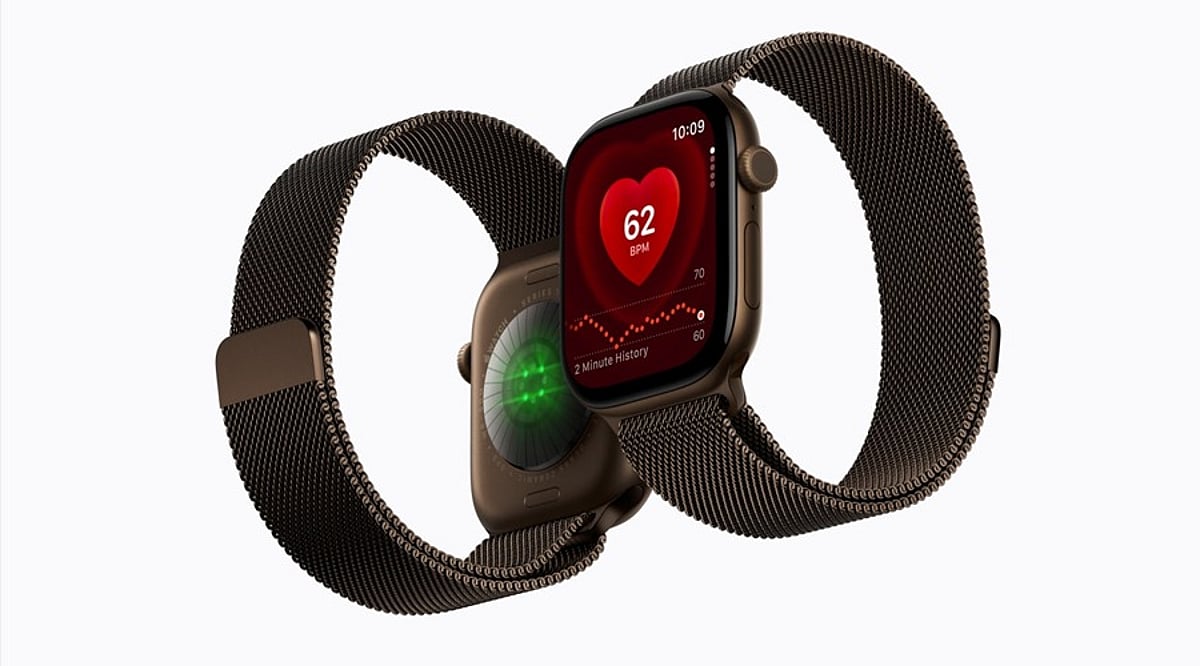
    The Apple Watch Series 12 builds on Apple’s smartwatch lineup with meaningful upgrades in health monitoring, AI-driven audio tools, and charging speed. Powered by the new S11 chip and an enhanced Health Sensing System, the wearable adds a background heart rate sensor, readiness score, and health age indicators to give iPhone users a more complete picture of their well-being.

    Key Features

    Beyond the refreshed internals, the Series 12 keeps the bright always-on display and elegant design users expect. Fitness tracking is more advanced, and the tight integration with the Apple ecosystem remains a major selling point. The watch also introduces several audio intelligence features, including sound recognition, Live Rewind, and Siri Recap.

    Pros and Cons

    Pros:

    • New S11 chip improves performance and efficiency
    • Enhanced Health Sensing System with background heart rate monitoring
    • Readiness score and health age indicators offer deeper wellness insights
    • Faster charging despite the same 24-hour battery life
    • Bright always-on display and premium design
    • Strong fitness tracking and Apple ecosystem integration

    Cons:

    • Battery capacity remains at 24 hours, so daily charging is still needed
    • Not a major upgrade for Apple Watch Series 11 owners

    Final Verdict

    The Apple Watch Series 12 is an excellent choice for iPhone users looking for a capable, polished smartwatch. Its combination of the S11 chip, upgraded health sensing, readiness score, and audio intelligence makes it a meaningful step forward. The faster charging adds convenience, while the display, fitness capabilities, safety features, and seamless iPhone integration remain strong. However, if you already own an Apple Watch Series 11, there may not be enough new features to justify an immediate upgrade.

  • Temple Wearable by Deepinder Goyal Shows Strong Brain Blood Flow Correlation in Early Study

    Temple Wearable by Deepinder Goyal Shows Strong Brain Blood Flow Correlation in Early Study

    Deepinder Goyal’s Temple wearable has released its first brain flow study, revealing promising results in tracking cerebral blood flow changes. The preprint, published on medRxiv on September 4, 2026, tested 23 healthy adults in Meerut and compared Temple’s Brain Flow index with Transcranial Doppler (TCD) during exercise and posture changes.

    Researchers found that Temple closely followed middle cerebral artery blood velocity in both tests. Median within-person correlations reached 0.795 during cycling and 0.799 during postural changes, indicating a strong relationship between the wearable’s readings and actual cerebral blood dynamics.

    The Temple device uses an optical sensor placed near the temple to generate its proprietary Brain Flow index, analyzing optical signals from tissue near the skin surface. In contrast, TCD measures blood velocity inside the middle cerebral artery using ultrasound.

    An important finding suggests the signal is not simply a reflection of heart rate. During the posture test, heart rate decreased while middle cerebral artery blood velocity increased, yet Temple’s Brain Flow index followed the cerebral blood velocity pattern during the same transition.

    Despite these promising results, several limitations prevent the Temple wearable from being considered a proven brain monitoring device. The study used normalized relative signals rather than absolute blood flow measurements. Optical readings near the temple can also capture signals from the scalp and other superficial blood vessels. The study involved a small group of young, healthy adults and remains a preprint without peer review. Temple Pvt Ltd funded the research, though authors reported no competing interests.

    Goyal called the study ‘the first step’ while sharing the findings on X. The next stage will require independent studies that separate scalp circulation from brain circulation. Larger and more diverse trials could determine whether Temple’s Brain Flow index reflects genuine cerebral activity.

  • Samsung Galaxy Watch 9 Unveiled: 3,000-Nit Always-On Display and AI-Powered Health Features

    Samsung Galaxy Watch 9 Unveiled: 3,000-Nit Always-On Display and AI-Powered Health Features

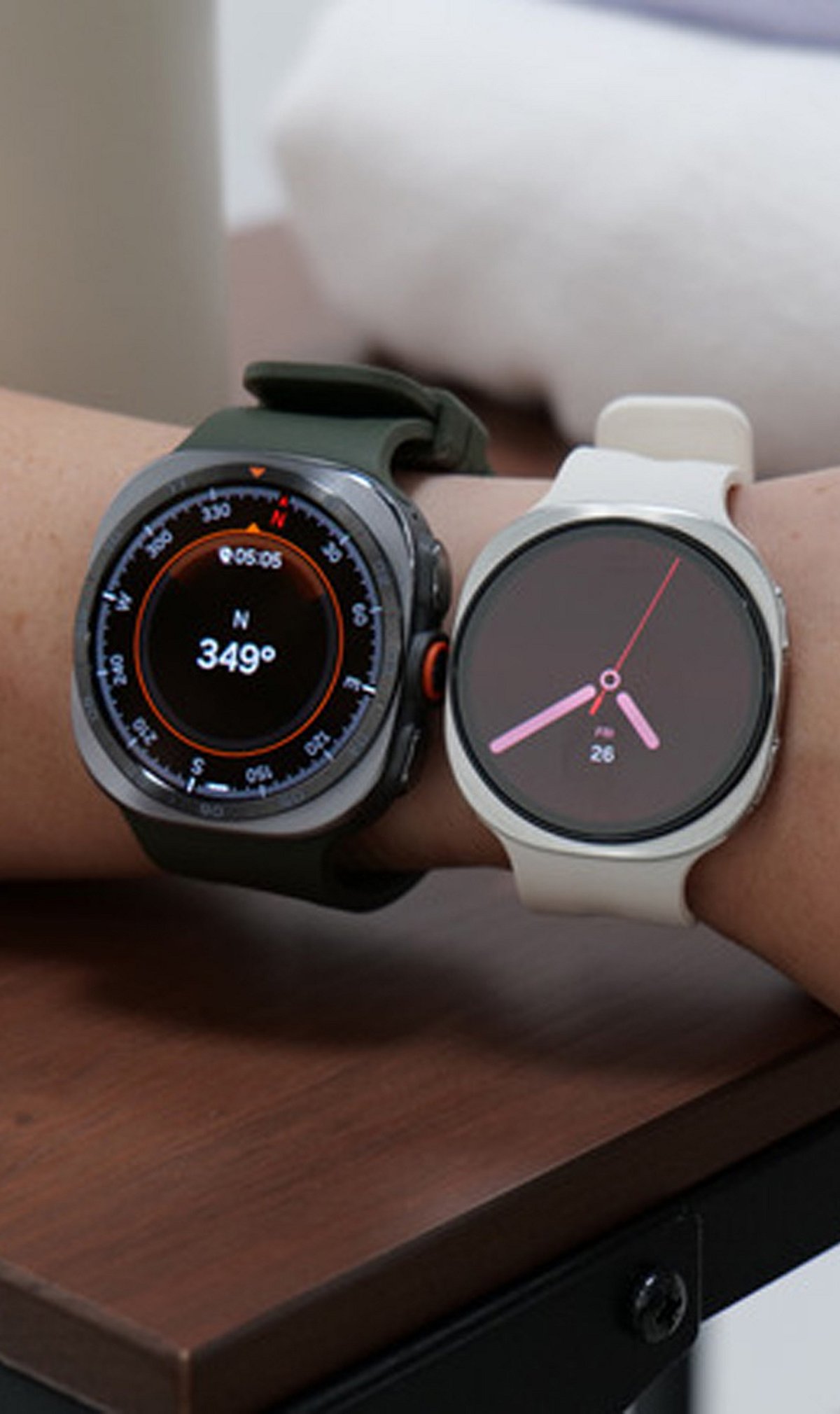
    Samsung has officially launched the Galaxy Watch 9, introducing a significantly brighter 3,000-nit always-on display alongside a refined design and enhanced everyday usability. The new AMOLED screen ensures clear visibility even under direct sunlight, making notifications, maps, and fitness stats easy to read outdoors.

    The watch features a slimmer profile and premium materials for improved comfort during all-day wear. A new processor delivers smoother performance, faster app launches, and better power efficiency, elevating the overall smartwatch experience.

    Advanced health tracking capabilities monitor heart rate, sleep patterns, stress levels, and workouts with greater accuracy. Battery life improvements reduce charging interruptions while supporting continuous fitness tracking, notifications, and other essential features.

    Galaxy AI integration provides smarter health summaries, personalized fitness suggestions, and convenient assistance for daily tasks. The watch pairs seamlessly with Galaxy smartphones, enabling call handling, message replies, payments, navigation, and control of connected devices.

    With its brighter display, improved performance, AI features, and comprehensive health tracking, the Samsung Galaxy Watch 9 represents a strong upgrade in the smartwatch market.

  • 5 Underrated Apple Watch Features That Save You Time Daily

    5 Underrated Apple Watch Features That Save You Time Daily

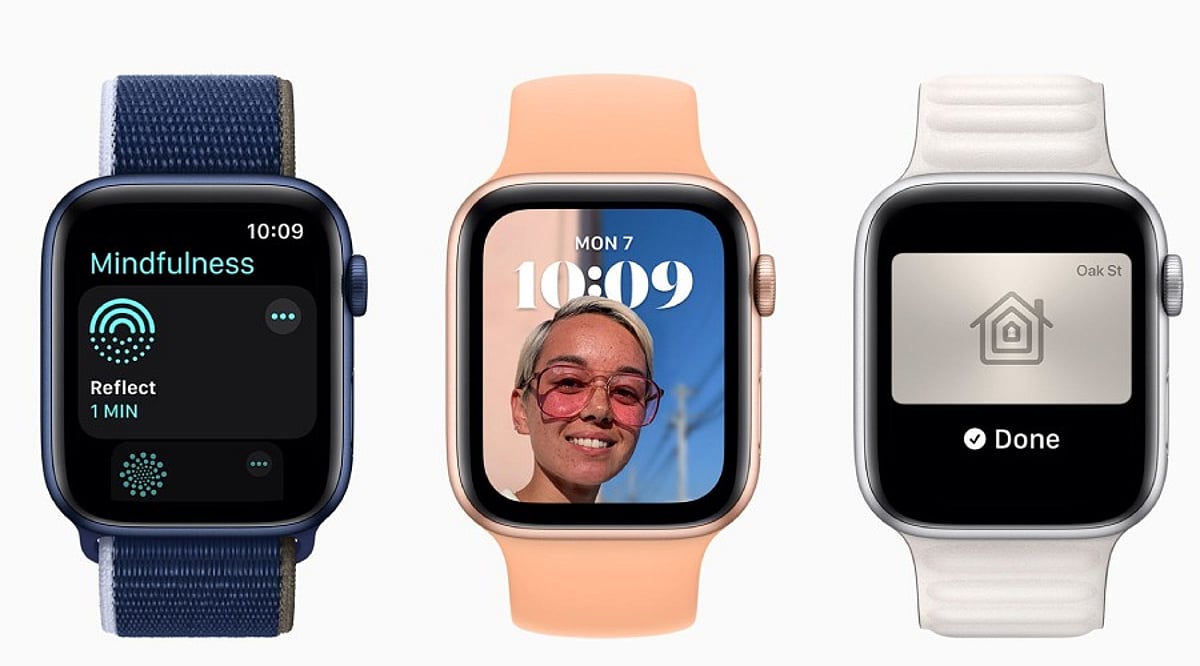
    The Apple Watch is widely known for fitness tracking and notifications, but many users overlook several built-in features that can streamline everyday tasks. These hidden tools are already available on most supported models—you just need to enable them in Settings.

    Walkie-Talkie App

    Few users realize the Apple Watch includes a Walkie-Talkie app, which allows instant voice communication with other Apple Watch users. It’s perfect for quick check-ins without pulling out your phone.

    Cover to Mute

    When an incoming call or alert arrives, simply place your palm over the watch face to instantly silence it. This gesture is faster than tapping buttons and ideal for meetings or quiet environments.

    Wrist Flick to Clear Notifications

    With a quick flick of your wrist, you can dismiss notifications without using the touchscreen. This feature is especially useful when your hands are full or you’re on the move.

    Camera Remote and Double Tap

    The Camera Remote app lets you preview your iPhone camera viewfinder directly on the watch. Use the Double Tap gesture to trigger the shutter without touching your phone—great for group photos or selfies.

    Shazam Integration and Display Flashlight

    Shazam is built into watchOS, so you can identify songs instantly. The Apple Watch also offers a display-based flashlight with three modes: bright white for visibility, flashing white to attract attention, and a red light that preserves night vision.

    These features may not get much attention, but they can save time every day, especially for people who attend meetings, travel frequently, or listen to music and podcasts. Instead of reaching for your phone for every small task, the Apple Watch handles many with just a tap or gesture. Exploring these hidden capabilities helps you get more from your device without installing anything extra.

  • 10 Cutting-Edge Technologies Revolutionizing Professional Sports

    10 Cutting-Edge Technologies Revolutionizing Professional Sports

    From wearable trackers to AI-driven analytics, professional sports are being transformed by a wave of innovative technologies. Here are ten key advancements reshaping how athletes train, compete, and engage with fans.

    Wearable Performance Trackers

    These devices monitor heart rate, speed, workload, recovery, and movement patterns, helping athletes optimize performance while reducing injury risks during training.

    Artificial Intelligence Analytics

    AI processes massive performance datasets, identifying tactical improvements, player strengths, opponent weaknesses, and strategic opportunities for coaches and analysts.

    Video Assistant Referee (VAR)

    VAR assists match officials by reviewing controversial decisions using multiple camera angles, improving fairness and reducing officiating errors in competitive sports.

    Hawk-Eye Tracking System

    Using high-speed cameras, Hawk-Eye accurately determines ball trajectories, assisting line calls, goal decisions, and player movement analysis across multiple sports.

    Smart Equipment Sensors

    Embedded sensors in balls, bats, rackets, and helmets collect real-time performance data for coaches, broadcasters, and athletes during competitions.

    Virtual Reality Training

    VR creates immersive practice environments where athletes safely improve reaction times, tactical awareness, and decision-making without physical game conditions or travel.

    Biomechanics Motion Capture

    This technology records body movements precisely, helping identify inefficient techniques, improve athletic performance, and minimize injury risks through scientific movement analysis.

    GPS Athlete Monitoring

    GPS tracks player positioning, running distances, sprint intensity, and workload, enabling personalized fitness programs and better match preparation strategies.

    Recovery Technology Systems

    Cryotherapy, compression devices, and AI-powered recovery monitoring accelerate muscle healing, reduce fatigue, and improve long-term athletic performance.

    Fan Engagement Platforms

    Augmented reality, interactive apps, and real-time statistics provide immersive experiences, strengthening fan participation both inside stadiums and through digital broadcasts.

  • Best Smart Glasses 2026: AI, AR Display, and Standalone Models Compared

    Best Smart Glasses 2026: AI, AR Display, and Standalone Models Compared

    Smart glasses now split into three distinct categories: AI camera and audio glasses, tethered AR display glasses, and standalone AR glasses with a built-in HUD. The category matters more than the model. Once the use case is clear, the shortlist narrows fast.

    Every spec here comes from manufacturers or retailers, including weight, battery, and connection type, not just headline features.

    A pair of smart glasses is sold every ninety seconds somewhere in the world, and the surprising part is not the sales figure. It is that three completely different products now share the same shelf. One pair replaces a phone call. Another replaces a monitor. A third tries to replace both at once and pays for it in battery life.

    That split is the real story behind the buying decision. Meta’s Ray-Ban line proved AI glasses could sell at scale, pulling Google, Samsung, and Warby Parker into a competing Android XR platform launching later this year. Meanwhile, the AR display category, led by Xreal, Viture, and RayNeo, moved past prototype status into something people actually use for a workday or a long flight. Anyone shopping this category for the first time needs to understand the split before comparing a single spec.

    Types of Smart Glasses in 2026: AI, AR Display, and Standalone AR Explained

    AI camera and audio glasses (led by Ray-Ban Meta Gen 2) skip the display entirely. They record video, take calls, and run an AI assistant through bone-conduction audio, pairing over Bluetooth rather than a cable. They look like ordinary glasses, which is the point.

    AR display glasses (including the Xreal, Viture, and RayNeo Air series) tether to a phone, laptop, or console over USB-C and project a large virtual screen through micro-OLED panels. Most carry no camera and no battery of their own; power and video come from the connected device.

    Standalone AR glasses (represented here by RayNeo’s X3 Pro) combine a lightweight HUD, a camera, and onboard AI in one frame with their own battery. That independence is the trade for shorter runtime, and the comparison table below shows exactly how much shorter.

    Best Smart Glasses for Work, Travel, Gaming, and Everyday Use

    Compatibility, comfort, and what to check before buying smart glasses:

    Tethered AR glasses need a source device with USB-C video output, often called DisplayPort Alt Mode. Xreal, Viture, RayNeo’s Air line, and Rokid Max 2 work with recent iPhones, most Android phones, Macs, Windows laptops, the Steam Deck, the ROG Ally, and the Nintendo Switch 2. Older phones without Alt Mode need an HDMI-to-USB-C adapter. Ray-Ban Meta Gen 2 pairs over Bluetooth instead, with no cable or Alt Mode requirement. RayNeo X3 Pro connects over Wi-Fi and Bluetooth as a standalone device rather than a tethered display.

    Weight alone does not decide comfort. RayNeo distributes the Air 4 Pro’s 76g at roughly 47 percent in the front and 53 percent in the rear to ease nose pressure, a design choice that matters more over a long session than the raw number on a spec sheet. The VITURE Luma Pro, the heaviest tethered pair here at close to 90g, offsets that with two frame sizes for different IPD ranges. Anyone who wears prescription lenses should confirm exact diopter support directly with the brand before buying, since ranges shift between hardware revisions.

    Best Smart Glasses to Buy in 2026

    Ray-Ban Meta Gen 2

    Ray-Ban Meta Gen 2 carries no screen and no cable, unlike every AR display pair on this list. Battery life roughly doubled over the first generation, and the camera now shoots 3K video. Giving up a private screen is the exchange for a frame that wears like ordinary sunglasses.

    Xreal One

    Xreal One suits a routine built around a laptop and a train seat. Its 50° field of view and 147-inch perceived screen sit below the Pro model’s numbers, though the gap rarely shows up during document work.

    Xreal One Pro

    Xreal One Pro pairs a 57° field of view with a 171-inch perceived screen through Sony’s 0.55-inch micro-OLED panel and X-Prism optics that hold sharpness at the edges. At 87g and a $150 premium over the standard One, it targets people who sit in front of the screen for hours, not casual users.

    VITURE Luma Pro

    VITURE Luma Pro stays visible in bright rooms where most AR glasses wash out, thanks to a 1,000-nit panel. Built-in myopia adjustment removes the need for a lens insert for milder prescriptions. Fixed tint, rather than electrochromic dimming, is the compromise.

    RayNeo Air 4 Pro

    RayNeo Air 4 Pro balances 76g of weight toward the rear of the frame, making it the most wearable tethered pair here over long flights. HDR10 support, rare in this category, is clearly visible during movie playback. It functions as a personal cinema rather than a work display.

    RayNeo X3 Pro

    RayNeo X3 Pro is the only pair here with a true waveguide HUD, a 12MP camera, and onboard AI in one 76g titanium frame. The 245 mAh battery caps active use at roughly three hours, a real limit for anyone expecting a full workday from it. Short navigation stretches or quick capture suits it better than sustained wear.

    Rokid Max 2

    Rokid Max 2 delivers a 215-inch perceived screen and 600-nit brightness in a 75g package, a strong match for Steam Deck and ROG handheld gaming. Without a camera or onboard AI, it stays focused on watching and playing rather than capturing.

    Final Thoughts

    AI glasses have reached a point where they can replace real phone interactions, not just supplement them, while AR display glasses now offer a workable substitute for carrying a second monitor. The category a buyer picks will shape daily use far more than any single spec inside it. Checking a workplace’s camera policy before wearing anything with a lens built in is worth doing before the purchase, not after.

  • Leading Smart Glasses Brands Shaping 2026: Meta, XREAL, Apple & More

    Leading Smart Glasses Brands Shaping 2026: Meta, XREAL, Apple & More

    The smart glasses market is rapidly evolving, with 2026 poised to be a breakthrough year for wearable AI and augmented reality. From stylish consumer frames to enterprise-grade headsets, several brands are leading the charge. Here’s a look at the companies defining the future of smart eyewear.

    Meta Ray-Ban

    Meta’s collaboration with Ray-Ban has produced stylish smart glasses integrated with AI features, a camera, speakers, and voice assistance. These glasses blend fashion with functionality, making them a popular choice for everyday use.

    XREAL

    XREAL (formerly known as Nreal) offers popular AR glasses designed for immersive entertainment and productivity. Their lightweight form factor and compatibility with smartphones make them a leader in consumer AR.

    Google

    Google continues to develop AI-powered smart eyewear that integrates with its Gemini AI platform. Leveraging years of research, Google aims to bring contextual assistance and hands-free computing to users.

    Apple

    Apple’s wearable roadmap is expected to redefine premium mixed-reality experiences. While the Apple Vision Pro sets the stage, future iterations may bring more accessible smart glasses, combining high-end design with advanced sensors.

    Vuzix

    Vuzix focuses on enterprise-grade smart glasses for logistics, healthcare, and industrial applications. Their headsets provide rugged, hands-free solutions for workers requiring real-time data overlays.

    Lenovo

    Lenovo offers innovative AR wearables designed for business collaboration and virtual workspaces. Their ThinkReality series targets professionals seeking augmented productivity tools.

    Rokid

    Rokid produces affordable AR smart glasses that are gaining popularity for education and entertainment. Their devices focus on accessibility, making AR experiences available to a wider audience.

    Samsung

    Samsung is building an AI-powered XR ecosystem expected to expand wearable computing. With deep expertise in displays and mobile technology, Samsung’s upcoming smart glasses could integrate seamlessly with Galaxy devices.

    These brands are pushing the boundaries of what wearable AI and AR can achieve, from personal assistants to immersive work tools. Keep an eye on 2026 as these companies release next-generation smart glasses.

  • Top Affordable Smartwatches for Fitness Tracking: Amazon Deals to Grab Now

    Top Affordable Smartwatches for Fitness Tracking: Amazon Deals to Grab Now

    Looking for a budget-friendly smartwatch to keep your fitness goals on track? Amazon is currently offering a range of affordable smartwatches packed with health monitoring features, Bluetooth calling, and long battery life. Here’s a curated list of the best options available right now.

    BoAt Wave Call 3

    This smartwatch supports Bluetooth calling, heart rate monitoring, SpO₂ tracking, multiple sports modes, and offers reliable battery life at a very accessible price point.

    NoiseFit Halo 3

    With an AMOLED display, advanced fitness tracking, sleep monitoring, Bluetooth calling, and a stylish design, the NoiseFit Halo 3 is ideal for everyday health management.

    Fastrack Limitless X2

    Delivering activity tracking, heart rate monitoring, AI voice assistance, Bluetooth calling, and long battery life, this model suits active lifestyles perfectly.

    Amazfit Bip 3

    Built-in GPS, comprehensive health monitoring, water resistance, extended battery life, and accurate fitness tracking make the Amazfit Bip 3 a great companion for outdoor workouts.

    Noise Twist Go

    Combines Bluetooth calling, step counting, sleep tracking, heart rate monitoring, and customizable watch faces in a budget-friendly package.

    Noise Pulse 4 Max

    Offers a large display, health tracking features, multiple workout modes, smart notifications, and dependable battery backup for daily fitness routines.

    Pebble Advanced Health Tracking Fitness Band

    Supports continuous health monitoring, activity tracking, sleep analysis, a waterproof design, and comfortable wear for everyday fitness.

    Titan Celestor Smart Watch

    Premium styling, fitness monitoring, heart rate tracking, sports modes, and seamless smartphone connectivity at a competitive price.

    Noise ColorFit Pro 5 Max

    Features an AMOLED display, comprehensive health sensors, Bluetooth calling, workout tracking, and durable battery performance for fitness enthusiasts.

    These deals won’t last long, so check Amazon now to grab your next fitness companion at a steal.