Tag: wearable

  • Google Fitbit Air India Launch Expected on October 2: Price, Specs, and Key Features

    Google Fitbit Air India Launch Expected on October 2: Price, Specs, and Key Features

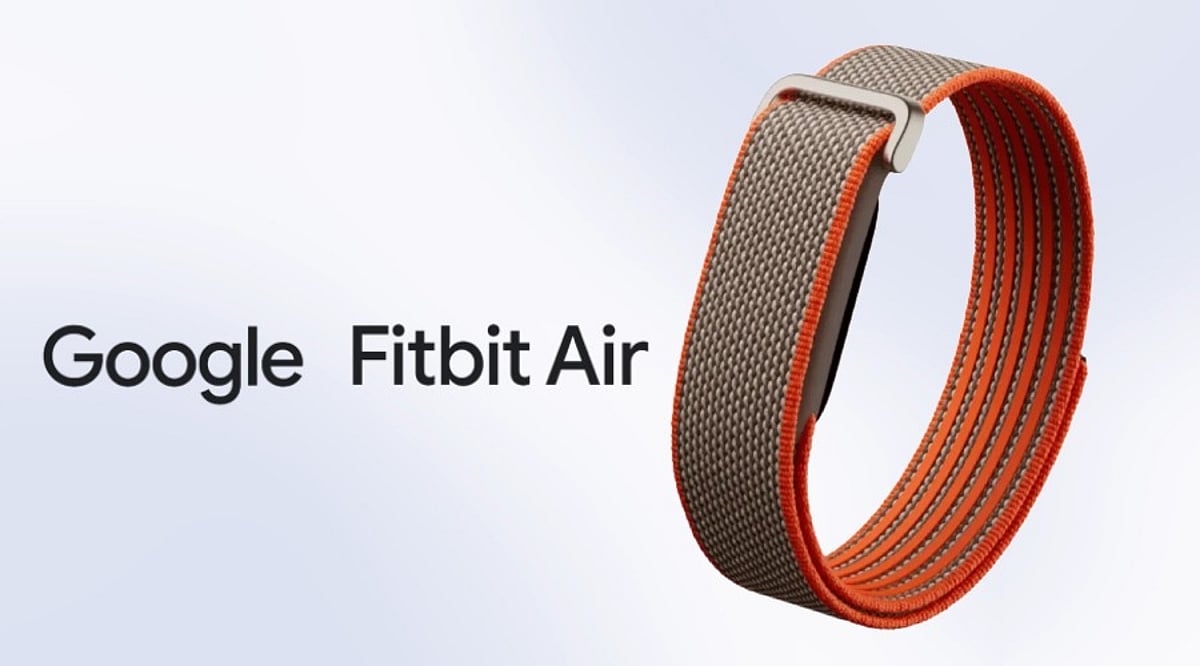
    Fitbit Air Could Hit India on October 2

    Google is reportedly bringing its screenless Fitbit Air fitness tracker to India, with a possible launch date of October 2. While the company has confirmed an October launch, a recent leak from tipster Sanju Choudhary and a Flipkart listing suggest the specific date. The wearable is expected to retail at around Rs. 13,999 in India.

    Expected Price in India

    According to a reported Flipkart listing, the Fitbit Air will be priced at Rs. 13,999. Another leak places it between Rs. 12,999 and Rs. 13,999. In the US, the tracker starts at $99.99, with a special-edition version costing more. Indian pricing may vary due to local taxes and import costs.

    Design and Specifications

    The Fitbit Air takes a unique approach by removing the display entirely. Instead, it relies on sensors, vibration alerts, and the companion Google Health app to deliver health and fitness data. Weighing just 5.2 grams (without the band), the device offers up to seven days of battery life. It features an optical heart-rate sensor, SpO2 monitoring, a skin-temperature sensor, an accelerometer, a gyroscope, and 5ATM water resistance. Charging is via a magnetic connector.

    Health and Fitness Tracking

    The tracker provides continuous 24-hour heart-rate monitoring, sleep tracking, heart-rate variability, readiness scores, and automatic workout recognition for over 140 activities. All data syncs with the redesigned Google Health app. Basic health tracking is free, while premium features require a Google Health Premium subscription. Google Health Coach offers personalized guidance on fitness, recovery, and sleep.

    What Sets It Apart

    The screenless design makes the Fitbit Air a distinctive option in the fitness tracker market, focusing on minimal distraction and long battery life. It competes directly with other screenless trackers like the Whoop 5.0. The official launch event is expected to confirm all details, including availability and pricing.

  • Viture Unveils Vonder AI Glasses: Voice-Powered Wearable with ChatGPT, Gemini, and Claude Support

    Viture Unveils Vonder AI Glasses: Voice-Powered Wearable with ChatGPT, Gemini, and Claude Support

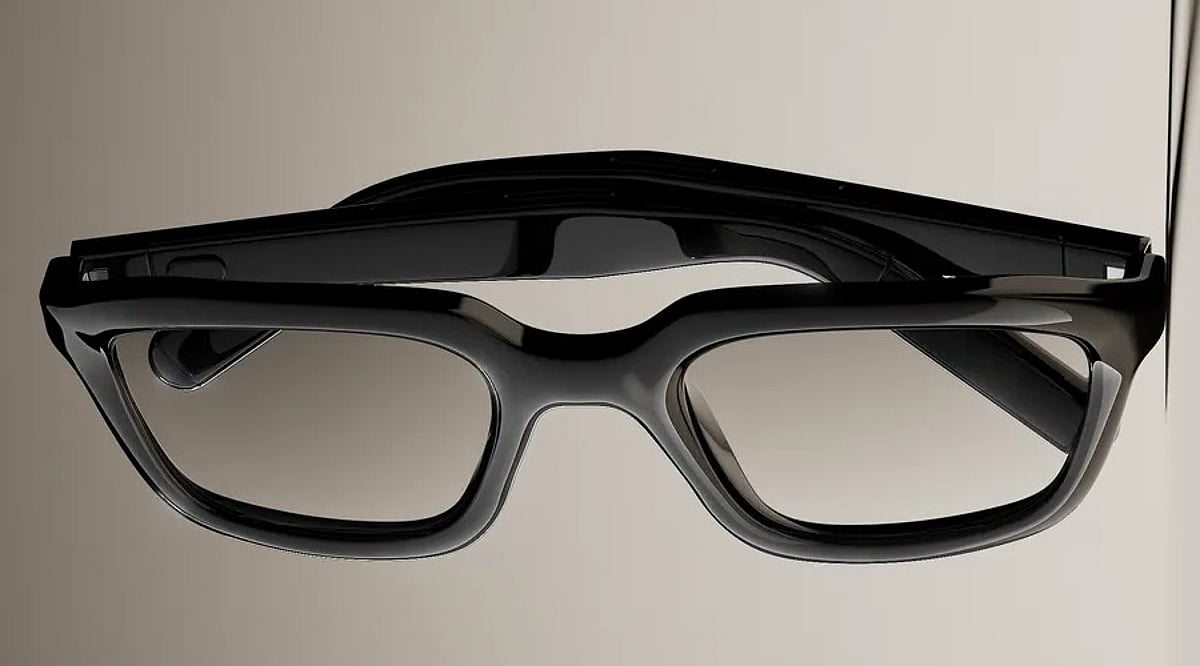
    Viture has introduced the Vonder, a new pair of AI-powered smart glasses that prioritize voice interaction and privacy over cameras and displays. Designed to resemble conventional eyewear, the Vonder weighs under 30 grams and relies on microphones, speakers, and onboard processing to deliver a screen-free AI experience.

    Unlike many smart glasses on the market, the Vonder does not include a camera or display. Instead, it focuses on voice-based features such as note-taking, hands-free calling, and memory recall. Audio recording is activated only when the user prompts it, and a physical Meeting Mode switch with an LED indicator provides additional control. After recording, the original audio is deleted and converted into text and memories stored in the companion app.

    At the core of the Vonder is its Personal Memory Graph, an AI system that organizes captured conversations and voice interactions. Users can choose from multiple AI models through the app, including Google Gemini, Anthropic Claude, and OpenAI ChatGPT. This approach allows the glasses to provide useful context from accumulated memories rather than simply storing raw recordings.

    Customization is a key selling point: buyers can select different frame shapes and finishes, and the glasses support prescription, progressive, and transition lenses. In the US, pre-orders begin on September 28 at a starting price of USD 299, with premium acetate frames starting at USD 399. Shipments are expected from November. International customers can register interest now.

    Viture emphasizes data privacy, stating that user data is protected with financial-grade encryption and that the company does not sell advertising or user data. The Vonder aims to offer a discreet, everyday wearable that blends AI assistance with the look and feel of ordinary glasses.

  • UKey Seed Ring: A Wearable NFC Ring for Secure Crypto Backup and Recovery

    UKey Seed Ring: A Wearable NFC Ring for Secure Crypto Backup and Recovery

    UKey Limited, a self-custody hardware brand for cryptocurrency users, has unveiled the Seed Ring—a battery-free NFC ring designed to make seed phrase backup a seamless part of everyday life. Unlike traditional hardware wallets that are stored away in drawers, the Seed Ring is a wearable device that brings hardware signing into daily routines.

    Why a Ring?

    In the world of self-custody, the greatest risk to asset security often lies not in how transactions are signed, but in how the seed phrase is stored. Photos, screenshots, and scraps of paper are easily lost, damaged, or stolen. Most hardware wallets focus on signing security but leave backup to the user and a piece of paper. UKey splits the two functions: signing is handled by a dedicated device, while backup is managed by the Seed series. The Seed Ring transforms a recovery credential from a forgotten note into a wearable ring that can be tapped to a phone when needed.

    Three Defining Features of the Seed Ring

    • Battery-free and passive: The ring has no battery. It draws power only when held near an NFC-capable phone and stops responding immediately when moved away. No background processes, no remote connectivity.
    • Ceramic construction for daily wear: A high-strength ceramic surface resists scratches and everyday wear while remaining NFC-friendly. It can be worn as a ring or on a chain, just like any ordinary accessory.
    • Seed phrase never stored in plaintext: The ring holds only the index, order, and checksum data required for recovery—never the full seed phrase. Even if the ring falls into the wrong hands, the complete seed phrase cannot be read.

    More of the Seed Series

    The Seed Ring is the first product in the Seed series. Two additional backup companions are coming: the Seed Card, a credit-card-sized backup for wallets or card holders, and the Seed Ti, a titanium backup built to withstand fire and water. All share the same philosophy—your recovery credential should fit your lifestyle, and none store the seed phrase in plaintext. Further details will be announced through UKey official channels.

    UKey’s Philosophy

    UKey believes that something worn on the hand should be safer than a note in a drawer. The industry has perfected signing, but most coin losses stem from poor seed phrase storage. UKey aims to make backup and signing not cold, utilitarian tools, but items you can wear and live with.

    For launch updates, visit ukey.com, follow @UKeyWallet on X, or subscribe to UKeyWallet on YouTube.

  • Best Budget-Friendly Health Tracking Smartwatches: Top Apple Watch Alternatives

    Best Budget-Friendly Health Tracking Smartwatches: Top Apple Watch Alternatives

    A good smartwatch can help you stay active, monitor your health, and keep you connected without spending a fortune. Many affordable models now offer features like heart rate monitoring, sleep tracking, and Bluetooth calling, making them excellent alternatives to an Apple Watch.

    Overview

    Affordable smartwatches now offer health tracking features that were once available only on premium devices. Heart rate monitoring, sleep tracking, SpO₂ sensors, and Bluetooth calling have become common across budget models. The best smartwatch depends on your fitness needs, battery life expectations, and daily usage.

    A smartwatch has become much more than a device that shows notifications. For many people, it is now part of their daily routine. It tracks steps, reminds them to stay active, monitors sleep, and even keeps an eye on heart rate throughout the day. While the Apple Watch is one of the most popular choices, not everyone wants to spend that much on a wearable.

    The good news is that you no longer have to. Brands like Noise, Fastrack, Fire-Boltt, GOBOULT, and CrossBeats now make smartwatches that cover most everyday health and fitness needs at a much lower price. Whether you want to monitor your workouts or simply receive calls on your wrist, there are plenty of good options available.

    Best Affordable Smartwatch Alternatives to Apple Watch

    If your main goal is to track your health without spending premium money, these smartwatches deserve a closer look.

    One thing stood out while comparing these watches: the difference between budget and premium models is much smaller than before. Most of these watches can monitor your daily activity, measure heart rate, check blood oxygen levels, and track sleep. They also support Bluetooth calling and app notifications, making them practical for everyday use. Battery life is another strong point. Most of these models easily last several days, so you won’t have to reach for the charger every night.

    Which Smartwatches Would I Recommend?

    If I had to choose just a few models, my first recommendation would be the Noise Endeavour Pro. It gives me almost everything I expect from a smartwatch. The AMOLED display looks bright, health tracking is reliable, and the battery easily lasts through several busy days. It feels premium without carrying a premium price tag.

    My second choice would be the CrossBeats Armour Pro AI. I like this watch because it offers a more complete smartwatch experience. The display is excellent, the build quality feels solid, and the extra fitness features make it a great choice for people who exercise regularly.

    For anyone looking for the best value, I would easily recommend the Fastrack Limitless Glide X. It costs much less than many rivals but still offers Bluetooth calling, fitness tracking, and a large display. I think it is one of the smartest buys in this price range.

    If your budget is even lower, the Noise Twist Round Dial is another watch worth considering. It keeps things simple while covering the health features that most people actually use every day.

    Final Thoughts

    Choosing a smartwatch comes down to what suits your lifestyle, not the highest price tag. Today’s market has plenty of affordable options that cover everything most people need daily: sleep tracking, heart rate monitoring, call support, and step counting.

    Before buying, decide what matters most to you. A comfortable fit, accurate health tracking, solid battery life, and a clear display matter far more than extra features you will rarely touch. Get a watch that fits your routine, and you will actually wear it, instead of it turning into another gadget gathering dust on your desk.

    FAQs

    Which smartwatch is the best alternative to an Apple Watch?

    Ans: The Noise Endeavour Pro is one of the best alternatives. It offers health tracking, Bluetooth calling, a bright AMOLED display, and long battery life at a much lower price.

    Can affordable smartwatches track health accurately?

    Ans: Yes. Trusted brands provide reliable heart rate, sleep, and SpO₂ tracking for everyday fitness. They are useful for regular monitoring but should not replace medical equipment.

    Which smartwatch offers the best value for money?

    Ans: The Fastrack Limitless Glide X offers outstanding value. It combines Bluetooth calling, fitness tracking, a large display, and good battery life at a budget-friendly price.

    Are these smartwatches compatible with Android and iPhone?

    Ans: Yes. Most of these smartwatches work with both Android and iPhones through their companion apps, allowing users to access notifications, calls, and health reports.

    What should I check before buying a smartwatch?

    Ans: Look for accurate health tracking, battery life, display quality, comfort, Bluetooth calling, and app support. Choosing features that match your routine will help you get the best value.

  • Zomato Founder Deepinder Goyal Bets on Brain Health with New Wearable Startup Temple

    Zomato Founder Deepinder Goyal Bets on Brain Health with New Wearable Startup Temple

    Deepinder Goyal, the visionary behind India’s food-tech giant Zomato, is making a bold pivot from food delivery to brain health. His latest venture, Temple, is developing a wearable device that tracks brain blood flow in real time. The startup recently raised $54 million in its first funding round, achieving a valuation of around $190 million—a striking vote of confidence in an unproven technology.

    From Canteen Menus to Forehead Patches

    Goyal’s entrepreneurial journey began in 2008 when he and a colleague noticed office workers queuing to see lunch menus. That observation led to Foodiebay, which later became Zomato—a public company and India’s first consumer tech unicorn. In early 2026, just weeks after stepping down as Zomato’s CEO, Goyal appeared on a podcast wearing a small forehead device called Temple. It wasn’t a gimmick; it was the prototype of his new startup.

    How Temple Works

    Temple’s product is a small, patch-like wearable that sticks to the temple or forehead. It claims to continuously monitor cerebral blood flow, similar to how fitness trackers measure heart rate or Oura rings track sleep. The ultimate goal: to help slow down aging by improving brain blood flow. Goyal has shared this theory online, but the science remains unverified and has not been peer-reviewed. Medical experts are skeptical, but investors are willing to bet on Goyal’s track record.

    Investor Confidence and Risks

    The $54 million round was led by Goyal’s long-time backers—Peak XV Partners (formerly Sequoia India), Info Edge, Steadview Capital, and Nikhil and Nithin Kamath of Zerodha. These investors saw Goyal turn a simple menu directory into a multi-billion-dollar business. Now they’re backing his foray into biotech and longevity, a field far riskier than food delivery. Goyal himself describes the move as “higher-risk exploration and experimentation.”

    A New Chapter for Indian Tech

    Temple is still in development. The company is running third-party studies to validate its metrics and recruiting early adopters to refine the technology. A consumer launch is expected within months. If successful, Temple could revolutionize how athletes monitor performance and how everyday people track brain health. If it fails, it will still be a landmark story—the moment one of India’s most celebrated founders bet his reputation not on food, but on the flow of blood through the human brain.

    Temple operates independently from Goyal’s other ventures, including Continue (a health-tech project), LAT Aerospace, and Zomato’s parent company Eternal. As Indian tech evolves, Temple signals that the next big innovation may not come from delivery apps but from a small device that sticks to your forehead and tries to read your brain.

  • Apple Readies ‘iRing’ Smart Wearable to Challenge Samsung and Oura in Health Tracking

    Apple Readies ‘iRing’ Smart Wearable to Challenge Samsung and Oura in Health Tracking

    Apple is reportedly developing the iRing, a smart wearable designed to compete directly with the Samsung Galaxy Ring and Oura Ring. The device could expand Apple’s health ecosystem by bringing advanced tracking features and deeper integration across its portfolio of connected devices.

    The iRing appears to be in early development, and few details are available about its capabilities or launch timeline. Tipster Kosutami (@Kosutami_Ito) recently posted on X: “iRing thing under development. What a surprise.” The leak offers no further specifics but signals Apple’s intent to enter the rapidly growing smart ring market.

    How iRing Could Compete With Samsung Galaxy Ring and Oura

    The iRing is expected to rival Samsung’s Galaxy Ring, which launched in 2024 at Rs. 38,999 and offers health and fitness monitoring, sleep scoring, snoring analysis, and IP68 dust and water resistance in sizes 5 through 13. Samsung is rumored to release the Galaxy Ring 2 in early 2027 with improved battery life (up to 10 days) and sensor accuracy.

    Oura’s lineup, including the Oura Ring 4 and Oura Ring 5, also sets a high bar. The Oura Ring 5 boasts a lighter body, better accuracy, and up to 9 days of battery life.

    What Apple’s Wearable Expansion Means for Consumers

    Apple often takes a measured approach, analyzing market trends before entering new categories. The iRing would follow that pattern, similar to the company’s late but successful entry into foldable phones. If launched, the iRing could give consumers another health and fitness tracking option within the Apple ecosystem, intensifying competition and potentially accelerating innovation in the wearable sector.

    For now, the iRing remains unconfirmed, but the rumor underscores Apple’s ongoing interest in health-tech wearables.