Tag: wearables

  • Flipkart Lists Google Fitbit Air at Rs. 13,999 Ahead of India Launch

    Flipkart Lists Google Fitbit Air at Rs. 13,999 Ahead of India Launch

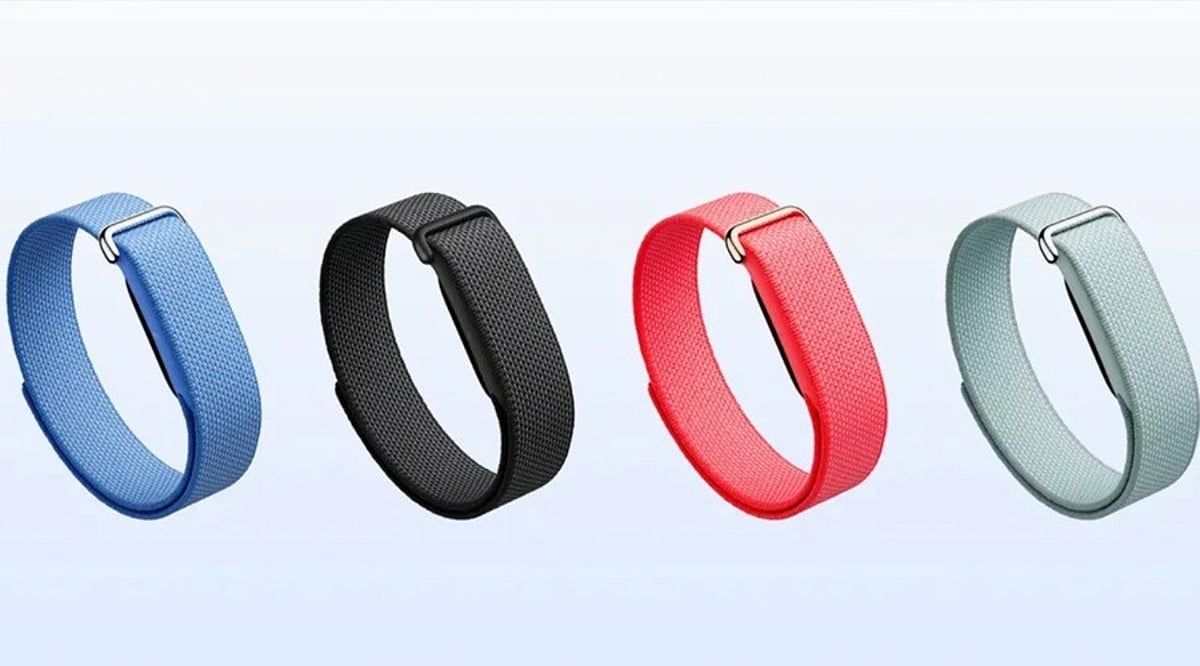
    Google’s screen-free fitness tracker, the Fitbit Air, has appeared on Flipkart with a price tag of Rs. 13,999, signaling an imminent India launch. The listing, currently marked as “Coming Soon”, suggests the device could be available as early as October 2, according to a leak from tipster Sanju Choudhary.

    The Flipkart listing aligns with earlier rumors that pegged the price between Rs. 12,999 and Rs. 13,999. Although Google has not confirmed the final price or exact launch date, the company has stated that the Fitbit Air will reach India in October.

    Unlike traditional smartwatches, the Fitbit Air does away with a display entirely. Weighing just 12 grams, it operates discreetly in the background, tracking a wide range of health metrics including heart rate, SpO2, skin temperature, and movement. The data can be accessed later via the Google Health app.

    The device automatically recognizes workouts and supports over 40 exercise modes. It also measures heart rate variability, resting heart rate, sleep stages, steps, calories burned, distance, and cardio load. Battery life is rated at up to seven days, with a five-minute charge sufficient for a full day of use. The tracker is water-resistant to 5 ATM, making it suitable for swimming, and connects to Android and iOS devices via Bluetooth Low Energy.

    The Fitbit Air first went on sale globally in May at a starting price of $99.99. With its India launch approaching, Google aims to offer a simpler, screen-free option for health-conscious users who prefer not to wear a full smartwatch.

  • Top Tech Deals at Amazon Prime Big Deal Days 2026: Smartphones, Laptops, TVs & More

    Top Tech Deals at Amazon Prime Big Deal Days 2026: Smartphones, Laptops, TVs & More

    Amazon Prime Big Deal Days 2026 is here with massive savings across a wide range of tech products. From smartphones and laptops to TVs, wearables, audio gear, and home appliances, discounts reach as high as 75% on select items. Here’s a comprehensive look at the best deals available.

    Smartphone Deals

    Redmi Note 17 Pro 5G

    The Redmi Note 17 Pro 5G in Purple Vibe is priced at Rs. 39,999 (MRP Rs. 54,999), offering a 27% discount. It features 8GB RAM and 256GB storage.

    Redmi Note 17 Pro Max 5G

    The Redmi Note 17 Pro Max 5G in Secret Sunrise costs Rs. 49,999 (MRP Rs. 69,999), a 29% discount. It comes with 8GB RAM and 256GB storage.

    Redmi 15C 5G Prime Edition

    The Redmi 15C 5G Prime Edition in Midnight Black is available for Rs. 21,499 (MRP Rs. 33,999), a 37% discount. It features 8GB RAM, 128GB storage, a 6000mAh battery, and a 120Hz display.

    OnePlus N6 Lite

    The OnePlus N6 Lite in Midnight Hype costs Rs. 16,999 (MRP Rs. 24,999), a 32% discount. It includes 4GB RAM, 64GB storage, a 7000mAh battery, and a 120Hz display.

    vivo S2 5G

    The vivo S2 5G in Regal Bronze is priced at Rs. 39,999 (MRP Rs. 66,999), a 40% discount. It boasts 8GB RAM, 128GB storage, a 50MP Sony main sensor, 3D curved AMOLED display, and 4K video support.

    vivo X300 Ultra 5G

    The vivo X300 Ultra 5G in Eclipse Black costs Rs. 1,59,999 (MRP Rs. 1,99,999), a 20% discount. It features 16GB RAM, 512GB storage, ZEISS Triple Prime Lenses, a 200MP ZEISS camera, and Snapdragon 8 Elite Gen 5 chip.

    vivo X300 FE 5G

    The vivo X300 FE 5G in Lilac Purple is priced at Rs. 99,999 (MRP Rs. 1,29,999), a 23% discount. It includes 12GB RAM, 512GB storage, a 50MP ZEISS telephoto camera, and a 6.31-inch compact screen.

    Lava Bold N4 Lite

    The Lava Bold N4 Lite in Empire Gold costs Rs. 8,399 (MRP Rs. 9,999), a 16% discount. It features 3GB RAM, 32GB storage, a 6.56-inch qHD display, and a 5000mAh battery.

    Tecno POP X 5G

    The Tecno POP X 5G in Midnight Blue is available for Rs. 15,999 (MRP Rs. 27,999), a 43% discount. It comes with 4GB RAM, 128GB storage, a 6500mAh battery, and 45W fast charging.

    Samsung Galaxy Z Fold8 Ultra 5G

    The Samsung Galaxy Z Fold8 Ultra 5G in Violet costs Rs. 2,59,999 (MRP Rs. 2,84,999), a 9% discount. It features Galaxy AI and a premium foldable design.

    Redmi 17 5G

    The Redmi 17 5G in Eternal Orange is priced at Rs. 26,999 (MRP Rs. 41,999), a 36% discount. It includes 8GB RAM, 128GB storage, a 7900mAh battery, Snapdragon 4 Gen 5 processor, and 50MP AI dual camera.

    Wearables & Audio

    boAt Rockerz 255 Pro+

    The boAt Rockerz 255 Pro+ neckband is available for just Rs. 999 (MRP Rs. 3,990), a massive 75% discount. It offers a 60-hour battery, fast charging, and IPX7 protection.

    OnePlus Watch 2R

    The OnePlus Watch 2R costs Rs. 9,999 (MRP Rs. 19,999), a 50% discount. It runs Wear OS 4 and features Snapdragon W5.

    Home & Appliances

    ECOVACS DEEBOT N30 White 2 in 1 Robot Vacuum Cleaner & Mop

    The ECOVACS DEEBOT N30 is priced at Rs. 23,995 (MRP Rs. 59,995), a 60% discount.

    ECOVACS DEEBOT N50 Pro Omni 2 in 1 Robotic Vacuum Cleaner & Mop

    The ECOVACS DEEBOT N50 Pro Omni costs Rs. 59,995 (MRP Rs. 1,69,999), a 65% discount.

    Bajaj Skive 5 Litre Instant Water Heater

    The Bajaj Skive costs Rs. 3,949 (MRP Rs. 7,730), a 49% discount. It features a 5-litre capacity and high-grade stainless-steel build.

    TVs & Laptops

    cocoaa 164 cm (65-Inch) 4K Ultra HD Smart Mini LED QLED TV

    The cocoaa 65-inch TV is priced at Rs. 41,999 (MRP Rs. 79,990), a 48% discount. It features Mini LED, QLED, HDR, Dolby Vision, and a 120Hz refresh rate.

    ASUS Zenbook A14 (2026)

    The ASUS Zenbook A14 costs Rs. 1,65,990 (MRP Rs. 2,66,990), a 38% discount. It features a 70Wh battery, thin-and-light design, and Copilot+ features.

    Other Deals

    Ayuzera Wellwith Himalayan Sea Buckthorn Pulp Concentrate

    This wellness product is priced at Rs. 736 (MRP Rs. 849), a 13% discount.

    Promom Neo Wearable Electric Breast Pump

    The Promom Neo costs Rs. 6,149 (MRP Rs. 7,999), a 23% discount. It features a wearable, hands-free design.

    FAQs

    1. What is the highest discount shown in the deals?
    The highest discount is 75% on the boAt Rockerz 255 Pro+.

    2. Which smartphone has the highest listed price?
    The Samsung Galaxy Z Fold8 Ultra 5G at Rs. 2,59,999 after a 9% discount.

    3. Which phone offers the largest discount percentage?
    The Tecno POP X 5G offers a 43% discount, while the vivo S2 5G has a 40% discount.

    4. Are there deals on products besides smartphones?
    Yes. The selection includes laptops, TVs, smartwatches, audio, robot vacuum cleaners, and home appliances.

    5. Which robot vacuum has the larger discount?
    The ECOVACS DEEBOT N50 Pro Omni 2 in 1 has a 65% discount, while the DEEBOT N30 has a 60% discount.

  • How and When to Charge Your Samsung Galaxy Watch for Best Performance

    How and When to Charge Your Samsung Galaxy Watch for Best Performance

    Knowing when to charge your Galaxy Watch can make everyday use much easier. You don’t need to wait until the battery completely dies. A simple charging routine can help keep the watch ready for workouts, sleep tracking, calls, and notifications throughout the day. Samsung recommends using approved charging accessories to ensure safety and efficiency.

    Don’t Wait for a Dead Battery

    Waiting for the battery to reach zero can leave you without essential watch features when you need them. A practical approach is to recharge when the battery level gets low enough to concern you. The exact timing depends on your model, settings, connectivity, and usage patterns. Charging before it gets too low ensures you always have enough power for your daily activities.

    Overnight Charging Can Be Convenient

    Charging during a routine period when you are not wearing the watch can simplify daily battery management. However, users should follow Samsung’s charging guidance and use compatible accessories. Battery performance varies depending on features such as Wi-Fi, apps, calls, and notifications. Overnight charging is safe as long as you use the correct equipment.

    Use the Correct Charger

    Samsung recommends using Samsung-approved chargers, batteries, cables, and docks for Galaxy Watch devices. Different models may use different charging hardware, so it’s important to use the compatible accessory. Proper alignment on the wireless charging dock also helps ensure the watch charges correctly. Using third-party chargers may lead to slower charging or potential damage.

    Watch the Temperature

    Extreme heat or cold can affect battery performance and may shorten battery life. Samsung advises avoiding exposure to very high or very low temperatures. Keeping the watch and charging equipment within suitable conditions helps reduce unnecessary battery stress. Avoid charging in direct sunlight or freezing environments.

    Battery Draining Too Fast?

    If your Galaxy Watch suddenly loses power quickly, check your apps and software first. Samsung says background apps, notifications, and certain connected features can contribute to battery drain. Updating software, adjusting notifications, and using Power Saving mode can help extend remaining battery life. Regularly review your settings to optimize power consumption.

    Build a Simple Charging Routine

    The ideal charging time depends on how you use your Galaxy Watch each day. Charge it whenever the battery level no longer comfortably covers your routine, especially before workouts or long days. With the right charger and sensible battery habits, your watch can stay ready when you need it. Establishing a routine will help you never run out of power unexpectedly.

  • Refurbished Galaxy Watch? 7 Key Checks to Make Before You Buy

    Refurbished Galaxy Watch? 7 Key Checks to Make Before You Buy

    Buying a refurbished Samsung Galaxy Watch can save you money, but it also requires careful evaluation. These seven checks will help you avoid hidden problems and choose a device that performs like a new one.

    1. Check Battery Health

    A refurbished Galaxy Watch may not deliver the same battery life as a brand-new model. Lithium-ion batteries naturally lose capacity over time, so ask whether the seller replaced the battery during refurbishment. If the original battery is still inside, request a health report or be prepared for shorter battery life.

    2. Confirm Software Update Support

    Older Galaxy Watch models may no longer receive software or security updates. Galaxy Watch4 and newer models run Wear OS, while earlier models use Tizen. Check the exact model number and verify how long Samsung continues to support it before committing to a purchase.

    3. Inspect the Screen and Buttons

    Examine the display closely for scratches, cracks, dead pixels, or other damage. Test every button and the rotating bezel if the model has one. Make sure the touchscreen responds accurately across the entire display, not just in the center.

    4. Test Charging and Water Resistance

    Confirm that the watch charges properly and connects firmly with its charger. Inspect the charging contacts, strap pins, and lugs for damage. Older seals and adhesives can break down over time, so do not assume an older refurbished watch still has its original water resistance rating.

    5. Verify Phone Compatibility

    Before buying, make sure the Galaxy Watch works with your smartphone. Compatibility can vary by model and phone brand. Checking this in advance can prevent issues with setup, apps, notifications, calls, and other smartwatch features.

    6. Research the Seller and Warranty

    Always research the seller before placing an order. Read customer reviews and check whether the listing clearly mentions repaired parts, cosmetic damage, battery condition, warranty, and return terms. A trustworthy refurbisher should also state what tests the device has passed.

    7. Compare Prices Across Sellers

    Do not choose a refurbished Galaxy Watch just because the price is low. Compare the same model across different sellers and consider condition, battery health, accessories, warranty, and software support. Paying a little more may give you better protection and a more complete package.

  • Apple’s Smart Glasses: A Potential Smartwatch Replacement with Augmented Reality and Health Tracking

    Apple’s Smart Glasses: A Potential Smartwatch Replacement with Augmented Reality and Health Tracking

    Apple may be taking wearables to the next level. According to recent reports, the company is developing smart glasses that could feature health-tracking capabilities and augmented reality (AR) functions. This move could signal a new direction for Apple’s wearable lineup, potentially challenging or even replacing the smartwatch as we know it.

    The rumored smart glasses are expected to integrate seamlessly with Apple’s ecosystem, offering users a hands-free way to access information, navigate, and monitor their health. While details remain scarce, the combination of AR and health tracking could make these glasses a versatile everyday accessory.

    If these reports hold true, Apple’s smart glasses might become the next big wearable after the smartwatch, reshaping how we interact with technology. However, it’s still early, and Apple has not confirmed any such product. Stay tuned for updates.

  • Stop Your Apple Watch From Listening: A Simple Guide to Disabling Siri Recap

    Stop Your Apple Watch From Listening: A Simple Guide to Disabling Siri Recap

    Apple’s latest Apple Watch models introduce Audio Intelligence features, including Siri Recap, which can listen to conversations in the background and generate AI-powered summaries. While Apple emphasizes that Siri Recap is opt-in and does not store raw audio recordings, many users may prefer to disable it for privacy. Here’s how to turn off Siri Recap on your Apple Watch while keeping standard Siri features fully functional.

    What Is Siri Recap on Apple Watch?

    Siri Recap is part of Apple’s Audio Intelligence suite for Apple Watch. Unlike traditional Siri, which waits for an explicit activation command, Siri Recap works in the background. When enabled, it can listen to conversations throughout the day and create high-level summaries so you can recall important points later.

    Apple states that Siri Recap does not generate conventional audio recordings. Instead, audio is processed in a protected hardware environment that is inaccessible to the operating system, third-party apps, or Apple itself. The resulting recaps are summarized overviews, not full transcripts of your conversations.

    How to Turn Off Siri Recap

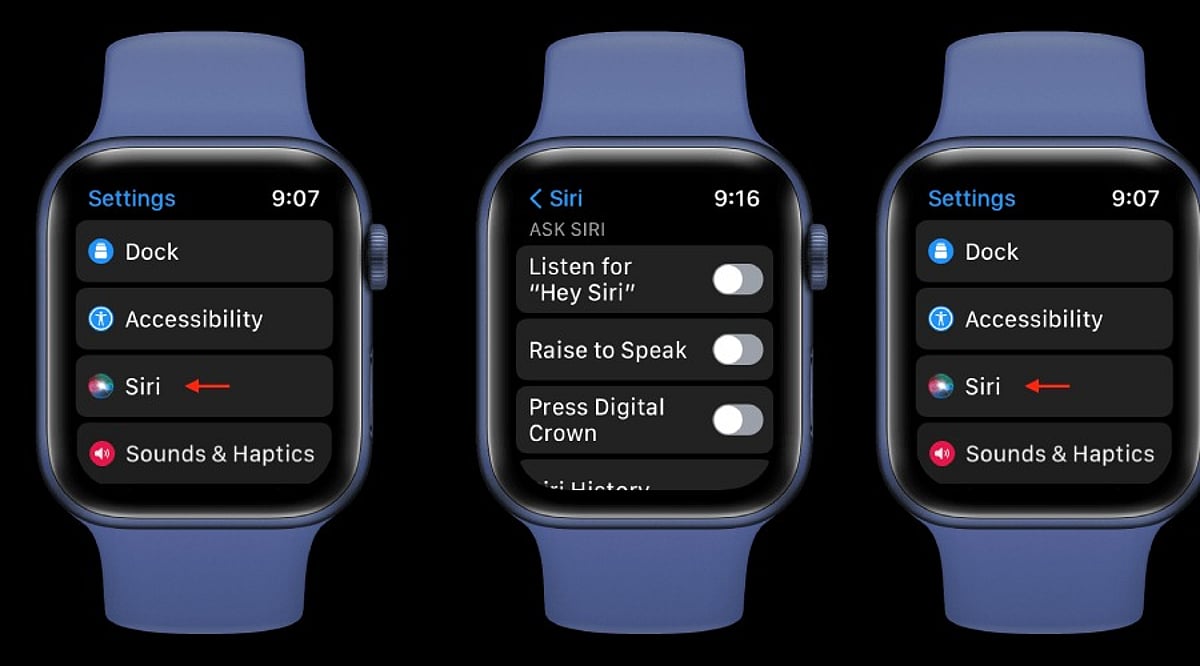
    Disabling Siri Recap takes just a few seconds. Use the Watch app on your paired iPhone:

    • Open the Watch app on your iPhone.
    • Tap the Siri section.
    • Locate Siri Recap.
    • Toggle the switch to turn it off.

    Once disabled, your Apple Watch will stop using the feature to take ambient notes or generate conversation summaries. You can also enable or disable Siri Recap directly from Control Center on the watch itself.

    Schedule Siri Recap Instead of Turning It Off Completely

    If you find Siri Recap useful in certain situations but want more control over when it listens, you don’t have to disable it entirely. Apple lets you set Siri Recap to operate on a schedule based on time of day, location, or specific scenarios. For example, you can keep it active during work hours and turn it off automatically at home or overnight.

    Siri Recap vs. Live Rewind

    It’s important not to confuse Siri Recap with Live Rewind, a separate feature. Live Rewind lets you retrieve a text snippet of what was said in the previous 15 seconds after double-pressing the Digital Crown. It does not continuously create a running transcript in the background like Siri Recap can.

    Both features come with the Apple Watch Series 12 and Apple Watch Ultra 4, subject to software and compatibility requirements.

    Disabling Siri Recap Doesn’t Disable Siri

    Turning off Siri Recap has no effect on regular Siri functionality. You can still use Siri for reminders, weather, timers, messages, smart-home controls, and other supported actions. This makes it easy to enjoy the convenience of Apple’s assistant without the concern of background listening.

    By following the steps above, you can take control of your Apple Watch’s privacy features and decide exactly when Audio Intelligence is allowed to listen.

  • Apple Watch Series 12’s Audio Intelligence and Privacy Controls Hint at Smart Glasses Future

    Apple Watch Series 12’s Audio Intelligence and Privacy Controls Hint at Smart Glasses Future

    Apple introduced new Audio Intelligence tools on the Apple Watch Series 12, allowing the device to listen for sounds, recall recent conversations, and create conversation summaries. However, the company built several privacy controls around the technology, offering a possible look at how it could handle similar concerns with future smart glasses.

    Audio Intelligence Features

    Apple’s Audio Intelligence package includes Sound Recognition, Live Rewind, Siri Recap, and Shazam. Sound Recognition listens for noises such as alarms, sirens, doorbells, and crying babies. Shazam can identify music playing near the user and display the song information on the watch.

    Live Rewind and Siri Recap take the technology further. Live Rewind keeps a rolling buffer of about 15 seconds of nearby conversation. When the wearer double-presses the Digital Crown, the watch converts the previous 15 seconds into text. Apple designed the feature for situations where users may have missed information during a conversation.

    Siri Recap can create short summaries of conversations that users can review later. Instead of producing a full transcript, the system generates a title and key points. Apple says the feature can help users stay engaged during meetings or conversations without constantly taking notes. Apple plans to release Siri Recap and Live Rewind in beta later this year.

    On-Device Audio Privacy

    Apple built Audio Intelligence around the Secure Exclave inside the S11 chip. The dedicated hardware compartment processes audio separately from watchOS and other apps. According to Apple, neither apps, the operating system, the user, nor Apple can directly access the raw audio.

    Live Rewind processes its transcription locally on the Apple Watch. Its temporary audio buffer is repeatedly overwritten rather than stored as a permanent recording. When the feature activates, the watch also plays an audible chime, even when the device is set to silent or connected to headphones.

    Siri Recap follows a different process. The watch converts speech into text before deleting the original audio. Apple then uses Private Cloud Compute to process the text and prepare the summary. The company says its cloud system prevents Apple from accessing the submitted data. Apple also says Siri Recap does not identify speakers or connect statements to specific people. The system is designed to leave out sensitive details such as financial information, authentication data, and government-issued identification numbers.

    Privacy Controls for Wearables

    The public-facing warning used by Live Rewind could provide a clue about how Apple may handle recording features on future wearable products. Apple did not announce consumer smart glasses, but reports have suggested the company is developing AI-powered glasses that could eventually enter the market.

    Wearable cameras and microphones have raised privacy concerns because people nearby may not always know when recording takes place. Apple’s approach on the Series 12 adds both visual and audible signals when Live Rewind activates. The watch displays a full-screen animation and microphone indicator while also playing its warning sound. Such controls could become useful if Apple adds similar listening or recording functions to smart glasses. Rather than relying only on software permissions for the wearer, the company could also provide visible or audible notices for people nearby.

    Apple Expands AI on Watch

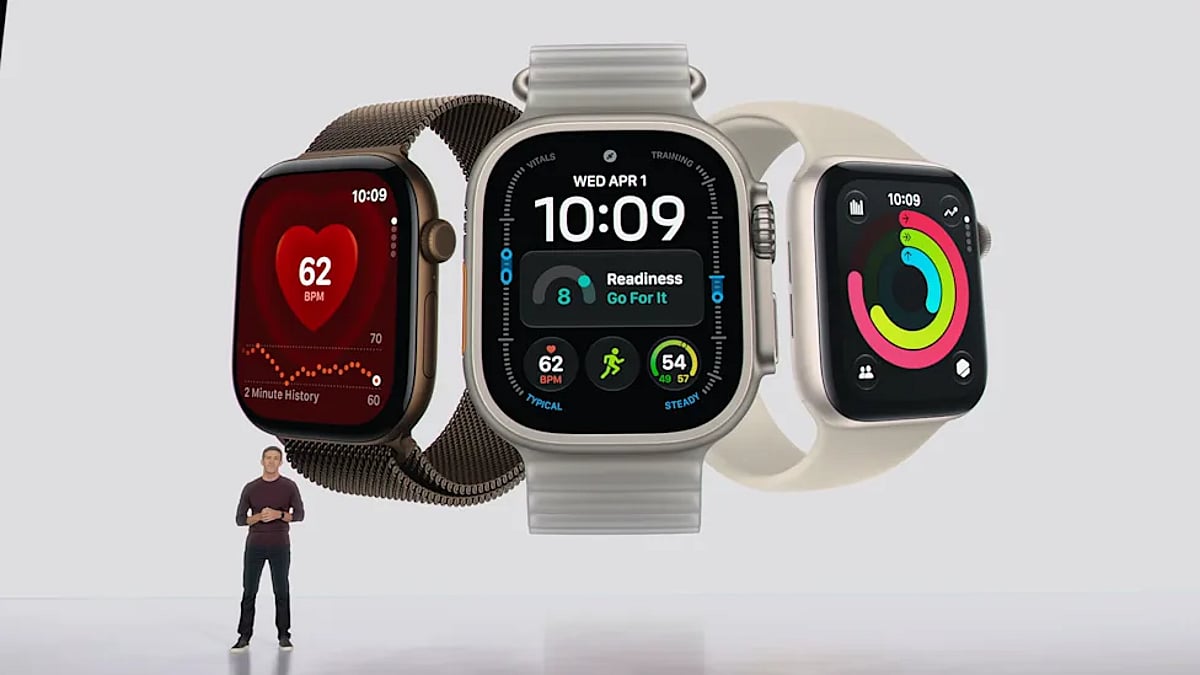
    The privacy controls arrive as Apple broadens the Apple Watch beyond health and fitness. Series 12 introduces a new Health Sensing System, more frequent heart-rate and heart-rate variability measurements, a readiness score, and updated step tracking.

    The S11 chip also supports Siri AI through watchOS 27, bringing personal context features and broader knowledge functions to the watch. Apple Watch Series 12 starts at $399 in the U.S., with store availability beginning September 18. As Apple adds more AI tools to devices worn throughout the day, the Series 12 shows how the company is combining always-available intelligence with limits on how personal audio is processed, stored, and disclosed.

  • watchOS 27 and iPadOS 27: Apple’s Health Tracking Gets Smarter with AI Coaching and Menopause Support

    watchOS 27 and iPadOS 27: Apple’s Health Tracking Gets Smarter with AI Coaching and Menopause Support

    Apple has announced that watchOS 27 and iPadOS 27 will be released on September 14, 2026, bringing a host of new health-tracking features to Apple Watch and iPad users. The updates leverage higher-frequency sensing and Apple Intelligence to transform health data into clearer daily guidance.

    New Health Sensing System

    The latest Apple Watch models, including the Series 12 and Ultra 4, introduce a new Health Sensing System that enables more frequent measurements. Heart rate readings can be taken every five seconds, while HRV measurements can occur every five minutes. Apple claims this system delivers the highest heart rate accuracy among comparable wearables.

    Readiness Score

    A new Readiness feature provides users with a daily score from 0 to 10, based on recent activity, vital signs, and sleep data. The score suggests whether to Recover, Pace Yourself, Ready, or Go For It, and can update throughout the day as new health information arrives.

    AI Fitness Coaching

    Workout Buddy receives a major upgrade, now supporting standalone Apple Watch operation without needing an iPhone nearby. The AI fitness coach uses more workout history for personalized motivation and adds Spanish language support alongside English.

    Cycle Tracking Expands

    Cycle Tracking now includes perimenopause and menopause monitoring, with symptom logging and cycle pattern notifications. Users aged 40 and above can receive alerts when patterns suggest possible perimenopause. Apple emphasizes these are wellness features, not medical diagnosis.

    Redesigned Health App on iPad

    iPadOS 27 brings a redesigned Health app that integrates Apple Intelligence. The Insights tab summarizes heart, sleep, fitness, readiness, and cycle data, while Longevity tracks broader health trends. Health Age compares selected Apple Watch metrics with chronological age. The app can also include movement assessments and imported lab data, measuring flexibility, strength, balance, movement mechanics, and VO2 max.

    GymKit and AirPods Pro 3

    Apple is expanding GymKit through iPhone and compatible gym equipment. AirPods Pro 3 can share heart rate data via iPhone, and machine learning improves treadmill distance calculations.

    watchOS 27 supports Apple Watch Series 9 or later, SE 3, and Ultra 2 or later. The redesigned Health app starts with U.S. English availability, with more languages planned.

    Apple Health and Fitness Vice President Sumbul Desai said, “Technology can empower everyone with actionable, science-based insights built with privacy at the core.”

  • Apple Acquires Part of Sonera to Advance Brain-Sensing Wearables

    Apple Acquires Part of Sonera to Advance Brain-Sensing Wearables

    Apple is reportedly acquiring parts of Sonera, a company known for developing compact magnetic sensors capable of detecting the tiny magnetic signals produced by activity in the brain and body. The move could open the door to a new generation of brain-sensing wearables, though Apple has not confirmed any specific product plans.

    Acquisition Details Emerge From EU Filing

    Neither Apple nor Sonera has publicly commented on the deal, but a regulatory filing in the European Union has revealed that Apple will acquire certain assets from Sonera and hire a number of its employees through one of its subsidiaries. This suggests the tech giant is actively investing in the underlying technology.

    Sonera’s proprietary biomagnetic chip is the centerpiece of the deal. Unlike many biosensors, these sensors can pick up signals without requiring direct contact with the skin, making them particularly interesting for wearable applications.

    What This Could Mean for Apple Watch and Other Wearables

    For Apple, Sonera’s technology could provide new ways to monitor health and body signals. Future Apple Watch models or other wearable devices might use these sensors to track brain activity or other physiological data. However, Apple has not confirmed any product based on Sonera’s technology, and the concept remains in its early stages. Users should not expect a brain-controlled Apple Watch anytime soon.

    Beyond Touchscreens and Voice Commands

    Touchscreens remain the easiest way to interact with phones and watches, while voice commands handle simple tasks. Gestures already let users control devices without touching them. Brain-sensing controls could take this further, allowing users to trigger features simply by thinking.

    The Sonera deal does not mean Apple is ready to launch a thought-controlled device. But it shows that Apple is exploring new ways to make wearables smarter. The next major shift in device control may not come from a better display — it could come from how the device reads the human body.

  • Apple Watch Series 12 Rumors: All-Day Heart Rate, Ceramic Option, and More Health Upgrades

    Apple Watch Series 12 Rumors: All-Day Heart Rate, Ceramic Option, and More Health Upgrades

    Apple’s upcoming Watch Series 12 could bring major health upgrades, including all-day heart-rate monitoring and improved hypertension alerts, while retaining a familiar design and adding a premium ceramic finish. The device is expected to debut at Apple’s September 9, 2026 event alongside the Apple Watch Ultra 4.

    Familiar Design with a Premium Touch

    According to reports from Bloomberg and MacRumors, the Series 12 will keep the classic Apple Watch shape rather than undergo a full redesign. Apple has reportedly tested ceramic cases in white and dark gray, last seen on the Series 5 in 2019. The ceramic version could command a significantly higher price, potentially starting around $1,299 as the previous ceramic Edition model did.

    New Chip Boosts Performance and AI Capabilities

    After the Series 11 retained the S10 chip, the Series 12 is expected to feature a new S-class processor, possibly named S11 or S12 and linked to the T8320 architecture. This upgrade should deliver faster app response, better energy efficiency, and stronger support for Apple Intelligence features, including Siri AI enhancements in watchOS 27.

    Always-On Heart Rate: A Game Changer for Health Tracking

    Bloomberg’s Mark Gurman reports that Apple has tested a system capable of collecting heart-rate data continuously throughout the day. Current models only take readings at intervals outside dedicated apps like Heart Rate, Mindfulness, and Workout. A constant stream of data could enable deeper insights into daily health patterns, recovery metrics, and resting heart rate trends, bringing Apple closer to dedicated fitness trackers like WHOOP.

    Enhanced Hypertension Notifications

    Apple may also refine its hypertension alert system. Reports indicate the FDA has reviewed an upgrade for Series 12 that uses sensor data and health trends to flag potential high blood pressure signs—without functioning as a traditional cuff. This builds on existing features for hypertension and sleep apnea, offering more actionable context.

    Clearer Health and Fitness Dashboard

    A redesigned Health and Fitness experience is rumored, with a new dashboard that consolidates wellness data in a single, intuitive view. The focus would shift from isolated readings to long-term patterns in heart rate, activity, sleep, and more, making health data more accessible and useful.

    What’s Not Coming: Blood Glucose and Touch ID

    Blood glucose monitoring remains a long-term goal, but Series 12 is not expected to include it; reports point to a timeline around 2030. Touch ID on the watch is also unlikely for this generation, and a major case redesign may wait for a later model.

    Pricing and Availability

    The standard Series 12 is expected to launch at $399 to $449, similar to the Series 11. A ceramic edition would cost much more. Apple will confirm details on September 9, 2026. The event should also reveal specifics on the chip, health sensors, battery life, and release date.

    Series 12 looks set to be a health-focused upgrade rather than a design revolution. With a faster chip, constant heart-rate tracking, better hypertension alerts, and a clearer wellness dashboard, it could strengthen Apple’s role in daily health management.