Tag: Web3

  • Solana vs Traditional Blockchains: Key Differences and Unique Advantages

    Solana vs Traditional Blockchains: Key Differences and Unique Advantages

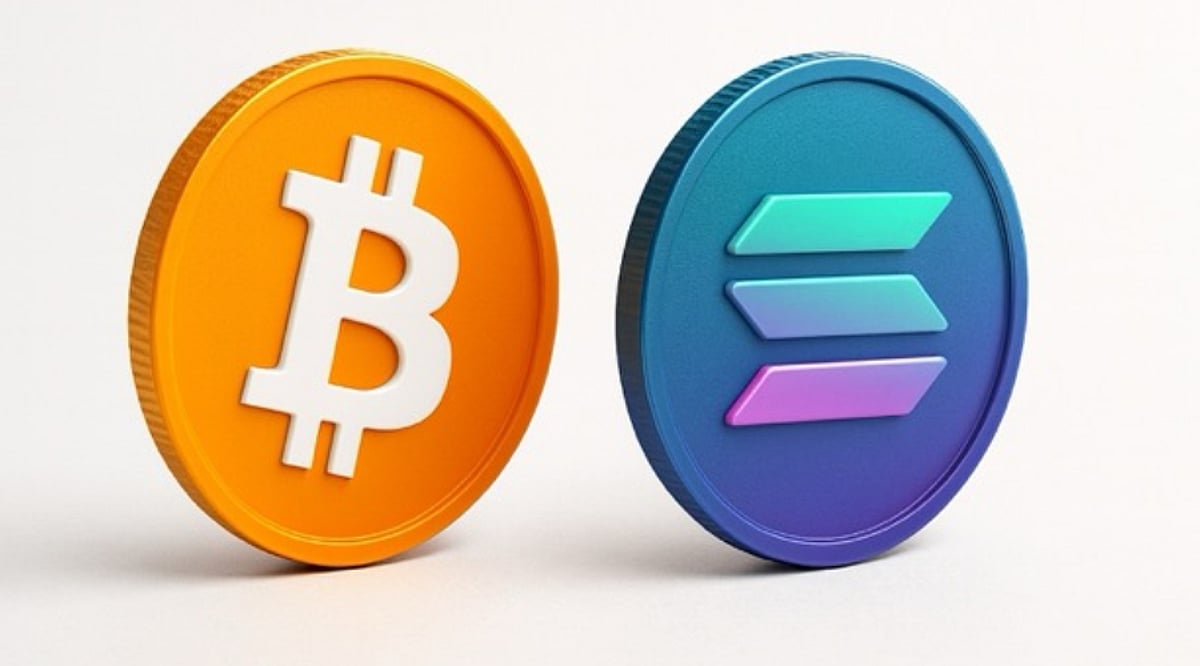
    Solana was designed to address some of the biggest challenges facing traditional blockchains, particularly slow transaction speeds and high costs. While older networks often process transactions sequentially, Solana uses a different architecture to handle large volumes efficiently. Its approach combines multiple technologies to deliver faster confirmations, lower fees, and greater scalability.

    The Speed Advantage

    Transaction speed is one of Solana’s biggest selling points. Its architecture allows the network to process transactions much faster than many traditional blockchain systems. This speed makes Solana attractive for applications requiring quick settlement, including decentralized exchanges, gaming platforms, payments, and other Web3 services where delays can affect user experience.

    Proof of History

    Solana’s distinctive feature is Proof of History, a cryptographic timekeeping system that helps establish the sequence of events before consensus is reached. Instead of requiring every validator to independently agree on timing, the network can reference a verifiable timeline. This reduces coordination overhead and helps transactions move through the network faster.

    Lower Transaction Costs

    Traditional blockchain networks can experience significant fee increases when demand rises and block space becomes limited. Solana generally aims to keep transaction costs low by processing substantially more activity through its architecture. Lower fees can make frequent transactions more practical, supporting applications such as trading, gaming, micropayments, and digital asset transfers.

    Scalability and Architecture

    Solana combines Proof of History with Proof of Stake and several performance-focused technologies. Its architecture is built to process transactions concurrently and efficiently across network resources. Traditional blockchains may rely more heavily on sequential processing. This design difference gives Solana greater theoretical throughput, although performance also depends on network conditions and implementation.

    The Trade-Offs

    Solana’s performance comes with trade-offs. Running validators can require substantial hardware resources, potentially creating barriers for some participants. The network has also experienced periods of congestion and outages. Traditional blockchains may offer slower performance, but their longer operating histories and broader decentralization can appeal to users prioritizing resilience and network maturity.

    What Makes Solana Different?

    Solana’s key difference is its focus on combining blockchain security with high-speed, low-cost transaction processing. Rather than simply increasing block capacity, it redesigns how time, transactions, and computation are coordinated. This makes Solana particularly suited to high-volume applications, while traditional blockchains can remain attractive where decentralization, maturity, or ecosystem depth matter most.

  • Top 6 Decentralized Prediction Markets to Watch in 2026

    Top 6 Decentralized Prediction Markets to Watch in 2026

    Top 6 Decentralized Prediction Markets to Watch in 2026

    Prediction markets have emerged as one of the fastest-growing segments in Web3, enabling users to bet on the probability of real-world events—from elections and sports to cryptocurrency prices and macroeconomic trends. By 2026, institutional participation and surging trading volumes are driving monthly activity into the tens of billions of dollars. Here are the top six decentralized prediction platforms to keep an eye on this year.

    1. Polymarket

    Polymarket remains the largest decentralized prediction market, operating on Polygon and settling in USDC. It hosts thousands of markets spanning politics, crypto, sports, economics, and global events. With deep liquidity and a strong user base, Polymarket continues to be the go-to choice for crypto-native traders seeking high-volume event trading.

    Best for: High liquidity and broad market coverage.

    2. Azuro

    Azuro is an open prediction market protocol that provides blockchain infrastructure for building decentralized prediction applications. Unlike a simple front-end, Azuro powers multiple prediction and sports forecasting platforms through smart contracts, emphasizing transparency and composability within the DeFi ecosystem.

    Best for: Developers and sports prediction markets.

    3. Predict.fun

    Built on BNB Chain, Predict.fun offers markets for crypto, politics, and sports, with integrated yield-generating mechanisms for open positions. The platform aims to merge prediction trading with DeFi incentives, allowing users to earn passive income while participating in event forecasting.

    Best for: DeFi users seeking yield and prediction opportunities.

    4. Gnosis Protocol Ecosystem

    Gnosis remains a key infrastructure player in decentralized prediction markets. While its original prediction market products have matured, its blockchain capabilities, oracle connections, and smart-contract development tools continue to power a variety of Web3 prediction platforms.

    Best for: Developers building custom prediction market solutions.

    5. Zeitgeist

    Zeitgeist is a decentralized prediction market built on the Polkadot ecosystem, allowing anyone to create markets on politics, finance, sports, and social events. It combines automated market makers with community governance, enabling permissionless market creation and decentralized dispute resolution.

    Best for: Permissionless market creation and Polkadot users.

    6. SX Bet

    SX Bet initially focused on decentralized sports betting but has expanded to predict outcomes across a range of events. It uses blockchain settlement, reduced fees, and self-custody to offer transparent event trading across many categories.

    Best for: Sports-focused decentralized prediction markets.

    Why This Matters

    Prediction markets have evolved from niche Web3 tools into multi-billion-dollar financial platforms. Understanding the leading protocols enables traders and developers to capitalize on growing institutional liquidity, permissionless event trading, and yield-generating Web3 infrastructure.

    Final Thoughts

    As blockchain infrastructure continues to advance and institutional interest grows, prediction markets are maturing rapidly. While Polymarket dominates with its liquidity and market selection, other protocols like Azuro, Zeitgeist, and Predict.fun are carving out niche use cases and providing developer-friendly infrastructure. The Web3 finance space is expanding, and decentralized prediction markets are playing a major role alongside other innovations.

    FAQs

    What is a decentralized prediction market?

    A decentralized prediction market is a blockchain-based platform where users trade on the outcome of future events. Smart contracts automatically settle payouts without relying on a central authority.

    Which is the largest prediction market platform in 2026?

    Polymarket remains the largest decentralized prediction market by liquidity and trading activity, offering thousands of markets covering crypto, politics, sports, and macroeconomic events.

    Are decentralized prediction markets legal?

    Legality depends on the country and local regulations. Some jurisdictions permit prediction markets, while others restrict or regulate them similarly to betting or derivatives platforms.

    How do prediction markets make money?

    Most platforms generate revenue by charging small trading or settlement fees. Some protocols also earn through liquidity pools, token incentives, or ecosystem services.

    What are the risks of using decentralized prediction markets?

    Users face risks including smart contract vulnerabilities, regulatory uncertainty, market volatility, oracle failures, and liquidity constraints. Conducting thorough research before participating is essential.

  • Gate DexBuilder Introduces First Event Contracts Builder and $3M Grant Program to Boost Market Ecosystem

    Gate DexBuilder Introduces First Event Contracts Builder and $3M Grant Program to Boost Market Ecosystem

    Gate, a leading global digital asset platform, has announced that its DEX infrastructure platform, Gate DexBuilder, has officially launched its first Event Contracts Builder alongside a $3 million grant program. The initiative is designed to provide project teams, developers, communities, and Web3 applications worldwide with one-stop event contract market building capabilities, further accelerating the development of the event contract market ecosystem.

    The newly launched Event Contracts Builder aims to lower the barrier to developing market products. Through modular infrastructure services, it offers partners an integrated solution covering market creation, trading, liquidity support, settlement, and operational management. Project teams no longer need to build trading systems, liquidity infrastructure, and settlement architecture from scratch, enabling them to quickly deploy event contract market products tailored to their own brand positioning.

    The service is open to brokers, comprehensive trading platforms, crypto wallets, Web3 applications, media and information platforms, community content platforms, AI Trading, AI Agents, quantitative trading platforms, as well as sports, esports, and entertainment products. Projects at the ideation, MVP, testing, or live stage are eligible to apply.

    In terms of product capabilities, Event Contracts Builder supports API and SDK integration and provides core functions including market data, order and position management, market settlement, risk controls, an operations dashboard, and multi-terminal integration. Partners can either integrate event contract market functionality into their existing products or build independently operated, branded event contract markets on Gate DexBuilder.

    Event Contracts Builder will focus on a diverse range of event contract market scenarios, including crypto assets, sports events, esports, macroeconomics, AI, and industry events. This enables more innovative teams to explore how event contract markets can be integrated with different business ecosystems and expand the boundaries of industry applications.

    Notably, Gate DexBuilder will provide selected projects with up to $3 million in funding and ecosystem support, covering key areas including product development, technical integration, liquidity building, market launch, and user growth. Outstanding Builders will also gain access to technical support, official showcases, community exposure, joint AMAs, media promotion, and ecosystem partnerships, helping accelerate projects from proof of concept to product launch and large-scale growth.

    Jason Fung, Head of Gate DexBuilder and Head of Global Partnerships, commented that the future development of event contract markets will depend not only on trading volume growth but also on broader application scenarios and open infrastructure support. Gate DexBuilder aims to provide partners across different industries with flexible and efficient building capabilities through Event Contracts Builder, accelerating the integration of event contract markets with a wider range of real-world and Web3 use cases.

    As a platform continuing to invest in Web3 infrastructure and innovative products, Gate has expanded its presence across emerging areas including event contract markets, DEXs, AI, and RWA. By opening up product capabilities and ecosystem resources, Gate continues to build a more diversified, one-stop digital asset service ecosystem. Looking ahead, Gate DexBuilder will further strengthen its event contract market infrastructure services and work with Builders worldwide to explore more innovative application scenarios, driving the event contract market ecosystem toward a more open and efficient future.

  • Highest-Earning Roles in Crypto: Top Careers and Salaries for 2026

    Highest-Earning Roles in Crypto: Top Careers and Salaries for 2026

    The cryptocurrency industry continues to offer some of the most lucrative career opportunities in technology and finance. As blockchain adoption accelerates, companies are competing for skilled professionals who can build, secure, and scale decentralized systems. Below are the highest-paying jobs in the crypto space, along with the skills and responsibilities that make them so valuable.

    Blockchain Developer

    Blockchain Developers remain among the highest-paid professionals in crypto. They build decentralized networks, create blockchain infrastructure, and improve scalability for Web3 applications. Strong skills in Solidity, Rust, Go, and distributed systems are highly valued. Experienced developers often receive six-figure salaries, token incentives, and generous remote work opportunities worldwide.

    Smart Contract Engineer

    Smart Contract Engineers develop and audit self-executing contracts that power decentralized finance, NFT platforms, and blockchain games. Their work directly impacts security and reliability, making them highly sought after. Companies reward experienced engineers with attractive salaries, equity, and token-based compensation due to the critical nature of their responsibilities.

    Crypto Security Engineer

    Crypto Security Engineers protect exchanges, wallets, and decentralized applications from hacks and exploits. They perform penetration testing, identify vulnerabilities, and strengthen blockchain infrastructure against cyber threats. As crypto attacks continue to rise, skilled security professionals command premium salaries and are among the industry’s most valuable technical experts.

    Web3 Product Manager

    Web3 Product Managers connect technical teams with business goals by planning blockchain products that meet user needs. They oversee product roadmaps, coordinate development, and ensure successful launches. Their ability to balance innovation, compliance, and user experience makes them one of the highest-paid non-coding professionals in the crypto ecosystem.

    Blockchain Solutions Architect

    Blockchain Solutions Architects design enterprise-grade blockchain systems for businesses, governments, and financial institutions. They choose suitable blockchain platforms, define technical architecture, and guide implementation strategies. Their deep understanding of blockchain technology and business requirements makes them essential for large-scale Web3 projects with substantial budgets.

    Crypto Lawyer

    Crypto Lawyers help blockchain companies navigate evolving regulations, licensing requirements, intellectual property, and compliance challenges. They advise exchanges, startups, and token issuers on legal risks across different jurisdictions. As governments introduce new crypto rules, experienced legal experts continue to enjoy strong demand and highly competitive compensation packages.

    Quantitative Analyst (Crypto Quant)

    Crypto Quantitative Analysts use mathematics, programming, and market data to build trading models and automated investment strategies. Hedge funds, trading firms, and exchanges hire them to identify profitable opportunities in volatile markets. Their combination of financial expertise and technical skills often results in some of crypto’s highest overall compensation packages.

  • Best Crypto News Platforms in India: Top 5 Trusted Sources for 2025

    Best Crypto News Platforms in India: Top 5 Trusted Sources for 2025

    Stay Ahead in the Crypto Market with These Top Indian News Websites

    In the fast-evolving world of cryptocurrency, staying informed is crucial. Whether you’re a seasoned investor or a curious beginner, reliable news sources can help you navigate the market with confidence. Here are the top five crypto news websites in India that offer trustworthy coverage, expert insights, and educational content.

    1. Analytics Insight

    Analytics Insight is a leading platform that provides comprehensive coverage of cryptocurrency, blockchain, artificial intelligence, fintech, and other emerging technologies. It’s a go-to source for in-depth analysis and industry trends, making it ideal for tech-savvy readers who want to stay at the forefront of digital innovation.

    2. CoinSwitch

    CoinSwitch is known for its timely crypto market updates, investment insights, and educational content. It also covers regulatory news, helping investors understand the legal landscape. With a user-friendly approach, CoinSwitch is perfect for both beginners and experienced traders looking for actionable information.

    3. CoinDCX Learn

    CoinDCX Learn is an excellent resource for beginners. It offers easy-to-understand guides on cryptocurrency basics, blockchain technology, and market analysis. The platform focuses on educating users, making it easier for newcomers to grasp complex concepts and make informed decisions.

    4. Crypto India

    Crypto India is dedicated to covering Bitcoin, altcoins, regulations, Web3 developments, and the Indian crypto industry. It provides a local perspective on global trends, making it a valuable resource for Indian investors who want to stay updated on both domestic and international news.

    5. CoinGape

    CoinGape offers global cryptocurrency news, technical analysis, token launches, and price updates. It’s a comprehensive platform that keeps readers informed about market movements and emerging opportunities. With real-time coverage, CoinGape is a reliable source for traders who need up-to-date information.

    Why Trusted Sources Matter

    Reliable crypto news is essential to avoid misinformation and make sound investment decisions. With the market’s volatility, accurate information can protect you from scams and poor choices. These platforms prioritize factual reporting and expert opinions, ensuring you get the most relevant and trustworthy content.

    Real-Time Market Coverage

    These websites provide breaking news, expert opinions, and daily market analysis. Real-time updates are crucial in the crypto world, where prices can change rapidly. By following these sources, you’ll be among the first to know about significant developments and market shifts.

    Learn Before You Invest

    Educational articles on these platforms help beginners understand blockchain technology and crypto investing. From basic concepts to advanced strategies, these resources empower you to make informed decisions. Remember, knowledge is your best investment tool.

    Stay ahead of the curve by bookmarking these top crypto news websites. Whether you’re tracking Bitcoin or exploring altcoins, these trusted sources will keep you informed and ready for the next big opportunity.

  • ChangeNOW Hires Former TON Executive Martin Masser to Lead Strategic Partnerships

    ChangeNOW Hires Former TON Executive Martin Masser to Lead Strategic Partnerships

    ChangeNOW, the crypto super app, has announced the appointment of Martin Masser as Director of Strategic Partnerships. Masser, a former executive at the TON Foundation, brings deep experience in growth, business development, and ecosystem building to the role.

    His primary focus will be to forge key relationships with blockchain networks, wallets, fintech companies, payment providers, and other infrastructure partners. This move is central to ChangeNOW’s transition from a standalone crypto exchange into a fully integrated super app where users can buy, store, swap, trade, send, receive, and grow digital assets in a single environment.

    “Martin brings a rare mix of commercial relationships, product and media understanding,” said Pauline Shangett, Chief Strategy Officer at ChangeNOW. “He knows what the technology can do, what the business needs and how to make the market pay attention. That is exactly the perspective we need as we build the ChangeNOW super app.”

    Masser’s role is not about accumulating partnership announcements but about identifying relationships that make the platform more complete and remove friction from the user experience. He commented: “The best partnerships create access, adoption and attention. My focus is to build relationships that make the product stronger, simpler and more useful, and then help the market understand why they matter. If you are building wallets, networks, payments, stablecoins, fintech infrastructure, consumer crypto or Web3 products, I want to hear from you.”

    For consumers, ChangeNOW is consolidating all core crypto activities into one interface. For businesses, it is developing an integrated toolkit for crypto payments, exchange, stablecoin settlement, digital asset management, and Web3 integrations. Masser’s appointment marks a significant step toward connecting the right networks, wallets, and partners to drive product value, adoption, and market momentum.

    About ChangeNOW

    ChangeNOW.io is a crypto super app built for every crypto move, serving newcomers, professionals, and businesses with simple and secure access to Web3 finance. Since 2017, it has evolved from a fast, secure, and limitless instant exchange into a trusted platform covering storage, swaps, trading, staking, and asset management for millions of clients worldwide.

    About Martin Masser

    Martin Masser is Director of Strategic Partnerships at ChangeNOW. His career spans traditional banking and capital markets in London, plus Web3 roles including Head of Growth at TON Foundation. He works at the intersection of growth, infrastructure, and partnerships, connecting products and industry players to create seamless crypto experiences.

    For media inquiries, contact: PR Team, CHN Group LLC – pr@changenow.io

  • Perceptron Secures $6.5M to Build Decentralized AI Data Network

    Perceptron Secures $6.5M to Build Decentralized AI Data Network

    Perceptron, a decentralized AI data network, has announced the successful close of a $6.5 million strategic funding round. The investment brings together leading Web3 investors, trading firms, ecosystem partners, and infrastructure leaders, including Sigma Capital, Selini Capital, QCP Capital, P2 Ventures, CoinDCX Ventures, Momentum6, DeFi Capital, Walrus Foundation, Aethir, Colosseum, GuruDev Capital, Tempo Finance, NewTribe Capital, Digital Consensus Fund, and CodeCraft Capital.

    The funding will support the launch of Perceptron’s data-questing platform, expand contributor tooling and rewards infrastructure, and scale the network toward a target of 5 million nodes. The company aims to make sourcing real-world data fast and accessible enough that AI companies no longer need centralized scraping infrastructure.

    Perceptron’s network compresses global data collection into a single mesh of idle bandwidth, unique datasets, and domain expertise. This unified format allows both individual contributors and AI companies to generate complete, verified datasets, reducing the timeline from data request to delivered dataset to just days.

    Perceptron sits between two extremes: centralized scraping tools that are too limited, and closed data partnerships that demand access most AI startups lack. It gives AI companies and everyday contributors data they can work with directly. Contributors own their data and earnings, allowing them to monetize or withdraw at any time without depending on third parties. The platform is built for continuous contribution and constant iteration, not a one-time scrape.

    The launch of the data-questing platform is central to delivering on this promise at scale. Rather than relying only on organically contributed data, Perceptron enables AI companies to commission data directly from its community. This approach shortens the timeline to sourcing high-value datasets and allows the team to focus resources on community tooling and rewards infrastructure.

    Early traction demonstrates strong demand. In its first phase, live agents reached more than 200,000 users across communities like Telegram and Discord. That number has since grown to more than 300,000 daily active users across a network of over 700,000 nodes. These figures highlight a large audience of users who want to monetize their data and expertise but previously lacked infrastructure designed for them.

    Nathan Gurr, Investment Analyst at P2 Ventures, said: “Perceptron has demonstrated an impressive ability to mobilize a decentralized workforce and build a globally distributed network. Their model allows them to tap into niche expertise – from doctors and lawyers to native speakers – on demand, from anywhere in the world. We see a significant opportunity to turn that reach into a scalable data and intelligence layer for AI, positioning Perceptron to become a leader in the DeAI stack.”

    Mark Rydon, Co-Founder of Aethir, added: “We are witnessing a long-term shift in how AI models are trained. Centralized data scraping is hitting diminishing returns, both in terms of cost and quality. Perceptron has solved the distribution problem that plagues the sector.”

    Peter Anthony, Co-founder and CEO of Perceptron, said: “Our mission is to create the world’s first decentralized AI data mesh where user interactions directly fuel AI growth. We’ve already shown that mission can become a reality, as evidenced by our ability to scale to hundreds of thousands of nodes organically. Now, with this funding, we are launching our data-questing platform, which will allow AI companies to commission specific, high-value datasets directly from our community.”

    Perceptron’s near-term focus is the data-questing platform launch, with further announcements expected next quarter. Longer term, the company is building toward a fully integrated network of 5 million nodes, where everything an AI company needs lives in one place, with no gap between demand and supply.

  • Leading Web3 Development Companies in the United States for 2026

    Leading Web3 Development Companies in the United States for 2026

    The United States continues to lead many Web3 projects in 2026. Startups, brands, and large firms are looking for teams that can build safe, useful, and easy-to-run digital products. A strong Web3 company does more than write code; it helps a business plan, build, test, and launch with care.

    Web3 has moved past the hype stage for many firms. It now serves real work in finance, gaming, digital ownership, supply chain tracking, and online identity. The best companies in this field focus on clear results, not loud promises. They help clients turn a rough idea into a working product that can serve real users.

    Why Companies Matter

    A Web3 project can fail fast if the team rushes the work. Smart contract mistakes, poor design, and weak testing can all create problems later. That is why buyers often look for firms with solid past work, a clear process, and a steady support team.

    The U.S. market has depth. DesignRush lists 319 Web3 companies in the United States, which shows how active the space has become. Clutch also notes that U.S. teams are active across major hubs like Silicon Valley, New York, and Miami. This spread gives buyers more choice and more room to compare.

    Web3 Companies in 2026

    A few firms appear often in 2026 lists. They include Cleveroad, Altoros, Vention, Iron Forge Development, and The Blockchain Team. These names stand out for different reasons. Some focus on enterprise work, while others build for startups, and some handle both.

    Techanic Infotech, Crinpro Solutions, MindSea, ArcTouch, TechMahindra, WillowTree, Dogtown, Blue Label Labs, Infosys, and Media Sidebench also appear in AVIXA’s 2026 list of leading U.S. Web3 companies. The mix shows how broad the market is. Some firms lean toward app design and user flow, while others focus on blockchain systems, token tools, or private company use cases.

    What Separates the Best

    The best Web3 companies are usually strong in three areas: they understand the full build cycle, they test carefully, and they explain things in plain language. That matters because many clients do not need hype; they need a team that can guide them step by step.

    Expert insight in the sector points to one clear pattern. Firms that do well in 2026 are those that connect tech skill with business sense. A good example is a company that can build a wallet or NFT platform, then also help the client think through user trust, launch timing, and long-term support. That mix is often what separates a useful product from a short-term experiment.

    How Buyers Can Choose

    A buyer should look at more than a company name. Past projects and industry focus matter. Clear communication matters too. A team that has built for finance may fit a payment product better than a team that only knows art or games.

    A buyer should also ask simple questions: Has the team built similar products before? Does it test for security? Will it stay involved after launch? These questions help cut through noise and show which firm can handle real work. In a market with hundreds of choices, that kind of focus saves time and reduces risk.

    Final Thoughts

    Top Web3 development companies in the United States in 2026 bring skill, speed, and practical thinking to a fast-changing field. The strongest firms do not chase buzz; they build products that work, scale, and make sense for the client’s goals. For any business entering Web3, the best partner is the one that keeps the process clear and the product solid in an operational cycle.

    FAQs

    What is a Web3 development company?

    A Web3 development company builds blockchain-based applications, smart contracts, crypto wallets, NFT platforms, DeFi solutions, and other decentralized digital products for businesses and startups.

    Why should businesses hire a Web3 development company?

    Hiring a Web3 development company gives businesses access to blockchain expertise, secure smart contract development, faster product launches, ongoing technical support, and scalable solutions tailored to their needs.

    Which industries benefit the most from Web3 development?

    Industries such as finance, gaming, healthcare, supply chain, real estate, e-commerce, and digital identity are increasingly using Web3 technologies to improve security, transparency, and efficiency.

    What should I look for when choosing a Web3 development company?

    Look for proven blockchain experience, strong security practices, relevant industry expertise, client reviews, a transparent development process, and reliable post-launch support before making a decision.

    Are Web3 development services suitable for startups?

    Yes. Many Web3 development companies offer flexible solutions for startups, helping them build MVPs, launch blockchain products, and scale their platforms as their business grows.

  • 5 Web3 Cryptocurrencies to Watch in India This July 2026

    5 Web3 Cryptocurrencies to Watch in India This July 2026

    Web3 has become one of the fastest-growing parts of the crypto market. It gives people more control over their money, data, and digital identity. Unlike traditional internet platforms, Web3 uses blockchain technology to create open and secure systems. More companies, developers, and investors now support this space since it offers real solutions instead of only digital currencies.

    In July 2026, five Web3 crypto coins stand out for their strong technology, active ecosystems, and clear purpose. Each project solves a different problem and supports the future of blockchain in its own way.

    Chainlink (LINK) Strengthens Blockchain Connections

    Chainlink is among the top players in the Web3 space. This network enables smart contracts to get reliable information from external sources. Throughout its journey, it has branched out from its original use of price feeds. Today, its Cross-Chain Interoperability Protocol (CCIP) makes it possible for numerous blockchains to send and receive data and digital assets from one another.

    Chainlink also plays an important role in the rapidly developing Real-World Asset (RWA) sector since banks and financial institutions are adopting its technology. The solution connects conventional assets like bonds and real estate to blockchain networks. Currently, Chainlink facilitates over $95 billion of on-chain value.

    Toncoin (TON) Brings Web3 to Millions of Users

    Toncoin has built a strong position led by its close relationship with Telegram. This connection gives the project access to one of the world’s largest messaging platforms. Users can open crypto wallets, make payments, play blockchain games, and explore Mini Apps without leaving Telegram.

    This simple experience attracts people who have little knowledge of blockchain technology. The ecosystem also supports NFTs, stablecoins, and many digital services. As Telegram adds more Web3 features, Toncoin could reach even more users across the world.

    Internet Computer (ICP) Creates a Different Internet

    Internet Computer follows a unique path in the blockchain industry. The project allows developers to build complete websites, applications, and online services directly on the blockchain. This approach reduces the need for traditional cloud providers in many situations.

    The platform also supports artificial intelligence projects and decentralized cloud services. Developers can create applications that stay online without central servers. Although Ethereum has a larger developer community, Internet Computer continues to attract attention for its innovative technology and long-term vision.

    Filecoin (FIL) Solves Data Storage Challenges

    Filecoin is dedicated to secure decentralized data storage. As artificial intelligence and blockchain adoption increase, the demand for reliable storage continues to grow. Filecoin enables individuals and organizations to store data across a distributed network instead of a single location.

    The platform is designed for long-term storage of information, digital archives, and protection of data. These qualities help Filecoin support companies working with AI, Web3 developers, and any other enterprises with huge amounts of information. Advanced technology and a broad ecosystem help keep Filecoin among the leading decentralized storage projects.

    Polkadot (DOT) Connects Blockchain Networks

    Polkadot is designed to enable communication between diverse blockchains. The network enables them to communicate using a multi-chain technology and shared security system. Polkadot is currently developing the JAM upgrade, which will allow developers to make their development processes easier and more flexible.

    Final Thoughts

    Web3 continues to reshape the crypto industry through better technology and practical use cases. Chainlink, Toncoin, Internet Computer, Filecoin, and Polkadot each solve an important challenge within the blockchain ecosystem.

    Strong development, expanding adoption, and real-world applications make these five projects the top Web3 crypto coins to watch in India during July 2026. Although the crypto market remains volatile, projects with useful technology and clear purpose often stand the best chance of long-term success.

    FAQs

    1. What is Web3? Web3 is the next generation of the internet built on blockchain technology, giving users greater control over their data, assets, and digital identity.
    2. Why is Chainlink important in Web3? Chainlink provides secure oracle services and cross-chain interoperability, helping smart contracts access real-world data and connect different blockchains.
    3. What makes Toncoin unique? Toncoin benefits from Telegram’s large user base, allowing users to access wallets, payments, Mini Apps, and blockchain services within the messaging platform.
    4. Why is Filecoin valuable for blockchain? Filecoin offers decentralized data storage, making it ideal for AI applications, digital archives, and Web3 projects that require secure, distributed storage.
    5. Are these Web3 coins good long-term investments? They have strong technology and growing ecosystems, but cryptocurrency markets remain volatile. Always conduct your own research and assess your risk before investing.
  • Land a Blockchain Job Without Coding: Your Complete Career Roadmap

    Land a Blockchain Job Without Coding: Your Complete Career Roadmap

    Many people think blockchain careers are only for software developers. That idea is no longer true. Today, companies in the blockchain industry need people with many different skills. They look for professionals who can manage communities, write content, build partnerships, support customers, handle projects, and promote products. This shift has opened the door for people who do not know programming but still want to build a successful career in Web3.

    The industry has also grown at an impressive pace. Research shows that the global blockchain market could cross $825 billion by 2032, with a compound annual growth rate (CAGR) of 52.8%. At the same time, Web3 job platforms feature more than 40,000 job openings across over 7,200 companies. Many of these positions focus on business, marketing, customer support, operations, compliance, and research instead of software development. This growth creates exciting opportunities for fresh graduates, career changers, and professionals from different backgrounds.

    Learn the Basics Before You Apply

    You do not need to learn coding to understand blockchain technology. Employers want successful candidates to be able to communicate using the terminology associated with blockchain technology. Start by learning about Bitcoin and Ethereum as these cryptocurrencies are at the core of the phenomenon. Learn how digital wallets function to store assets and how blockchain records transactions. Research smart contracts, even if you never plan to create one. Learn about DeFi, stablecoins, NFTs, DAOs, Layer 2 networks, and tokenomics. The acquired knowledge will help you understand how blockchain projects work and which problems they address.

    Choose a Career Path that Matches Your Strengths

    There are a large number of non-technical opportunities at blockchain companies, so choose one that matches your skills and interests. If writing is of interest, choose content writing as a way to get started in this field. Content writers communicate the meaning of blockchain to people through blog posts, newsletters, online articles, and educational materials. People proficient in communication skills usually manage to become community managers. They interact with users by means of Discord, Telegram, X, answer questions, and support communities of loyal customers using blockchain products. Business development is another great position one can choose. People in this role establish partnerships, connect with clients, and help organizations grow. Product managers cooperate with different teams to develop blockchain products and enhance user experience. Research analysts analyze market tendencies, token performance, and blockchain innovations, while compliance analysts help companies comply with financial and legal requirements.

    Build Skills that Companies Really Need

    Knowledge about blockchain technology alone is not enough. Employers are also interested in practical business skills since every project relies on communication, planning, and interaction with customers. Digital marketing helps companies connect with new audiences using online campaigns. Knowledge of SEO improves website performance, whereas content writing skill enables simplifying complicated information. Public speaking is valuable in various situations such as presentations, webinars, and public events. Sales and business development experience helps attract customers and partners for companies. In addition, you should master various essential workplace tools, including Notion, Discord, Telegram, Canva, Trello, Jira, Google Analytics, and basic Figma. All these apps are used in many blockchain companies regardless of the position.

    Learn Through Trusted Courses

    Many popular learning platforms have created useful courses about blockchain technology. Coursera offers courses such as Blockchain Basics and Blockchain Specialization that can be attended for free. Binance Academy is well known for being one of the best platforms for learning, explaining concepts like Bitcoin, Ethereum, blockchain technology, wallets, and security in simple terms. Coinbase Learn teaches blockchain technology to beginners by explaining all terms in the easiest way possible. For those who want to learn more, Consensys Academy offers courses dedicated to Ethereum, Web3, smart contracts, and blockchain technology. Alchemy University is another place to learn the basics of the Web3 ecosystem.

    Certifications Can Improve Your Profile

    A certification cannot guarantee a job, but it can strengthen a resume and show employers that you have invested time in learning blockchain. One respected option is the Certified Enterprise Blockchain Professional (CEBP) from 101 Blockchains. Blockchain Council also offers several certifications for beginners and professionals. If the plan is to work in product or project management, the Google Project Management Certificate can add value. Those who prefer marketing roles may benefit from the HubSpot Content Marketing Certification as blockchain companies actively search for professionals with strong content skills.

    Build Proof of Your Knowledge

    Most employers value practical experience more than certifications. Building a portfolio with blockchain articles, crypto project reviews, market research, or contributions to DAOs can significantly strengthen your job applications. During job searches, your work history—especially a hands-on portfolio—can be of great help. This can include articles on blockchain topics, crypto project evaluations, and market research studies placed on LinkedIn or Medium. Participation in DAO discussions and volunteering in small projects is also welcomed.

    Job Opportunities and Salary Expectations

    Blockchain companies hire through platforms such as Web3 Career, CryptoJobs, Wellfound, LinkedIn, RemoteOK, AngelList, and Bondex. Web3 Career alone lists over 40,000 blockchain jobs, including remote, entry-level, and non-technical positions. Salary levels depend on experience, company size, and location. Community managers usually earn between $45,000 and $90,000 per year, while content writers often receive $40,000 to $80,000 annually. Business development professionals can earn $70,000 to $150,000, and product managers often receive $90,000 to $180,000 each year. Marketing managers generally earn between $70,000 and $160,000, while operations managers may receive $80,000 to $170,000 annually.

    Why This Matters

    The rapid expansion of Web3 creates thousands of non-technical roles in marketing, operations, and community management. Understanding non-coding pathways allows diverse professionals to capitalize on high-paying Web3 opportunities without needing a software development background.

    Final Thoughts

    A blockchain career no longer depends on coding skills. Today, companies need professionals who can explain products, support customers, manage projects, build communities, create useful content, and develop business partnerships. With the blockchain market expected to exceed $825 billion by 2032, and more than 40,000 active Web3 jobs available across 7,200 companies, this is a good time to enter the industry. By learning the basics, choosing the right specialization, building practical skills, and creating a strong portfolio, you can start a successful blockchain career without writing a single line of code.

    Frequently Asked Questions

    Can I start a blockchain career without coding?

    Yes. Many blockchain companies hire for non-technical roles such as content writing, marketing, business development, community management, and customer support.

    Which blockchain course is best for beginners?

    Coursera, Binance Academy, Coinbase Learn, Consensys Academy, and Alchemy University offer beginner-friendly blockchain courses.

    What skills should I learn for a non-coding blockchain job?

    Focus on blockchain fundamentals, digital marketing, content writing, communication, project management, SEO, and tools like Notion, Discord, and Jira.

    Where can I find blockchain jobs?

    You can search on Web3 Career, CryptoJobs, LinkedIn, Wellfound, RemoteOK, AngelList, and Bondex.

    Is blockchain still a good career choice in 2026?

    Yes. The blockchain market is projected to exceed $825 billion by 2032, and thousands of companies continue to hire professionals across technical and non-technical roles.